Set in the colonial era and ornamented by the snow-dusted peaks, Puebla City is one of Mexico’s most beautiful must-visit cities. The UNESCO recognized heritage city is famous for its colonial-era setup, murals, and folk arts.
Puebla in Spanish is known in Spanish as Puebla de Zaragoza, formally Heroica Puebla de Zaragoza and in colonial times as Puebla de Los Ángeles. It is famous for its exquisite culinary heritage, colonial architecture and its craftworks, especially in Talavera pottery and tiles, which are very expensive and unique. Puebla City is full of architectural wonders and jaw-dropping places to visit.
So here are 15 places that architects must visit in Puebla City.

1. Casa de Los Muñecos
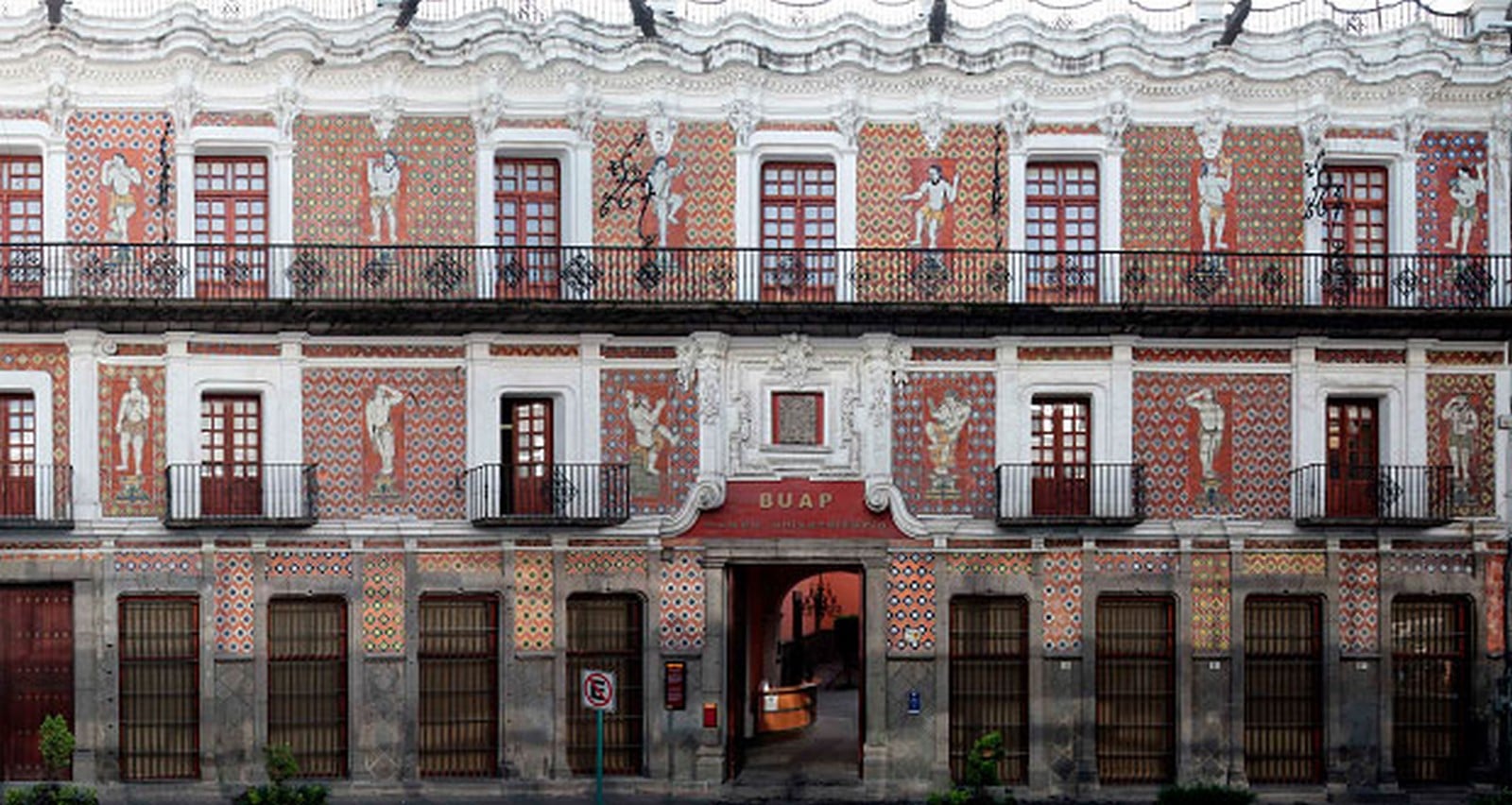
The Casa de Los Munecos is a very famous and exciting place for architects for two main reasons. Primarily because it is a very ancient architectural landmark built in the 18th century. It is majorly famous for its facade, which is adorned with 16 different Talavera pottery figures. These human figures gave the building its name. Secondly, the building is a Museum that has many exhibitions that are a must-see for architects.
This place, which integrates paintings, engravings, and murals, has protected the university heritage for over 30 years now and is a place you must visit here.
2. Museo Internacional del Barroco
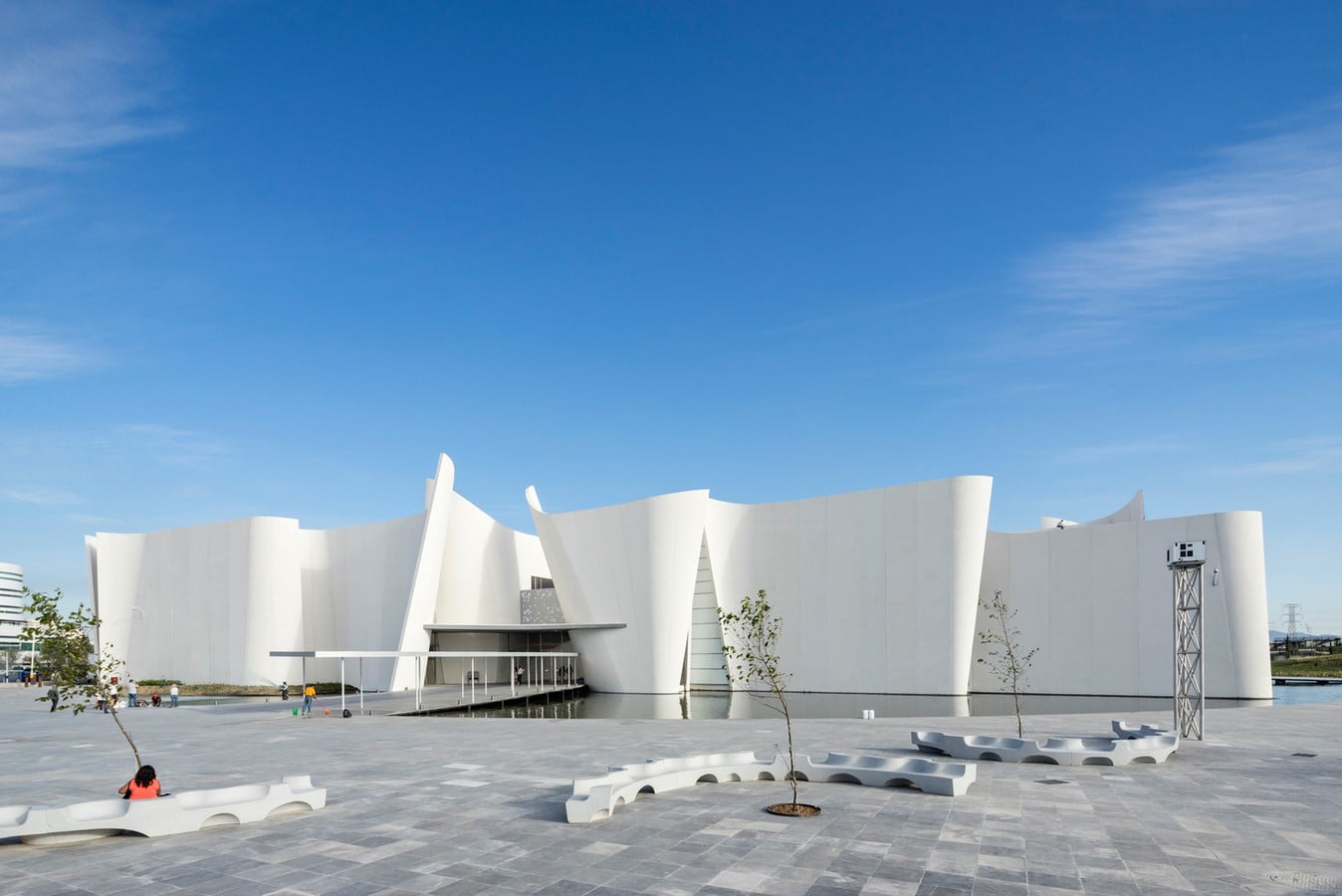
The International Museum of Baroque is located approximately seven kilometres away from the city’s centre and is designed by the Japanese architect Toyo Ito and Associates. The curled white concrete walls and the water-filled courtyard of the museum are the striking features here.
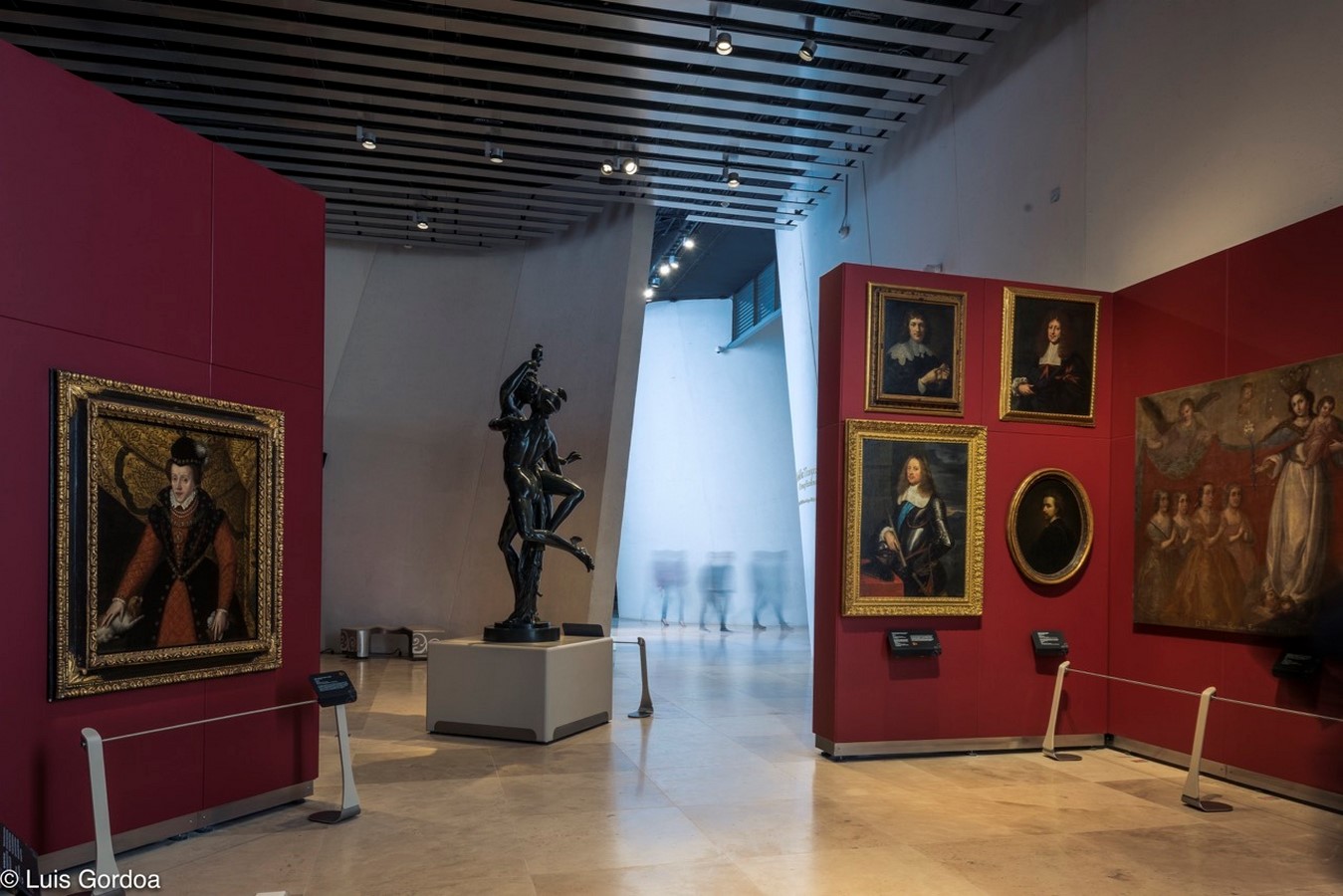
The museum showcases various paintings, arts of the Baroque eras, Murals, sculptures from fashion to architecture which is worth watching for a person interested in the art field and even a regular visitor.
3. Biblioteca Palafoxiana
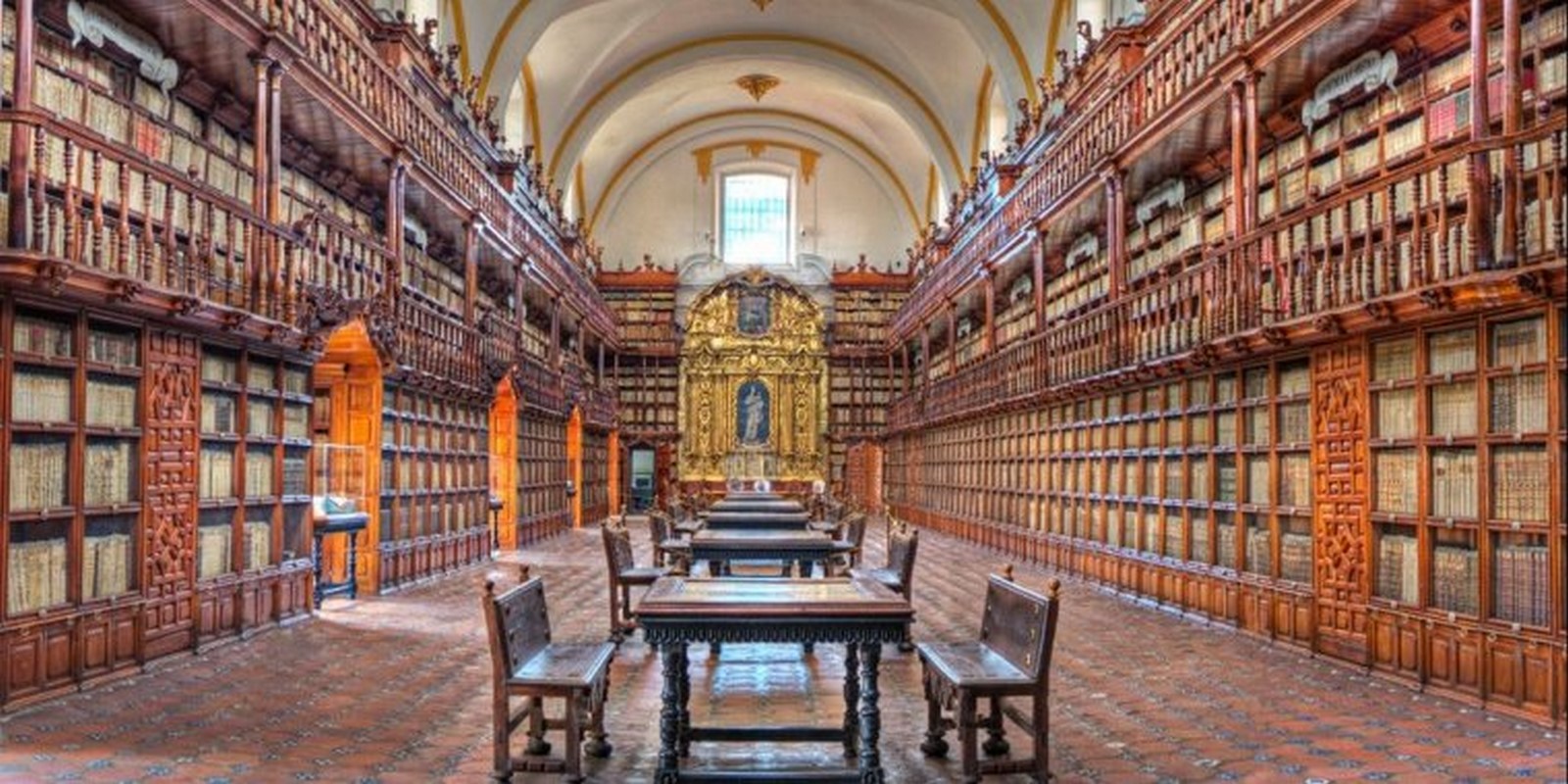
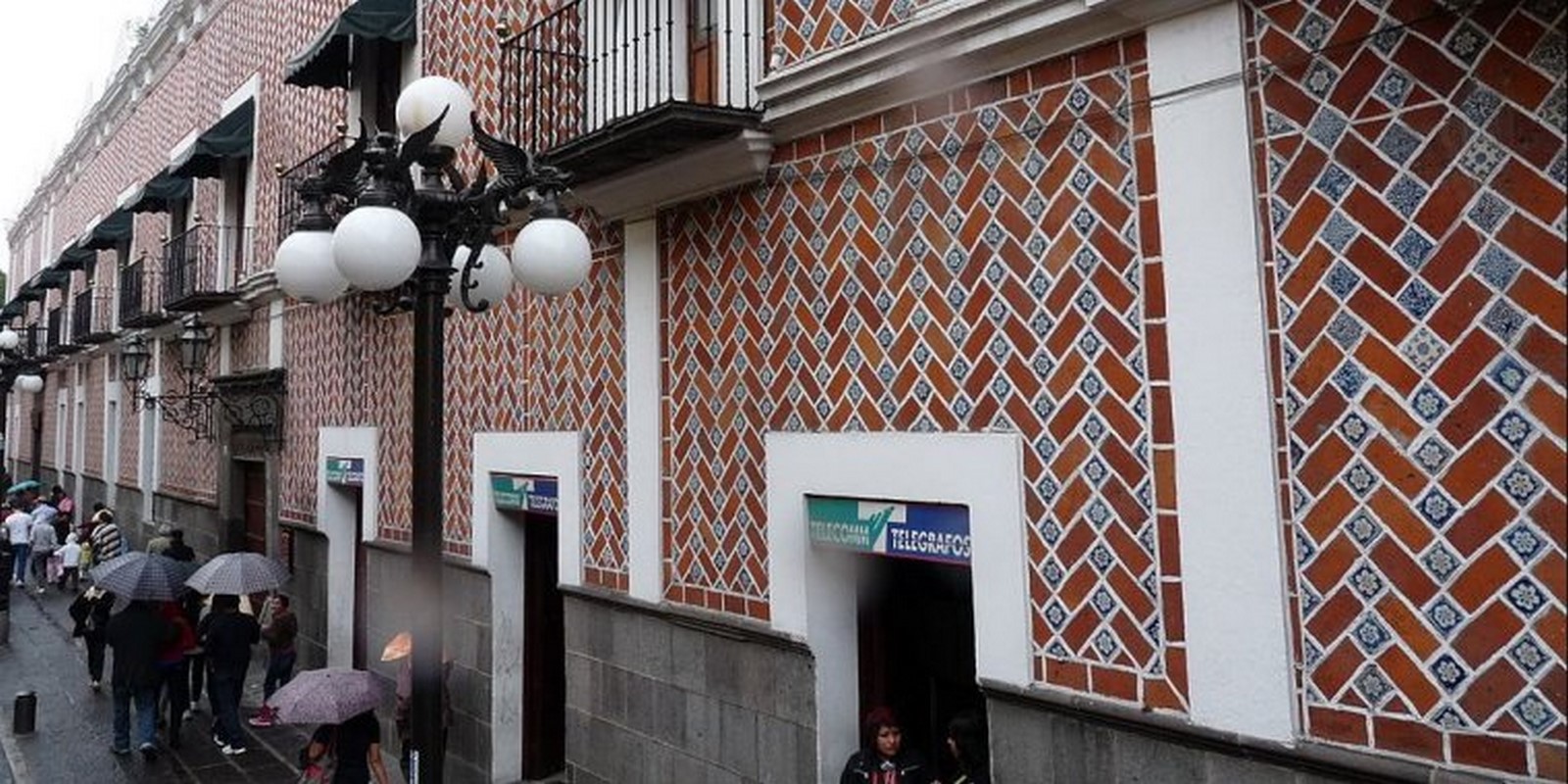
Built in 1646, Biblioteca Palafoxiana is the first and one of the oldest public Libraries of America located in Puebla’s Historic Centre. The exterior facade of this library also has the colonial Talavera pottery cladding. The library has more than 4,500 books that date back to the 15th century. The library has a 43-meter long vaulted hall ornamented with Baroque ornaments.
The cloistered baroque library is laced with many architectural and decorative elements that architects would love to witness. The 18th-century bookcases are still used in the museum.
4. Museo Amparo
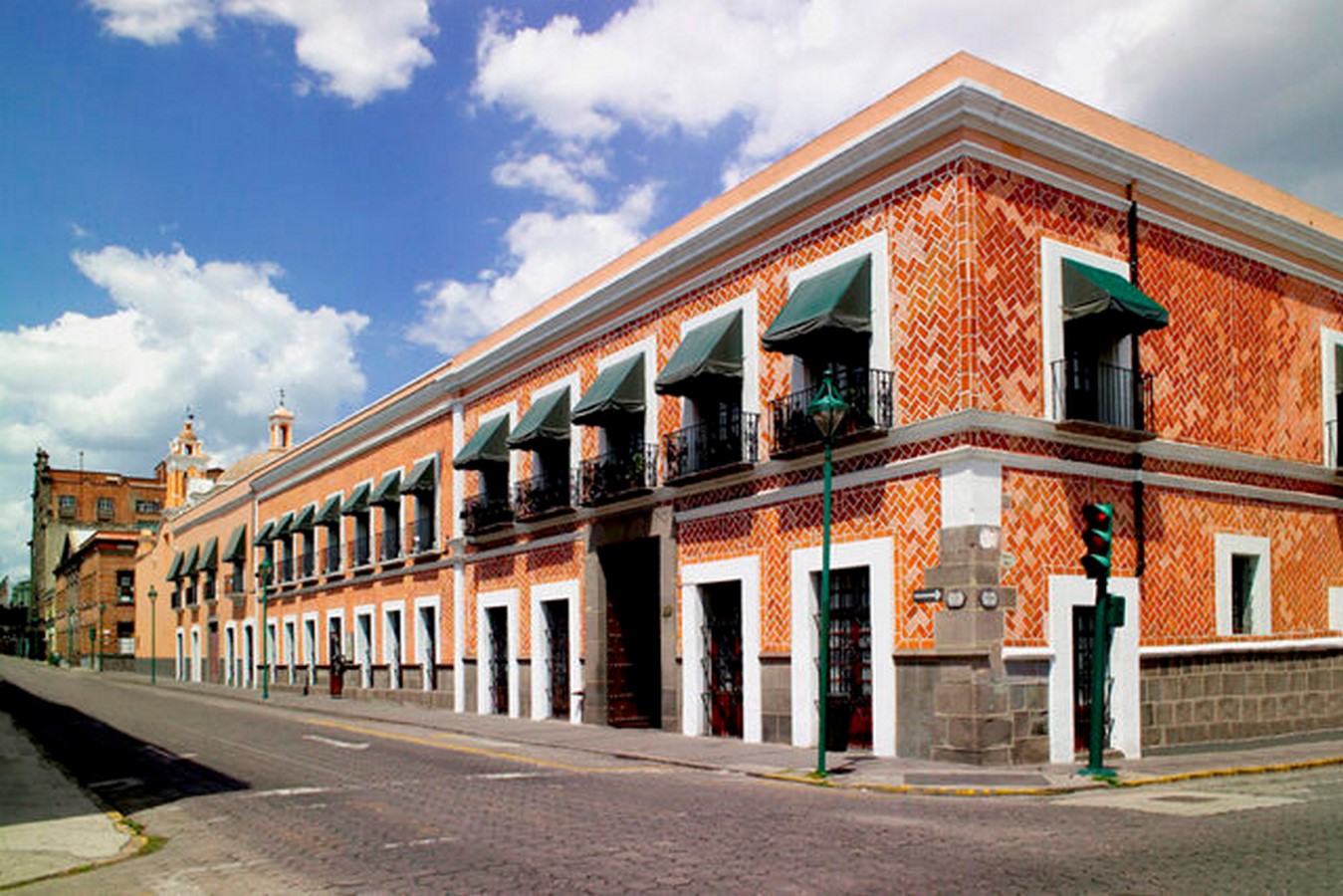
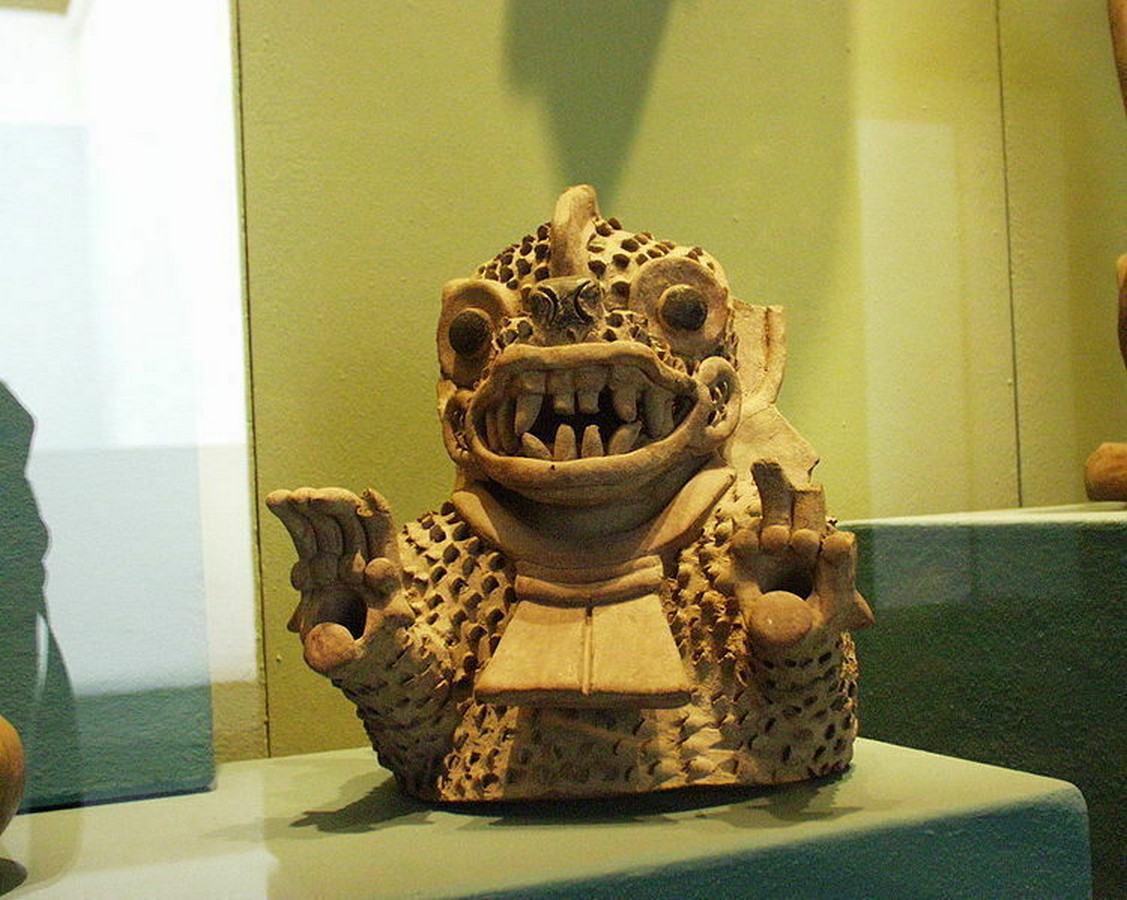
The small Amparo Museum houses all the fascinating artefacts from Mesoamerica’s era of great civilizations. Being housed in the two eras of colonial buildings, the Amparo Museum is the most important archaeological museum, but sadly the least visited one. The museum is full of pre-Hispanic artefacts. Also, it has collections from Mexico’s colonial and post-colonial baroque portraits, sculptures, and ornaments which give a great insight into the historical past of Baroque culture.
5. Museo de Miniaturas
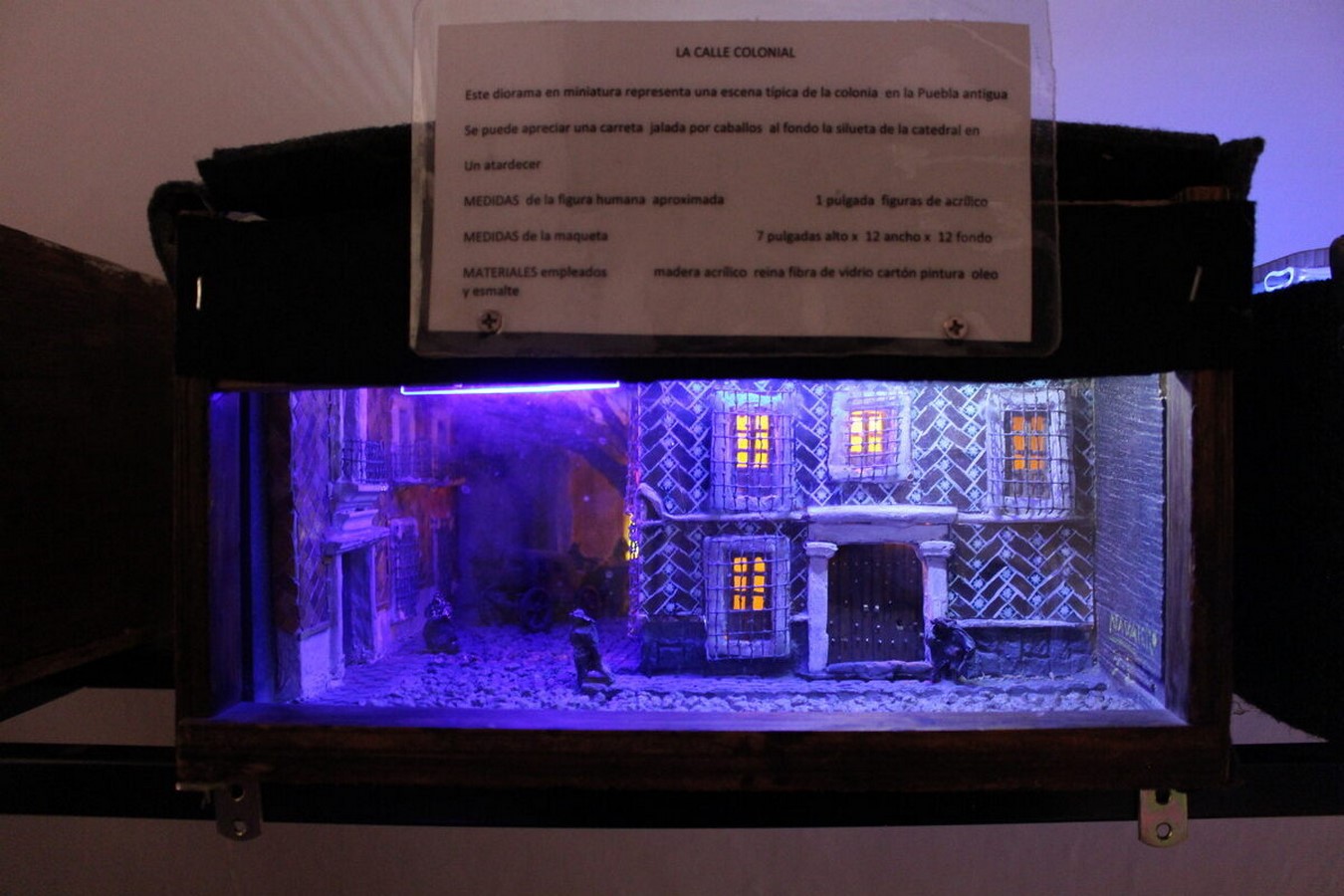
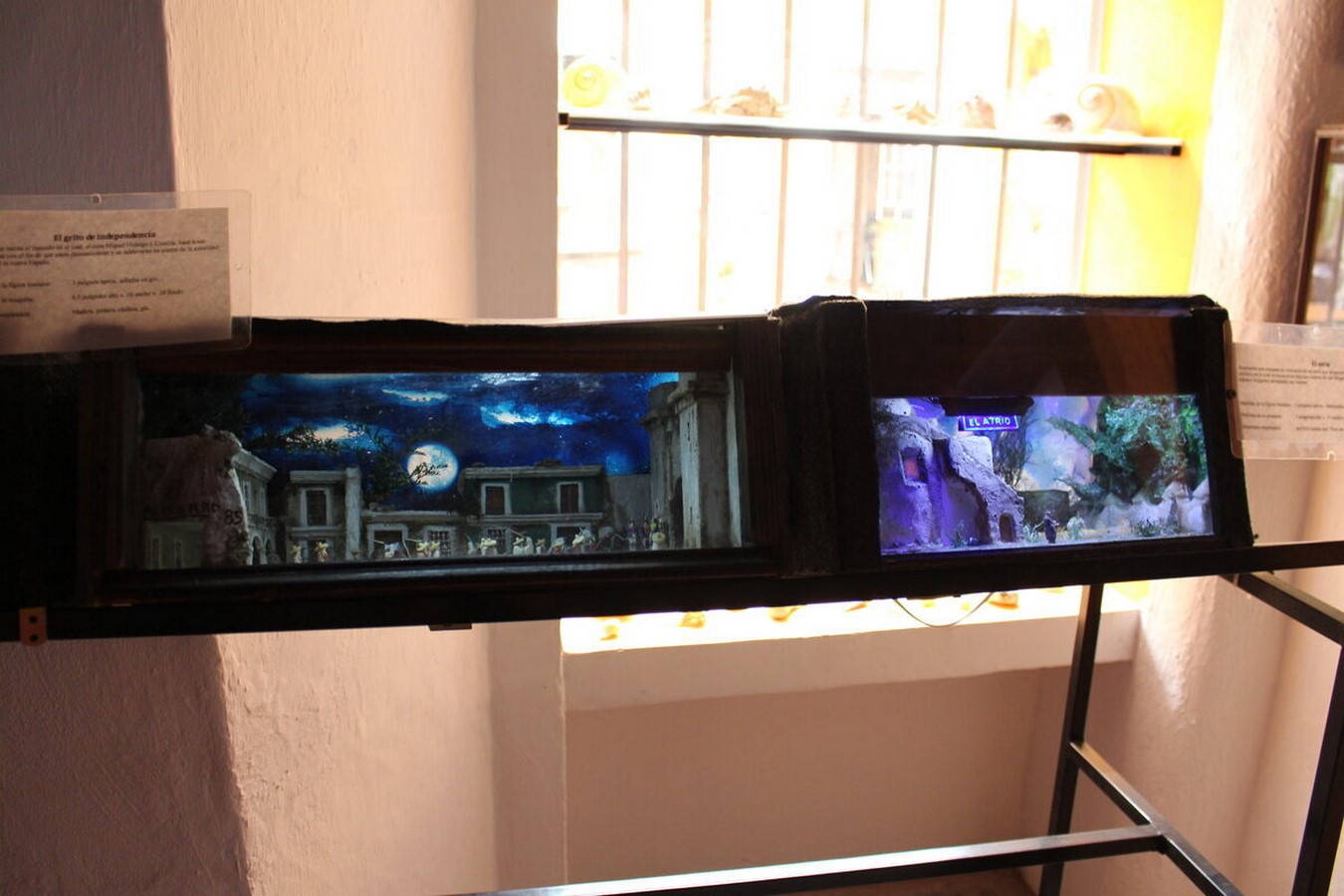
Hidden inside two rooms of the Hotel Mesón de San Sebastián, the Museum of Miniatures in Puebla is one of the best little secrets of the city. This small museum has a delightful collection of miniatures of buildings and places showcasing the culture and history of Mexico.
All these miniatures are created by the artist Saúl Navarro Escalante. His first model was The Last Supper, made of figures sculpted in chalk. This range expanded from everyday places of Mexico to other architectural marvels as well. Each model is made of wood, chalk and paper and occupies no more space than four by ten inches.
6. Catedral de Puebla
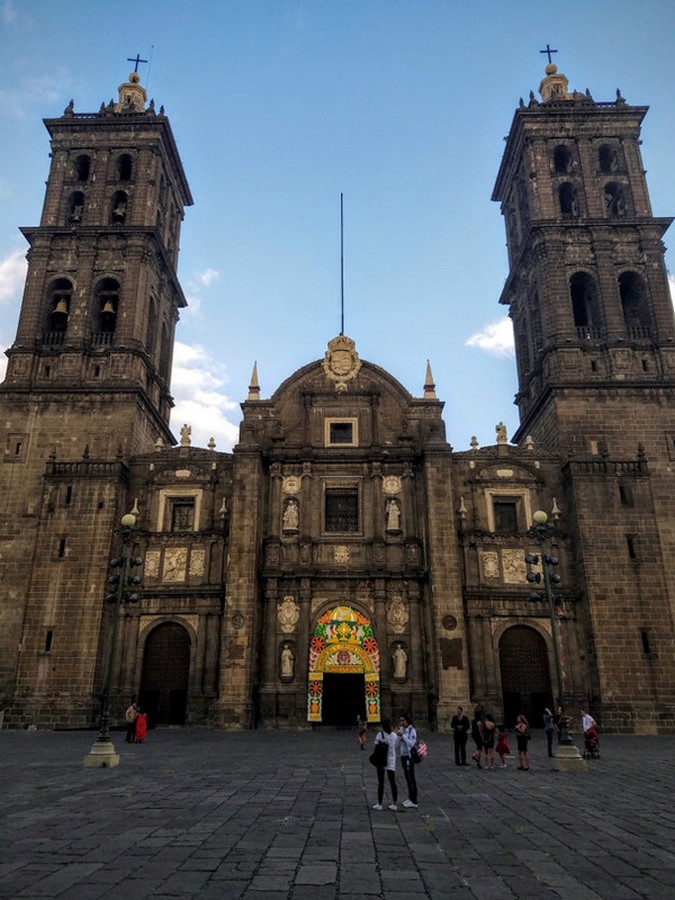
Cathedral de Puebla is one of the essential heritage centres declared as the World’s Heritage Site. Also known as the Cathedral of Our Lady of the Immaculate Conception is the place for bishops of the Archdiocese of Puebla. This cathedral is a blend of Herrera Resque-Renaissance and early baroque styles and is located at the southern edge of Zocalo de Puebla. At 69m, the towers are Mexico’s tallest.
With the brilliant interiors, the frescoes and the highly ornamented side chapels, this cathedral is a must-visit for architects who want a glimpse of Baroque Architecture at its best.
7. Murals in Xanenetla
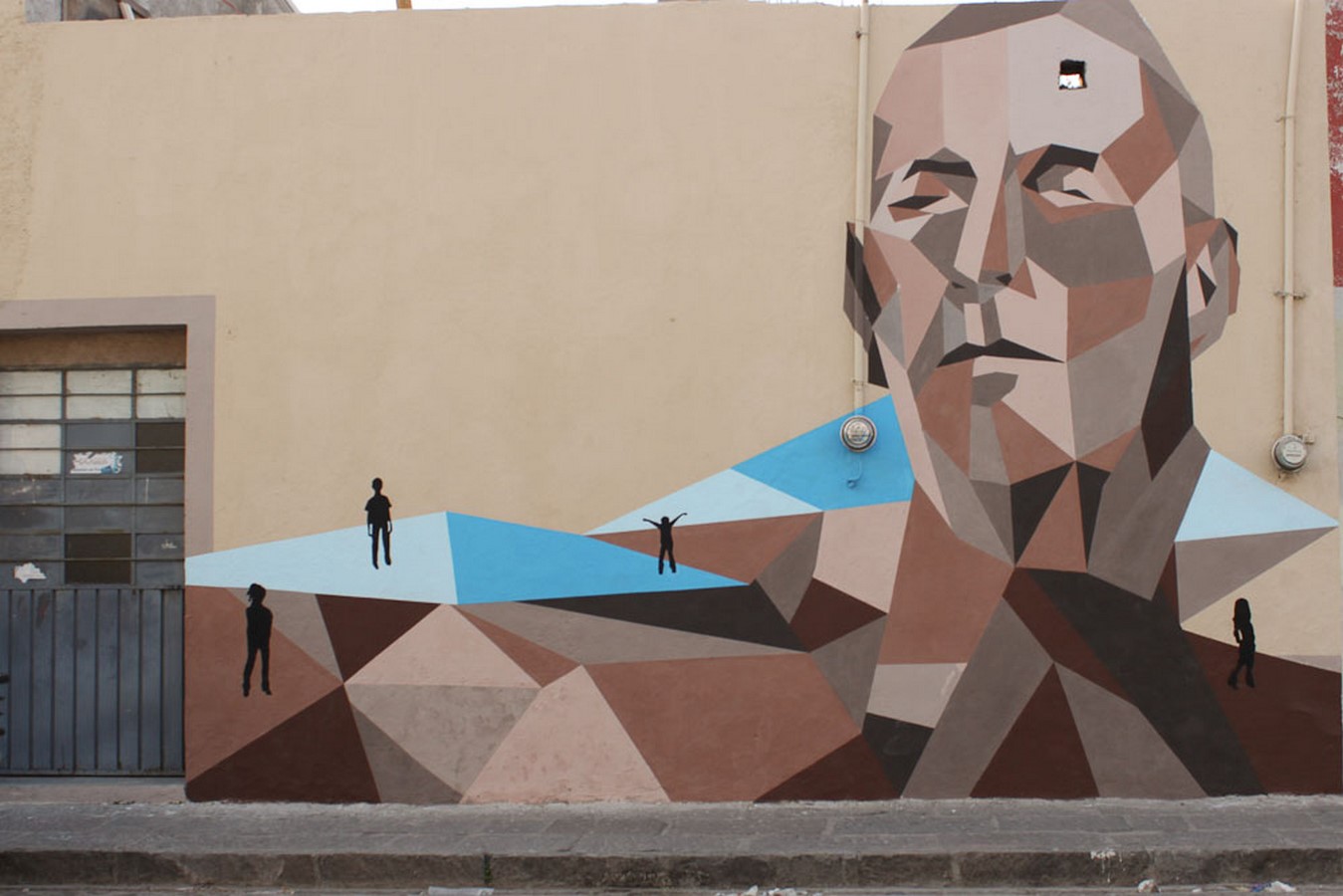
The murals in Xanenetla are a must-visit for architects and people who are interested in the arts. The murals have been painted on the facades of the people’s residential houses to create favourable conditions for people to live by dignifying the house facades and promoting muralism to create a link between the artists and the rest of the community.
These murals are on their way to becoming a tourist attraction spot that connects various international artists and improves the lives of people living there. Till now, 31 murals have been painted, and the goal is 52.
8. Callejón de los Sapos
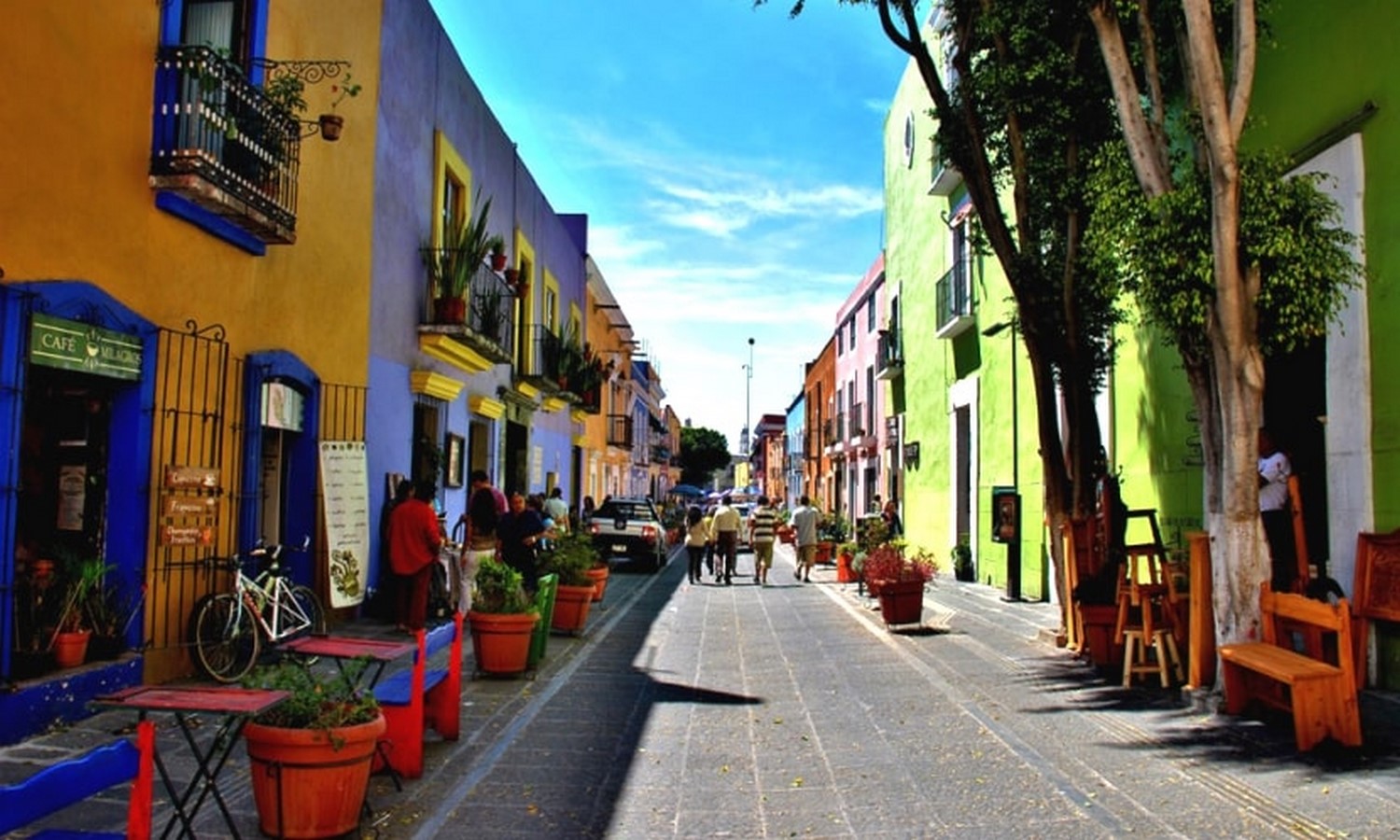
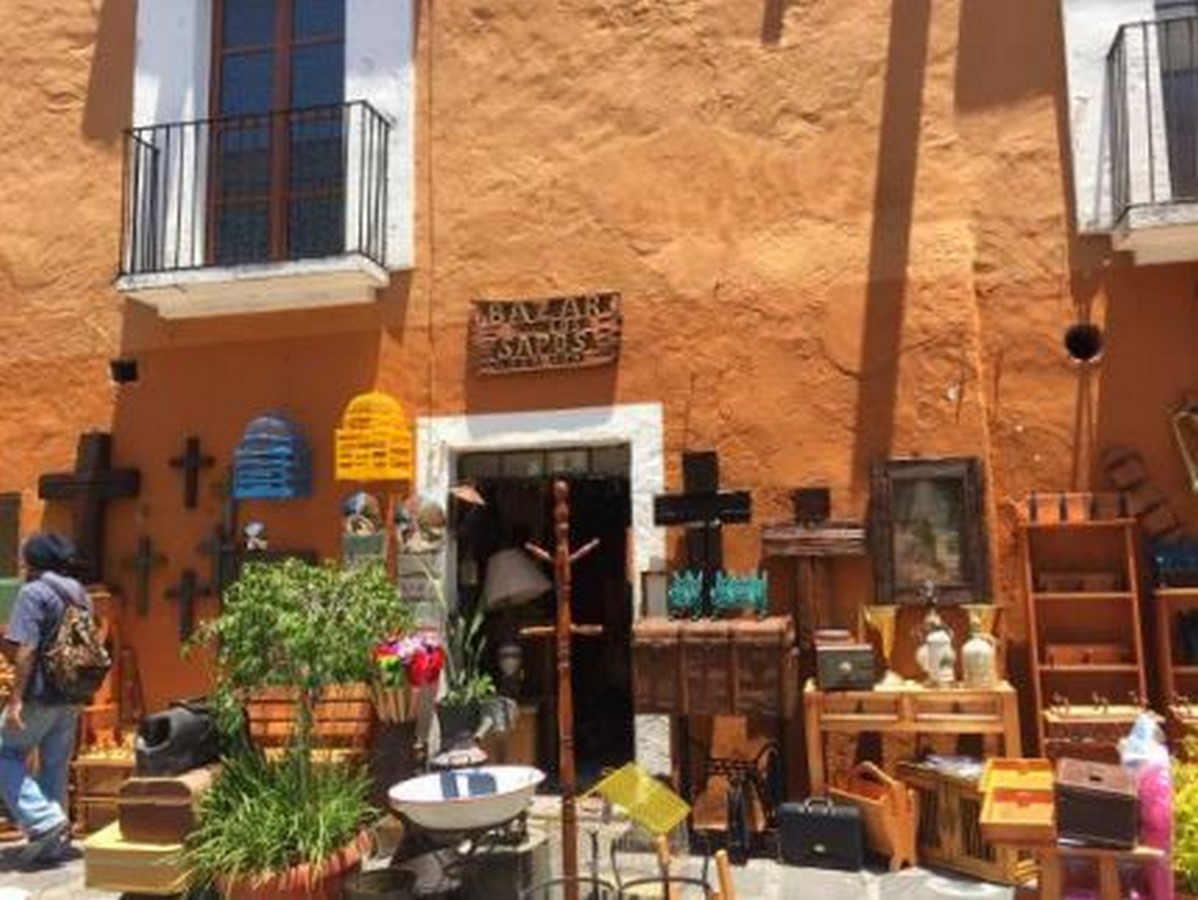
The beautiful coloured street of Callejón de los Sapos is one of the most delightful places in Puebla City. The street market has antiques, arts, handicrafts and many other objects on display for sale. Walking in this street will make you realize how colours can bring life to a space and make people’s lives more joyful daily.
The walk through this street is a traditional walk, and at night, this street is filled with music, bars and cafes welcoming people and encouraging them to have their best times.
9. Great Pyramid of Cholula
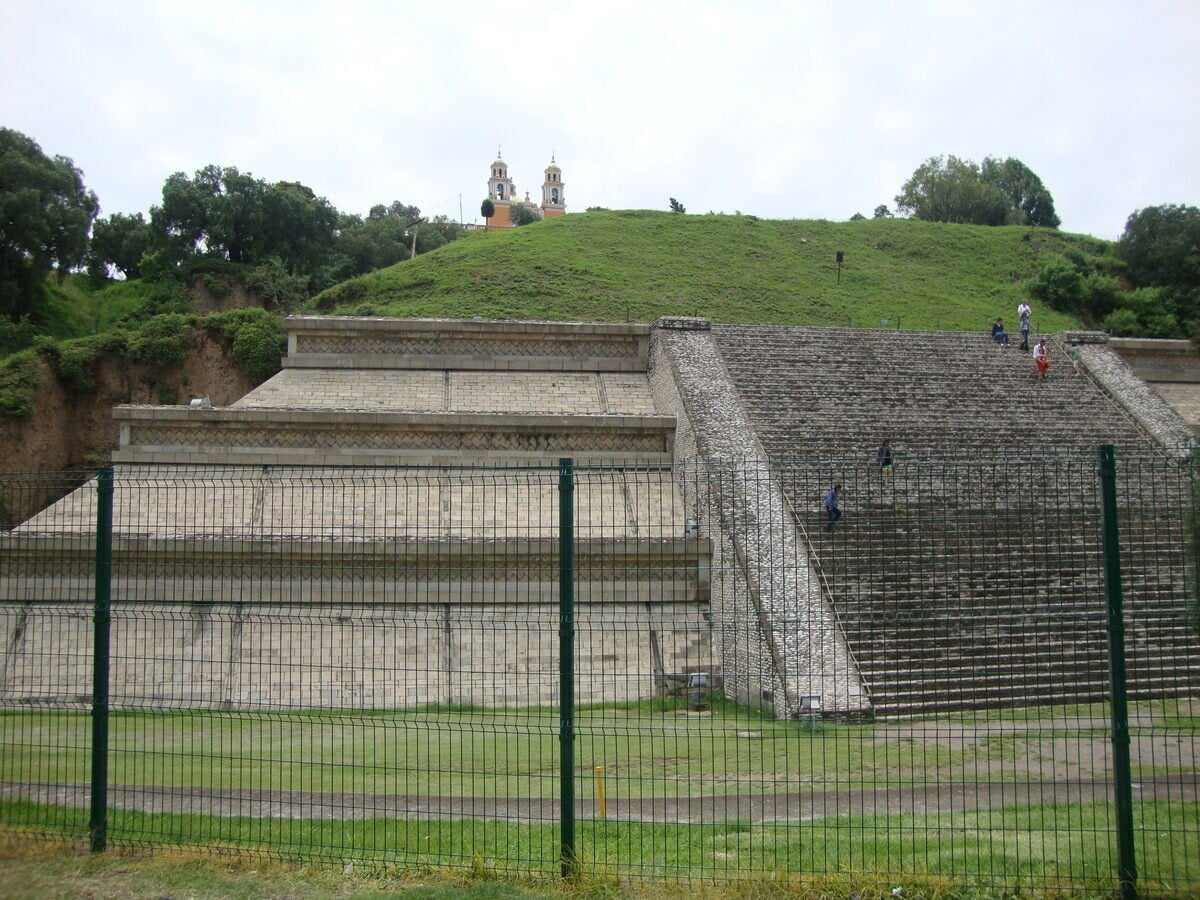
Around 10 miles away from the city centre, Cholula is a place to stop by. Due to the tall grasses and bushes growing around the wall, the largest man-made pyramid is hidden here on the hill. Originally constructed around 2000 years ago, the great pyramid of Tenapana, today known as the pyramid of Cholula, is a monument worth seeing.
This Aztec temple sits buried in the hill and is topped by a Spanish church on top. The pyramid is the replication of people’s belief in culture and provides a lot to learn about Teotihuacan and El Tajin civilizations.
10. Chapel of the Rosary
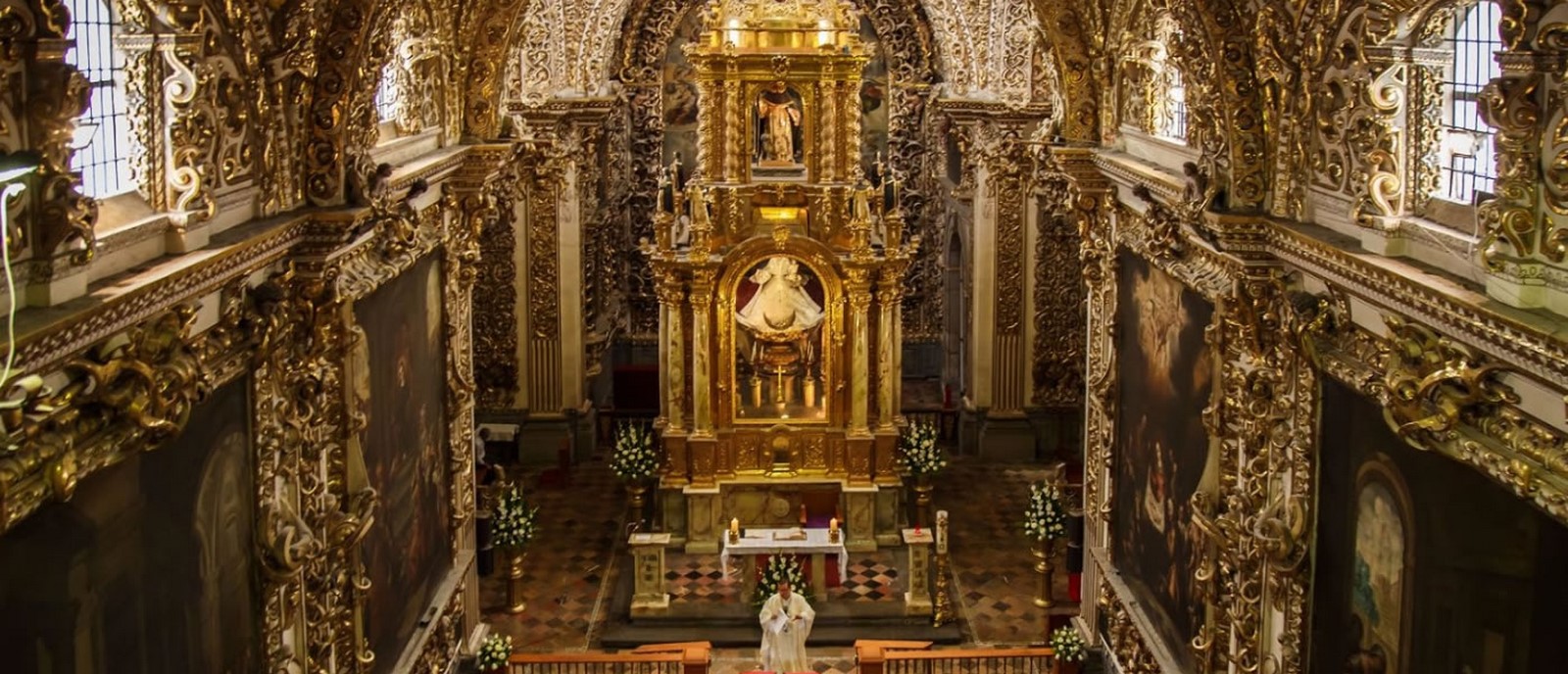
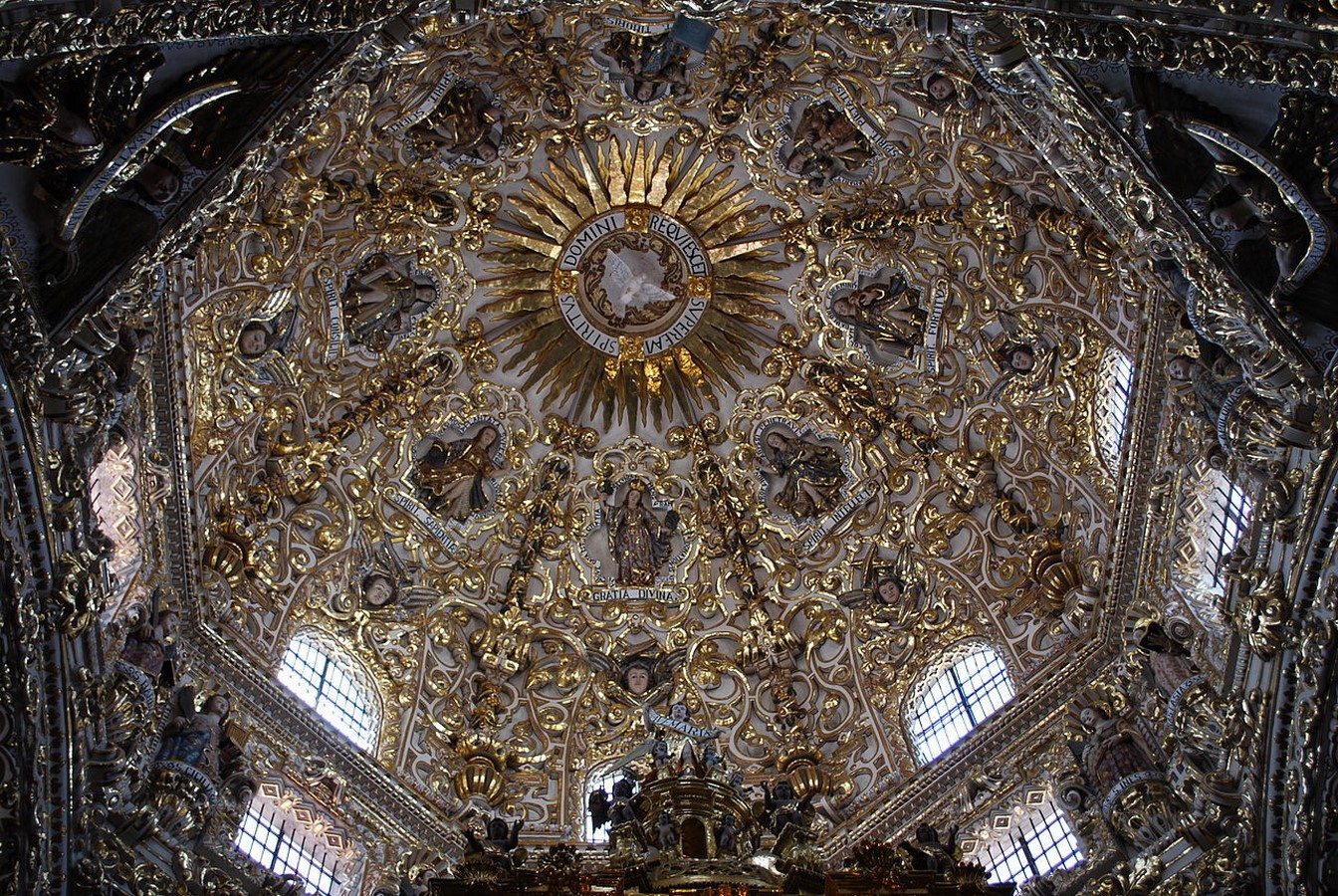
The chapel of Rosary attached to the temple of Santo Domingo is a work from the 17th century and is an excellent example of New Spain’s baroque architecture. The artistic & religious achievements are at their best in this chapel. The chapel’s interior is very majestic, and every corner is covered in gold stucco relief which gives it a religious feeling.
This magnificent chapel has many architectural details that an architect would love to know more about.
11. Temple of San Francisco
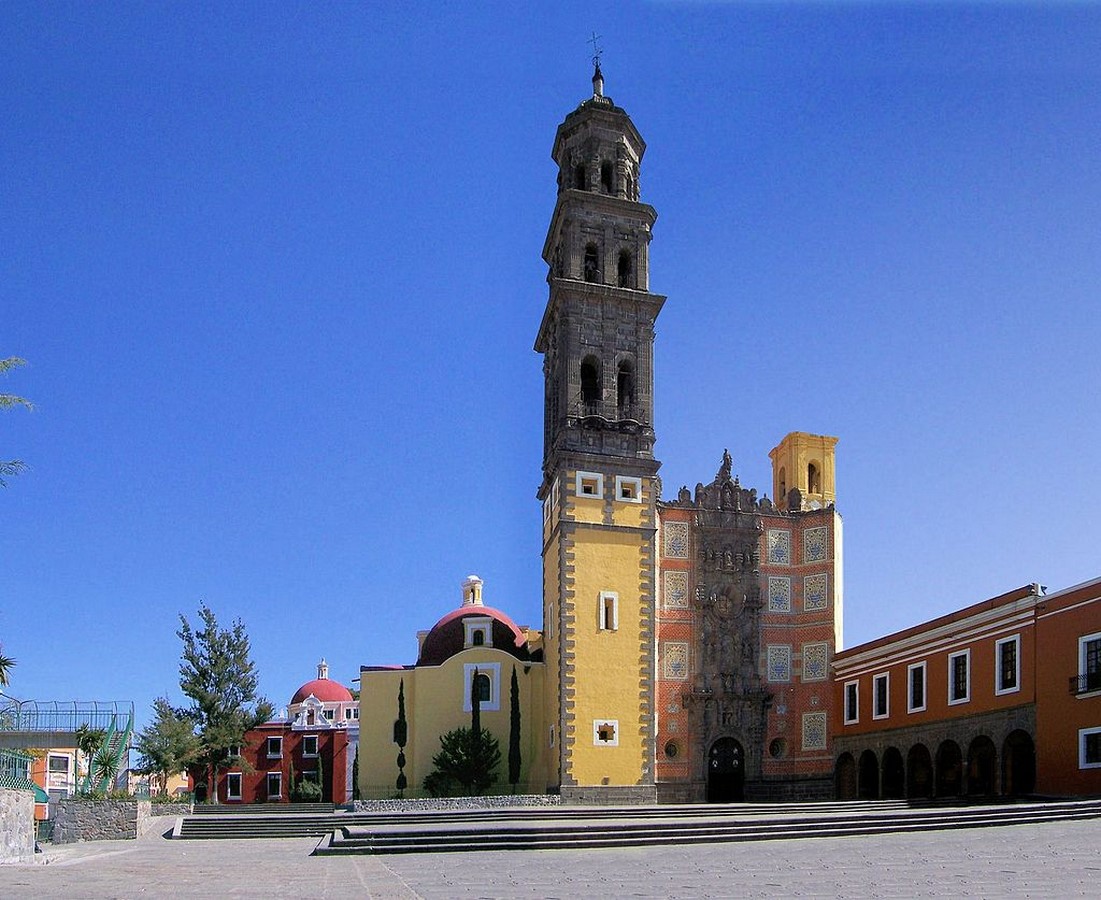
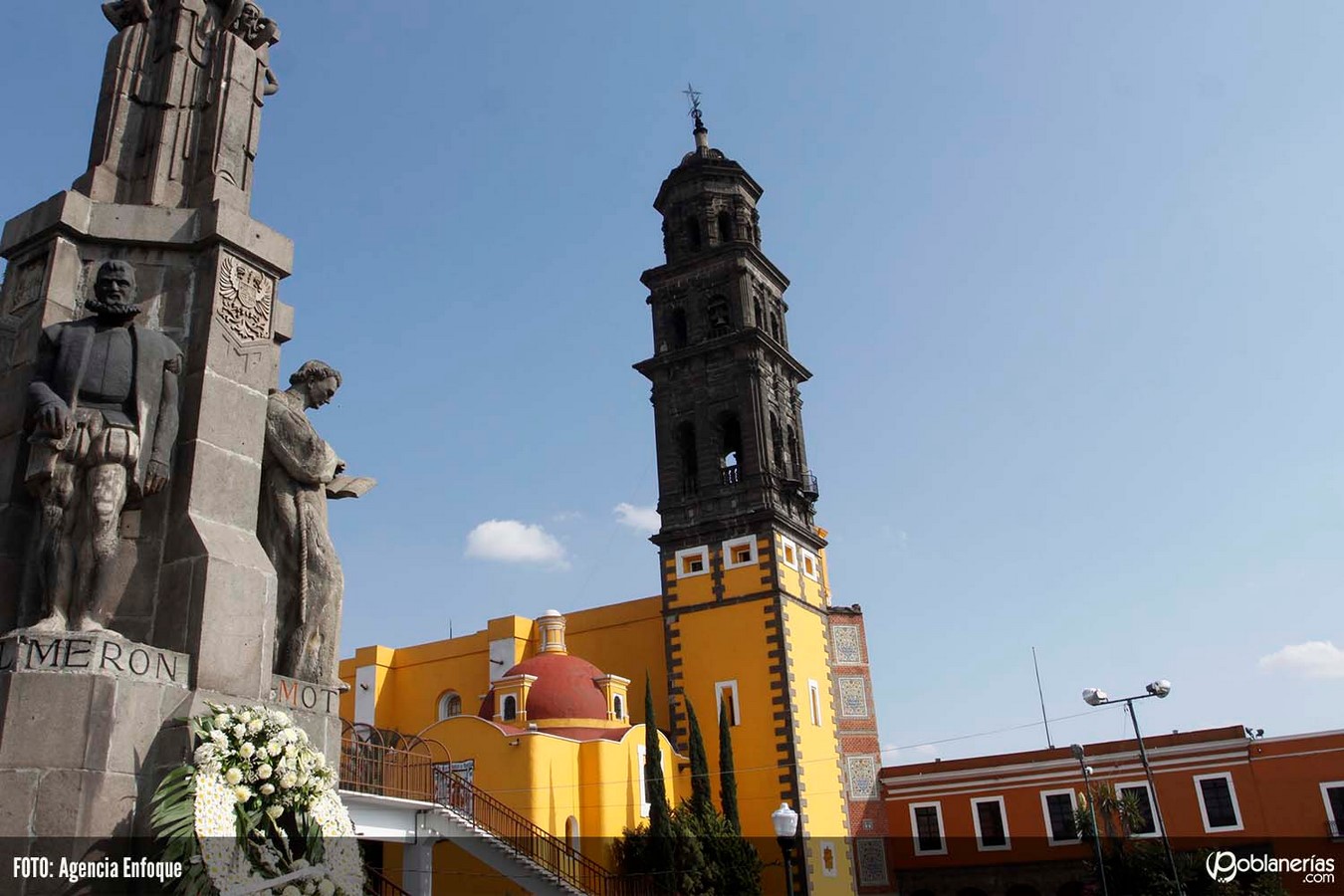
The temple of San Francisco is the first convent established in Puebla, and this Franciscan convent is linked to the origin of the city of Puebla. This temple has undergone several architectural and artistic reforms over time, and it is one of the most important examples of neoclassical renovations. It is glazed with earthenware Talavera boards, quarry, red bricks and tiles. The temple is also a must-visit for architects as it is an excellent example of monuments that underwent many renovations.
12. Ex Convento de Santa Monica
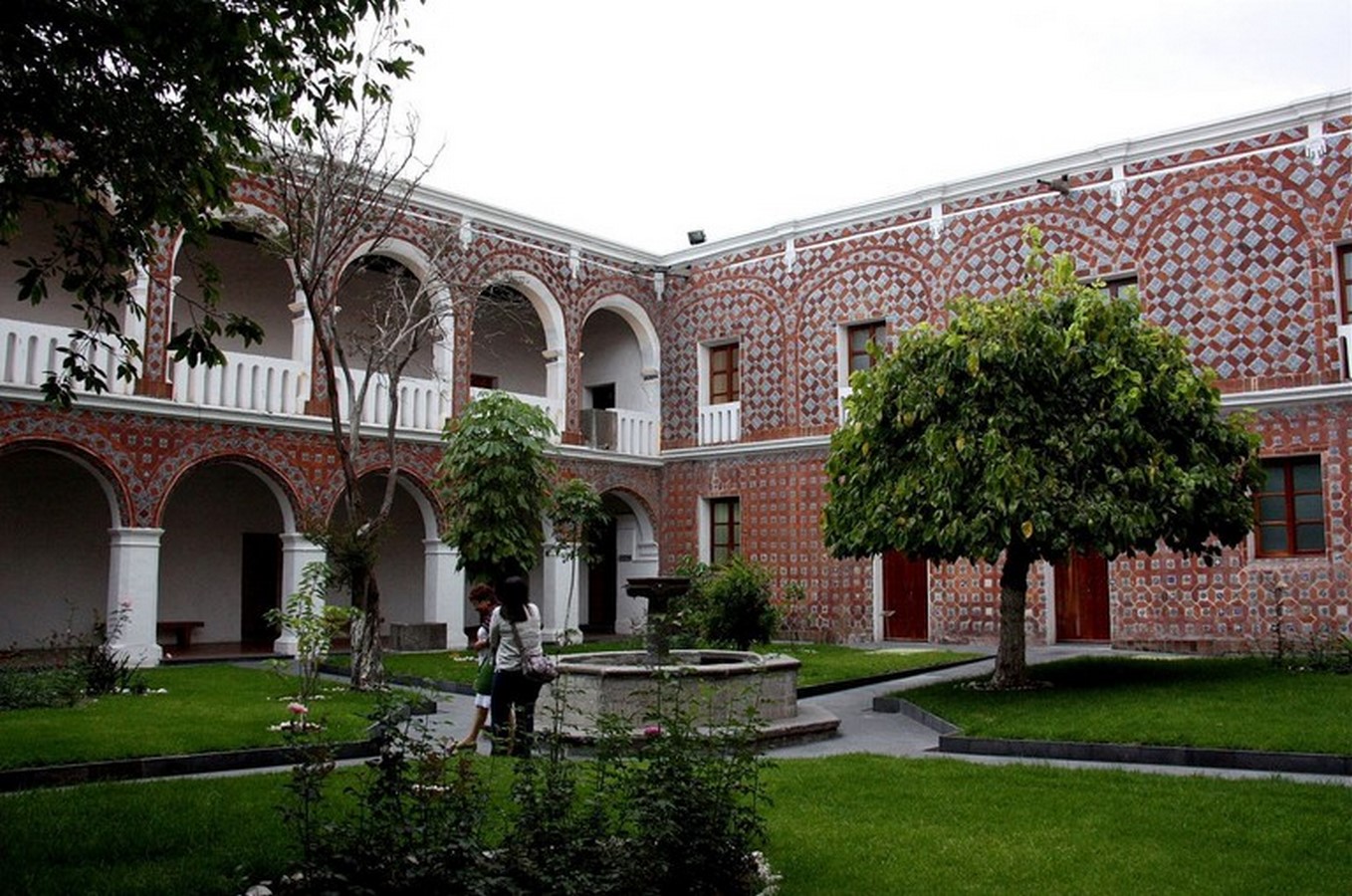
The Santa Monica Museum of Religious art is an ancient convent and church where nuns used to live. This convent was later converted into a museum housing many arts, artefacts and sculptures of nuns’ lives in that era. The facade is made with the Talavera tiles, which is very traditional to the people living here.
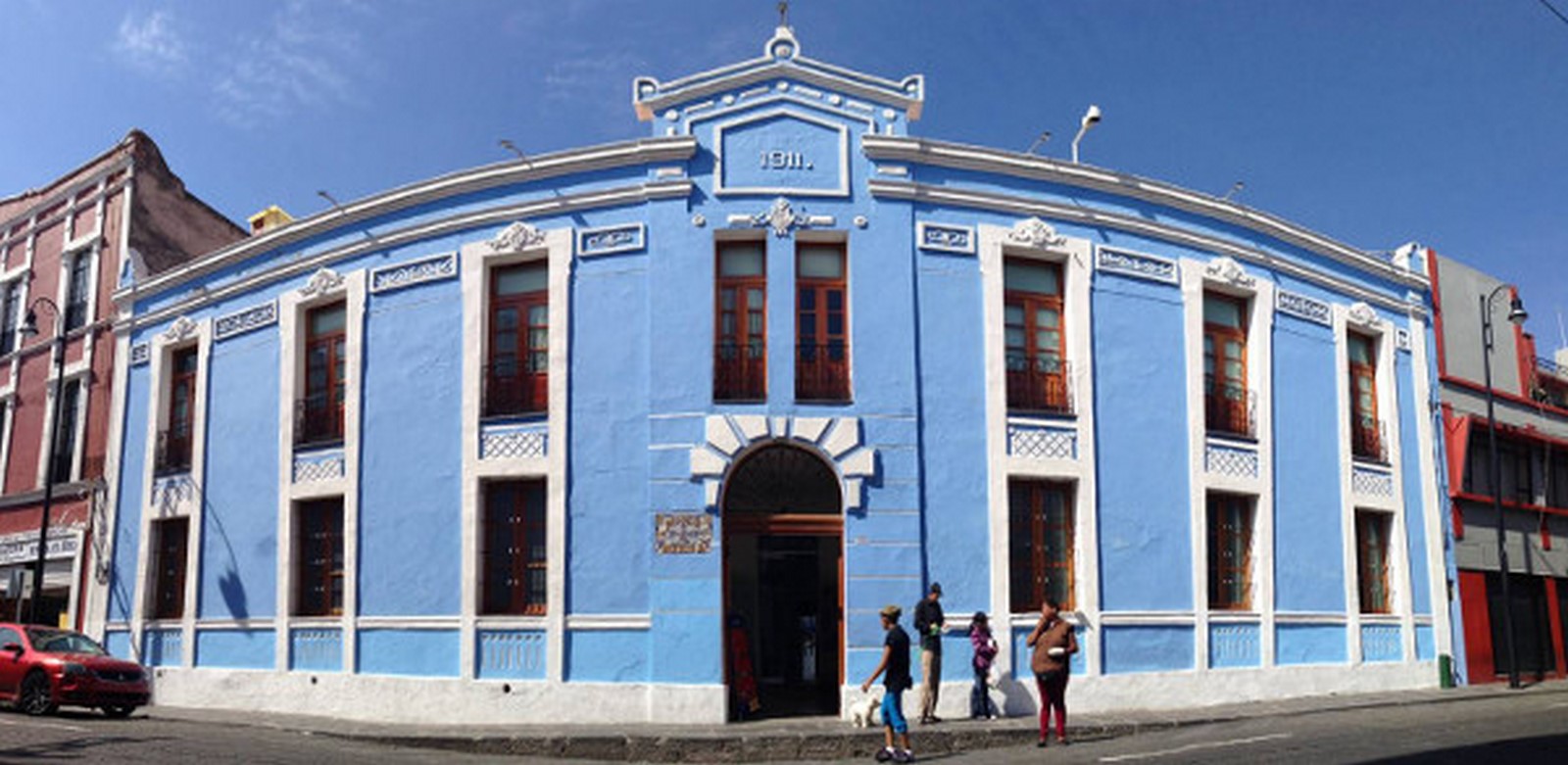
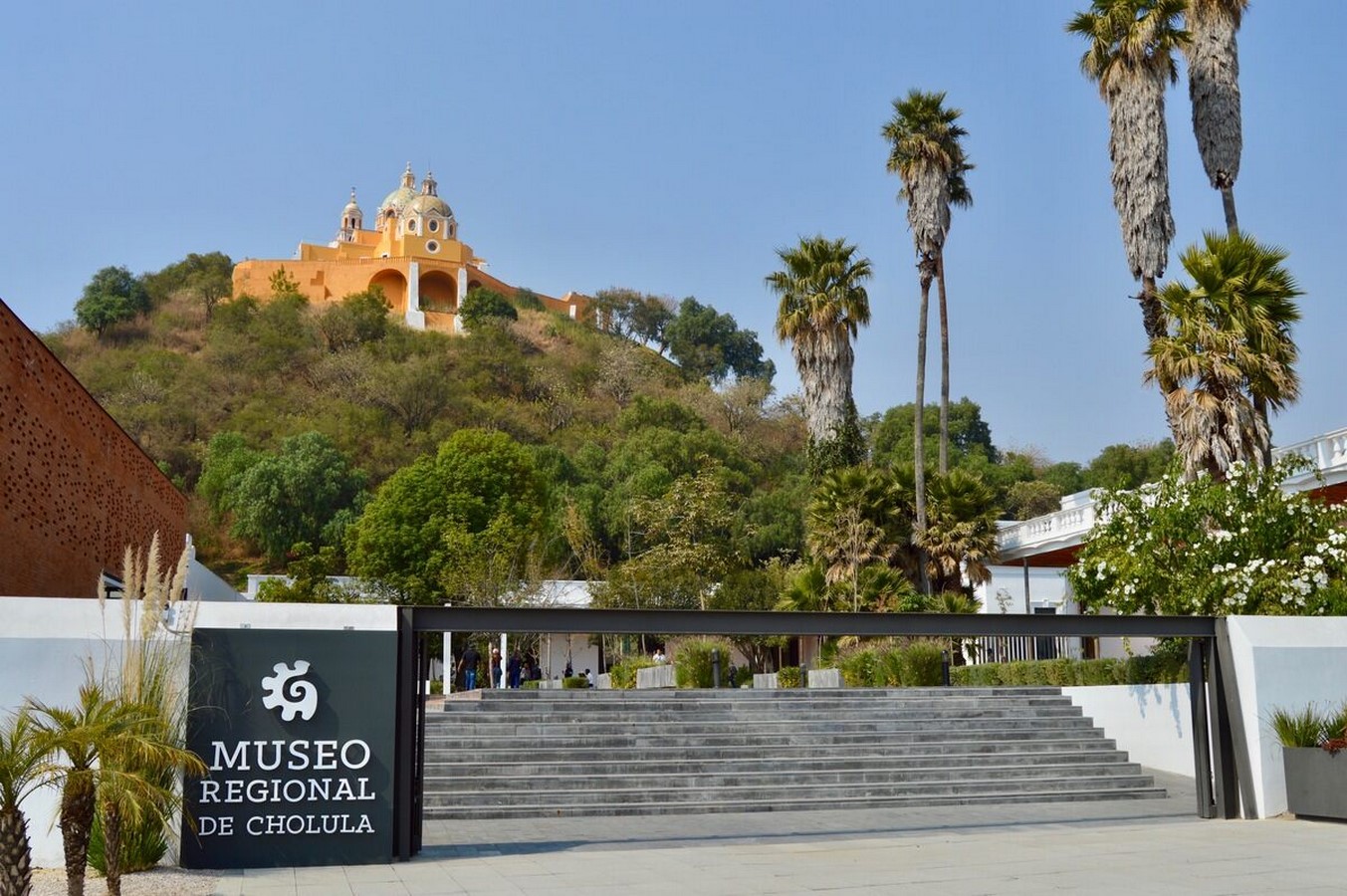
13. Puebla Regional Museum, Mexico
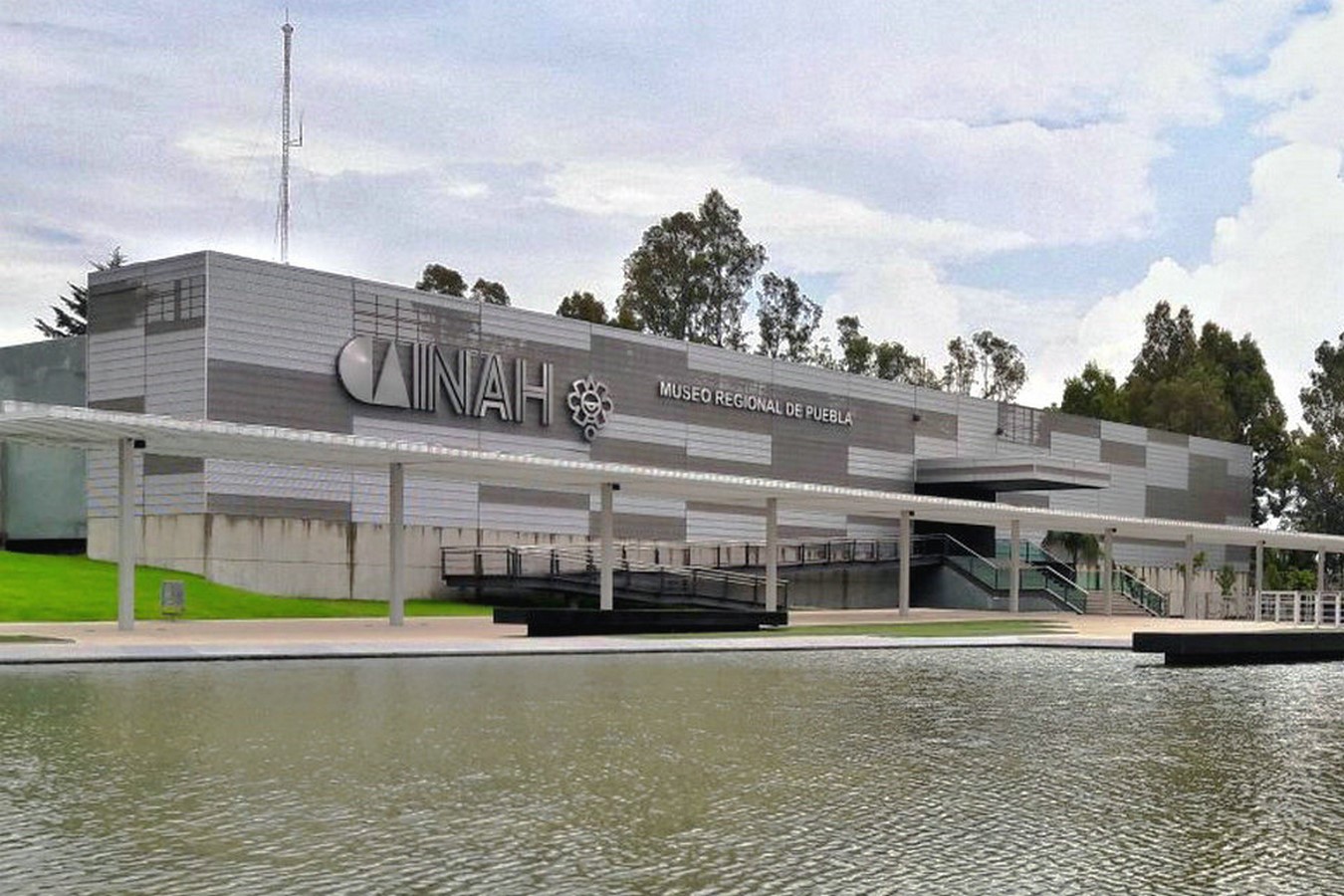
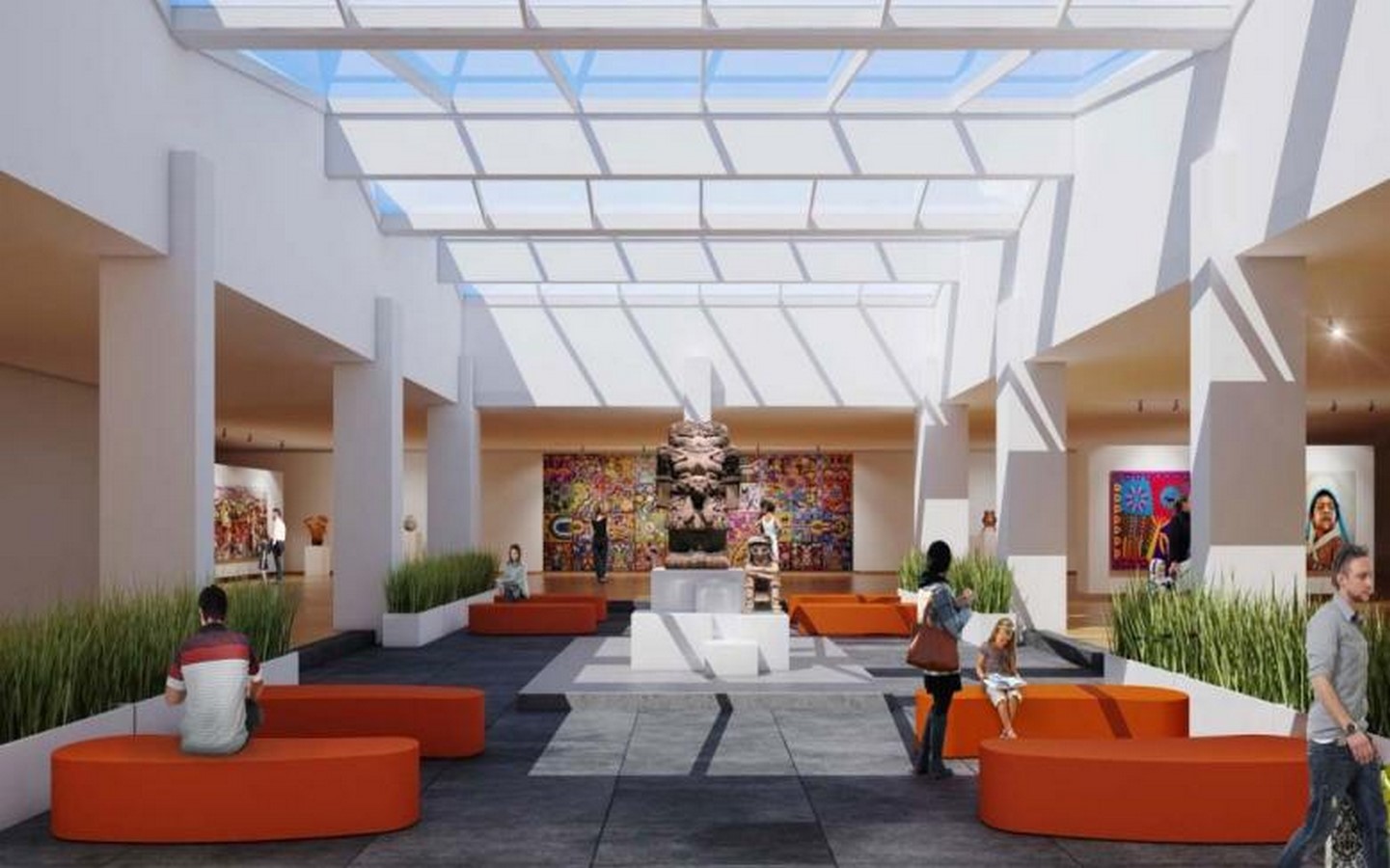
Being a building with the influence of Modernist architecture, the museum has a vast collection of cultural arts and antiques. The buildings have a very different aesthetic appeal from the rest of the city. The area has an immense historical, cultural and social replication of the city and thus can be in the centre of the city. Various parts of the museum depict the life of people in various eras in the city.
14. Regional Museum of the Mexican Revolution
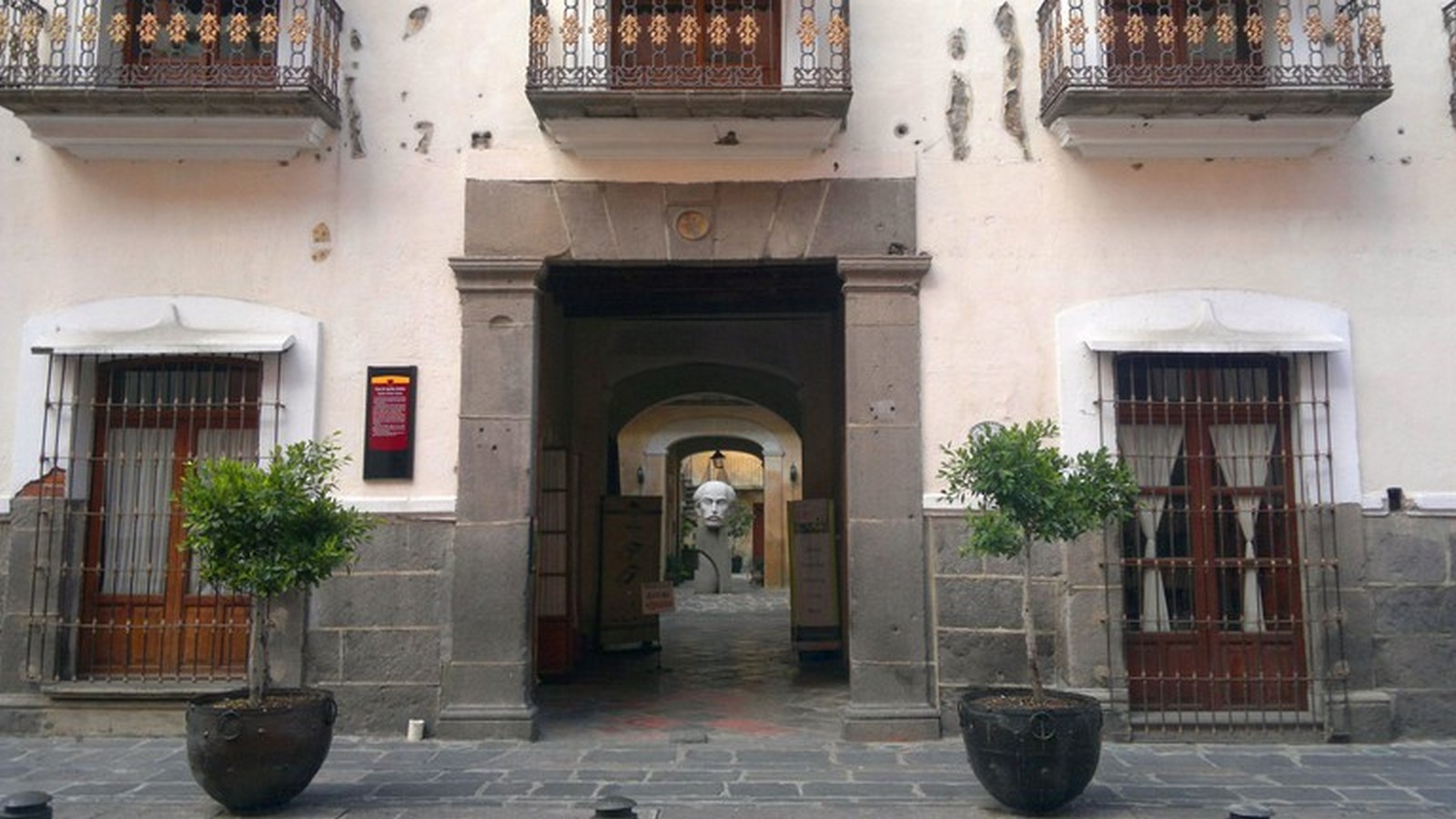
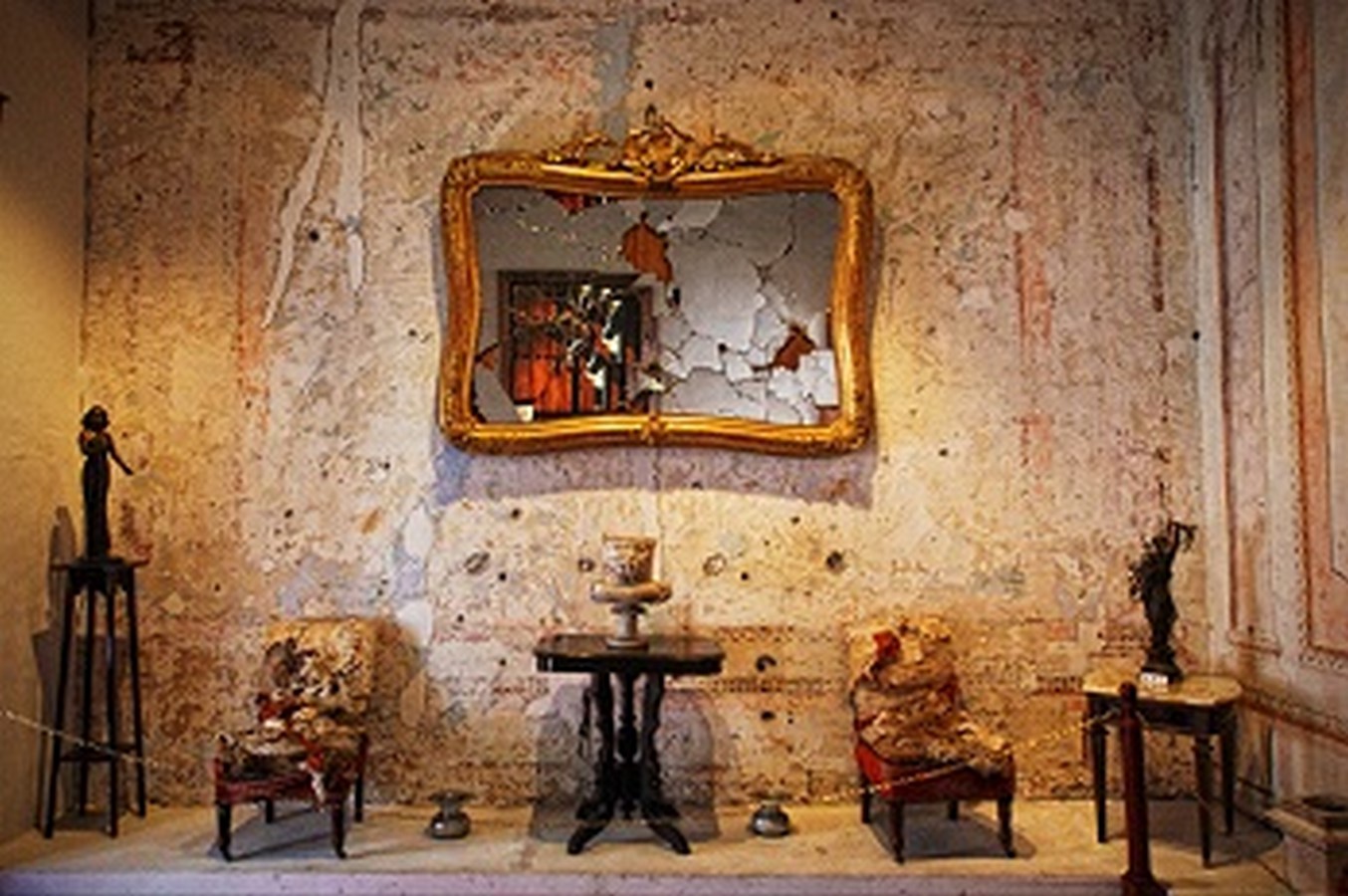
The House of Sedan brothers or the Regional Museum of Mexican located in the Historical Centre of the city Puebla, Showcases the materials and collections related to daily life and the historical deeds of the Serdan Alatriste family. Though this house was built in the 17th century, it still has the decorations and ornamentation of the late 19th century. This house is a must with a visit for architects interested in historical art and sculptures.
15. Museo de Arte Popular Poblano
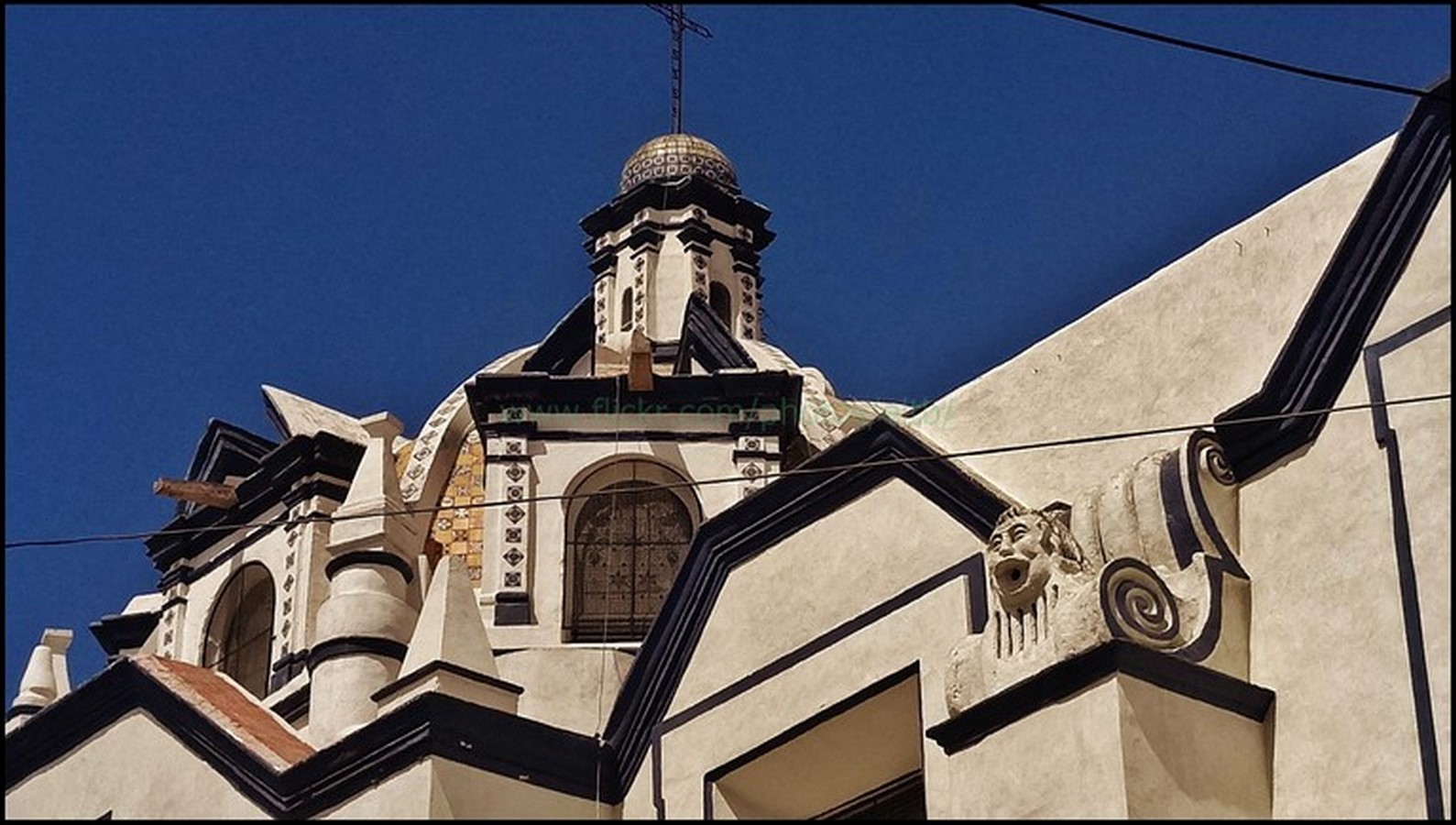
The Museo de Arte Popular Poblano is located inside the ex Convent of Santa Rosa and has an exquisite art collection from all across the Puebla. The museum showcases over 13,000 brilliant pieces of Pablona art and also houses many of the arts, antiques and jewellery of the ancient nuns that lived there once. The ingenious use of tile works and pottery skills in the kitchen has invented the famous mole Poblano.