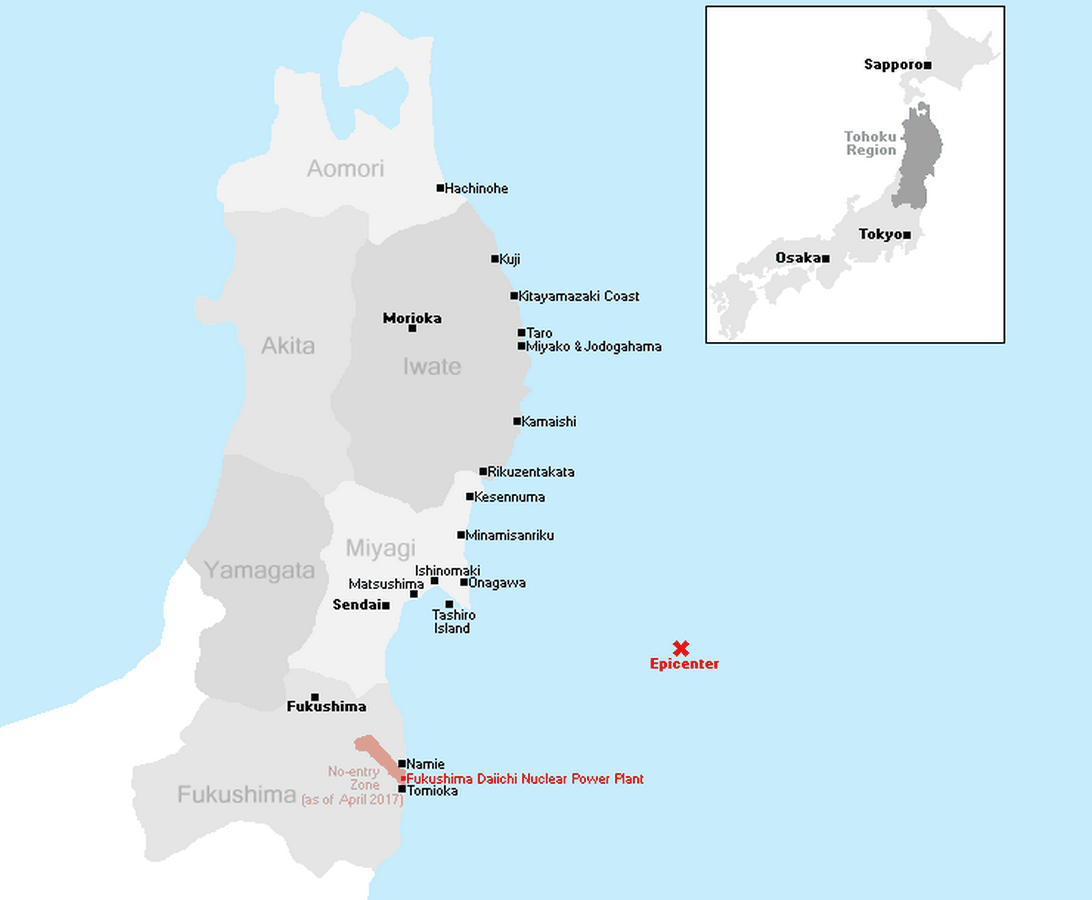
MinamiSanriku is a small town in the northeastern corner of Miyagi Prefecture in Japan. Shizugawa, Togura, Utatsu and Iriya are the four districts that together make MinamiSanriku. It is famously called the “resort town” or “forestry town” for its topographic features. This region is the heart of Japan’s seafood industry. The population of the town was 17,429 in 2010 according to the demographic survey, which is almost 12% lower than the year 2000.
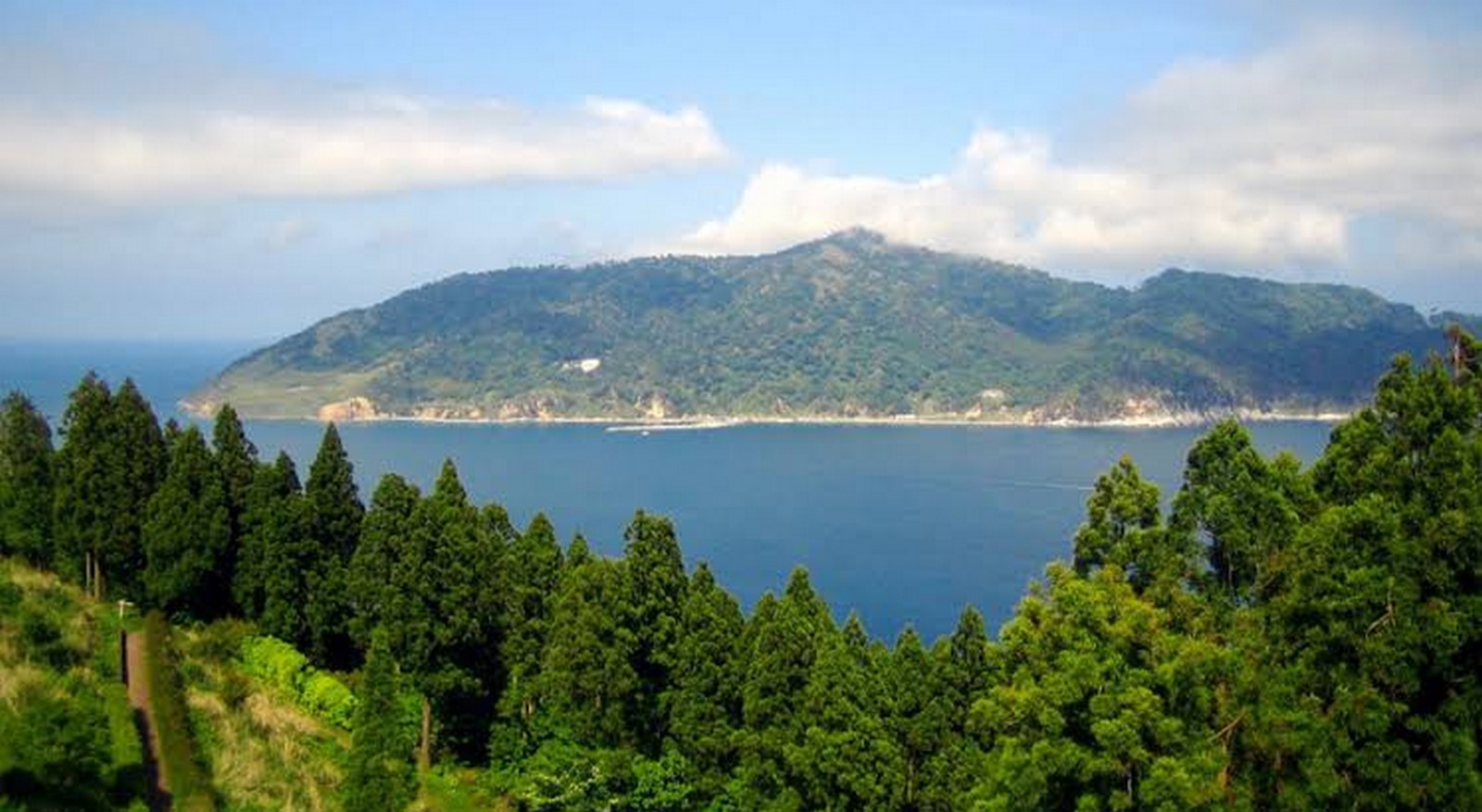
MinamiSanriku City is a harmony of ocean and mountains. Approximately 70% of the city is forest land. The coastline is edged with mountains that plunge into the ocean, covered with hundreds-year-old cedar trees. The favourable soil conditions in the red ion help them grow for hundreds of years. The fog and the wind from the ocean with wealthy minerals contribute to the strong and healthy trees.
The mountain ridges of MinamiSanriku connect adjacent cities. Obandaira is one such preserved National forest overlooking the Ria coast, in the mountains of Tokugawa district. The magnificent grasslands, huge mountains covered with deciduous broad-leaved forest, and the panoramic view of the coast are enjoyed by the people.
History of Disasters
MinamiSanriku has suffered from the effects of tsunamis since ancient times: the 869 Sanriku earthquake, the 1896 Sanriku earthquake, the 1933 Sanriku earthquake, 1960 the Chile earthquake and the 2011 Tohoku earthquake.
During the 869 Sanriku earthquake around 1000 people were killed overall and the tsunami had caused extensive flooding in the Sendai plain. It is determined that the wave reached at least 4km inland destroying the town and its castle. The damage has been mapped with dated deposits of sand from the 8th and 9th centuries beneath the present town. It is closely matched with those of the 2011 Tohoku tsunami.
On June 15th 1896, the people along the Sanriku coast were celebrating the return of soldiers from the First Sino-Japanese war. The 1896 earthquake resulted in two consecutive tsunamis which destroyed 9000 houses and caused 22000 deaths overall. Most deaths occurred in the Miyagi Prefecture. As it was the practice of the fishing community to gather at the sea in the evening, that was when the tsunami hit the shore causing more deaths.
The Chile earthquake during 1960 caused a tsunami that crossed the pacific and struck Shizugawa with extensive damage. It resulted in the construction of harbour walls for two-storey height in 1963.
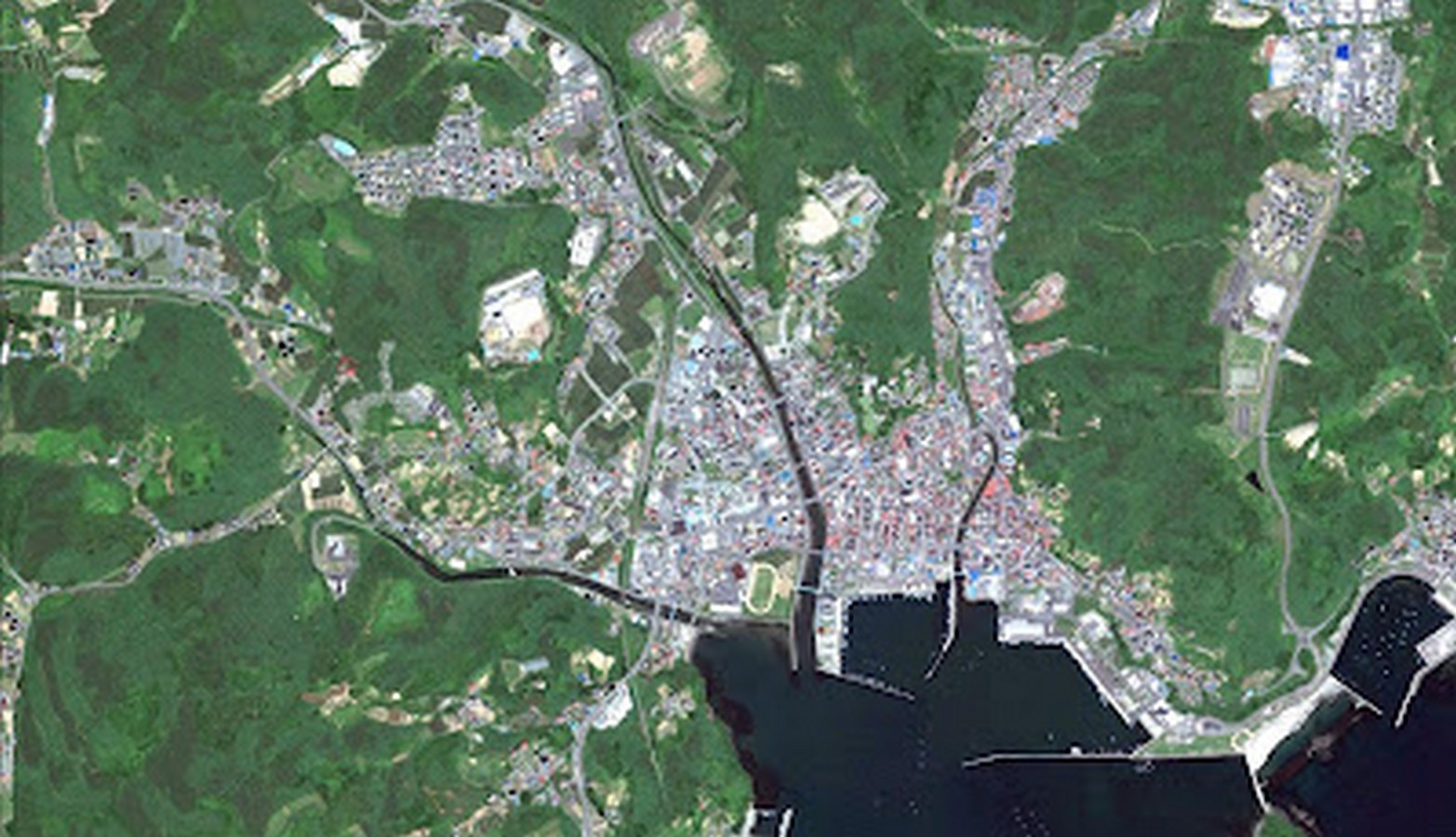
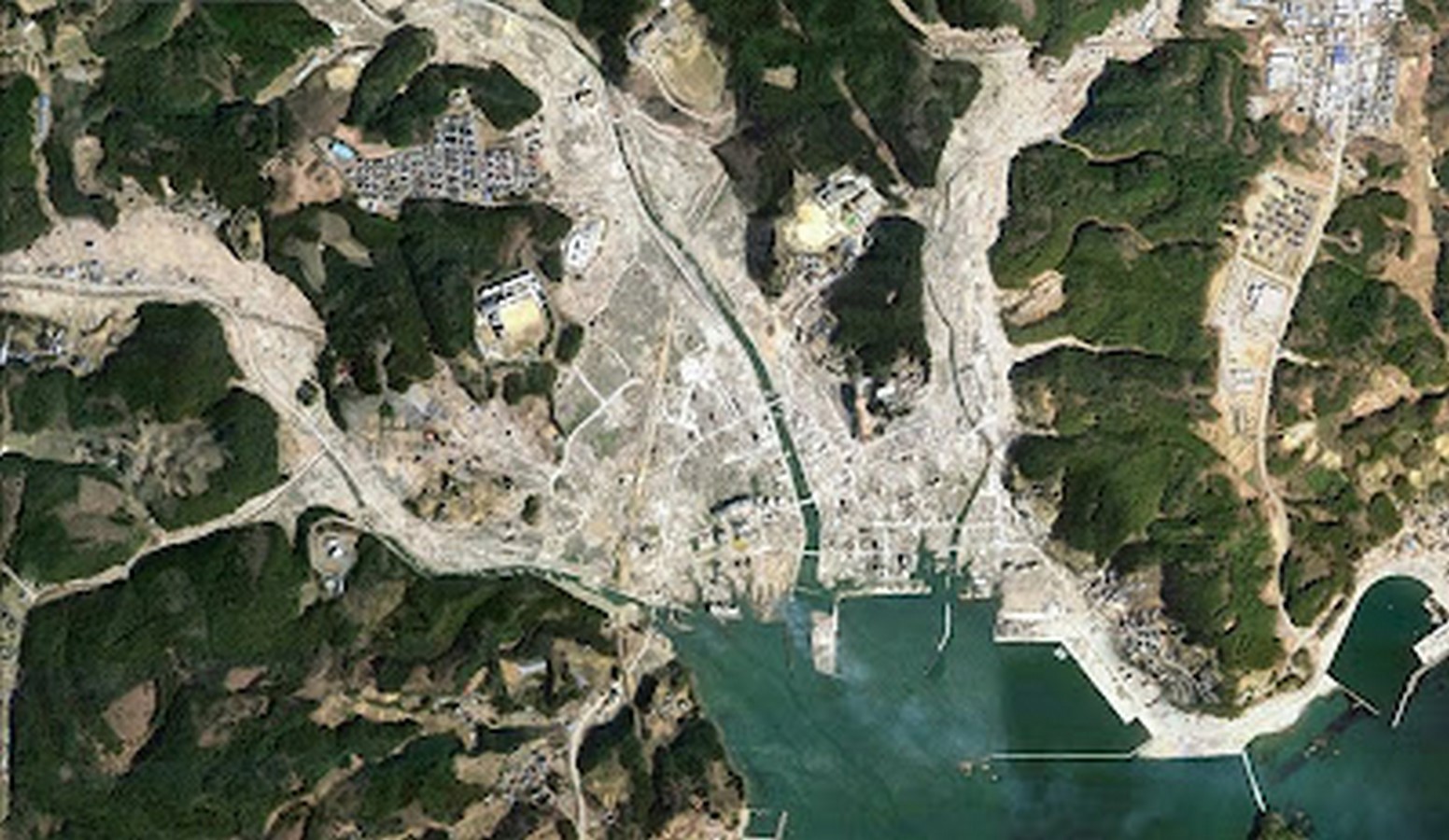
The 2011 earthquake caused tsunamis that were more deadly and destructive than the earthquake. The unexpected surge of water killed a thousand in Minami and left 9500 missings. The harbour wall proved ineffective. Even the designated tsunami evacuation sites were hit by the wave. Almost 846 children were left orphaned but safe in the school as it was a working day. Almost no structure survived the tsunami waves for its intensity. The city’s hospital was one of the few structures left with minimal damages, yet most of the patients did not survive.
The disaster had a huge impact on the demographics, the shrinking population with 12,500 people and people moving to big cities. A damage characteristic and field survey of the 2011 tsunami has concluded that soft countermeasures like experience and education to reduce loss of life are needed. Hard countermeasures like properly designed coastal structures for survival are to be designed. The combination of both is necessary for optimising the outcomes of the disaster when reconstruction is considered for better countermeasures in the future.
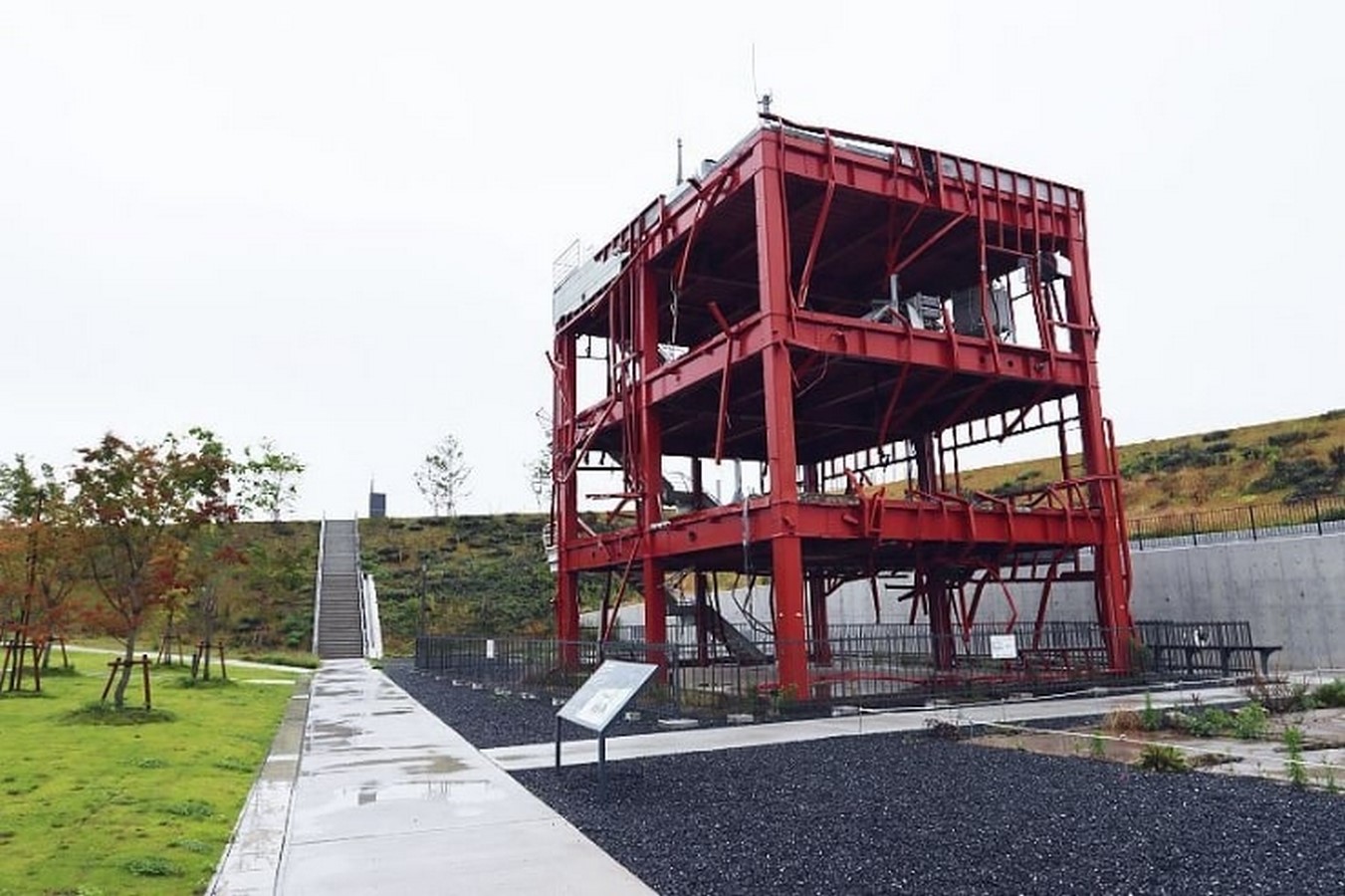
43 workers died after their constant effort warning and evacuating people from the city. Only two of the workers were able to make it clinging to the antenna of the building. It stands as a painful memory and the hard work of the people who cared for their loved ones. The site also has the foundation of buildings that were in the region as nothing was left to preserve as a memory.
In a predominately visual profession, Suvetha Arun who is a self-practicing architect and an architectural lifestyle blogger, desires to enlighten architecture through her writings. Keeping the traditional essence of architecture in her research and practice has made her stand out. She strongly believes in practicing what she preaches.
We use cookies to ensure that we give you the best experience on our website. If you continue to use this site we will assume that you are happy with it.