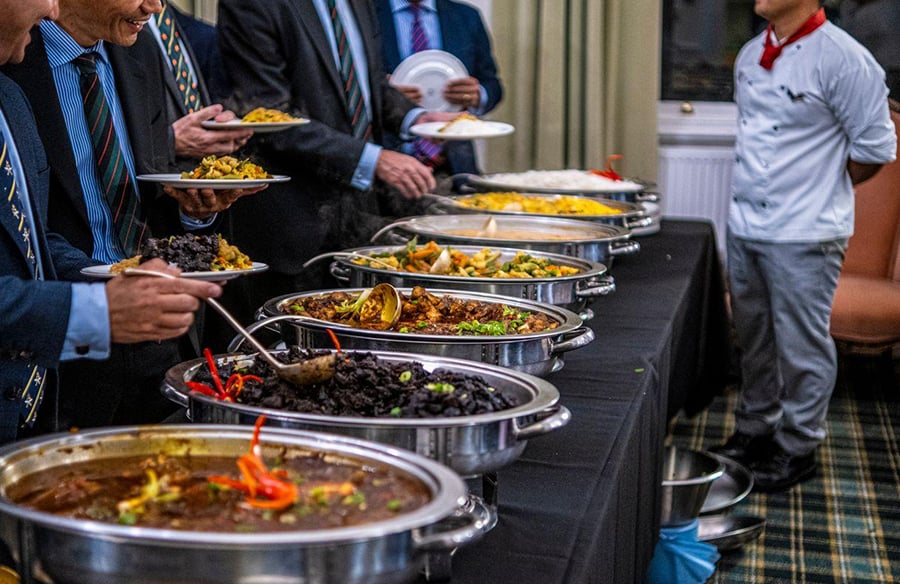
Food does more at a work event than fill plates. A good lunch keeps a long meeting on track. A polished reception helps a client feel valued. A well-run staff party shows your team that you appreciate them.
But corporate catering is not one-size-all. A boardroom lunch, a client reception, and a holiday party each need a different menu, service style, and level of planning. This guide walks through how to plan each one in Toronto, so your event runs smoothly and your guests leave happy.
Start with the Purpose of the Event
Before you look at menus, ask a simple question: what should this event achieve? You might want to close a deal, welcome new clients, thank your staff, or simply keep a team energized through a full day of sessions.
The answer shapes everything else. It decides how formal the food should be, how much service you need, and how much to spend. Settle on your guest count, date, venue, and budget early. A caterer needs these details to build a proper proposal.
Meetings and Working Lunches
Meetings need food that is easy to eat, arrives on time, and does not slow down the agenda. Breakfast spreads, boxed lunches, sandwich platters, and grazing boards all work well. People often eat while they talk, so choose dishes that can be handled without fuss.
Timing matters just as much as the menu. Confirm the delivery window well before the start time, and ask who will set up the food before guests arrive.
It also helps to think about balance. The Canadian Centre for Occupational Health and Safety recommends that workplaces include healthy choices whenever lunches or drinks are provided at meetings. Its suggestions include fresh fruit, veggie cups, whole grain breads, and water. You can read more in its healthy eating at work guide. A balanced menu is a simple way to help people stay focused through the afternoon.
Client Receptions
A reception is all about first impressions. Passed canapés, food stations, and cocktail service suit this kind of event, because guests can eat easily while standing and talking.
Service staff make a big difference here. Good servers greet guests, pass trays, clear plates, and keep the room moving without crowding anyone. Presentation matters too. Tidy displays and thoughtful stations show that you care about the details.
Think about floor flow as well. Place stations so guests can move naturally and do not form long lines. Your caterer should be able to advise you on layout based on the venue and guest list.
This focus on spatial arrangement and guest movement mirrors the principles of architectural design, where the flow and experience within a built environment are paramount. Just as a well-designed building guides its occupants, thoughtful event layout enhances interaction and comfort.
Choosing the Right Catering Partner
Not every caterer is set up for business events. You want a team that handles timing, delivery, and service with the same care as the food itself.
When you compare options for corporate catering Toronto companies rely on, ask whether the team can scale from a simple office delivery to a full-service reception. elle cuisine is one example. Its corporate service covers boardroom meetings, office breakfasts and lunches, conferences, and receptions. For larger events, its team can also provide service staff, bar support, rentals, and on-site coordination. Tastings can be arranged for bigger or more complex events, which gives you a chance to refine the menu before the day.
Staff Celebrations
Holiday parties, milestone dinners, and team wins call for a more relaxed approach. The goal is to help people enjoy time together, so aim for food that feels generous and welcoming.
Interactive formats can add energy. Live stations, hands-on cooking classes, and shared tasting menus give colleagues something to talk about. If part of your team works remotely, consider boxed or delivered meals so everyone can join in, even from home.
The shift to remote work has transformed how we view and utilize home spaces. Designing for comfort and functionality in a home office, or even staging a dining area for a virtual team meal, reflects a growing awareness of how personal environments impact professional engagement.
Keep your whole team in mind when you plan. A celebration works best when every person can eat well and feel included.
Dietary Needs From the Start
Toronto workplaces are diverse, and your menu should reflect that. Some people are vegetarian or vegan. Others avoid gluten, eat halal, or manage food allergies.
Ask about these needs early. A short question on the RSVP or invitation is usually enough. Share the answers with your caterer right away so dishes can be planned and labelled clearly. When dietary needs are built into the menu from the beginning, no one has to ask for a special plate or feel singled out.
A Simple Planning Timeline
A little structure keeps everything on track. Here is an easy way to approach it:
- Define the goal, guest count, date, and budget.
- Contact your caterer as early as you can, especially for larger events.
- Collect dietary needs and share them with the team.
- Confirm setup details, such as building access, loading areas, and timing.
- Give the caterer a final headcount close to the event date.
Following these steps leaves less room for last-minute surprises.
Final Thoughts
Great corporate catering supports the purpose of your event. Whether you are feeding a meeting, hosting clients, or celebrating your team, the right menu and the right service make a lasting difference. Start with your goals, plan for your guests, and choose a partner who understands the pace of business. A little preparation goes a long way toward an event people remember for the right reasons.