Sazo Idemitsu was 80 at the time when he founded the Idemitsu Museum of Arts in 1966.
Over the course of more than 70 years, Sazo Idemitsu, who developed one of Japan’s greatest petroleum businesses, collected a considerable art collection and established the Idemitsu Museum of Arts to display it. This Museum, like the rest of Tokyo’s best private museums, is the result of decades of acquisition and accumulation. The exhibition makes advantage of Sazo Idemitsu’s 15,000-piece art collection, belonging to a petroleum magnate.
History
In 1983, the first significant exhibition of Japanese art to visit Australia was only from this museum. The exhibition toured Australia for a year to foster cultural links between the two countries, as mentioned in the book “Japan: Masterpieces from the Idemitsu Collection”.
Examining Sazo’s life is fascinating because he built his petroleum company in one of the most challenging international industries, brought it back to life after it had completely collapsed following World War II, and always upheld strong moral and paternalistic values. However, he was also a significant philanthropist who amassed a sizable collection for the benefit of the general public. According to legend, Sazo was a crafty and adamant person who would not give up until he got his way.”Sazo Idemitsu gathered for the next three-quarters of a century, until his death in 1981 at the age of 96. He bought large pieces whenever he could afford them, leaving a legacy of significant historical artefacts for subsequent generations. He was a near-genius collector who preferred the big, a lot, and typical. He was always on the lookout for the best products of their sort since he knew where to find them. The late Idemitsu said when the Museum initially opened its doors in 1966, “Because a museum is a work of art made by the public, the presence of Japanese originality and beauty is essential. Its most important task is to continue collecting art treasures, not only for current education but also to preserve the artworks for future generations.”
Art work
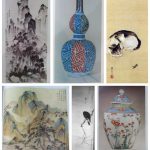
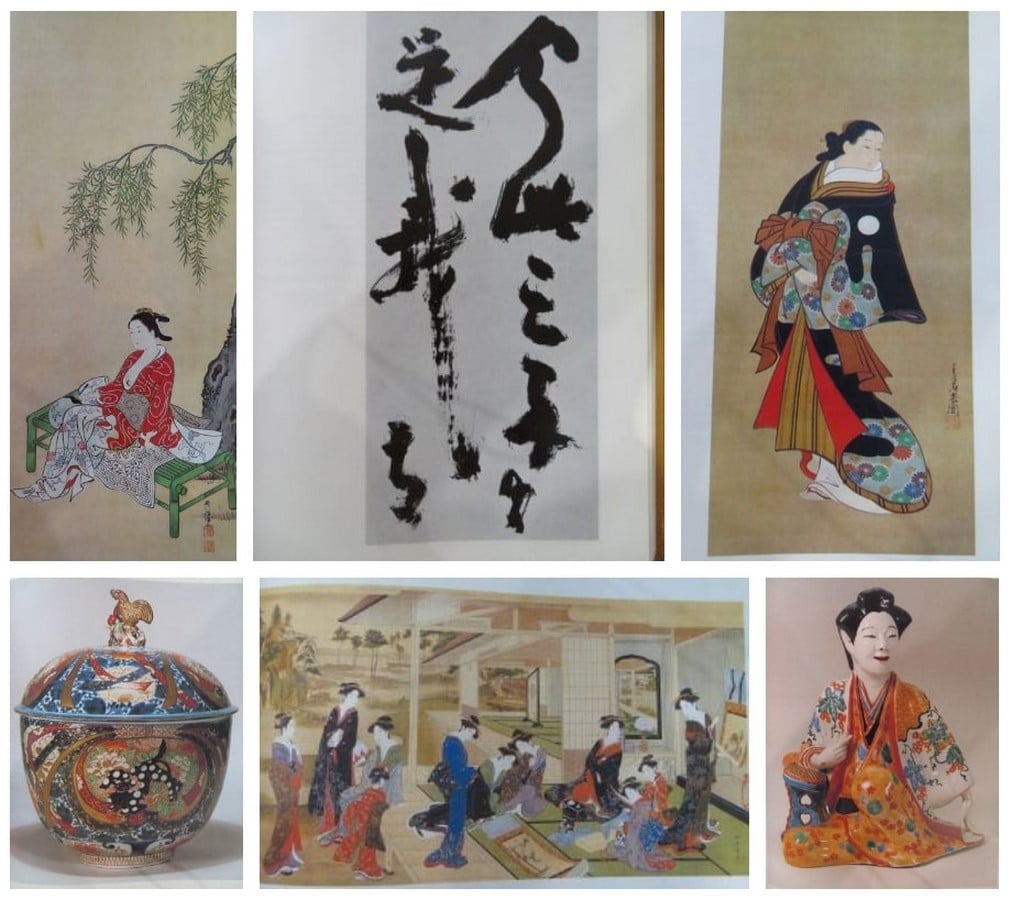
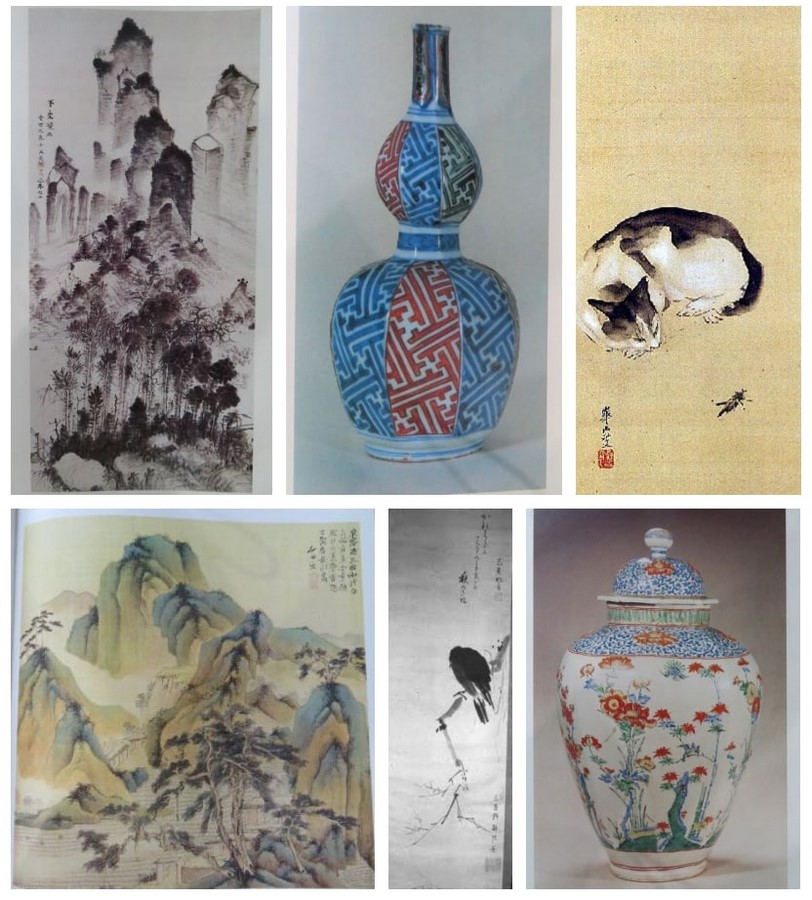
Sazo Idemitsu accumulated the Idemitsu Collection of Eastern Asian antiques over a period of 70 years.
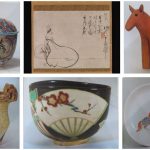
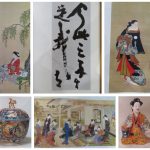
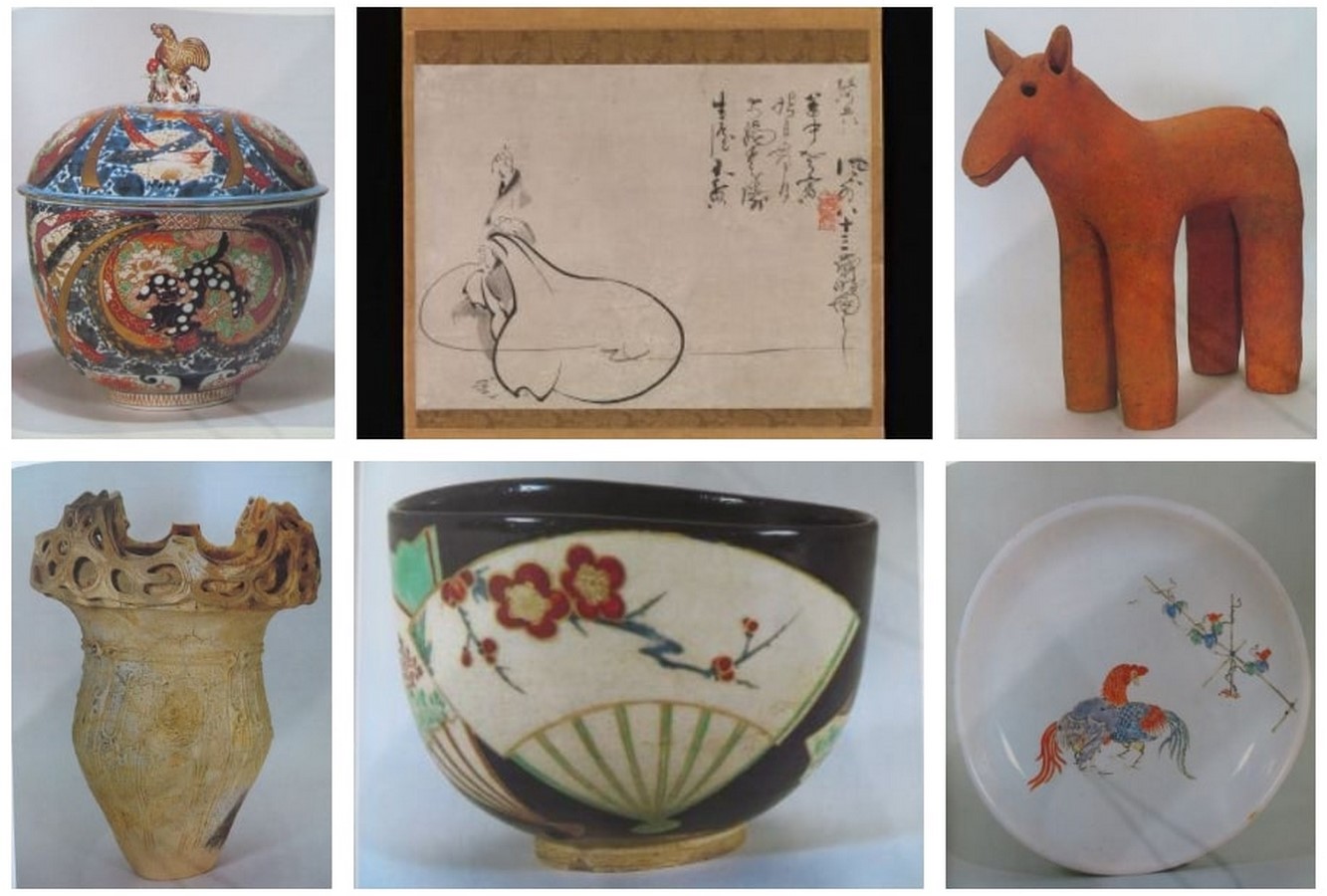
The traditional Eastern works on display include Japanese paintings (Yamato-e, rimpa, bunjin-ga, ukiyo-e, and works by Sengai and modern painter Kosugi Han, among others), calligraphy, Chinese and Japanese pottery, and East Asian ceramics (Chinese, Japanese, and Korean wares, and works of modern potter, Itaya Hazan, etc.). Western painters’ works are also included in the collection (Georges Rouault and Sam Francis).
Each year, five to six exhibitions with a variety of topics are held.
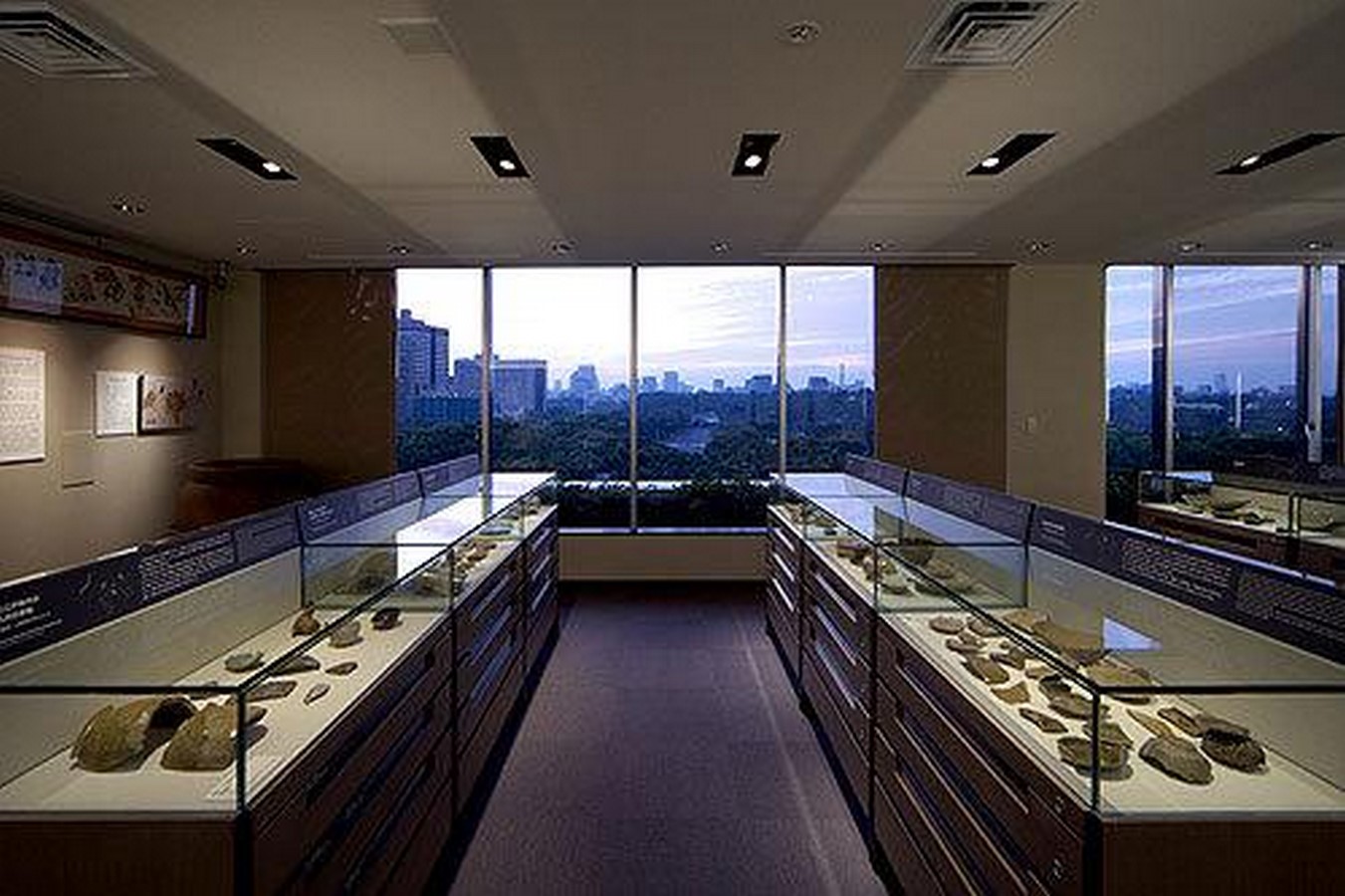
Other attractions include the museum’s separate display room, which is known for its collection of ceramic fragments from Asia, the Near and Middle East, and an ongoing exhibition of notable works by Georges Rouault.
In total, there are around 15,000 artefacts, including two National Treasures and 54 Important Cultural Properties.
Architecture
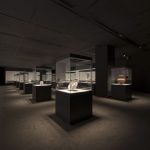
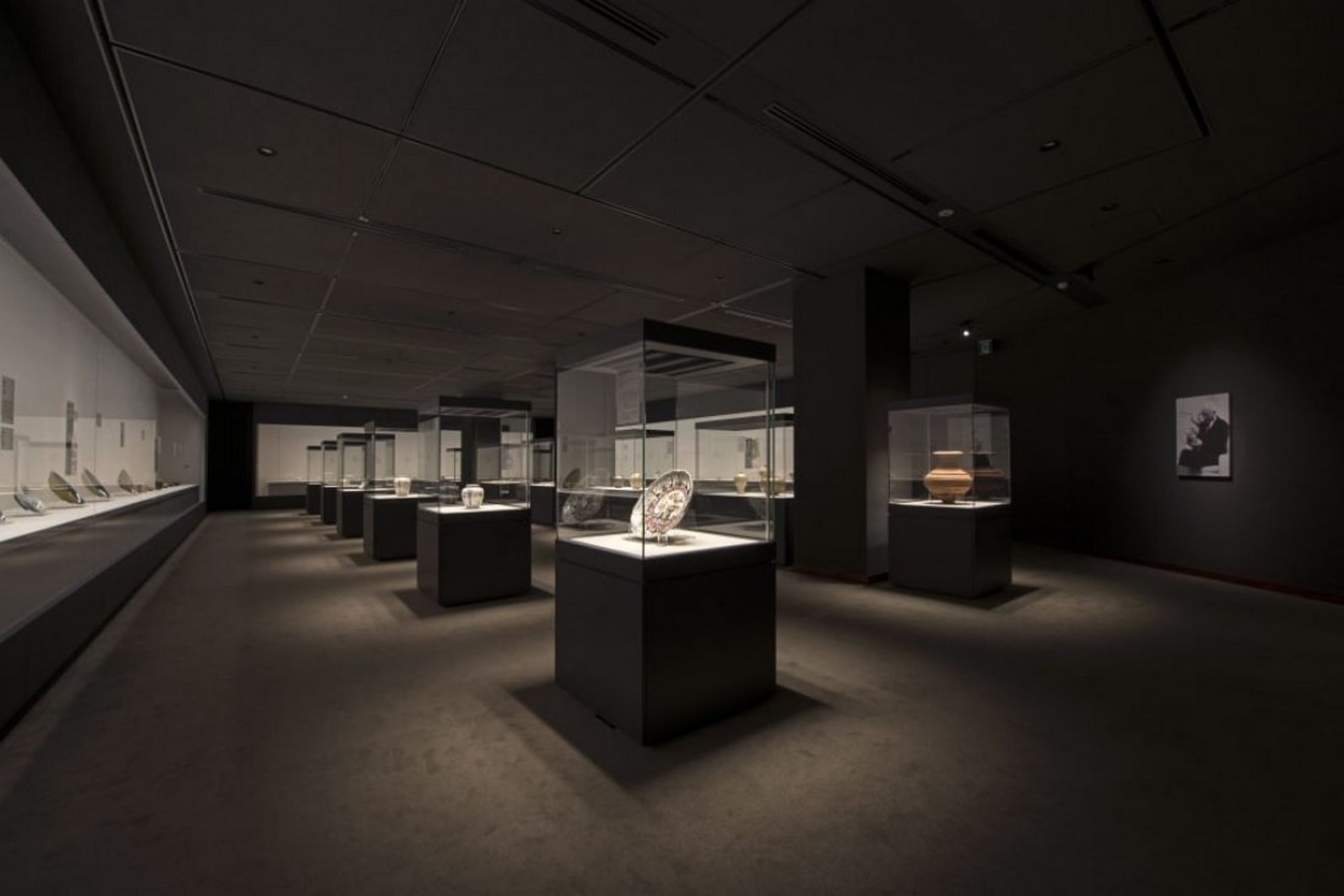
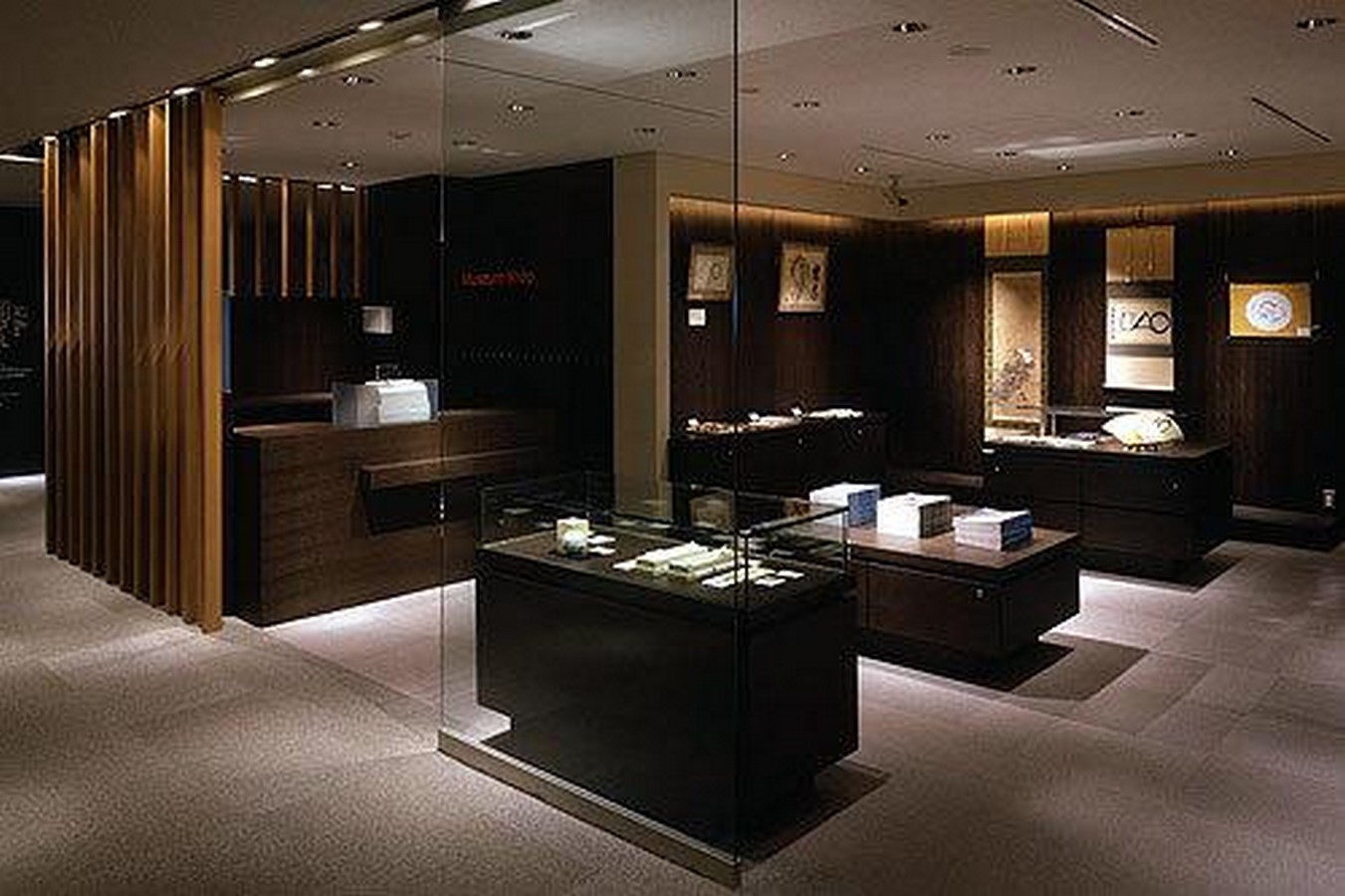
By combining the Japanese culture of hospitality into the backdrop of the modern structure, the museum allows visitors to experience the artworks in a comfortable and tranquil atmosphere.
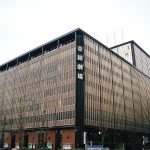
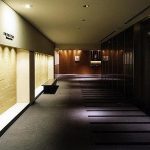
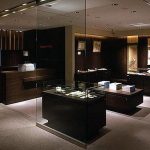
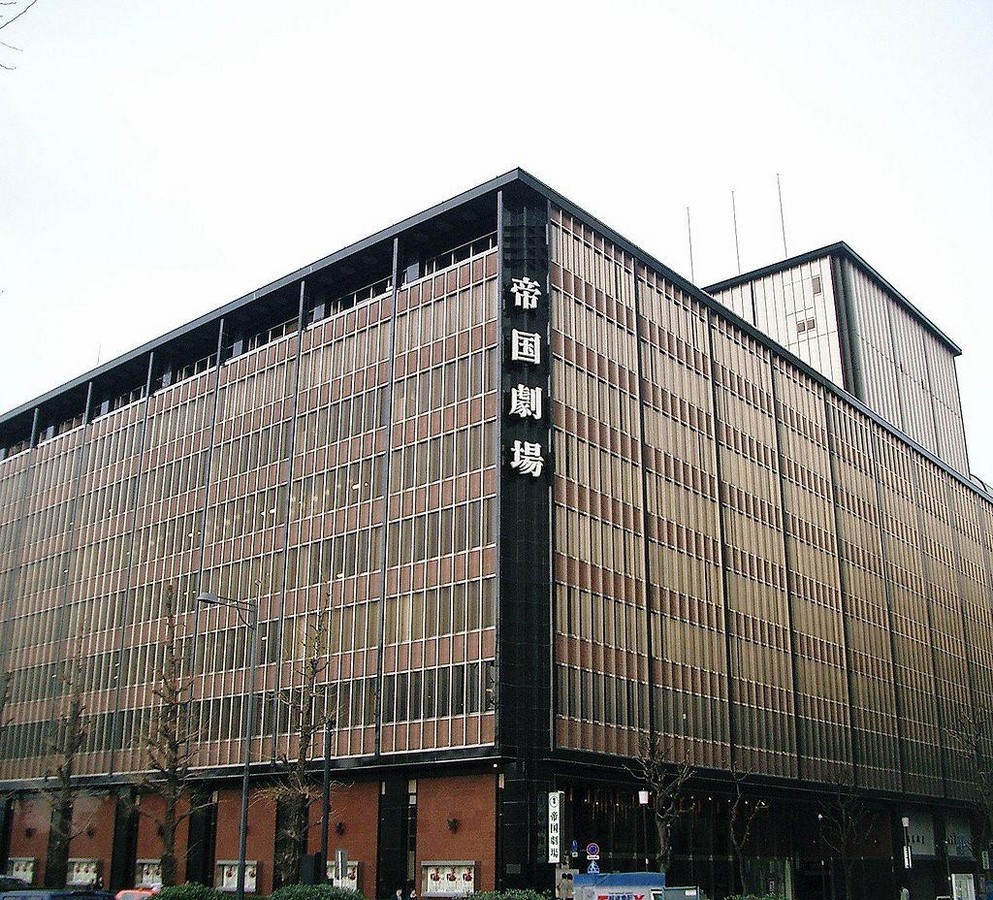
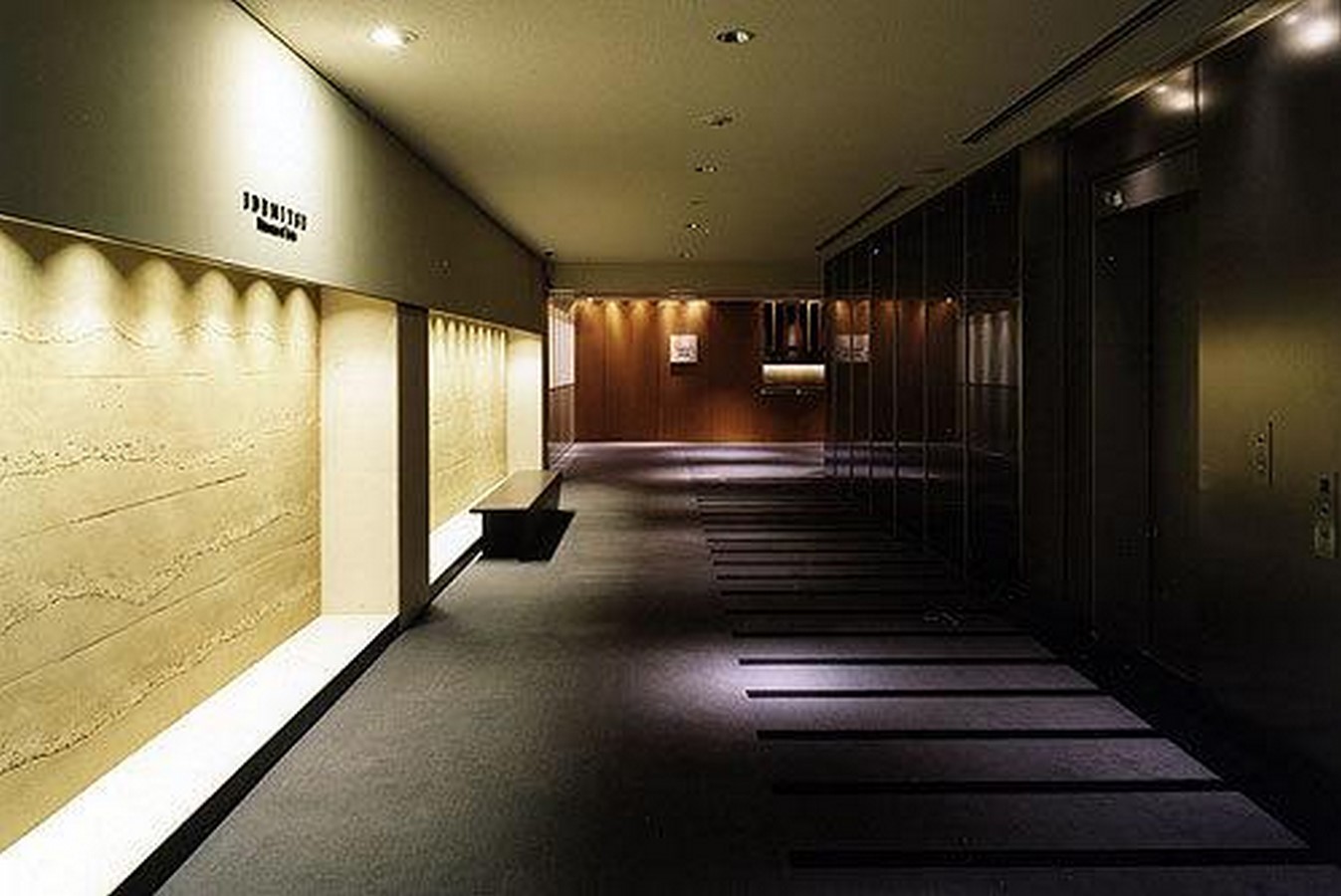
In Japan, the Idemitsu Museum of Arts has a notable history. The museum was renovated in three parts. The elevator hall was refurbished initially, followed by the lobby area and the pottery fragments exhibition room, and finally the entrance, reception area, and museum shop. “Japanese architectural DNA” was the renovation’s focus. Special care was devoted to incorporating Japanese-specific spatial characteristics to establish harmony with the existing Yoshiro Taniguchi-designed buildings.
The art exhibition wall in the elevator hall was finished with rammed earth from the Usui pass in central Japan, while the other walls in the structure were built using natural materials such as dirt, stones, and wood. These areas acted as a prelude to the visitor’s encounter with the museum’s historical artefacts and works of art.
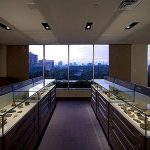
In addition to its outstanding collections and expertly managed exhibits, the museum is well-known for its stunning position overlooking the Imperial Palace.
Sitting at the picture windows and looking down into the Imperial Gardens after seeing the exhibits and informative Sherd Room adds to the overall experience.
The low ceiling of the Museum easily reflects speech.
The exhibits are best preserved when the temperature and lighting are carefully controlled.
References
- (no date) Idemitsu Museum. Available at: http://idemitsu-museum.or.jp/en/#:~:text=The%20Idemitsu%20Museum%20of%20Arts%20was%20opened%20in%201966%20as,%2C%20Chiyoda%2Dku%2C%20Tokyo (Accessed: January 1, 2023).
- (no date) Idemitsu Museum. Available at: http://idemitsu-museum.or.jp/en/ (Accessed: January 1, 2023).
- Idemitsu Museum of Arts (2020) Truly Tokyo. Available at: https://trulytokyo.com/idemitsu-museum-of-arts/ (Accessed: January 1, 2023).
- Idemitsu Museum of Arts H2O Design Associates (no date) World. Available at: https://www.world-architects.com/en/h2o-design-associates-tokyo/project/idemitsu-museum-of-arts (Accessed: January 1, 2023).
- Bureau., T.C.& V. (no date) Idemitsu Museum of Arts, The Official Tokyo Travel Guide, GO TOKYO. Available at: https://www.gotokyo.org/en/spot/127/index.html (Accessed: January 1, 2023).
- The Idemitsu Collection from Tokyo – anart4life (no date). Available at: https://www.anart4life.com/the-idemitsu-collection-in-tokyo/ (Accessed: January 1, 2023).