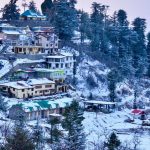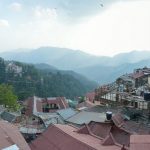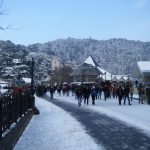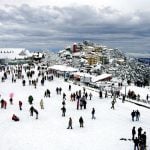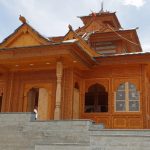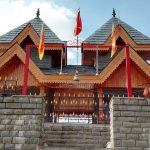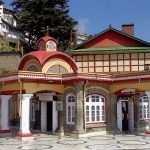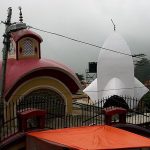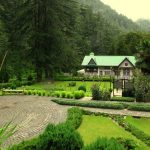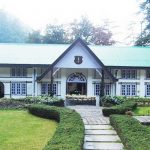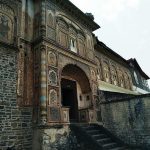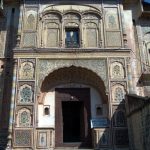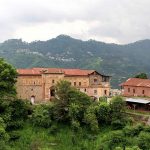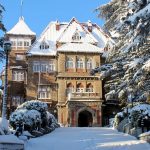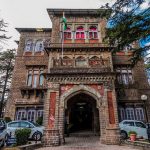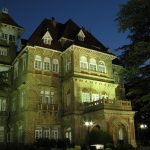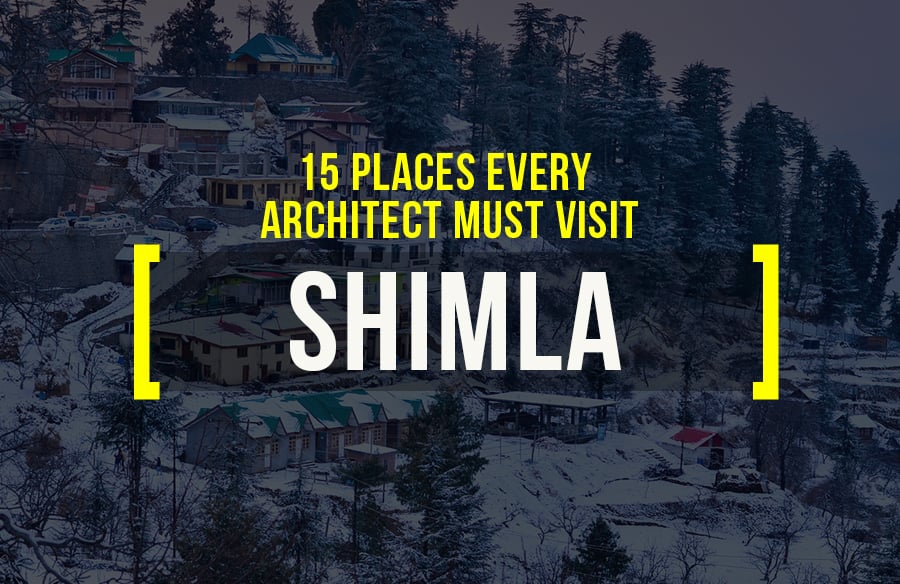
The most coveted hill station in India is Shimla, the former summer capital of British India, which is encircled by the magnificent Himalayas and blessed with Cedar, Rhododendron, Fir, and Himalayan Oak trees. The largest city in Northern India is Shimla, the capital of Himachal Pradesh. Shimla, which has a 35.34 Km2 area, is said to be the state’s commercial, cultural, and economic hub and there many amazing places to visit in Shimla for the travelling architect.

In addition to Shimla’s naturally stunning landscape, which includes evergreen forests, snow-capped mountains, tranquil valleys, breathtakingly gorgeous lakes, and a comfortable climate, the town has been designed in a renowned architectural style. The natural resources of Shimla, the Tudorbethon and Neo-Gothic architectural styles, as well as Indian temples and British churches, helped to form South Asia’s architectural heritage.
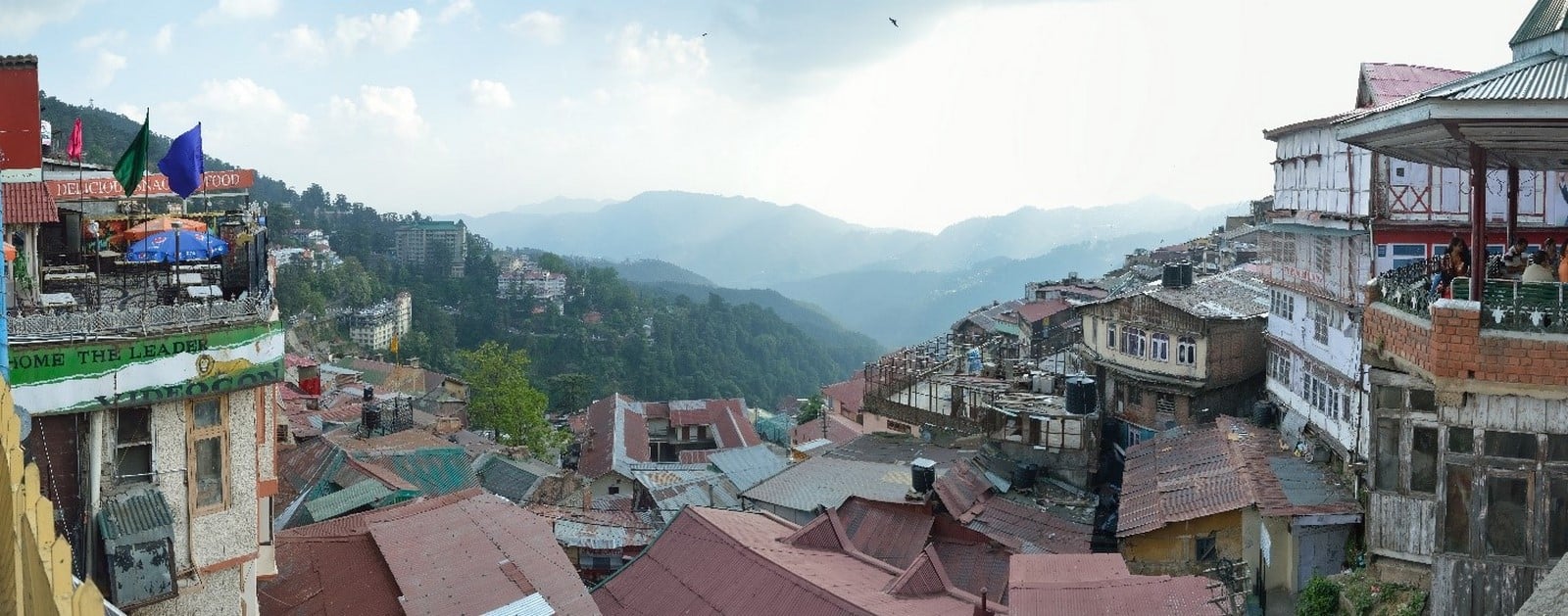
Shimla’s architecture clearly shows influences from the British era, and each building’s beauty is admirable. It is amazing how architecture and context can work together without competing with one another. The Shri Hanuman Jakhu (Statue), Jakhu temple, Viceregal lodge, Christ Church, Mall road, The Ridge, Gaiety theatre, Gorton castle, Barnes Court, Annandale, and several more structures honour the town’s history and architectural significance by mentioning it in reference to its main features.
Must Place to be visited by travelling Architects in Shimla.
1. The Ridge of Shimla | Places to Visit in Shimla
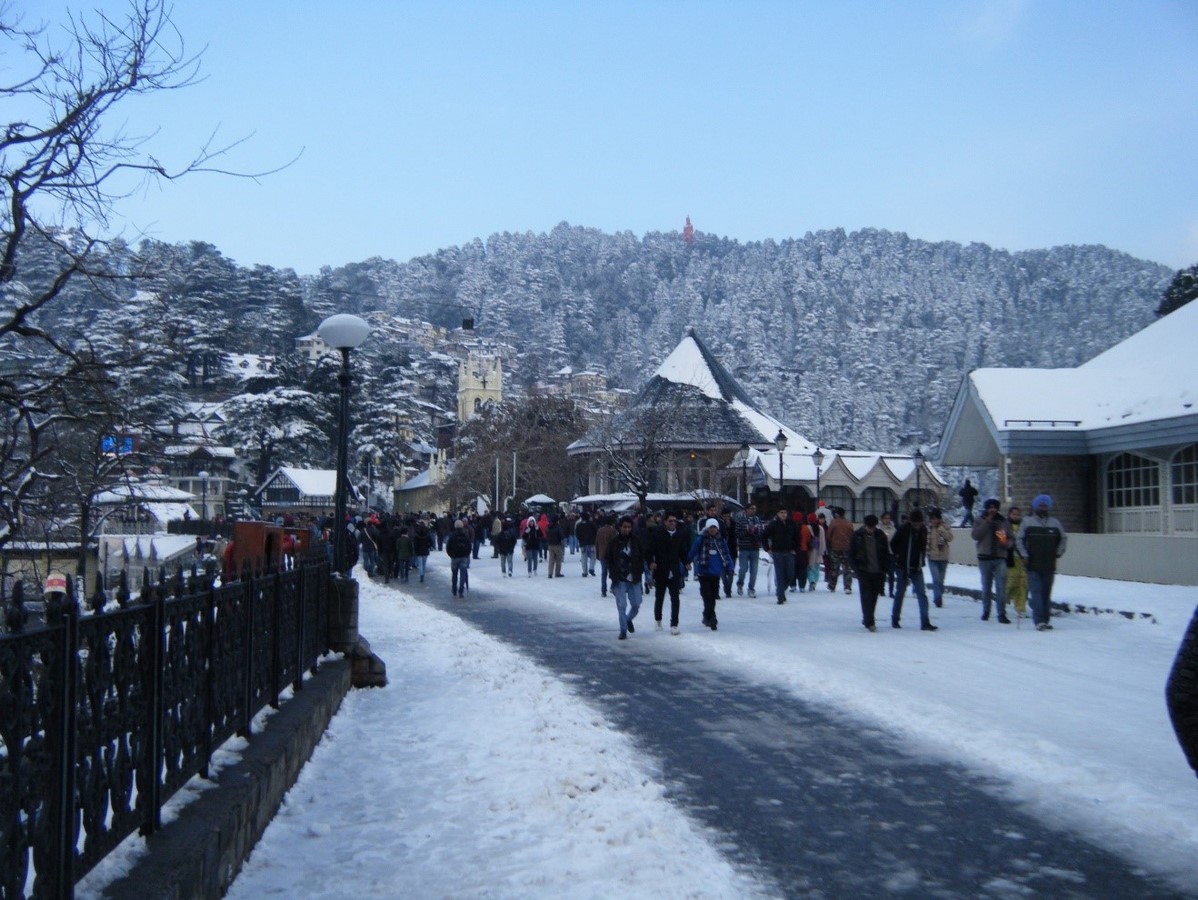
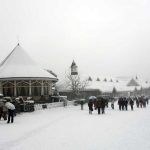
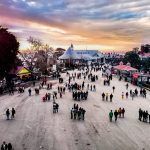
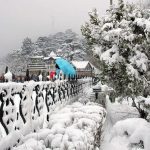
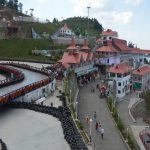
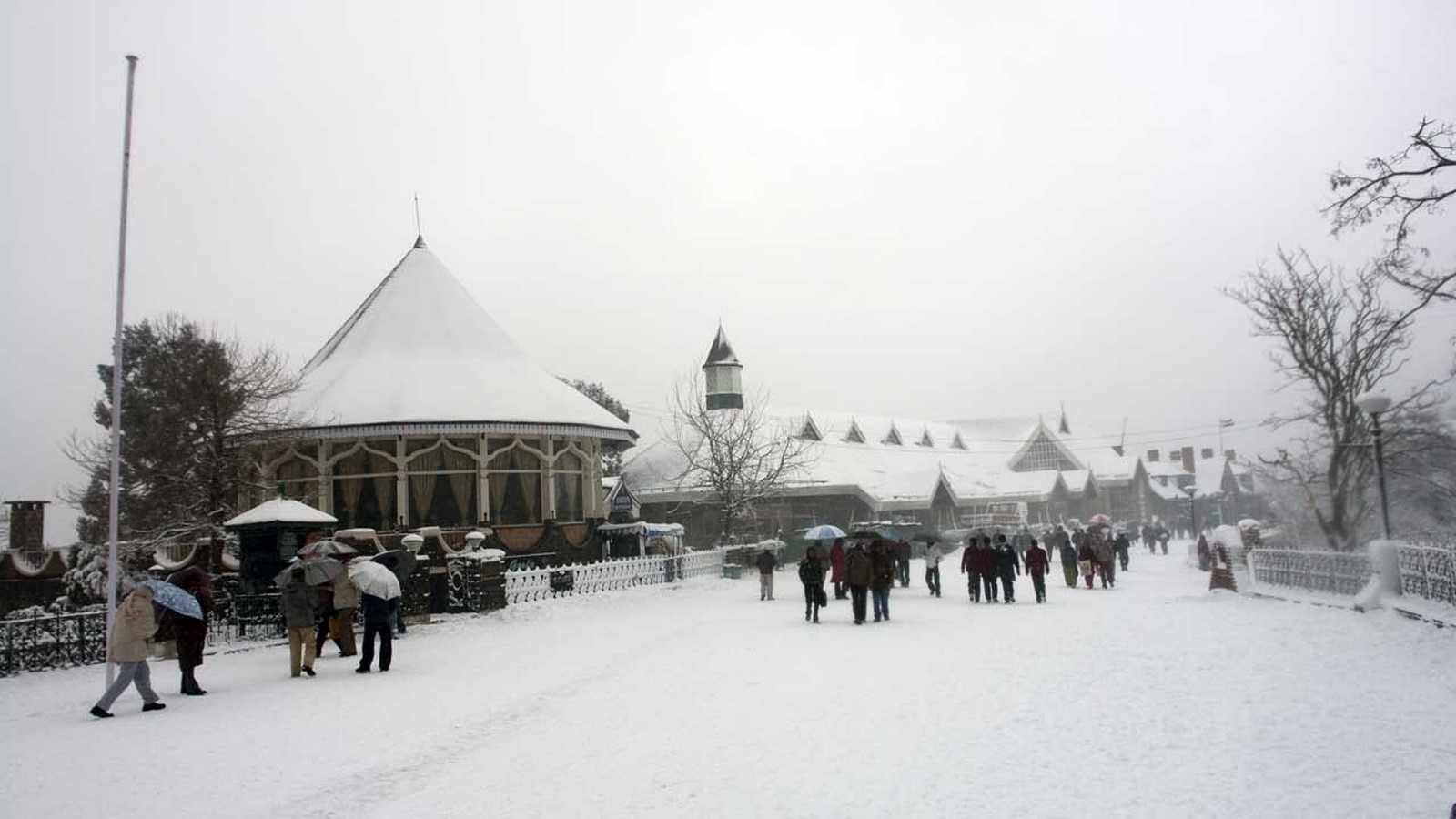
The Ridge Road, a sizable open area, is said to be the core of all cultural events in the Shimla city centre. It serves as the venue for Shimla’s most anticipated summer event. It is located along Mall Road, a well-known retail area in Shimla dotted with a variety of boutiques, bars, restaurants, cafés, and stores that serves as a significant social centre for the neighbourhood. Additionally, it links the Scandal point to the Lakkar market. A stunning view of the snow-capped mountains that mix with the background blue may be had from Shimla’s ridge.

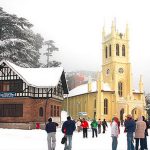
Two notable structures on the Ridge are the Neo-Gothic Christ Church, constructed in 1844, and the 1910 library building, designed in the Tudorbethan architectural style. Shimla’s base ridge formerly possessed the densest forest in the region; today, it is covered with a variety of trees, some of which are interspersed with red-roofed chalets, half-timbered homes, and Gothic government buildings, which provide a beautiful view from The Ridge.
Large water tanks are positioned beneath the Ridge and are thought to have been built in the 1880s. These tanks provided water for the British-era tourist town. It had only been built using lime mortar rather than cement. A water reservoir with a 1,000,000-gallon capacity is located beneath the Ridge of Shimla. These water tanks still serve as Shimla’s primary water system because of their size and excellent historical design.

2. Mall Road
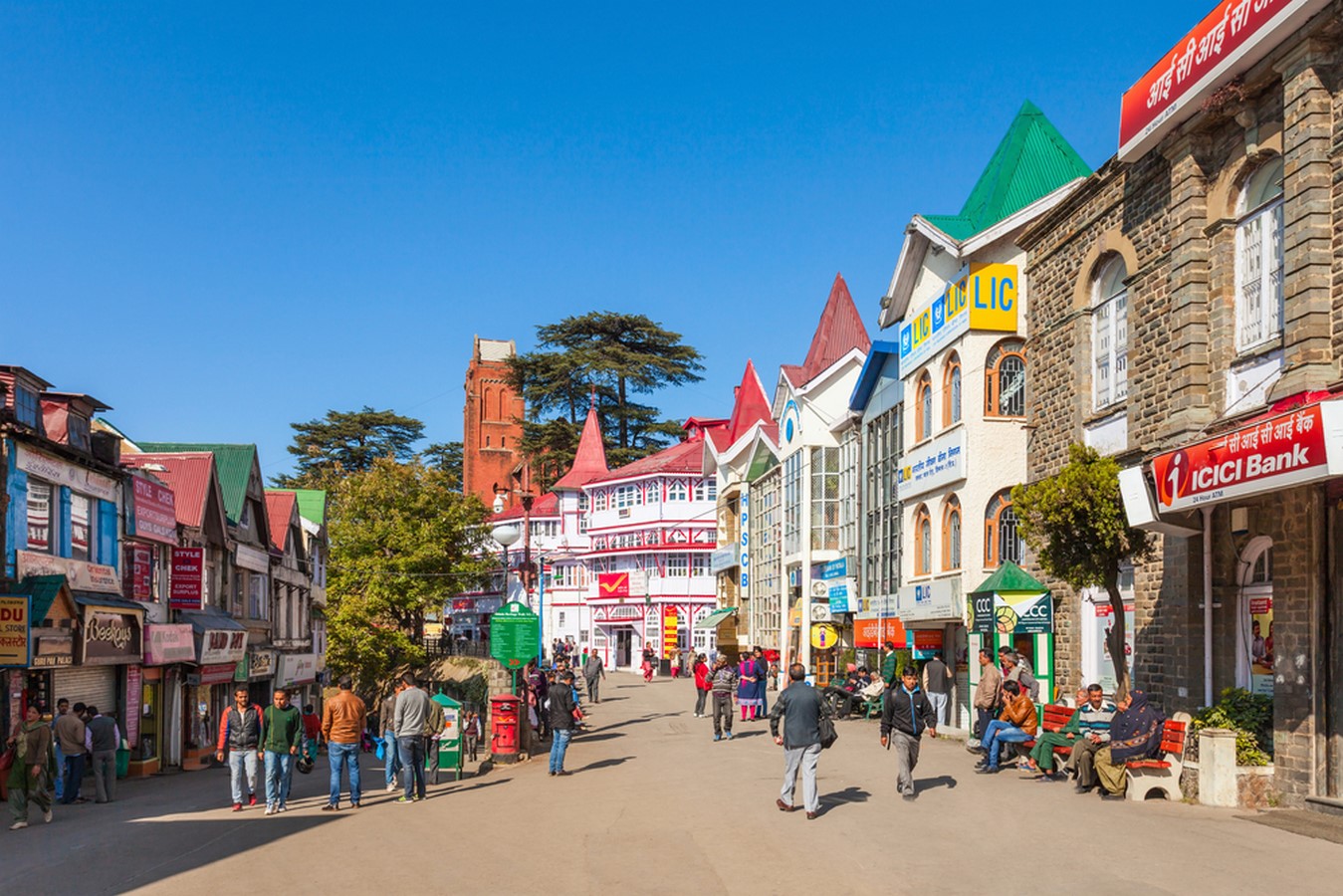
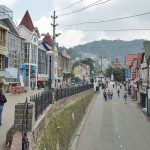
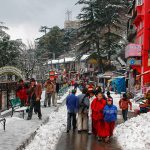
Shimla’s main gathering spot and retail district is Mall Road. It is on a level below The Ridge of Shimla and was built under colonial rule. The centre of all government offices is there. Automobiles are not permitted on this route, with the exception of emergency vehicles, due to the stringent pedestrianisation of the area.
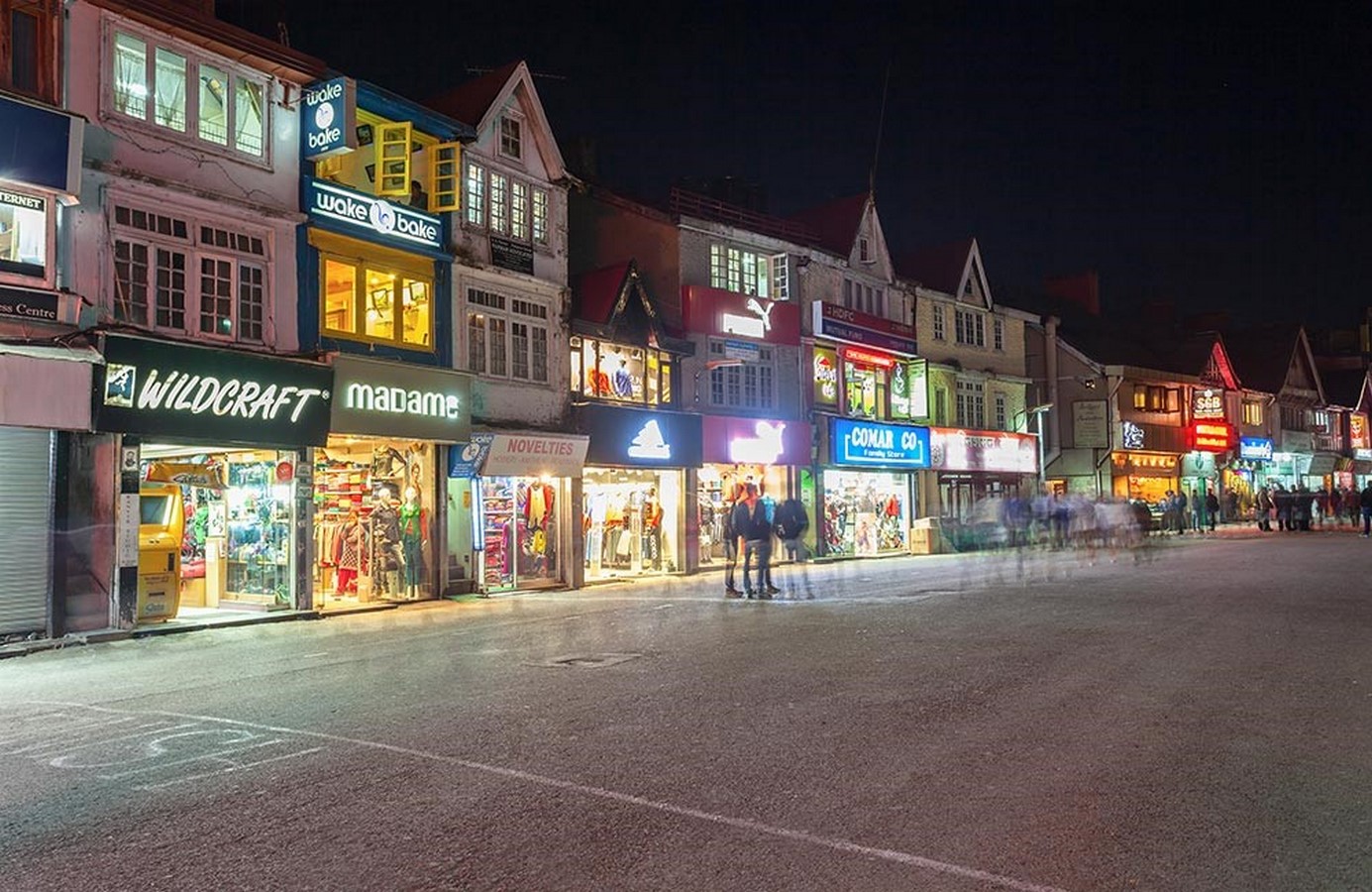
You may immerse yourself in Shimla’s spirit and all of its tourist attractions there. In addition to the Kali Bari Temple, Town Hall, Gaiety Theatre, and Scandal Point, there are several cafés, restaurants, showrooms, department stores, and shops offering toys and high-end handicrafts in the area.
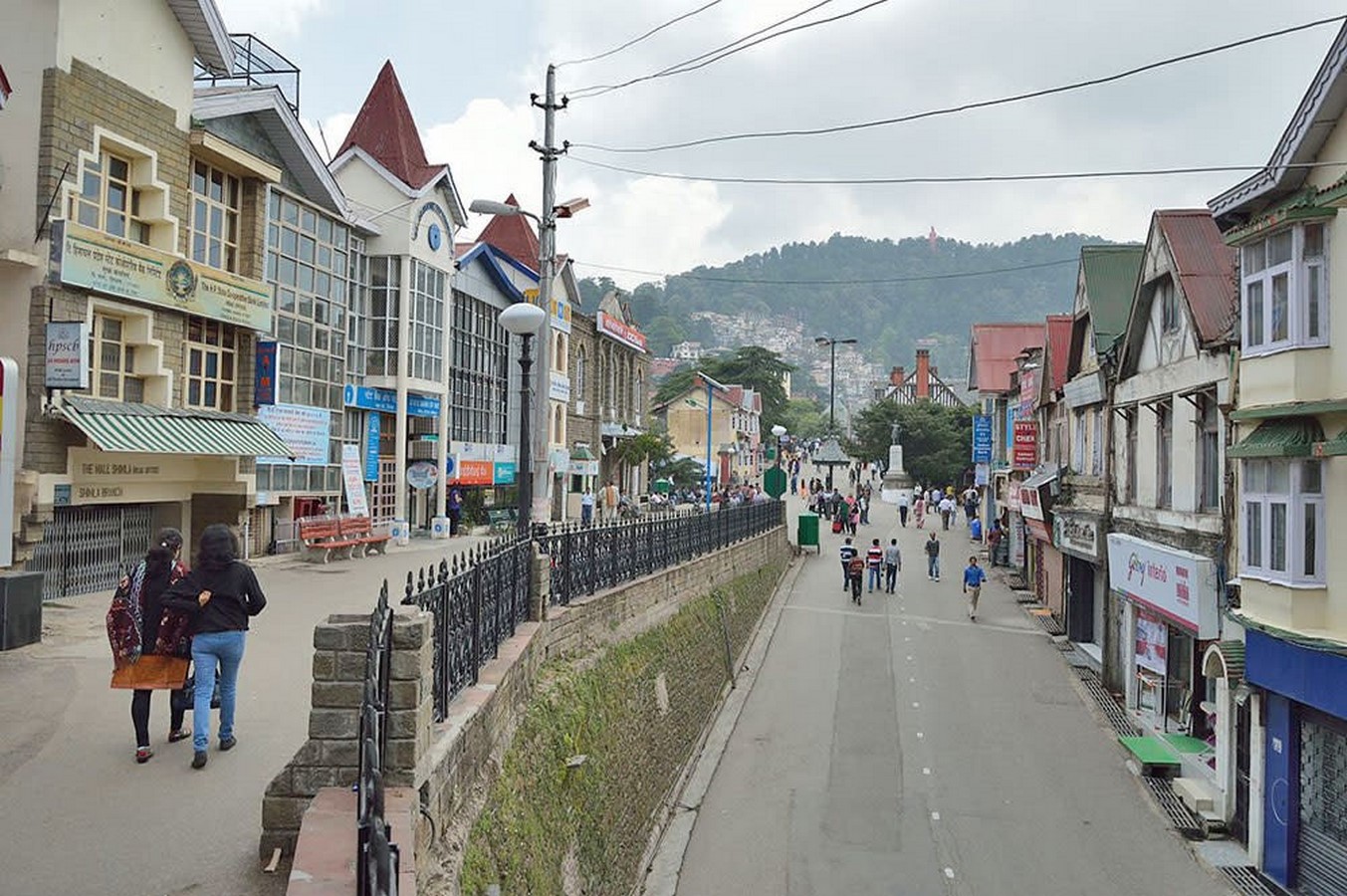
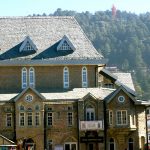
According to some reports, Mall Road Shimla is a fusion of Colonial architecture and contemporary urban sensibilities. This kind of building, which is common on Mall Road, is often modelled after a traditional English home and has simple features like a steeply sloping roof, herringbone brickwork, half-timbering, thatched roofs, pillared porches, and roofed windows that are covered with colourful hues. This makes the entire street festive with its vibrant, distinctive, and striking façade.
3. Jakhoo Hill and Temple | Places to Visit in Shimla
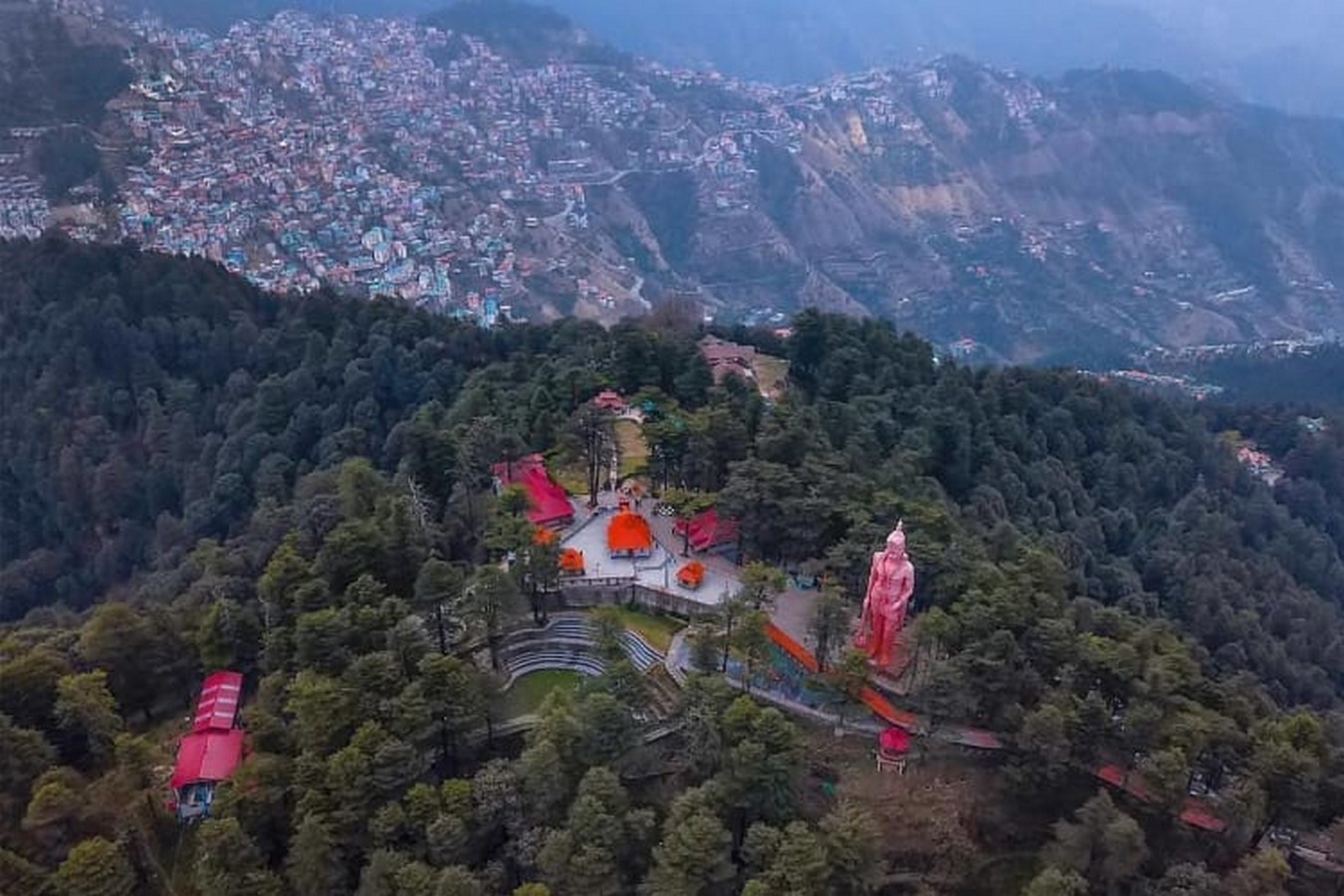
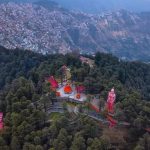
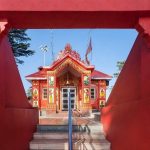
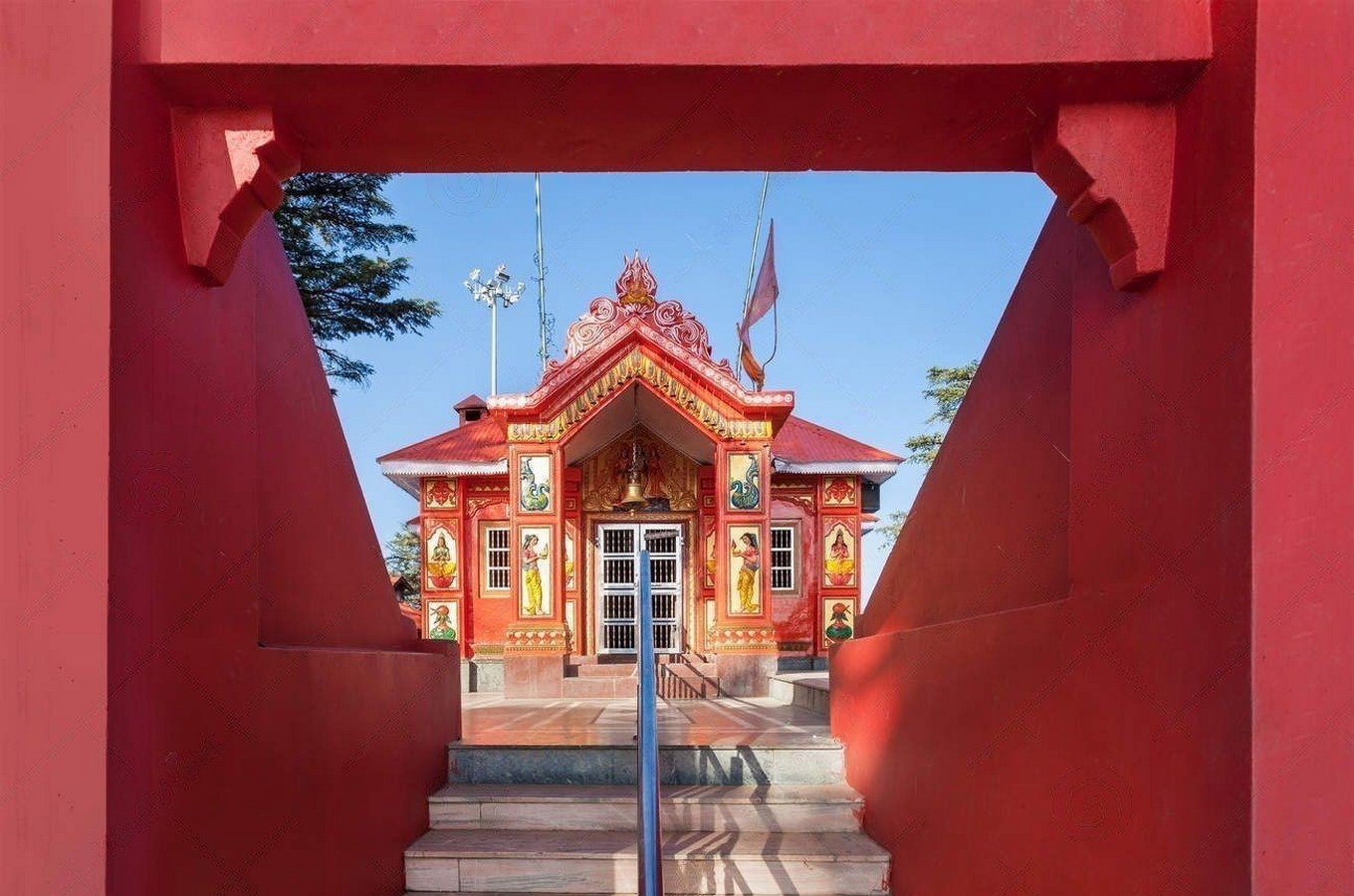
Shimla’s tallest peak, Jakhoo Hill, stands 2,455 metres above sea level and is located 2.5 kilometres east of the Shimla Ridge. Jakhoo hill is home to the stunning, colourful Jakhoo temple, which is surrounded by high mountains, Alpine trees, deodar trees, and a background of the Shivalik hill ranges that is hence lush and green.
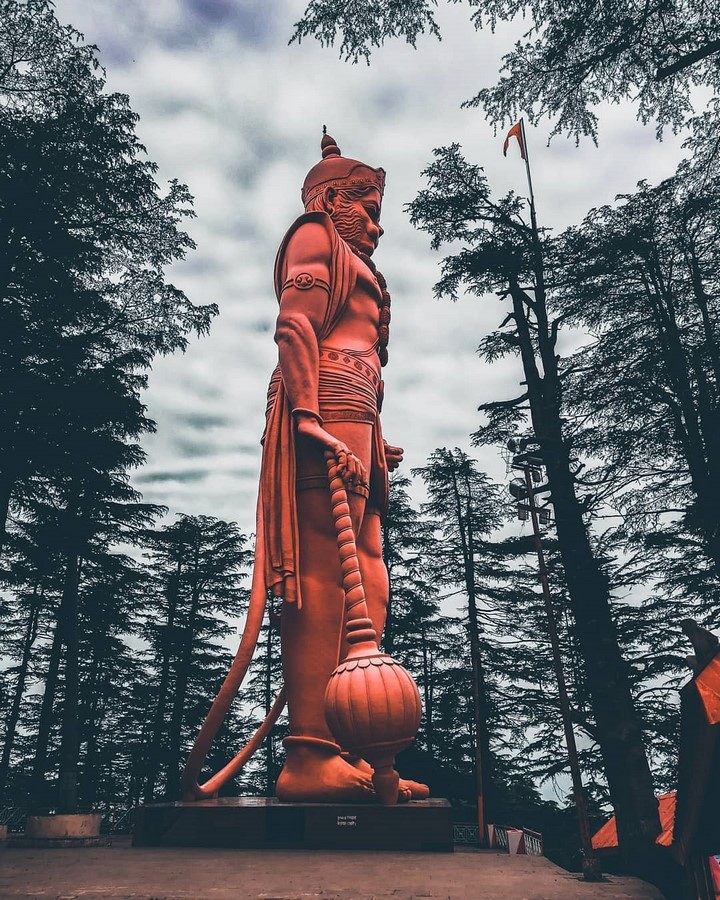
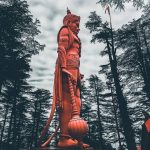
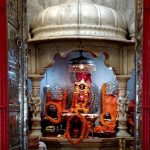
The Lord Hanuman-dedicated Jakhoo Temple is a historic temple in Shimla. On the grounds of the temple lies one of the tallest sculptures of the Hindu god Shri Lord Hanuman. You may go to the temple on foot, on the horse, via ropeway, or by cab. The temple offers stunning vistas as a backdrop while you take in the hypnotic beauty.
4. Christ Church
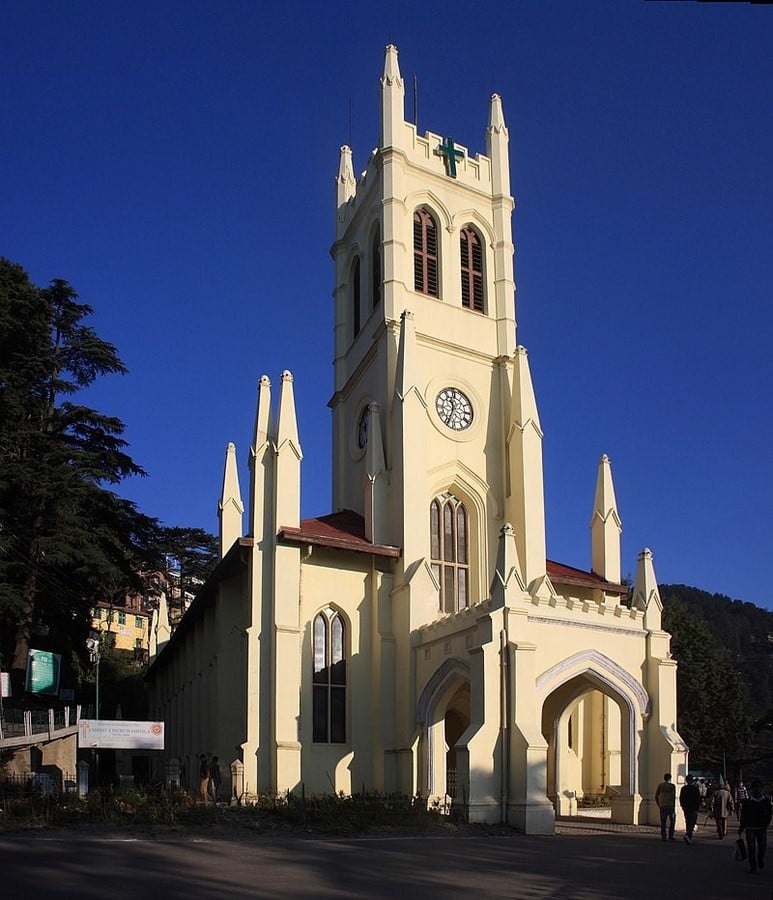
The Neo-Gothic Christ Church, which stands 90 feet tall and is situated atop Shimla’s Ridge, was built in 1857.
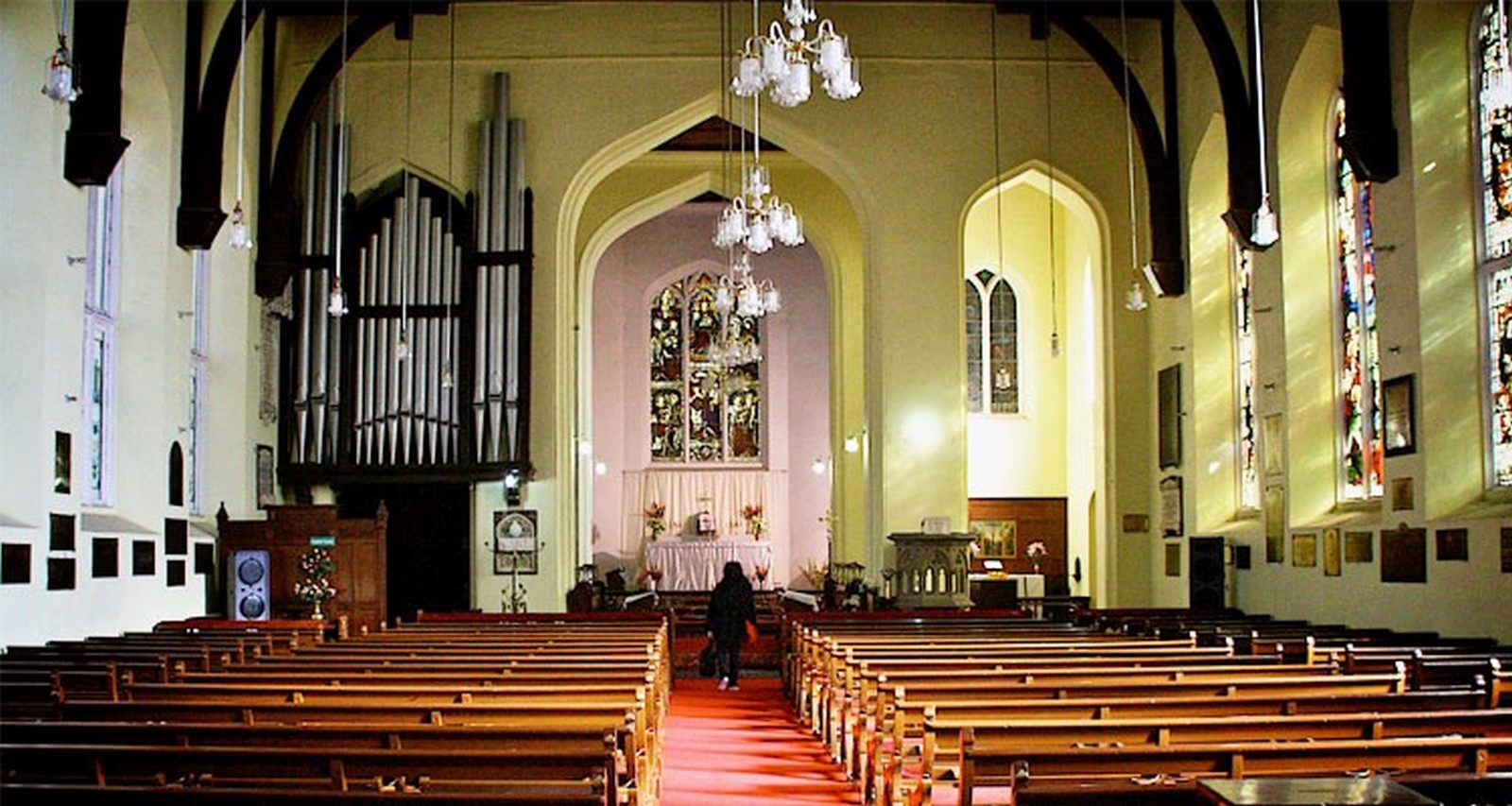
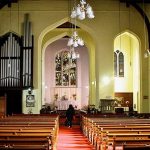
The church’s interiors are kept uncomplicated and quiet, but its five exquisite stained glass windows are a special addition. That stands for the character traits of kindness, humanity, hope, faith, and fortitude. The biggest pipe organ in the Indian subcontinent is found at Christ Church.
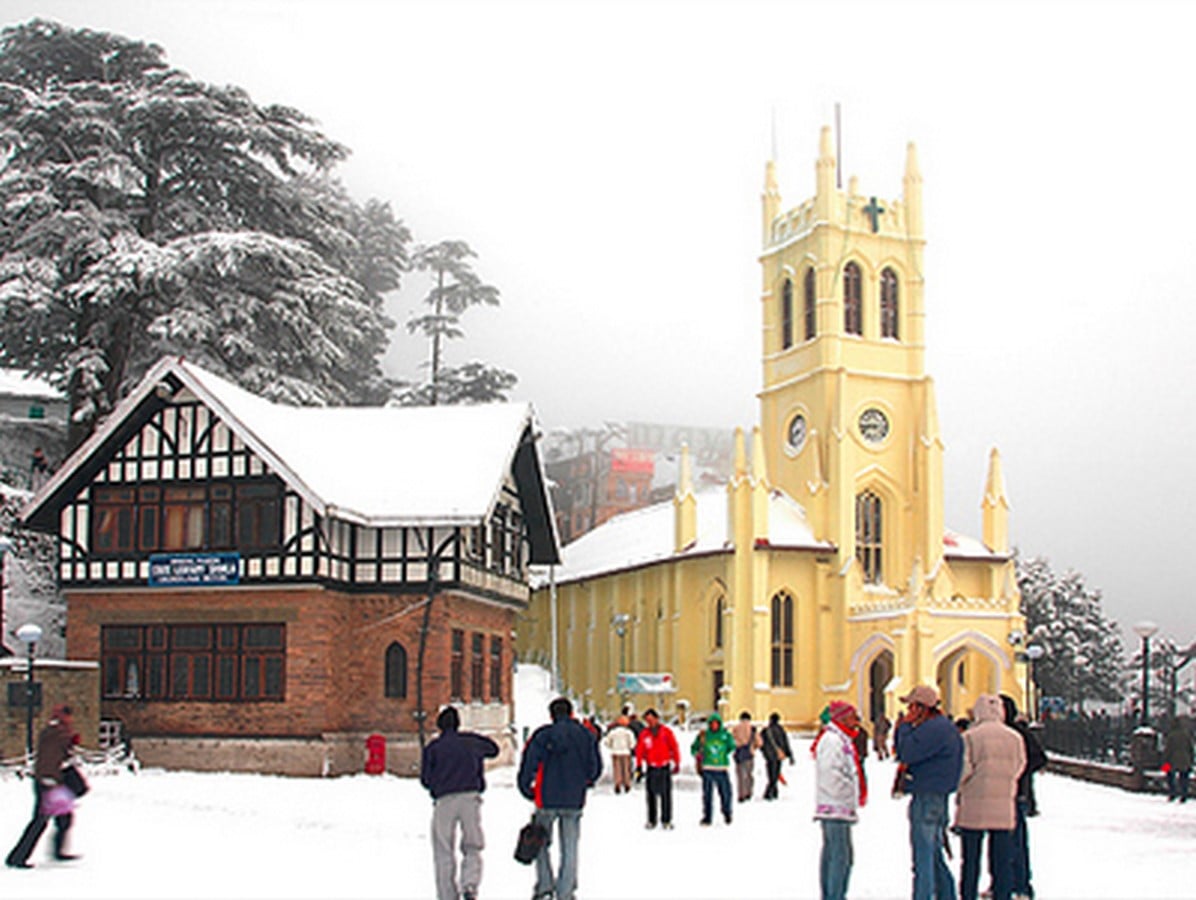
Making the most of the church’s height, which allows most of Shimla to see its silhouette. A clock and five tubular bells adorn the church’s front façade. Additionally, the church is illuminated at night.
5. Viceregal Lodge | Places to Visit in Shimla
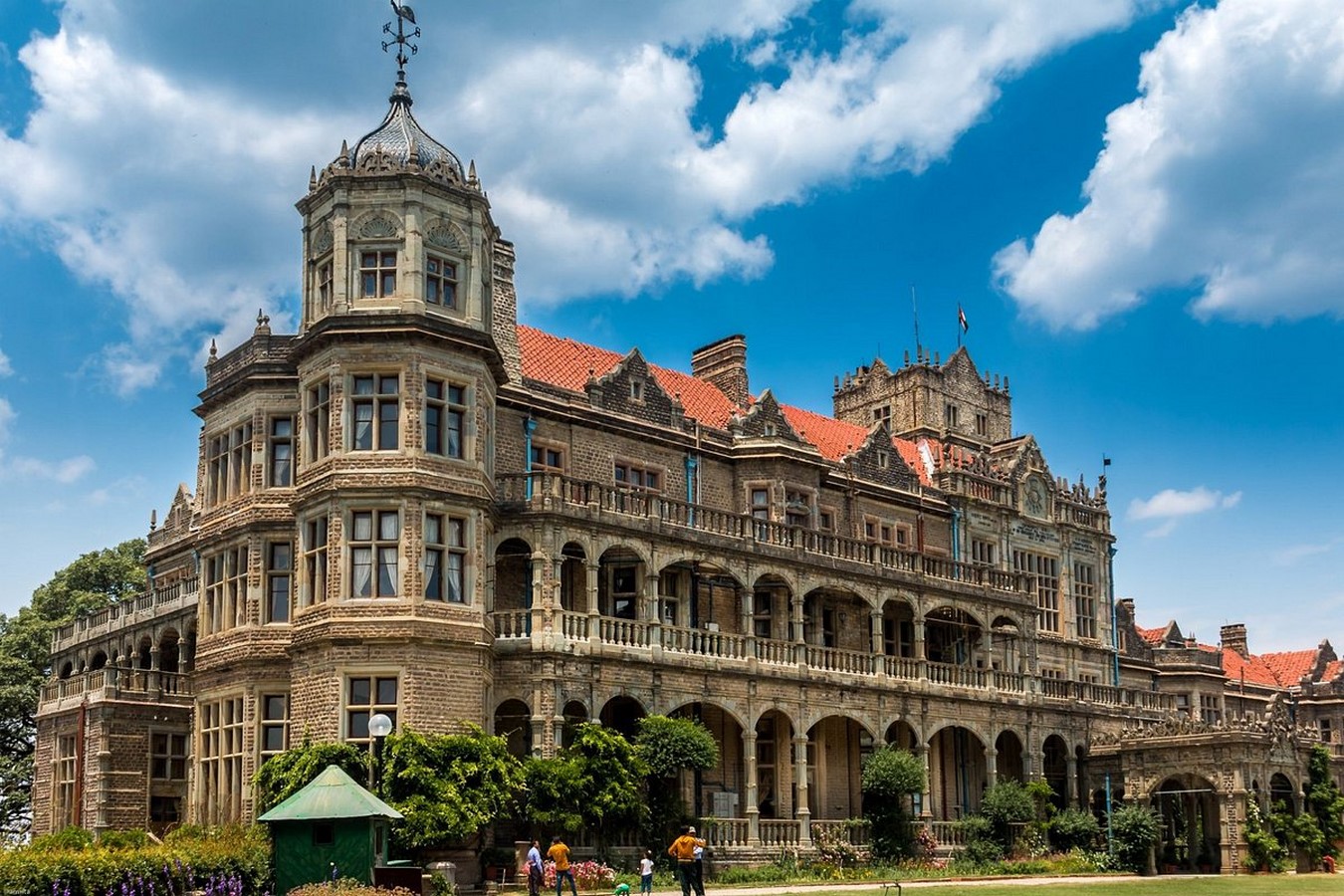
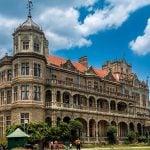
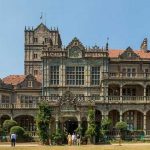
On Shimla’s Observatory Hills, The Viceregal Lodge, popularly known as The Rashtrapati Niwas, provides unobstructed views of the surroundings. Lord Dufferin, the Viceroy of India from 1884 to 1888, intended for the edifice to serve as his home. Previously, it served as the summer home of the British Viceroy of India, who ruled the country from 1888 until 1946.
The architecture of the English Renaissance is evident across the entire building. It also has characteristics similar to Scottish Highlands castles. The buildings are made of tiled pitch roofs and light blue-grey stone masonry.
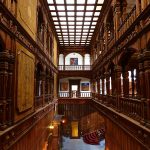
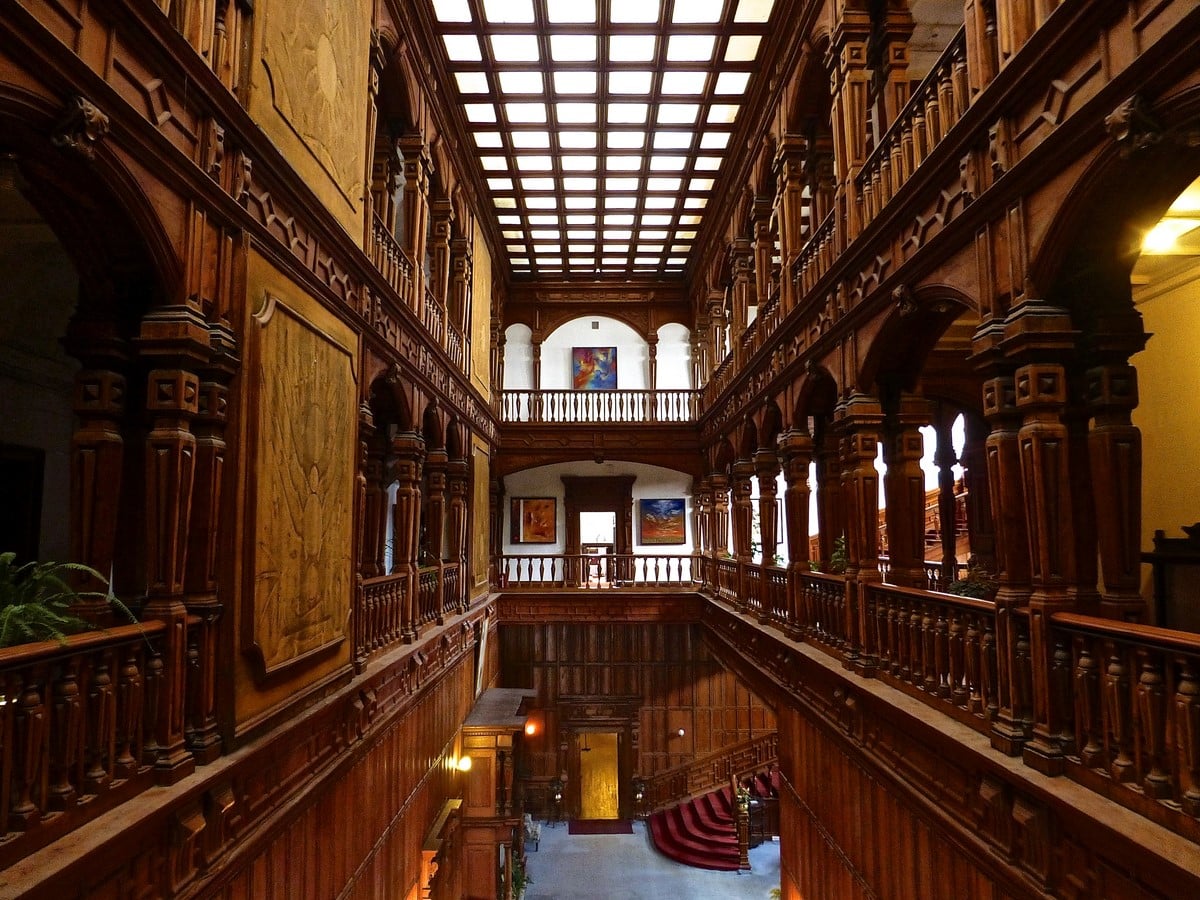
The main building’s interior has intricate carvings made completely of teak wood imported from Burma and complemented with local cedar and walnut.
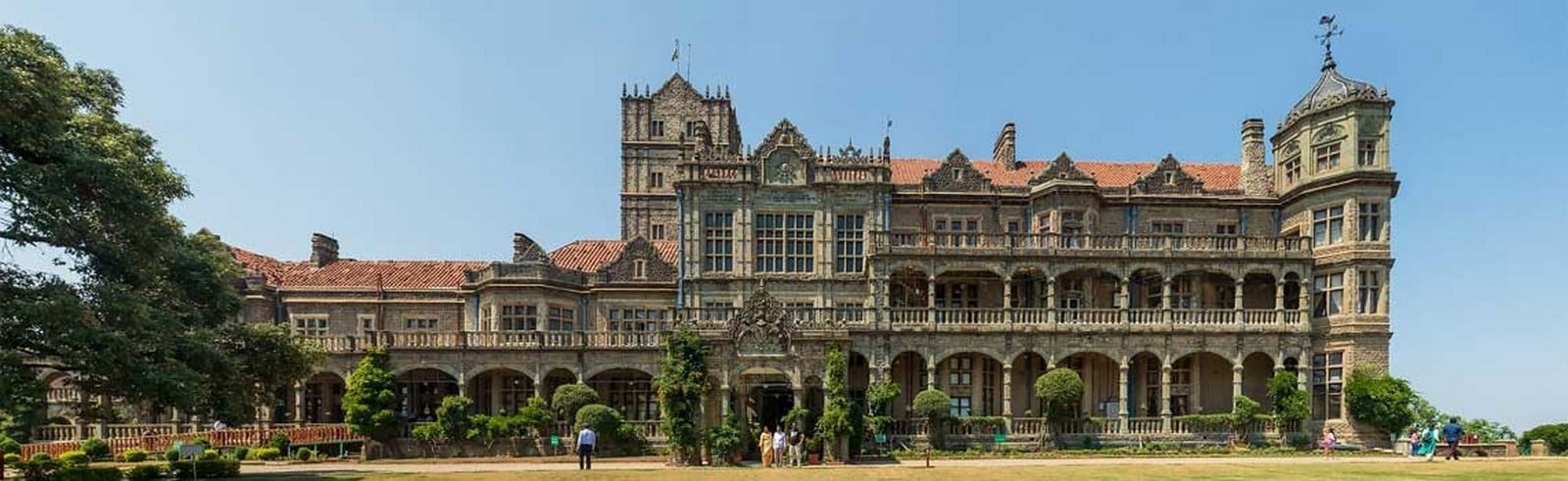
Even before the rest of Shimla began to use electricity in any fashion, the spectacular structure had an electricity connection as early as 1888. The building has been transformed into The Indian Institute of Advanced Study, a hub for advanced learning and research.
6. Tara Devi Temple.
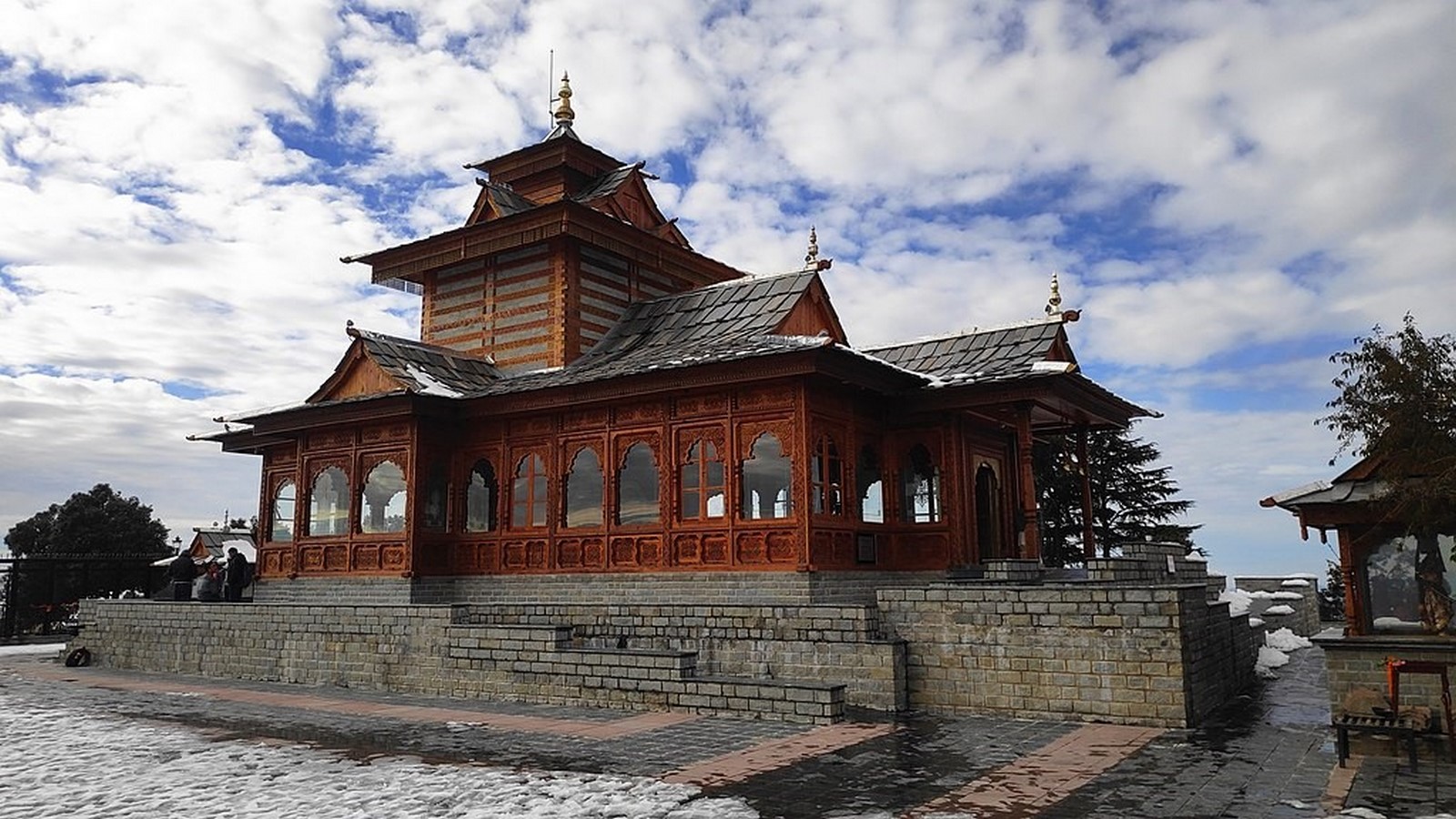
One of the most popular religious sites in Shimla is the Tara Devi shrine. It was constructed in 1766 AD and is located 11 kilometres along the Kalka-Shimla Highway road.
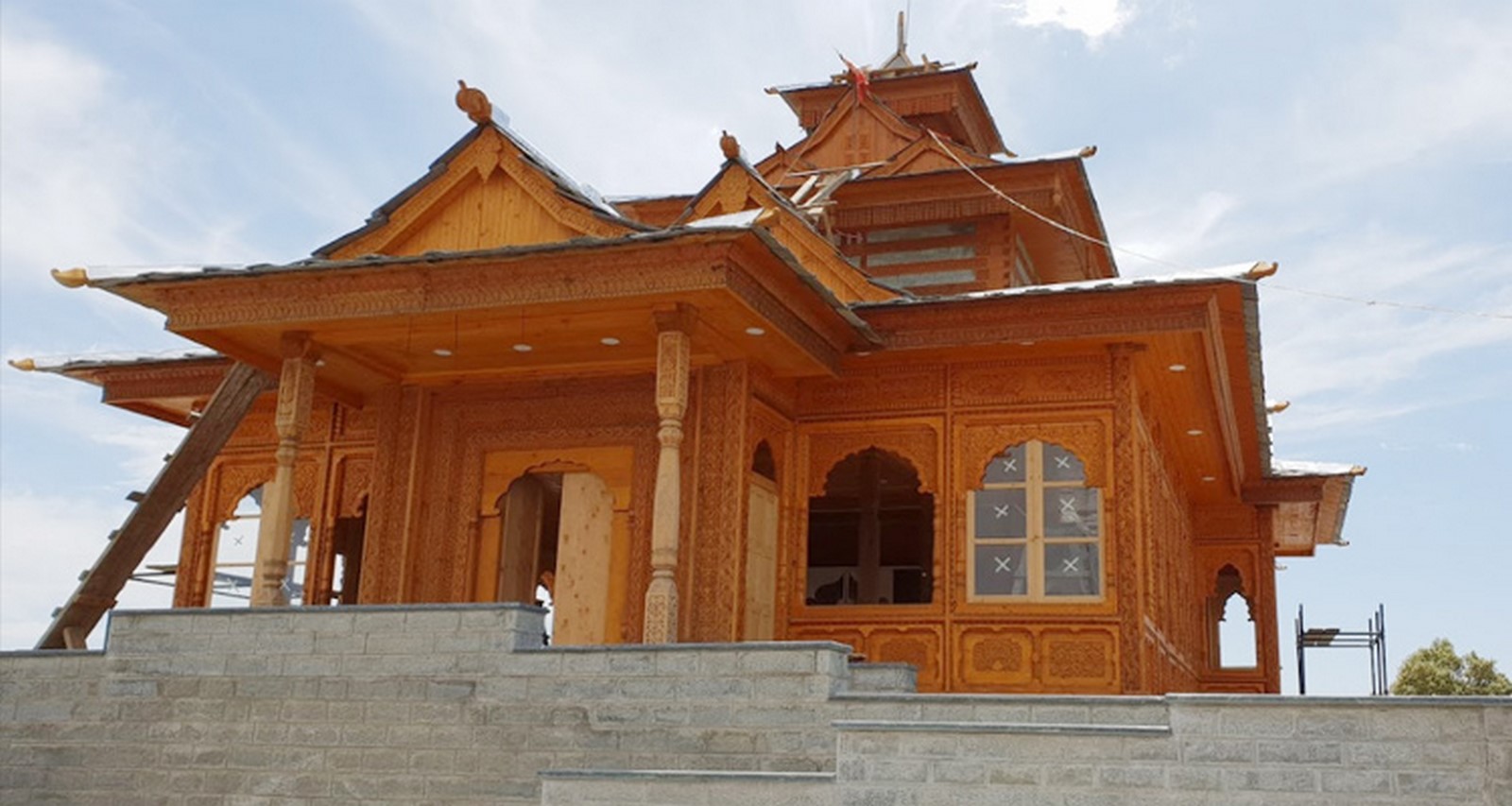
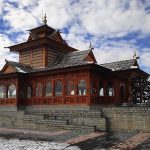
On Tara Parvat, at a height of 7200 feet above sea level, this 250-year-old temple was built. The Tara Devi Temple is situated such that it receives favourable coverage from the setting of dense oak and rhododendron forest, which provides picturesque views of the towering Himalayas around the town.
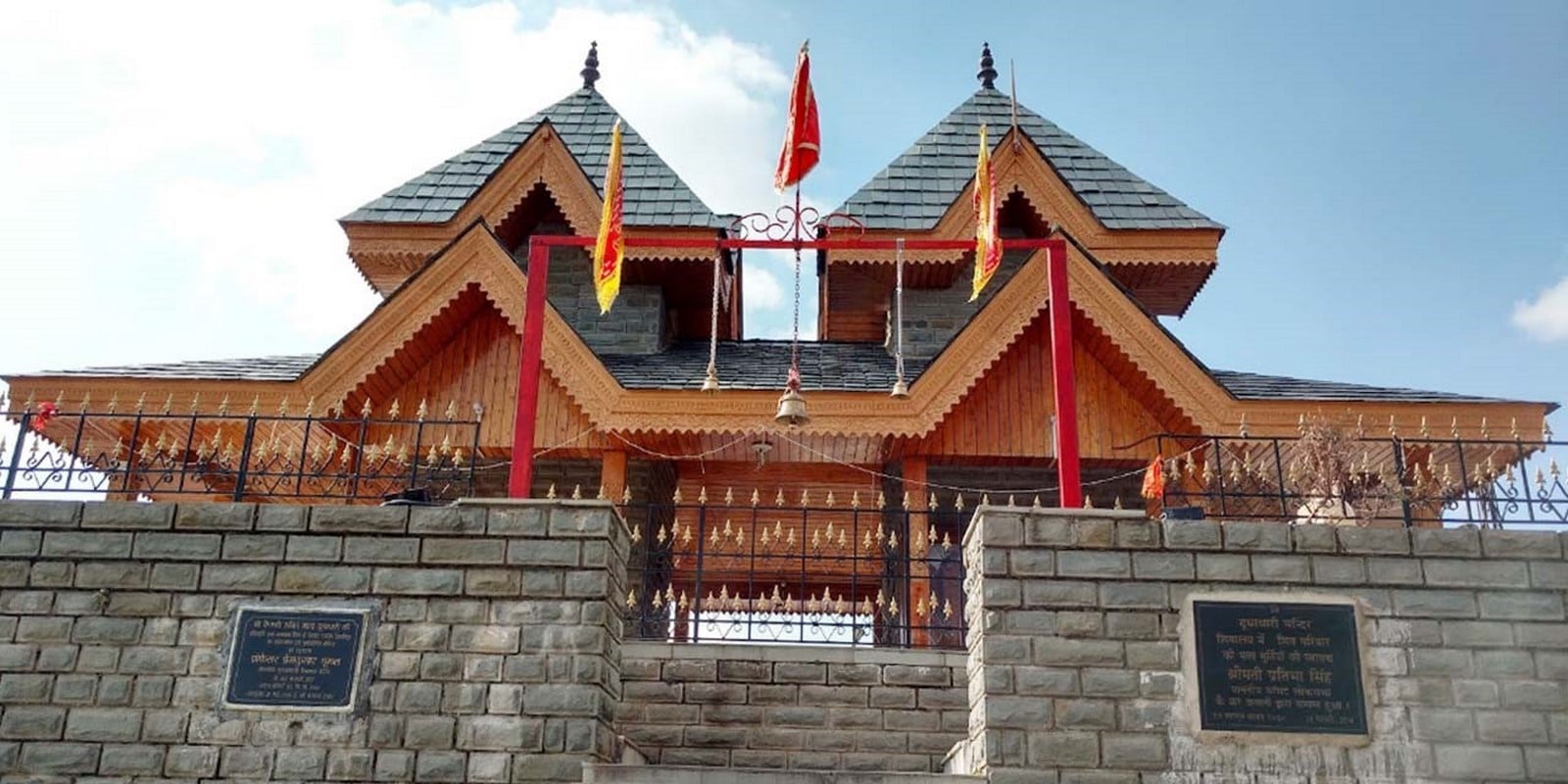
The old, plain-looking architecture was replaced with a Pahari architectural masterpiece that is the pinnacle of the state’s rich culture after about three and a half years of labour. This masterpiece is enhanced with Nakkashi kaam (The Art of Carvings).
Complex niche carvings done in the traditional “Pahari” style employing an antiquated technology The woodcarving on the deodar wood was done by Rohru artists, while the silverwork was done by Kinnauri artisans. With the help of 90 priests, the Tara deity’s “Ashatdhatu” statues were restored in the temple sanctuary. The temple also has statues of Mahakali, Maha Sarasvati, Batuk, Bherav, and Maa Bhagwati.
7. Kali Bari Temple | Places to Visit in Shimla
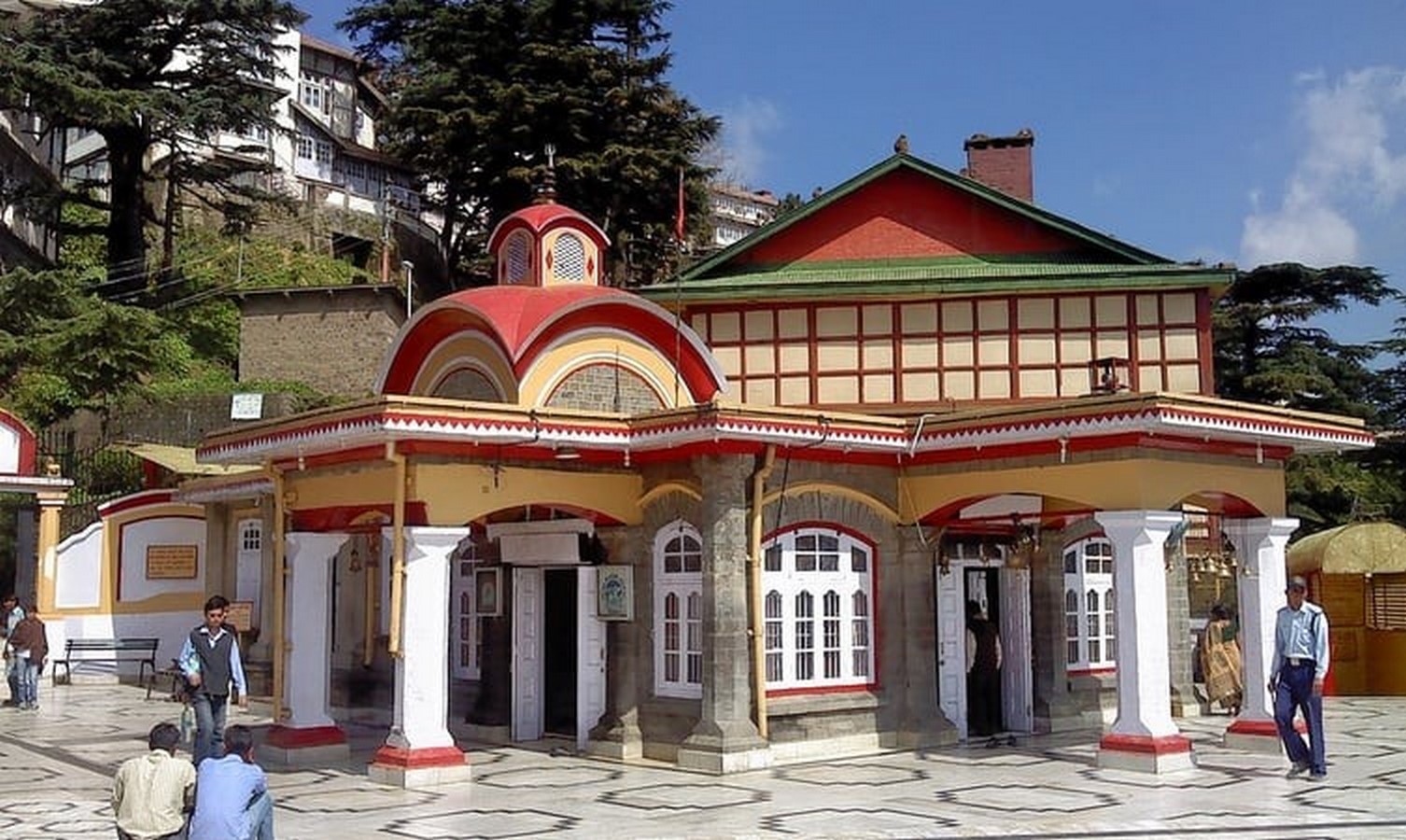
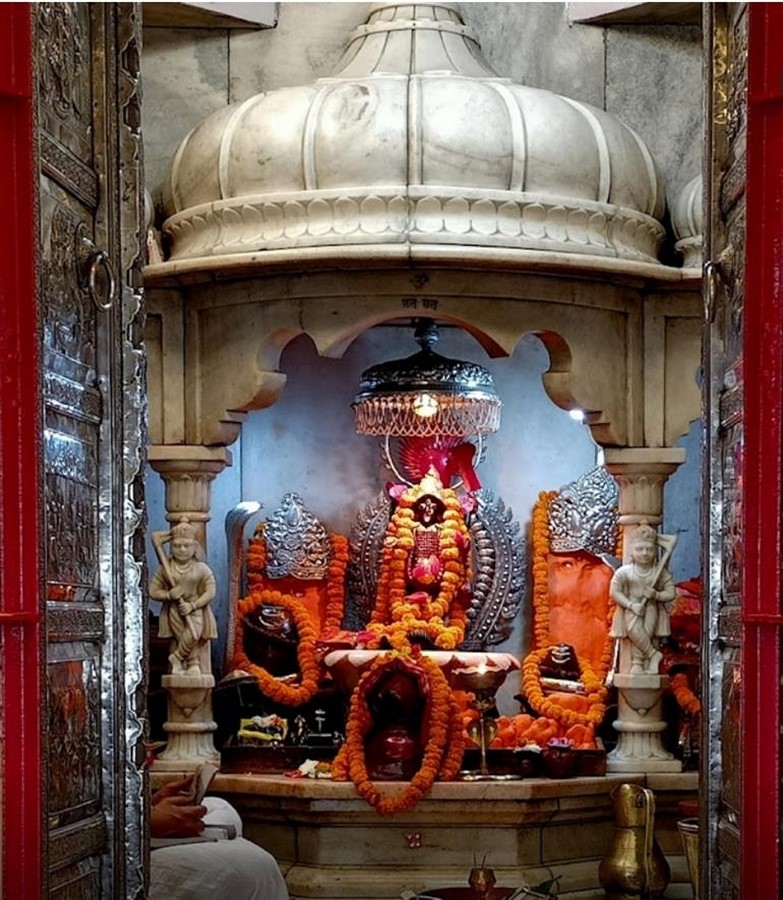
The Kali Bari Temple in Shimla, which honours the goddess Kali, also known as Shyamala, was built in 1845. Shimla’s name is claimed to have originated from the name of the deity “Shyamala.” The temple at Bantony Hill is equally notable for its architectural beauty and religious importance.
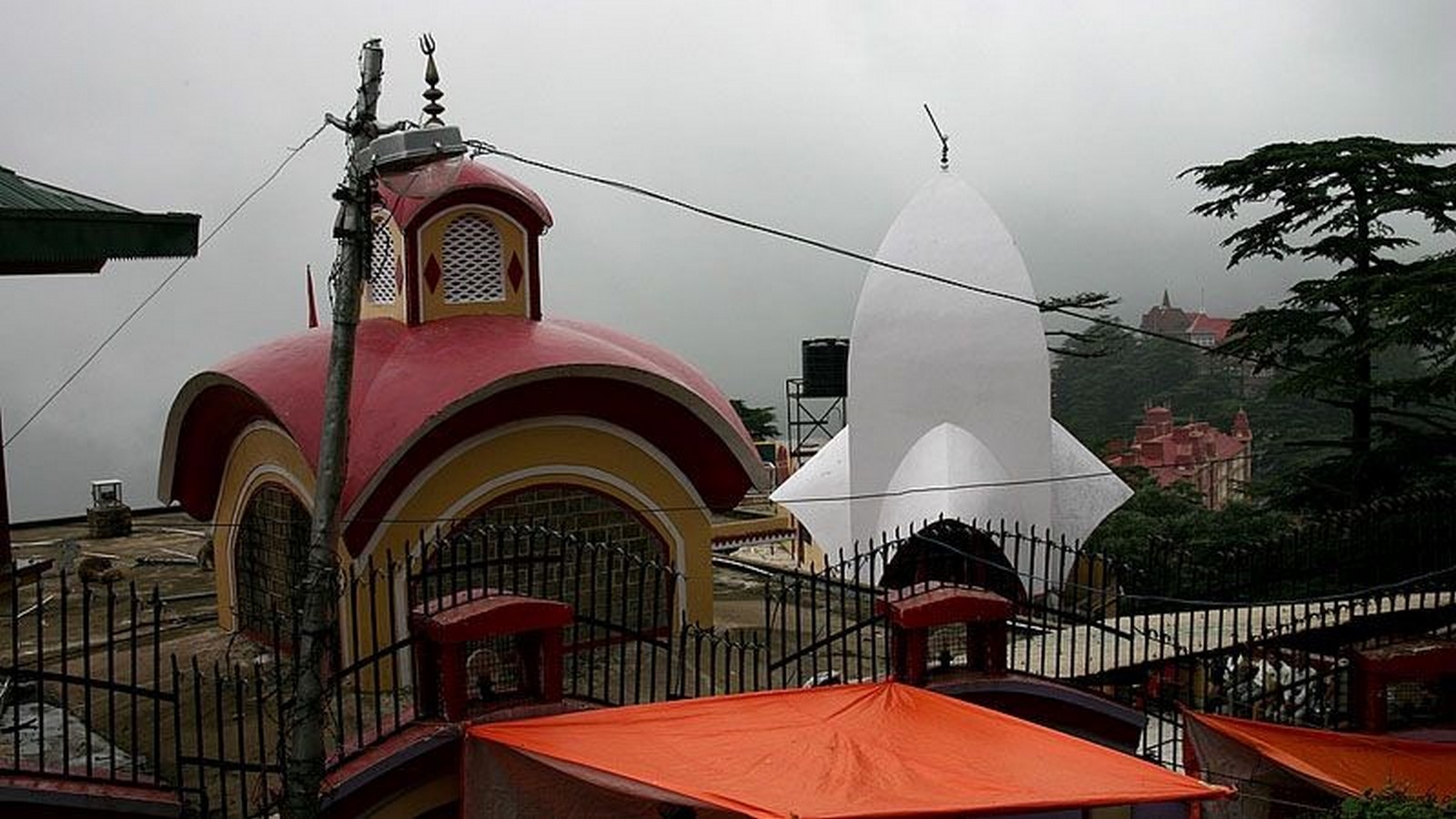
The initial temple was constructed in the Rothney Castle neighbourhood on Jakhoo Hill by a Bengali Brahmin named “Ram Charan Brahmachari.” The Kali Bari Temple, one of Shimla’s oldest temples, has a distinctive blue-coloured wooden idol of Goddess Kali in the deity form of Shyamali and distinctive Hindu-style architecture.
8. Himachal State Museum.
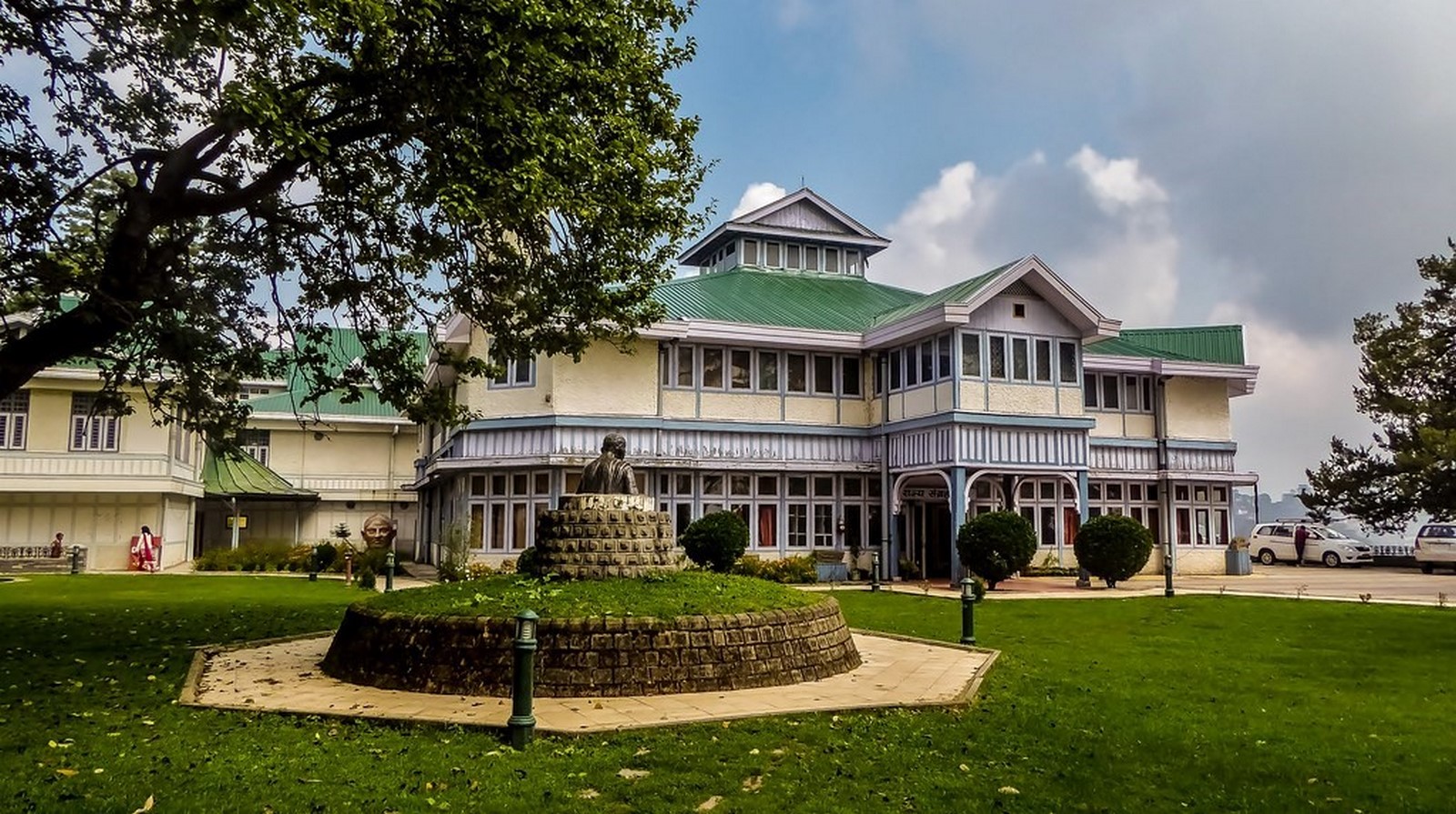
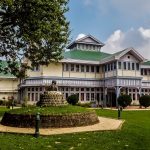
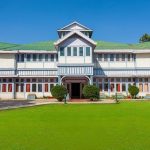
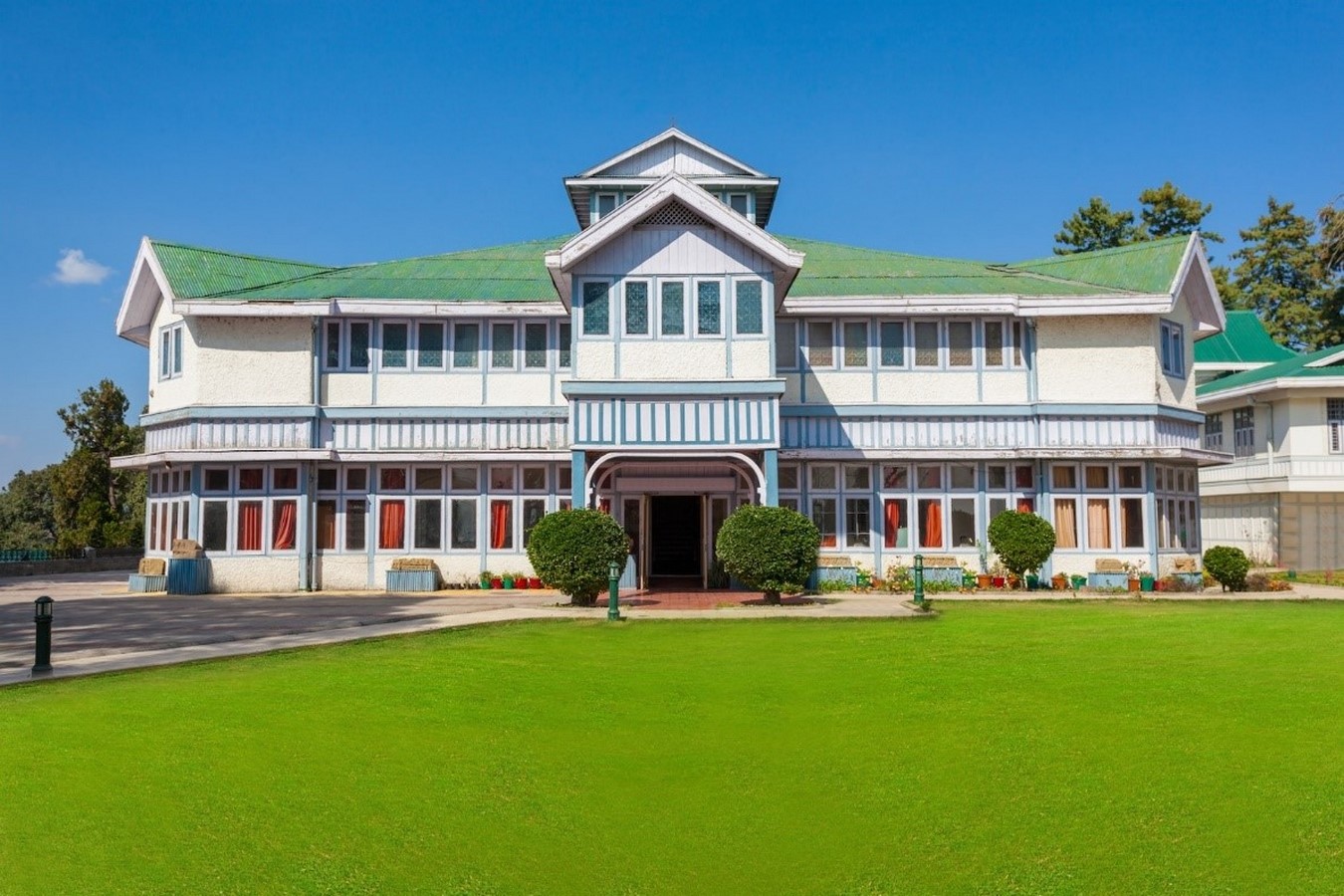
The Himachal State Museum in Shimla is situated in a colonial structure atop Inverarm Hill at a height of 1500 metres. The museum, which dates to colonial times, was previously Lord William Beresford’s private mansion.
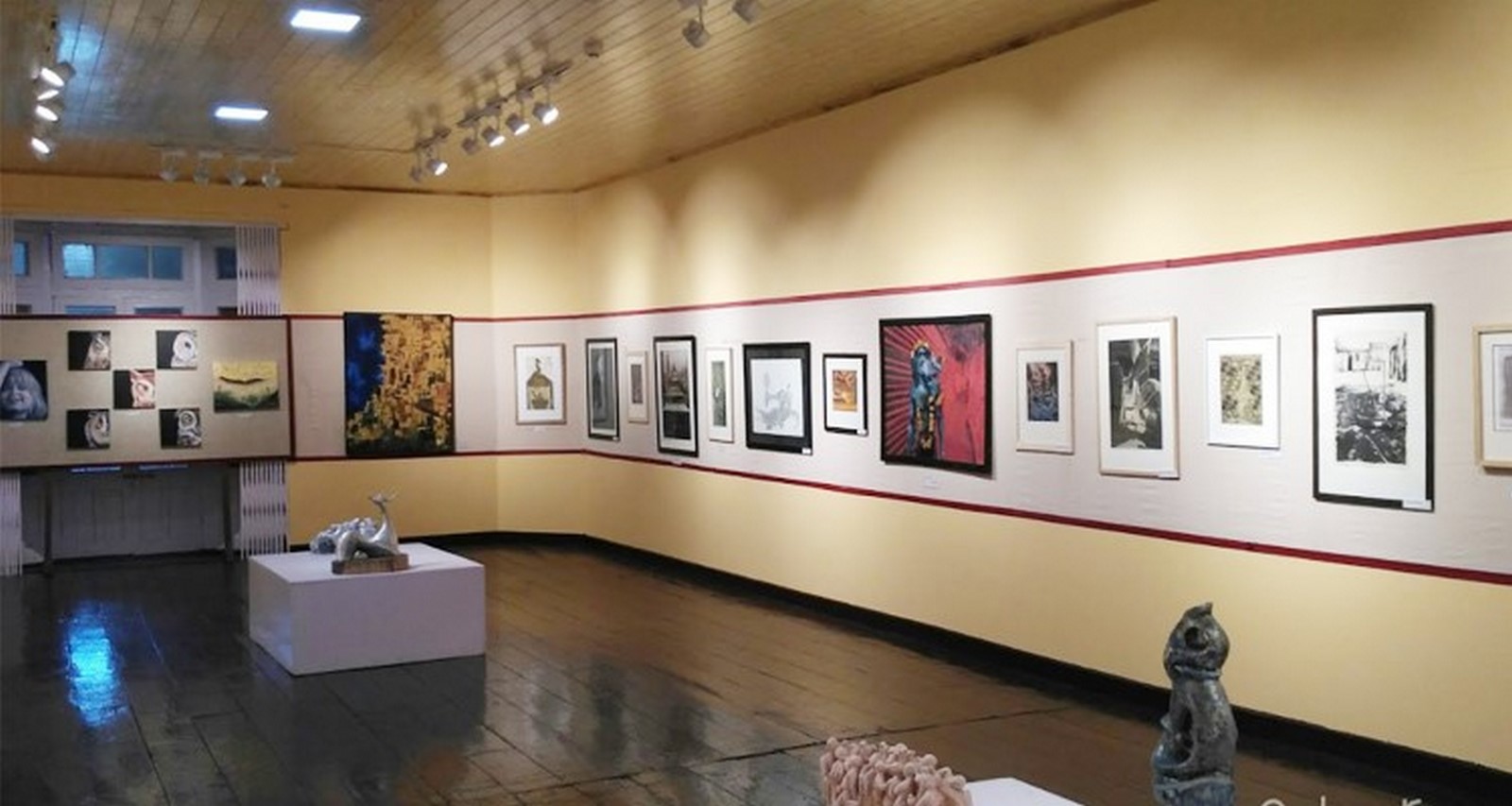
Numerous anthropological artefacts, Pahari miniature paintings from the early 19th century, and numismatic findings are on show there. It also has a small collection of deity masks from the 19th and 20th centuries that were discovered in the valleys of Kullu and Sarahan, as well as a collection of bronze idols from temples located all over the Himalayas, as well as modern oil paintings that depict some of the most picturesque Himalayan scenes. Over 10,000 books, periodicals, and journals that reflect the historical significance and cultural variety of Shimla as well as the rest of India are kept in the museum library.
9. Kalka-Shimla Toy Train.
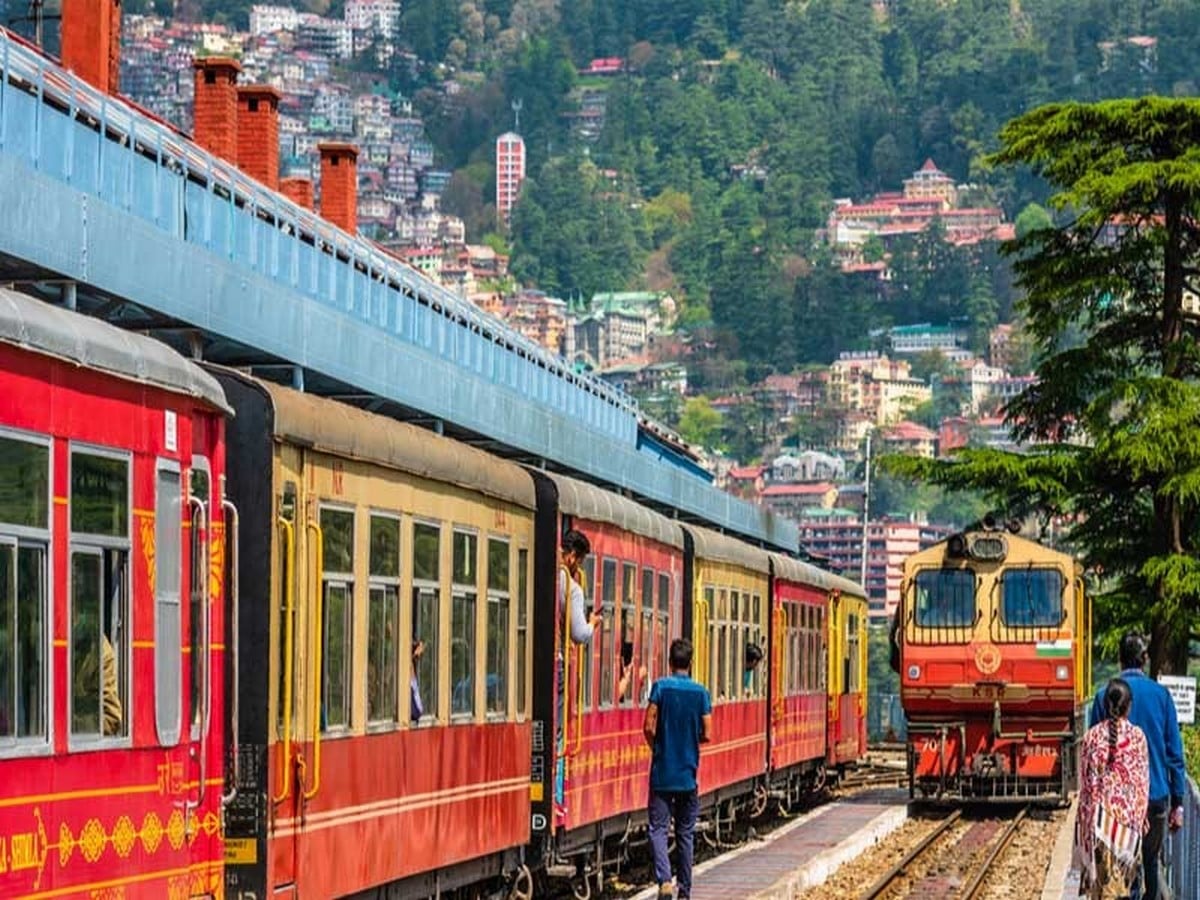
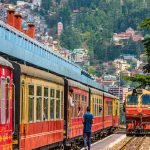
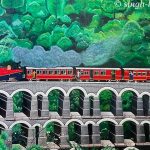
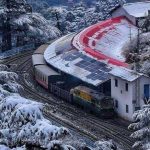
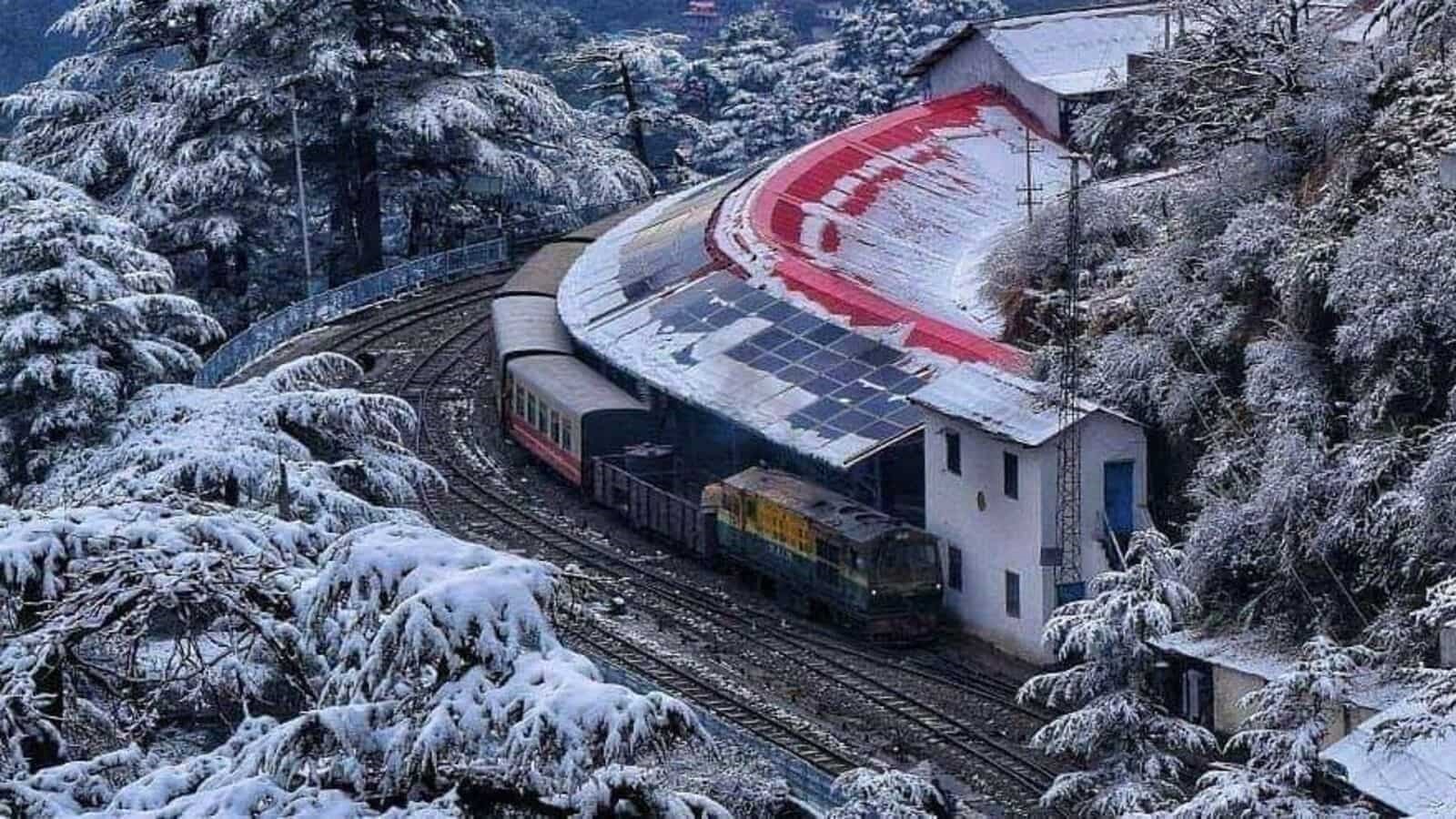
One of the spectacular locomotive experiences that leave enduring thoughts of the hill station’s extensive imperial past is the Kalka Shimla Toy Train. This train’s construction began in 1898 during the British era and was finished in 1903. The year 1903 saw the beginning of this train. The mountain railways of India’s World Heritage Site now include this narrow-gauge railway, according to UNESCO. It is a narrow-gauge (2 feet, 6 inches) train that travels between Kalka, a city in the Haryana state, and Shimla, a well-known hill station and the capital of Himachal Pradesh.
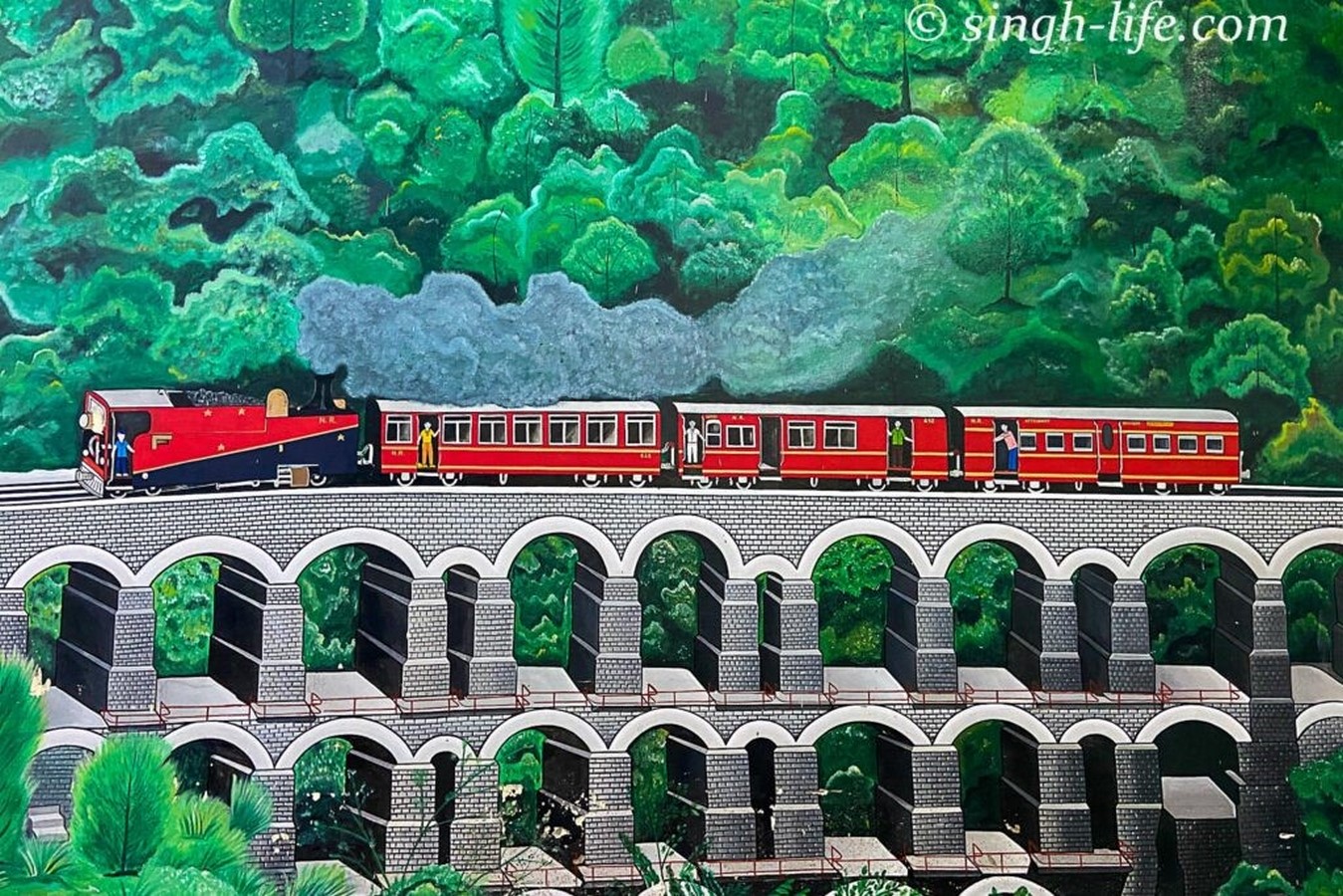
This five-hour train excursion covers 96 kilometres while providing stunning vistas of hills covered with pine trees. 20 stations, 103 tunnels, 800 bridges, and over 900 stunning twists are all included in this adventure. It intends to offer a superb overview of the lush green slopes, majestic hills, rivers, and pine-covered forests.
10. Annandale | Places to Visit in Shimla
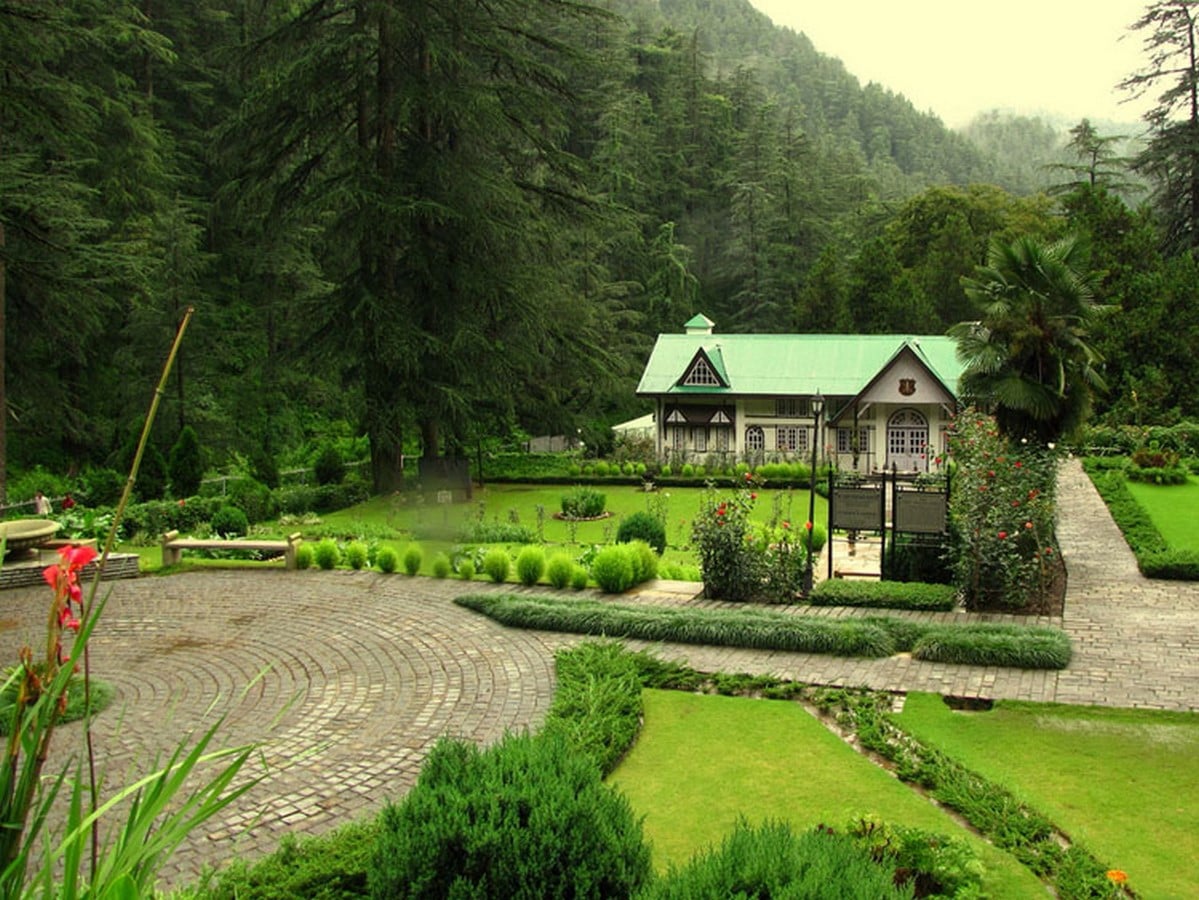
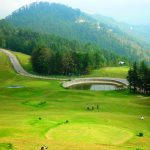
Near the western region of Shimla, in the hill town of Naldehra, lies a gorgeous meadow called Annadale. It is bordered by a thick forest of oak and deodar trees and has an area of 121 bighas. The city’s playground has been built on the flat land of Annandale
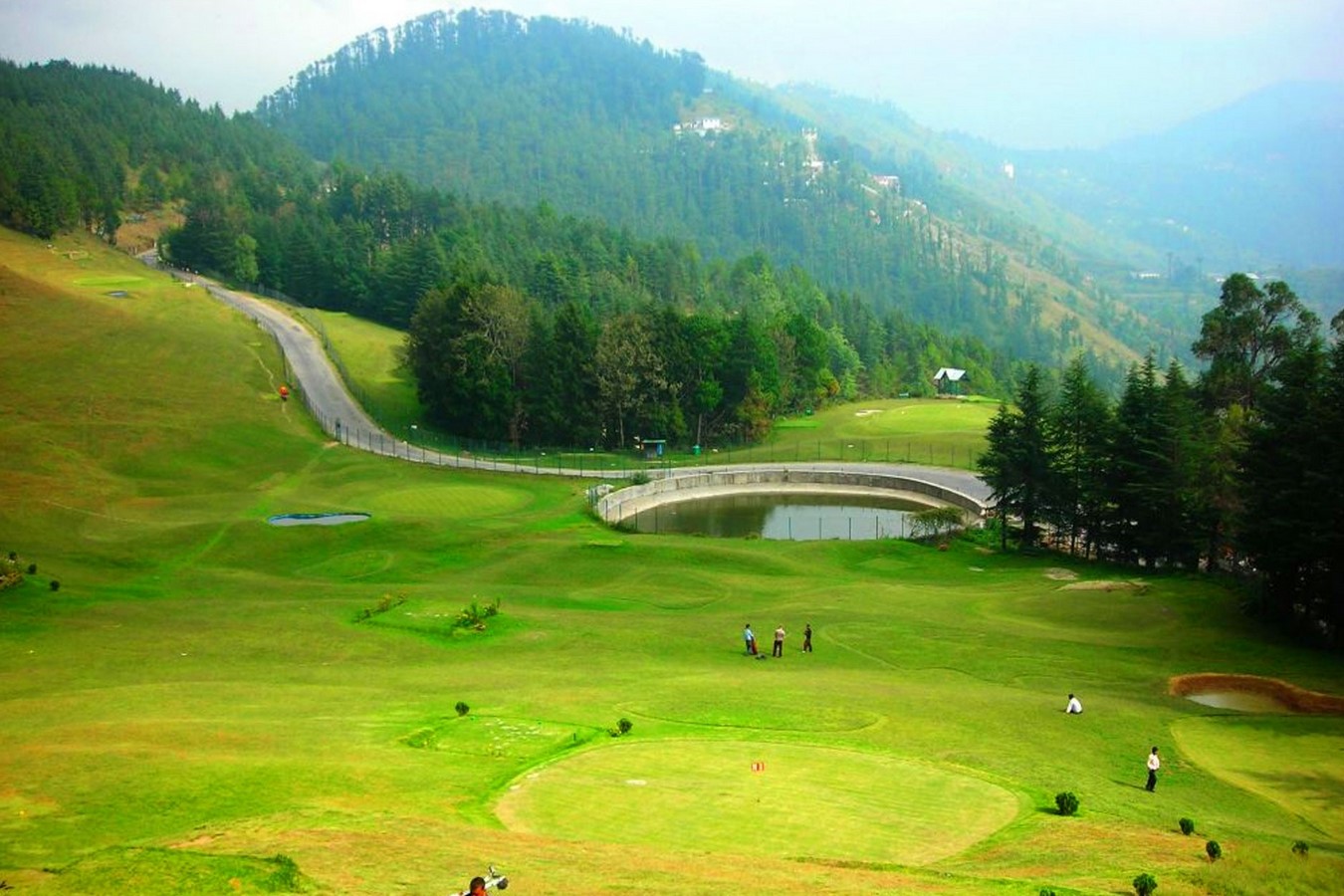
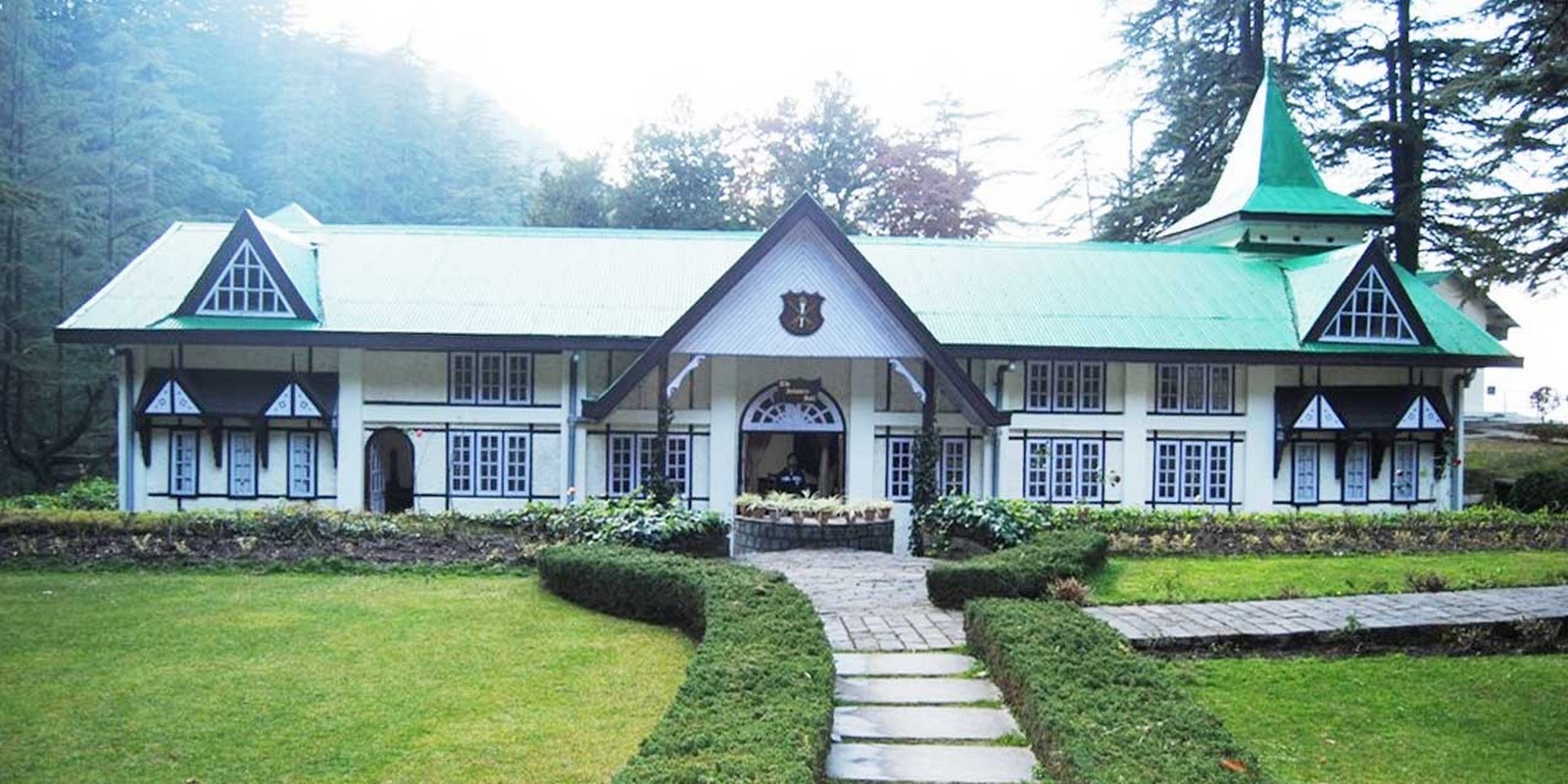
Since British occupation, this area’s terrain has gained fame. Racing, cricket, and polo were once popular sports played here by British people. Activities for entertainment were also planned at this time. Not only does Annandale have wide space and lovely surroundings, but it also has the Annandale Army Museum, a striking museum that enhances the beauty of nature with the beauty of Man-made art.
11. Kuthar Fort
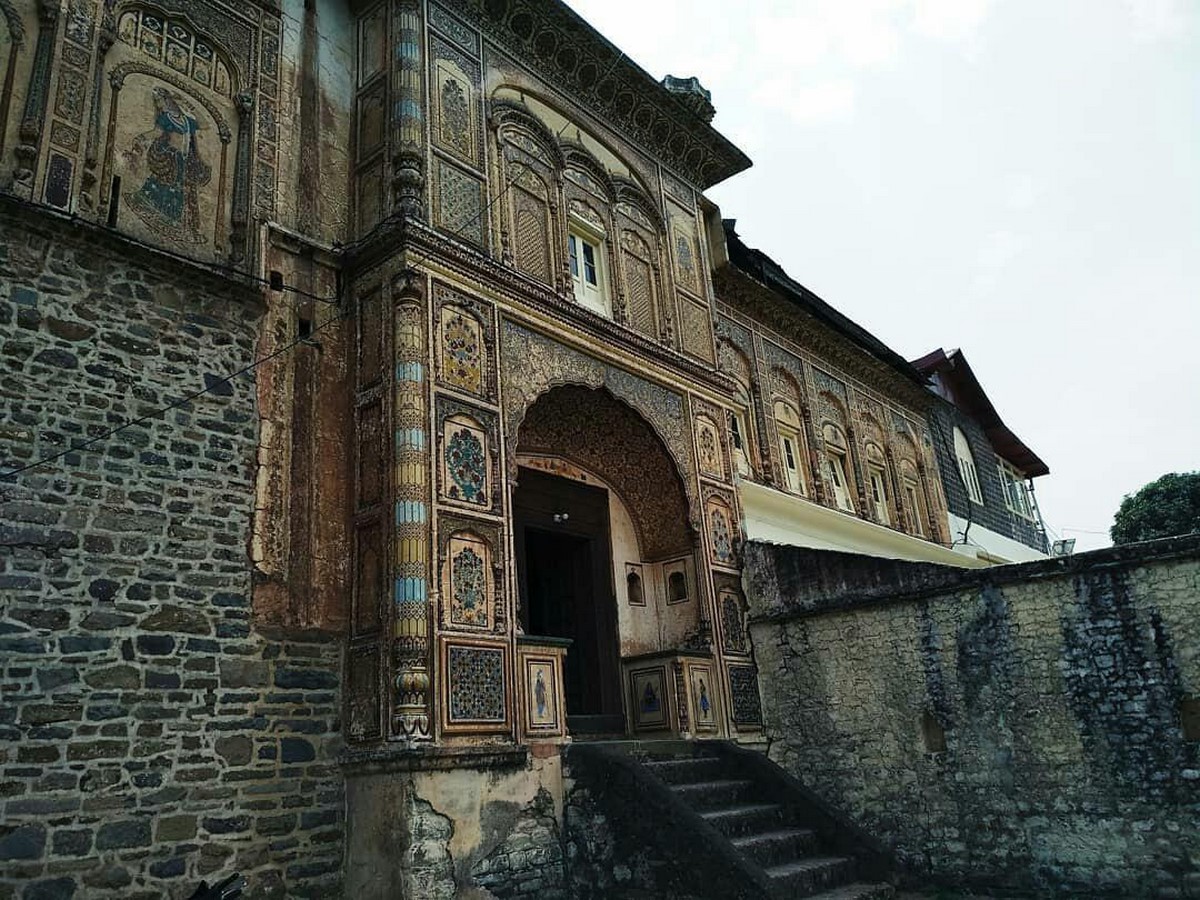
The 800-year-old Kuthar Fort, originally known as Kishangarh Fort, is situated amid the unending tranquilly of the Himalayas. It has a 52.8 square metre area and includes a fresh water supply facility, lovely green gardens, and historic temples.
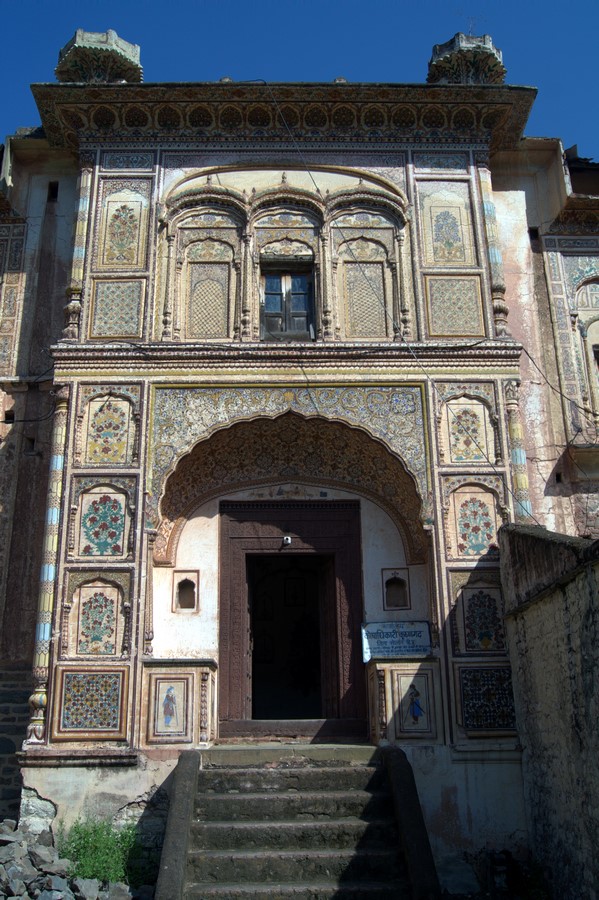
The architecture of the Kuthar fort palace is inspired by Rajasthani design. It is among India’s most exquisite examples of Rajasthani architecture. It captures the authentic and opulent Rajputana way of life and culture.
The complex pillars inside the fort demonstrate the fort’s masterful architecture. Arches and intricately carved wooden ceilings adorn the castle. The artefacts of the royal family are displayed in the fort’s arcades. Wood, a widely accessible building material, is used extensively inside the house, particularly on the walls. The Royal family’s artworks are shown on the wall’s wooden carvings.
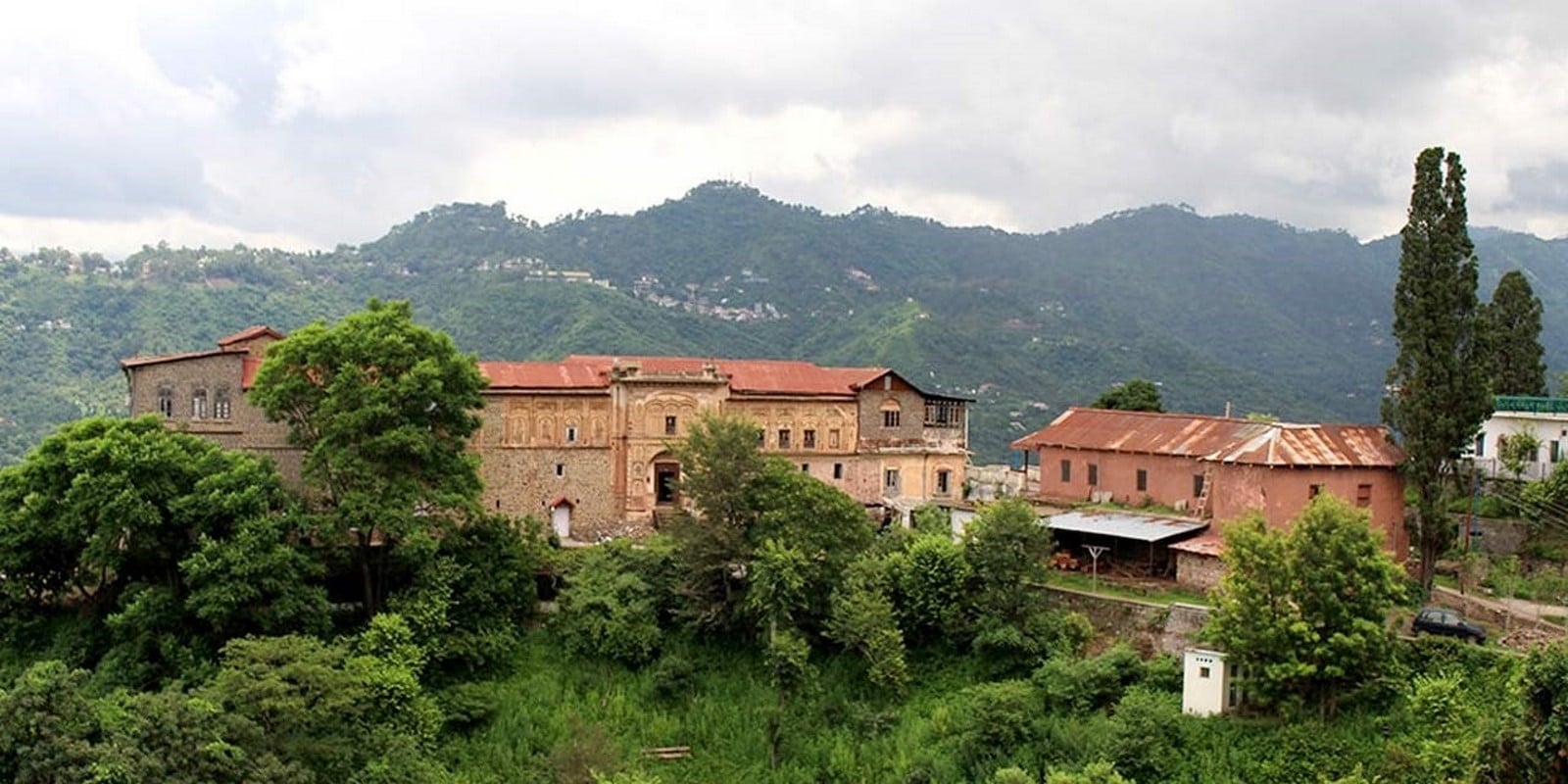
The fort is currently being used as a resort, complete with regal amenities to provide its guests with a royal experience. The Gurkha Fort from Subathu, Kunihar, and Kasauli Hill Station are just a few of the breathtakingly beautiful places that surround the Kuthar Fort.
12. Lakkar Bazzar
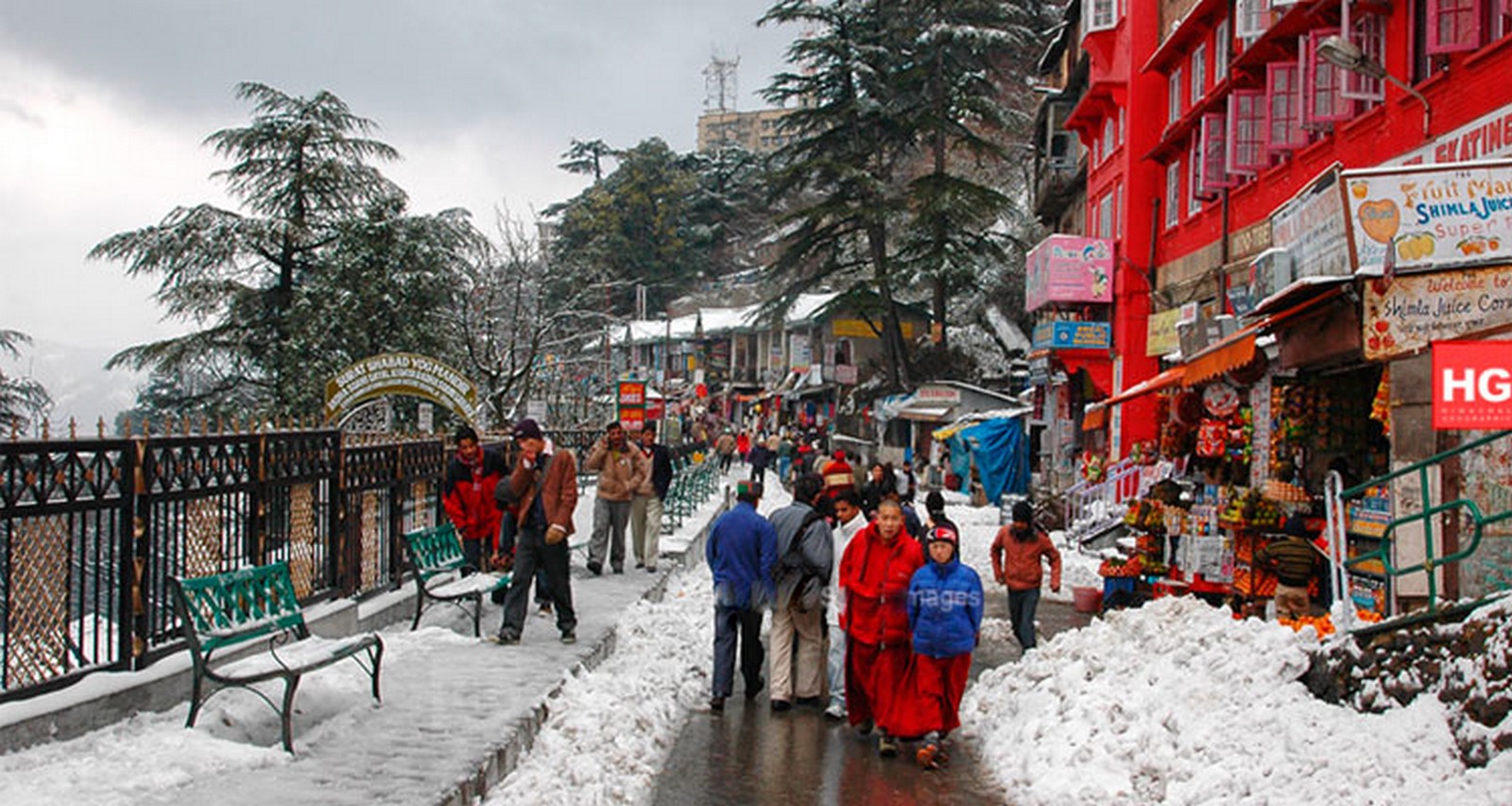
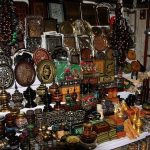
Shimla’s Lakkar Bazzar is a well-known antique and flea market that is situated on the Ridge. A few Sikh craftsmen who moved to Lakkar Bazaar from Hoshiarpur a century ago are famous for their wooden toys.
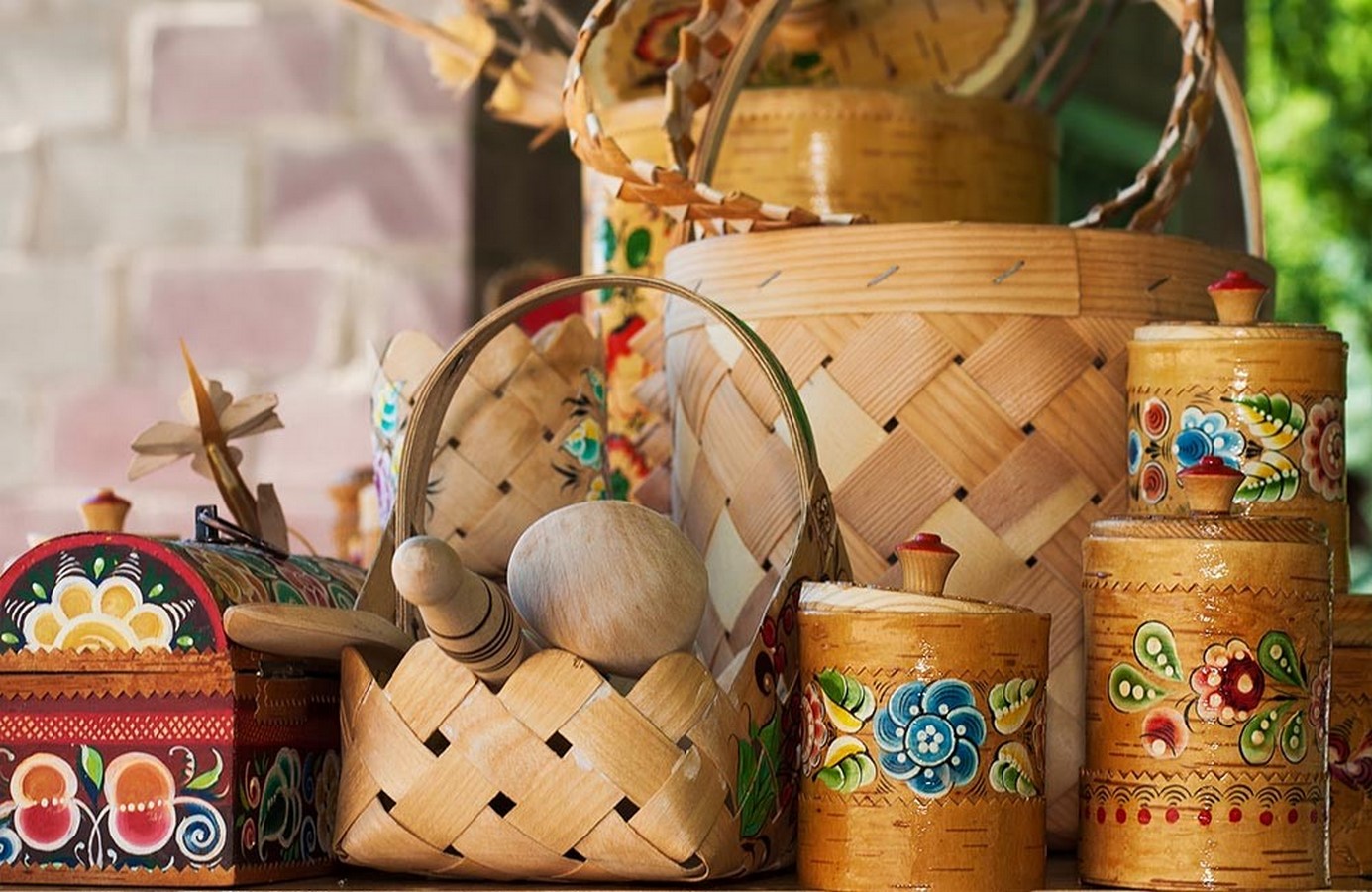
Wooden toys, walking canes, the Regal building, a roller rink, Indian foods like aloo Tikki and chole bhature, and Meena Bazaar are all well-known in Lakkar Bazzar.
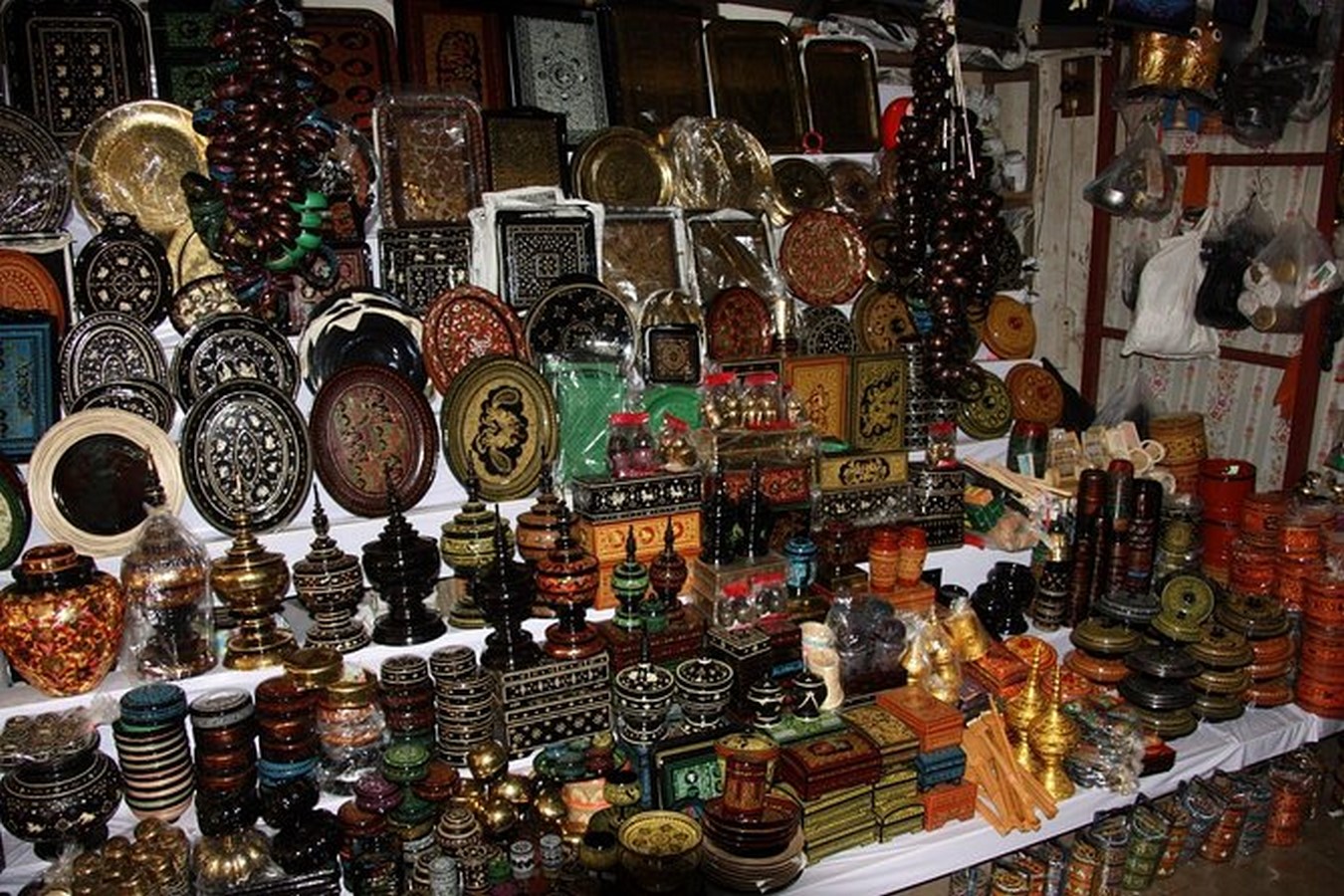
In Shimla, wood is the material that is most widely accessible. Wood has assisted people in Shimla in making a living and producing stunning art, whether it is for buildings or artefacts. Lakkar Bazzar organises a celebration of the old art that has been practised for a long time with the participation of the entire community.
13. Gaiety Heritage cultural complex | Places to Visit in Shimla
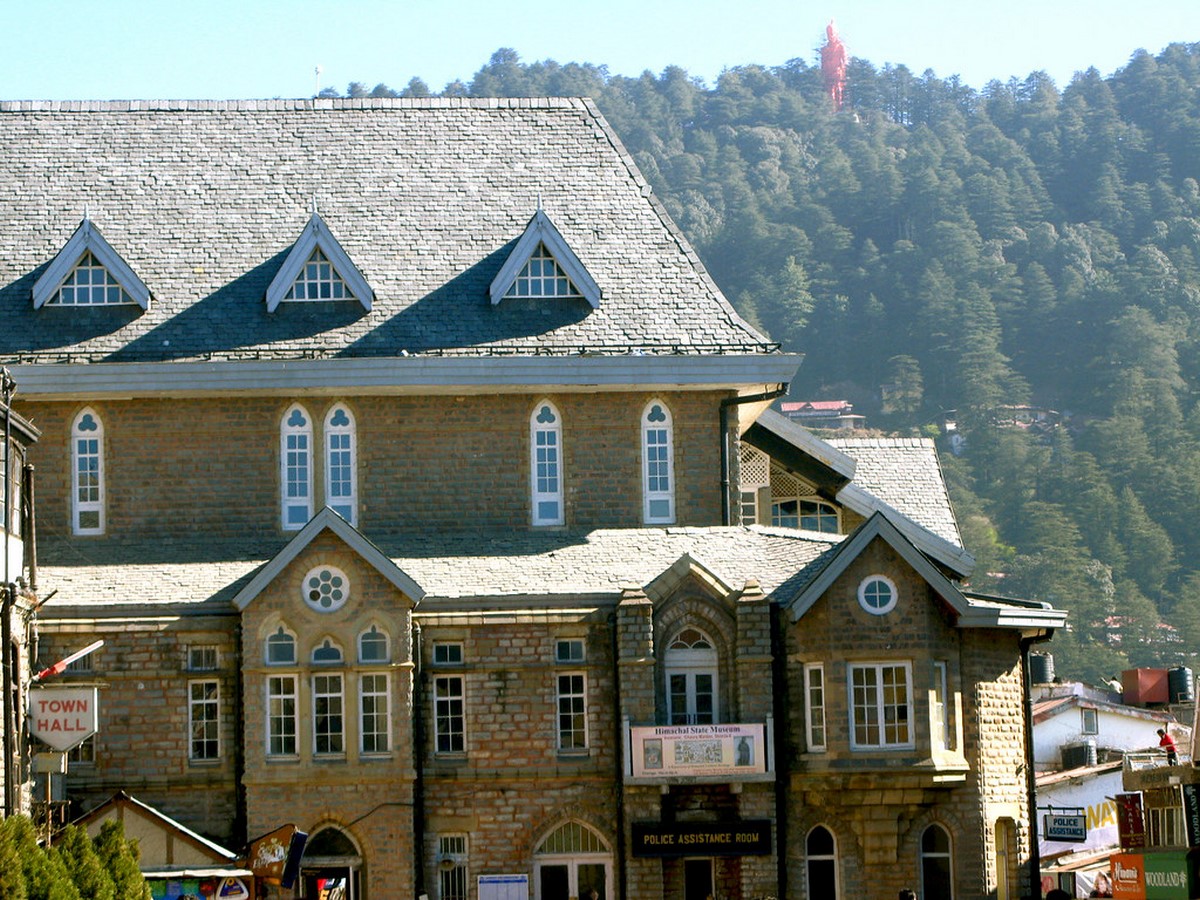
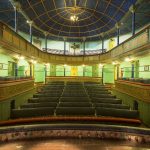
The Gaiety Theatre, also known as the Gaiety Heritage Cultural Complex, is a Shimla landmark with Gothic Revival architecture that first opened its doors on May 30, 1887. It formerly belonged to the sizable Town Hall Complex. It could accommodate more than 300 people.
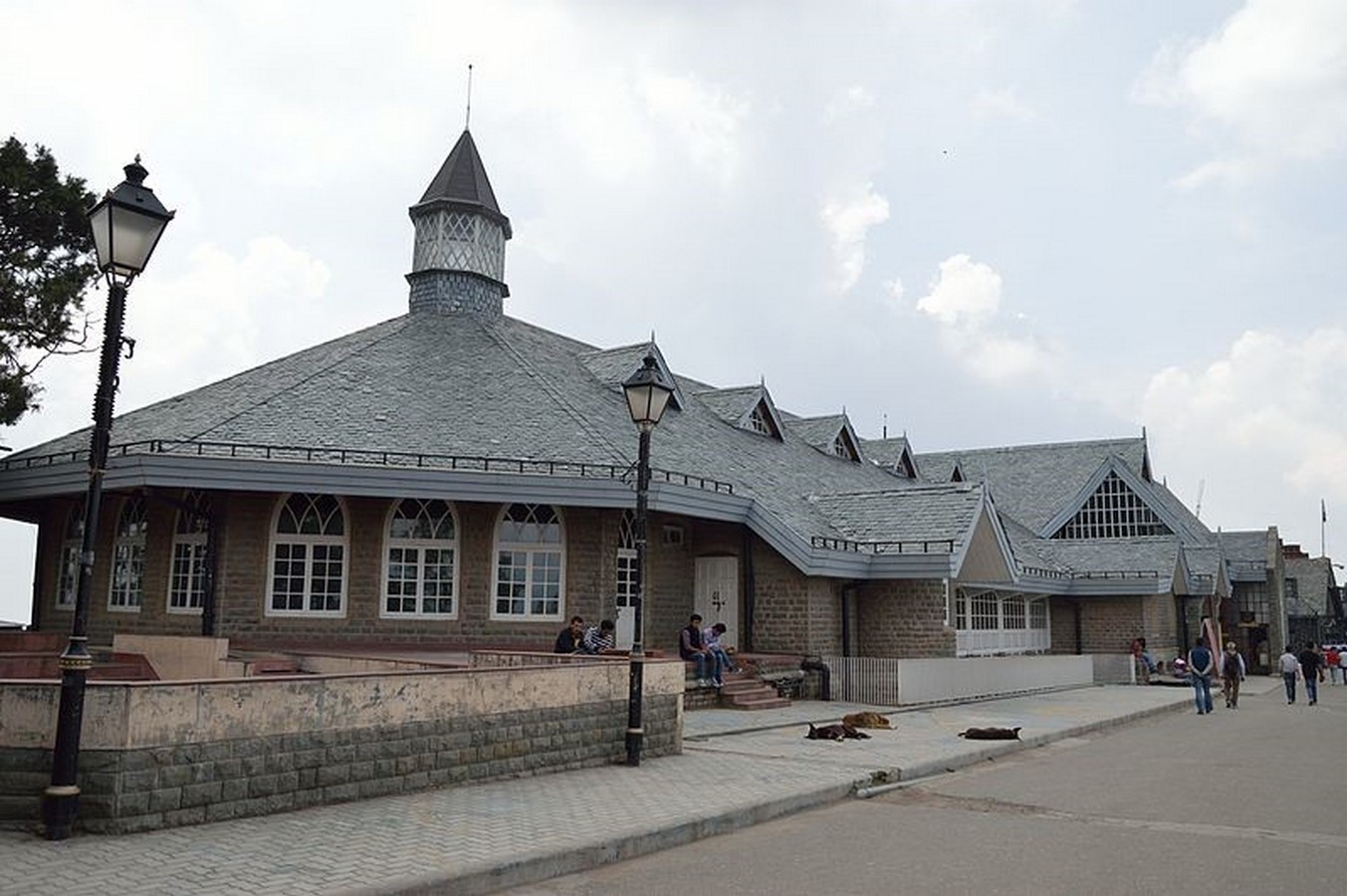
It was once a five-story structure including a theatre, ballroom, armoury, police station, bar, and galleries. It was discovered that the building was structurally unstable 20 years after it was built. The Gaiety Theatre was partially destroyed but is still standing. The theatre served as a hub for entertainment and social interaction and has a long history.
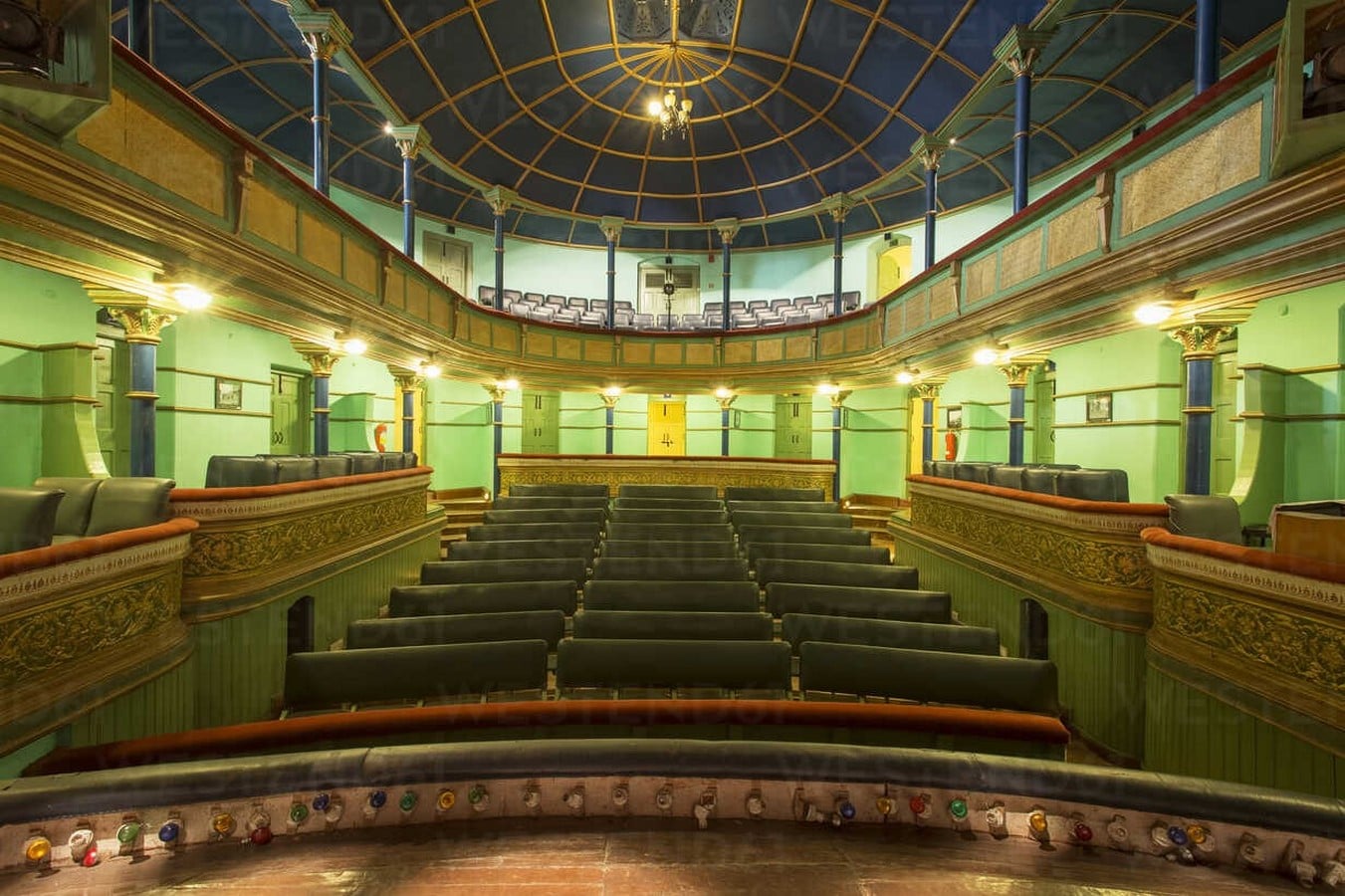
The Gaiety heritage cultural complex, which is the state’s centre for performing arts, comprises a larger community complex and a range of venues, including an exhibition hall, an art gallery, a multipurpose hall, an amphitheatre, and a historic theatre hall. Almost all genres of art, including painting, photography, dance, theatre, theatrics, elocution, sculpture, and classical and folk music, are supported by the complex. The Gaiety, a more than a century-old icon of art and culture, is most well-known for its social club.
14. Kufri
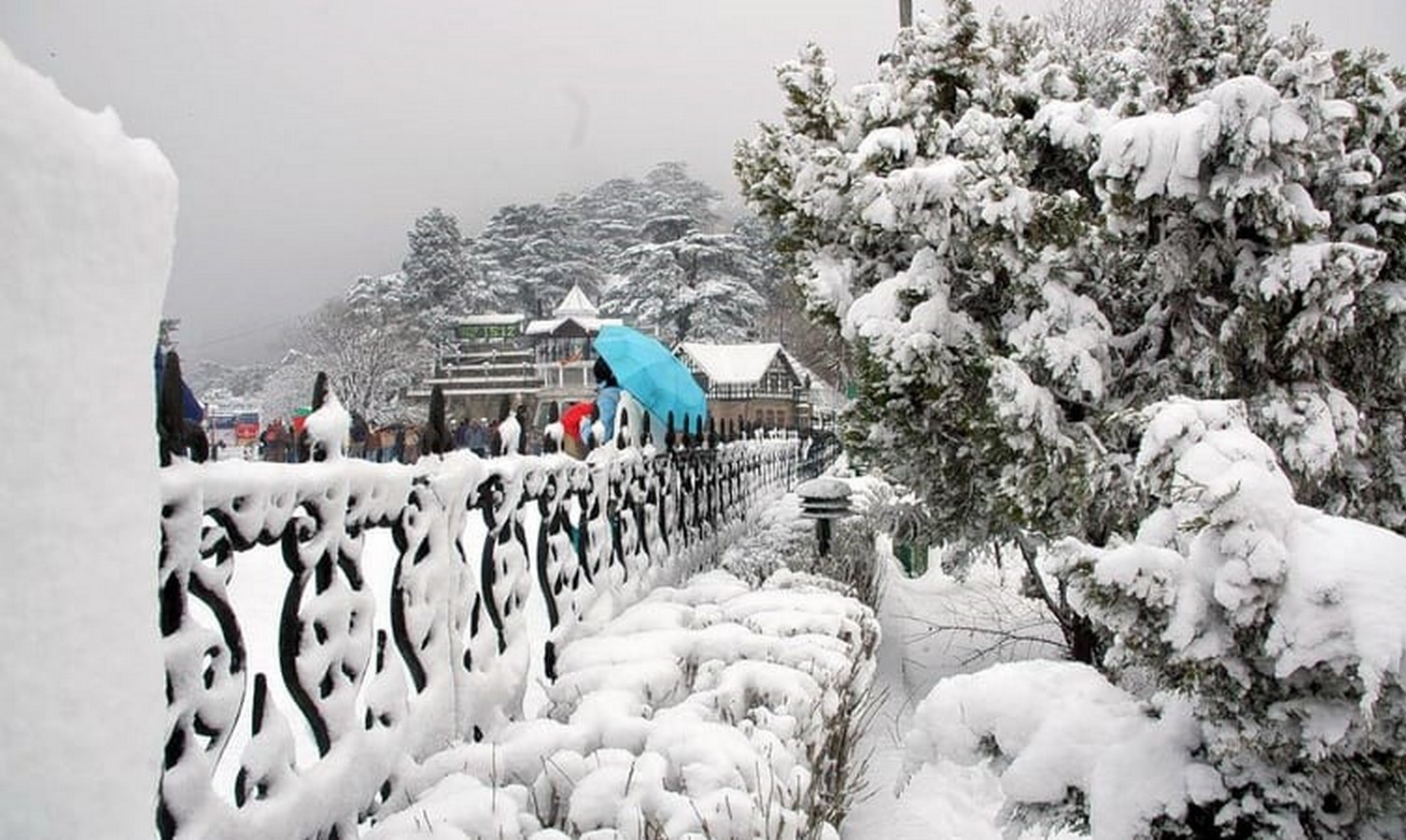
Kufri is referred to be the Switzerland of the east because of its serene settings, amazing vistas, and distinctively beautiful places. The little town’s steep valleys, which are encircled by a ring of Himalayan mountains, are perpetually green in the summer and ethereally white in the winter. On the northern side of Kufri, there is a wildlife sanctuary called Water Catchment Wildlife Sanctuary that provides Shimla with a diversity of flora and animals. Through a woodland corridor, this sanctuary is also connected to the Chail Sanctuary. South of the water catchment refuge lies the Chail Sanctuary.
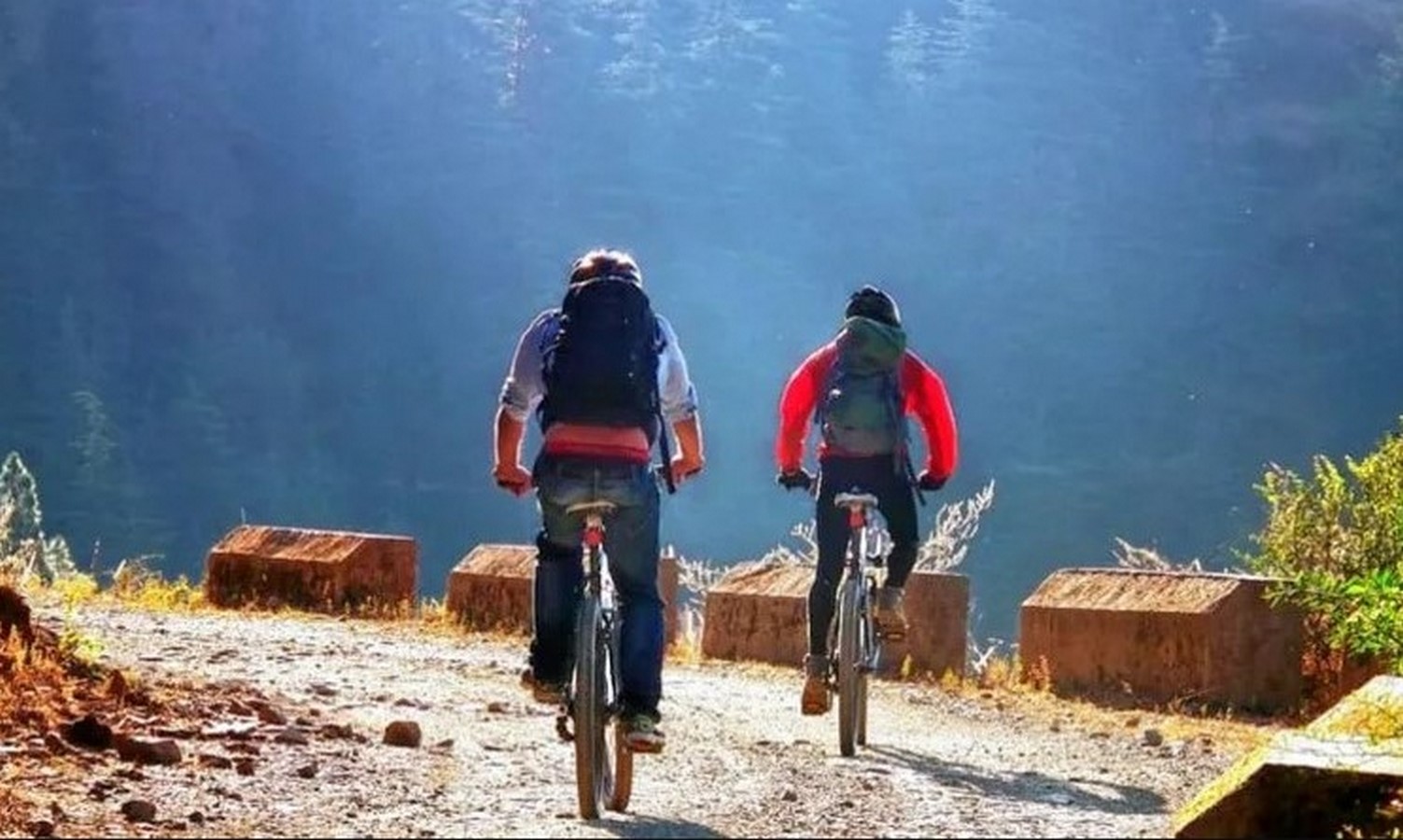
The valley also has a wide variety of indigenous plants and animals, including dense pine and deodar woods, which add to the area’s natural splendour. Kufri is relatively developed and provides visitors with a variety of sports and adventure activities, unlike other communities in higher mountains.
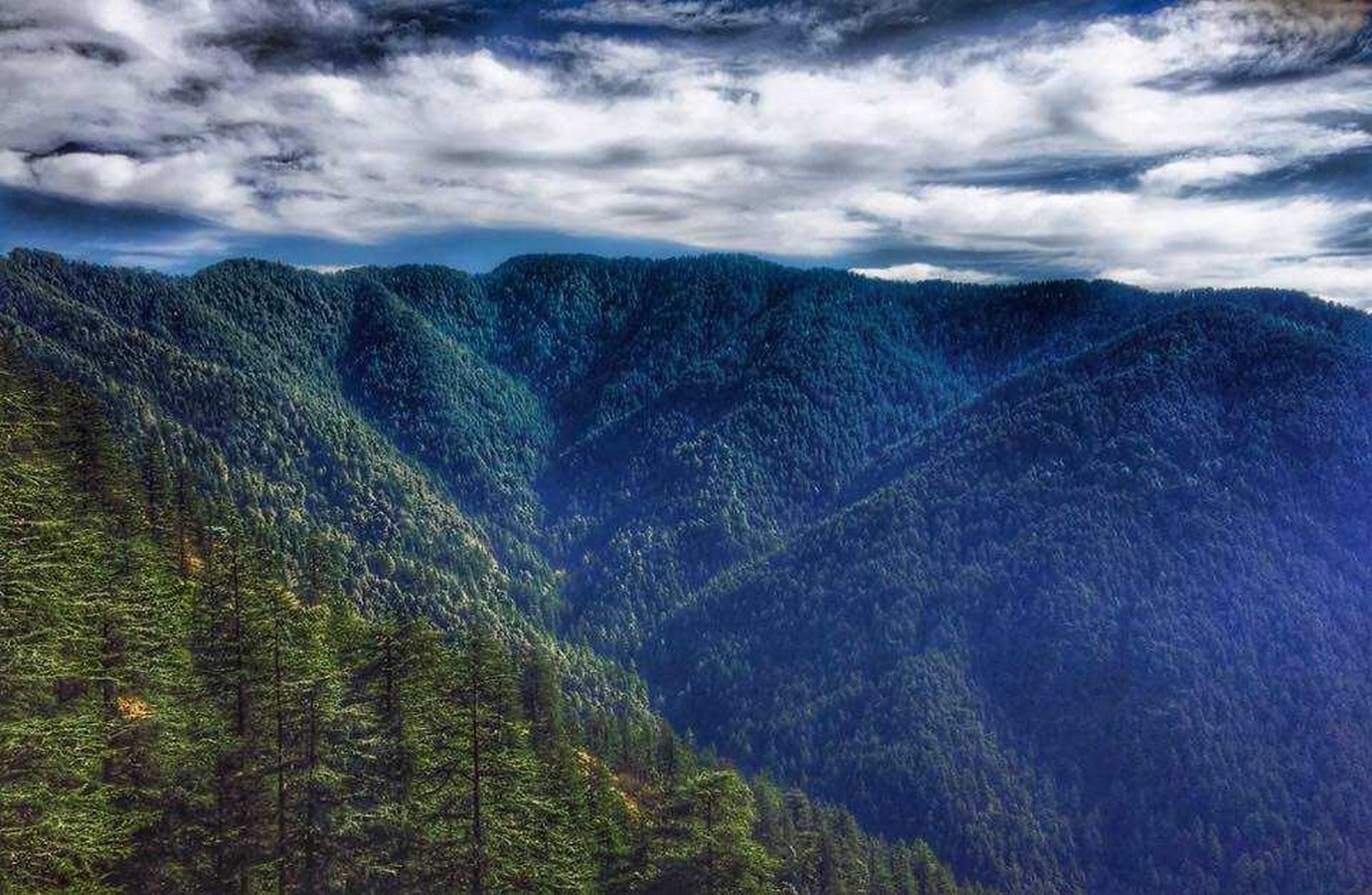
This National Park, which is bordered by breathtaking snow-capped mountains on all sides, is home to roughly 31 mammal species and more than 150 bird species. The village of Fagu in Kufri, also known as the Green Valley, is surrounded by mountains that are entirely covered in greenery and feature beautiful woods and a thriving bird population.
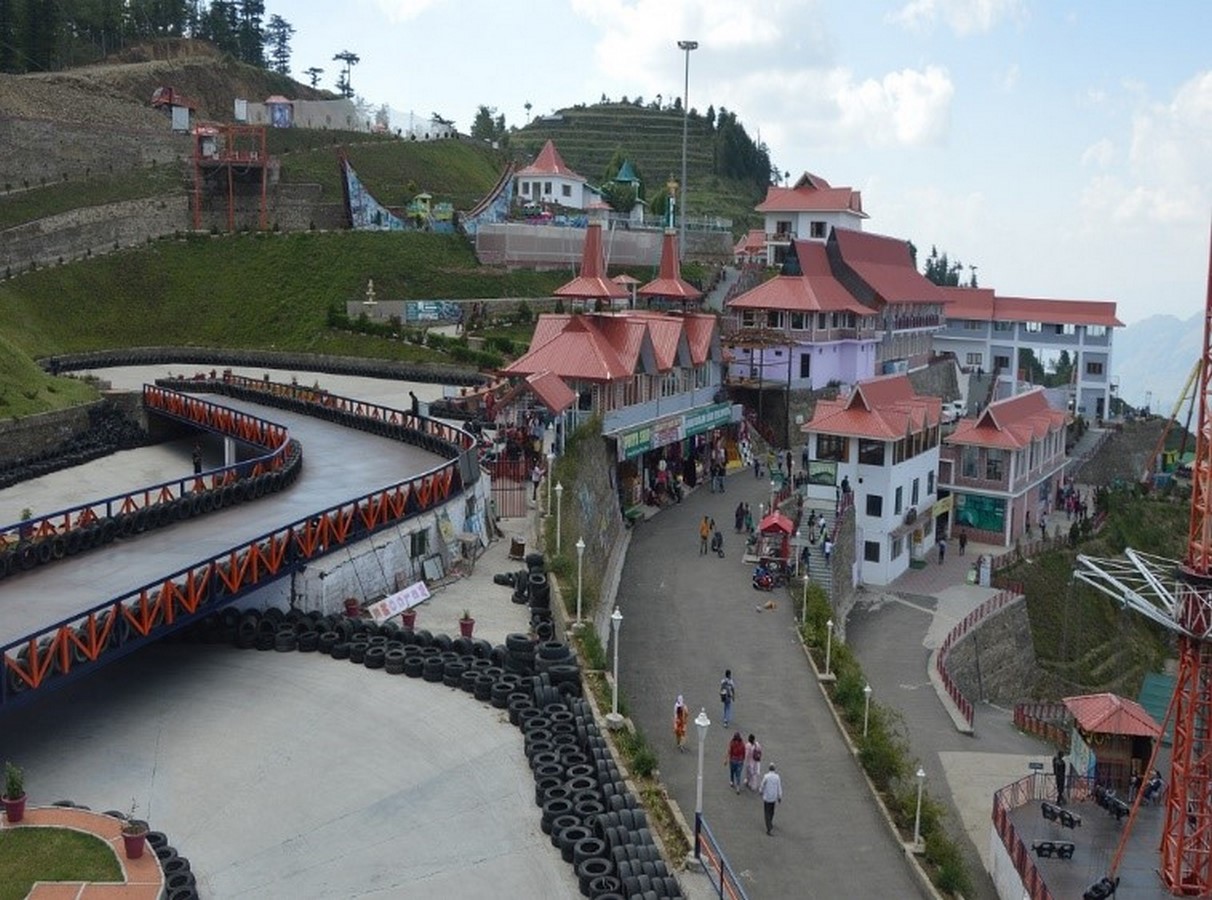
One of the tallest amusement parks on the entire globe is Kufri Fun World. The park has a go-kart track where guests may race against the magnificent Himalayas as a backdrop.
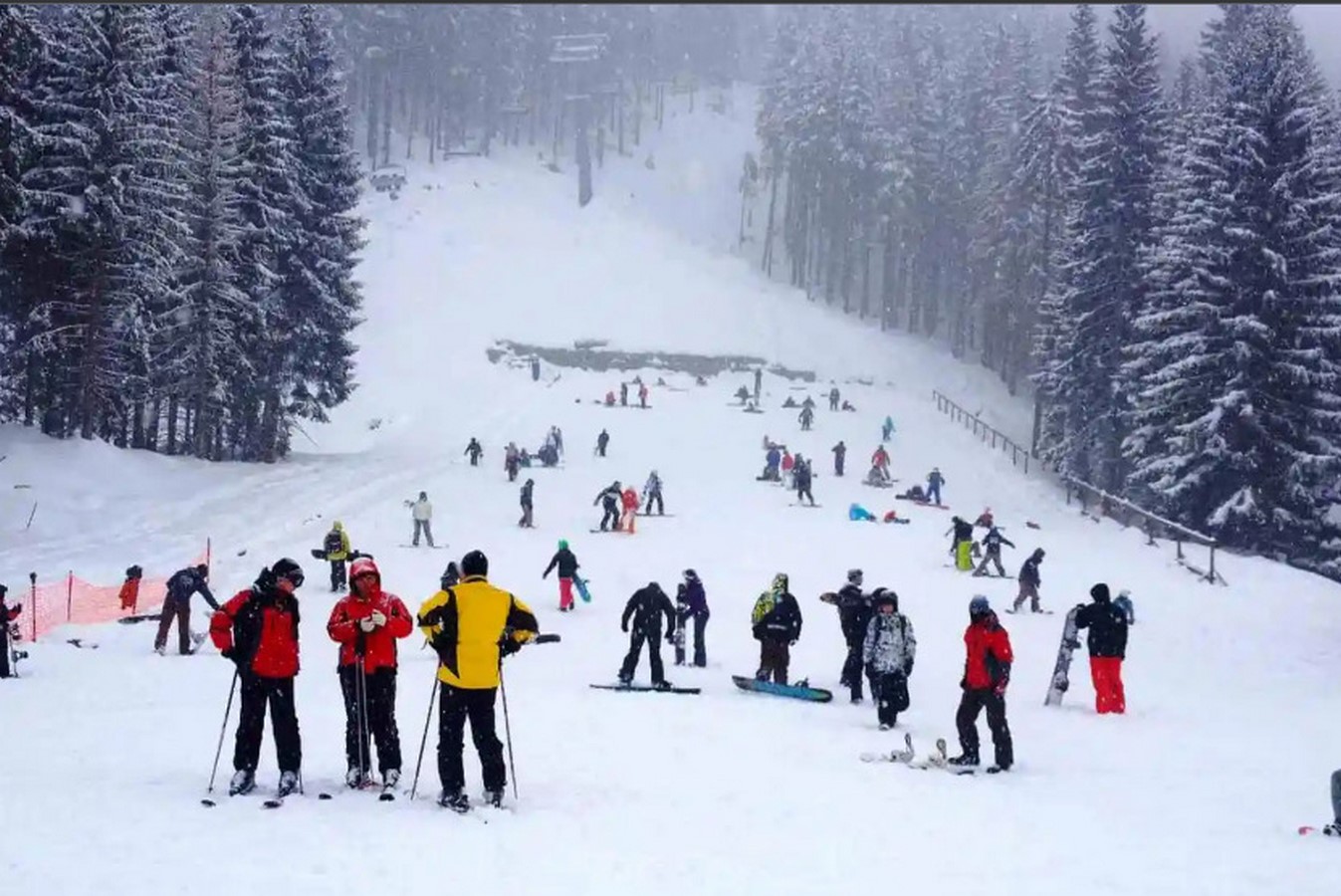
With some of Himachal’s most beautiful ski runs, Kufri is a favourite vacation spot for skiers. The donkey or mule ride up the Mahasu peak, which is the highest mountain in the area, is one of the most well-liked activities in Kufri.
15. Gorton Castle | Places to Visit in Shimla
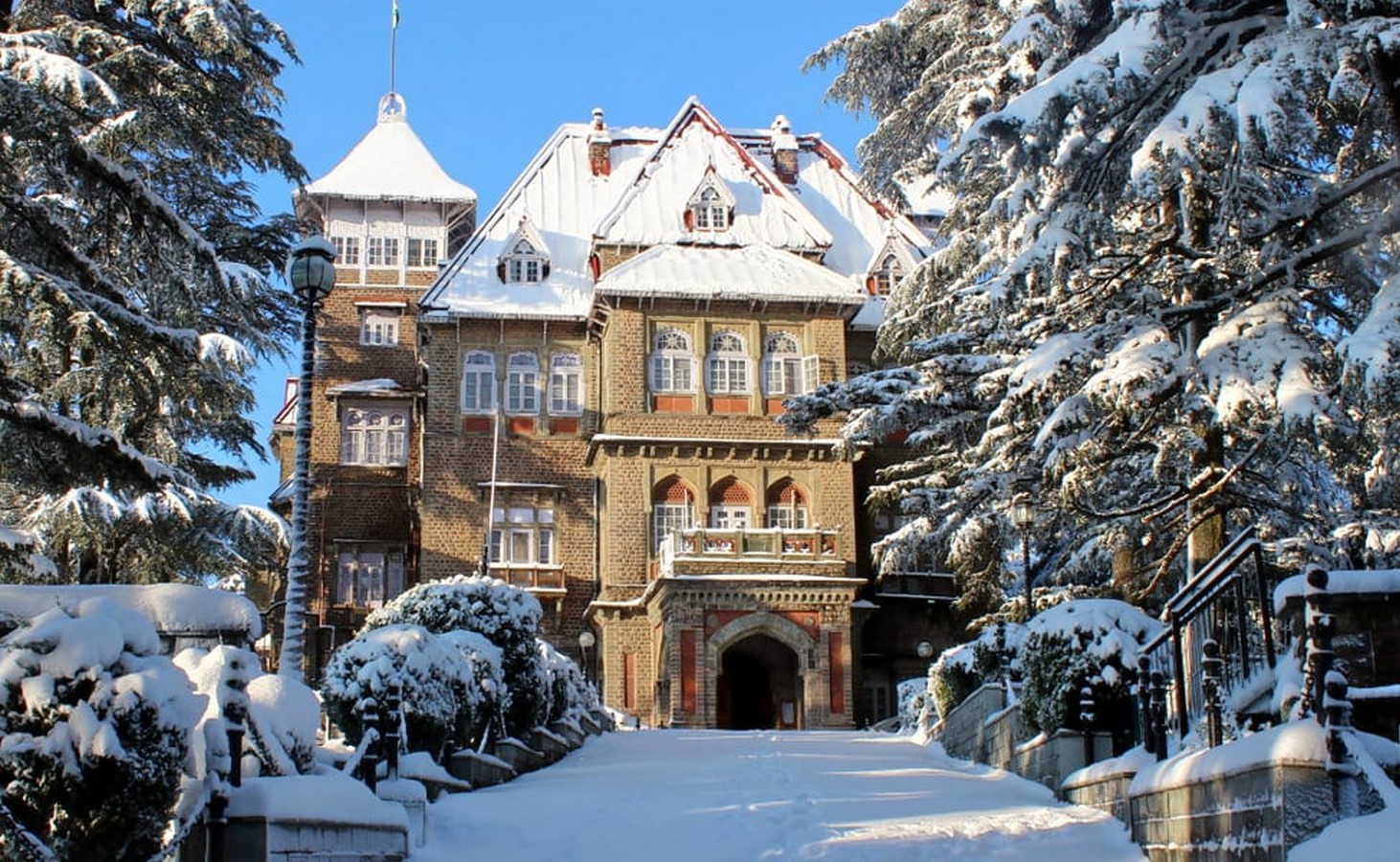
A landmark building from the Colonial era, Gorton Castle in Shimla was built in 1904. This castle’s design was influenced by Neo-Gothic architecture. It was a style of architecture that combined Islamic, Hindu, and western architectural elements.
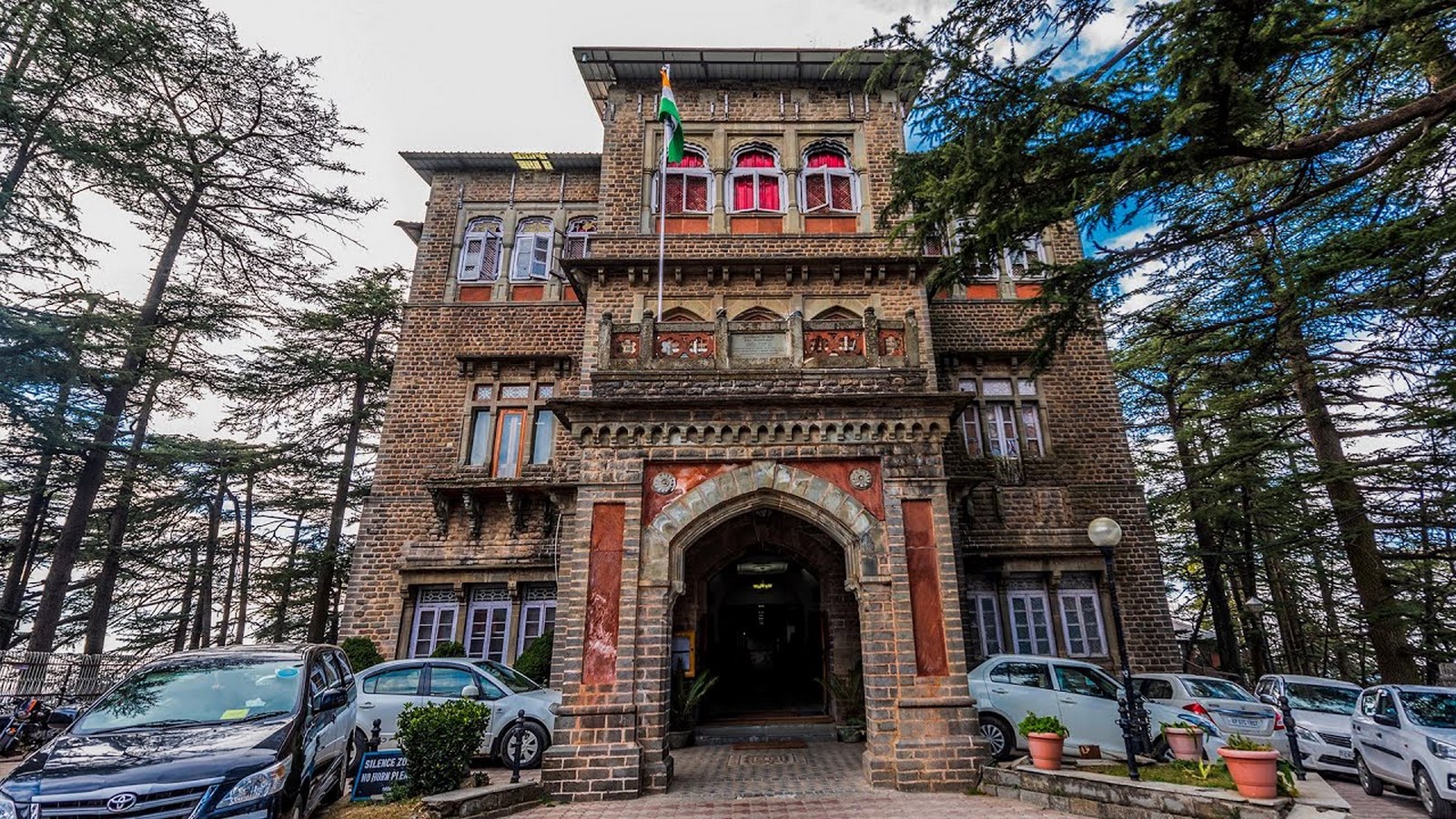
Gorton Castle, which is perched on a hill, is a three-story structure with a 400 ft by 100 ft footprint that has 125 rooms of varying sizes. Rosewood-colored wooden blocks primarily encircle the castle. They purchased the blocks from Andaman.
For the castle’s construction, greystones from Sanjauli, Himachal Pradesh, were utilised. Red tiles were used to assemble the castle’s roofing. Later, red iron sheets were used in lieu of the original red tiles (galvanized). The castle’s main entrance had a portico with a beautiful fresco that resembled a chalet. The castle’s side has bay windows.
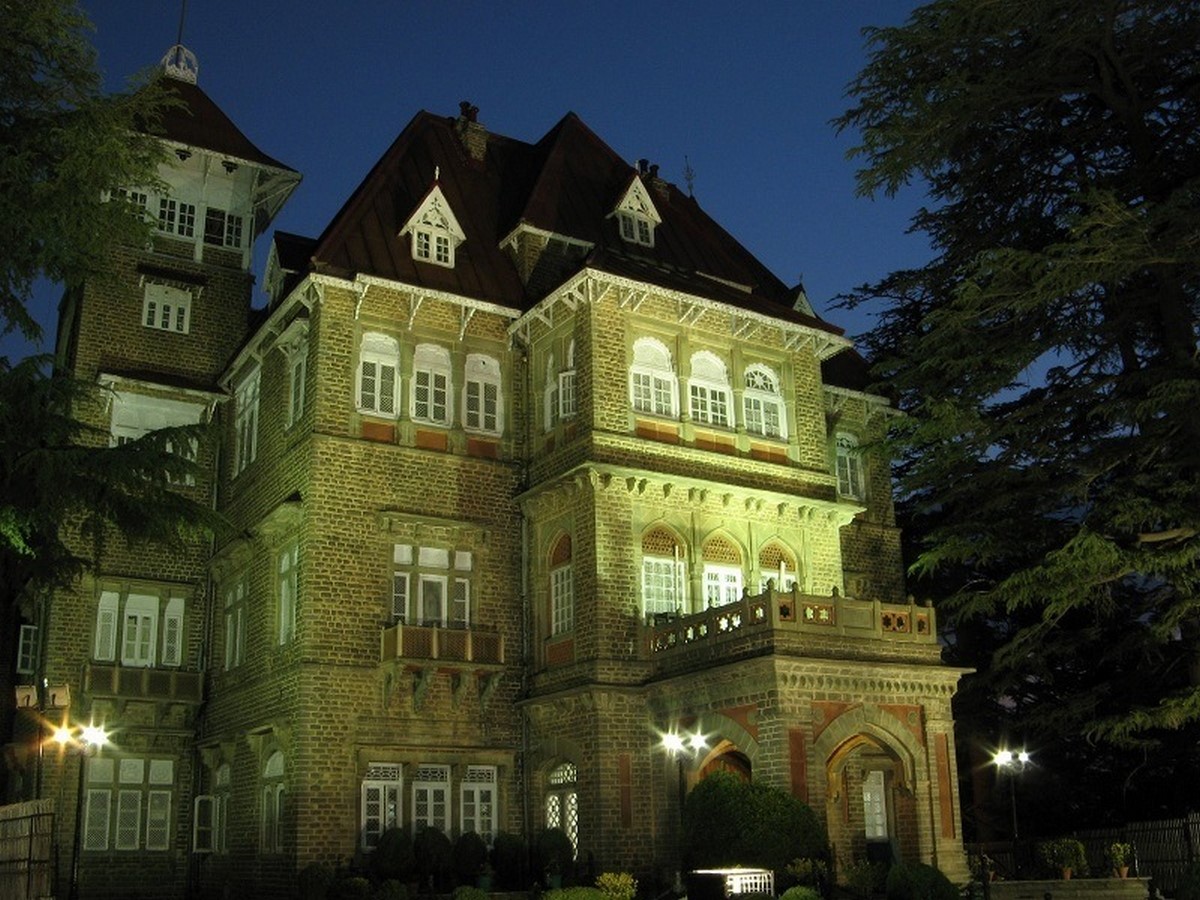
The castle’s stone walls were capped with tall turrets. The castle had the appearance of a castle from a fairy tale thanks to its red iron roof. The castle was perched on a hilltop surrounded by enormous Deodar trees and was clearly seen from a great distance away. Rajasthani net (jalli) work that was creatively fashioned was used to adorn the balconies of Gorton Castle.
References:
- Thrillophilia (2022) [ Online]
Available at-
https://www.thrillophilia.com/places-to-visit-in-shimla
- Wikipedia.com [Online]
Available at-
https://en.wikipedia.org/wiki/Shimla
https://en.wikipedia.org/wiki/The_Ridge,_Shimla
https://en.wikipedia.org/wiki/Mall_Road,_Shimla
https://en.wikipedia.org/wiki/Tara_Devi_Temple
https://en.wikipedia.org/wiki/Gaiety_Theatre,_Shimla
- Indianheritagewalks.org [Online]
Available at-
https://www.indiaheritagewalks.org/blog/explore-historical-architectural-charms-shimla-unique-heritage-walk
- Shimlatourism.co.in [Online]
Available at-
https://shimlatourism.co.in/christ-church-shimla
- Simlakalibari.org [Online]
Available at-
http://www.simlakalibari.org/home/?menu_id=5
- India.com [Online]
Available at-
https://www.india.com/travel/shimla/places-to-visit/museums-himachal-state-museum/
- Astrolika.com [Online]
Available at-
https://www.astrolika.com/monuments/kuthar-fort.html
- Shimlaonline.com [Online]
Available at-
https://www.shimlaonline.in/city-guide/gorton-castle-shimla