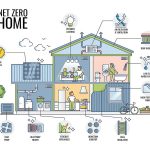
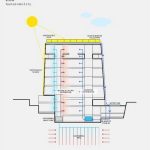
Net-zero energy (NZEBs) term is given to those buildings whose complete energy requirements are met by its own generated energy on site, both for its construction and operational needs. Since the construction industry is very resource intensive and a lot of energy goes into building and then running it, it is a necessary step to balance out some environmental impact.
With the advancement in technology, there are a lot of needs or facilities that have added to the energy consumption of the building like HVAC, Lifts etc. As a measure to reduce the carbon footprint and pressure on the limited natural resources, buildings are being made self-sufficient for energy generation.
Under the attempt to create a sustainable future, several innovative ways have been adopted to make the buildings net- zero energy.
Existing Strategies Adopted To Design NZEBs
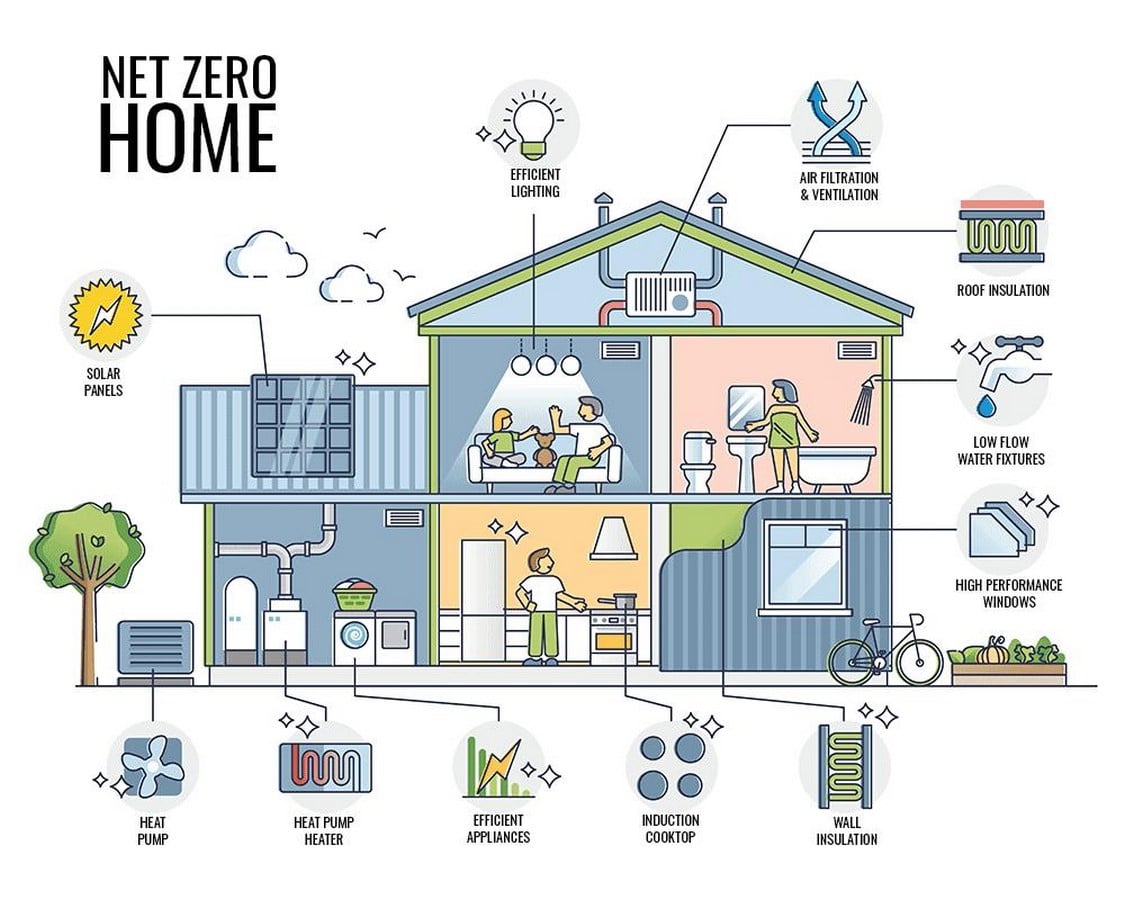
The strategy is to design buildings that are highly energy efficient and leave a least impact on the environment. From as simple as installation of solar panels to innovating materials to absorb carbon dioxide, there are several strategies that have contributed to reduce energy consumption of built environments.
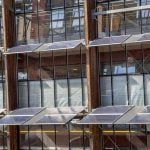
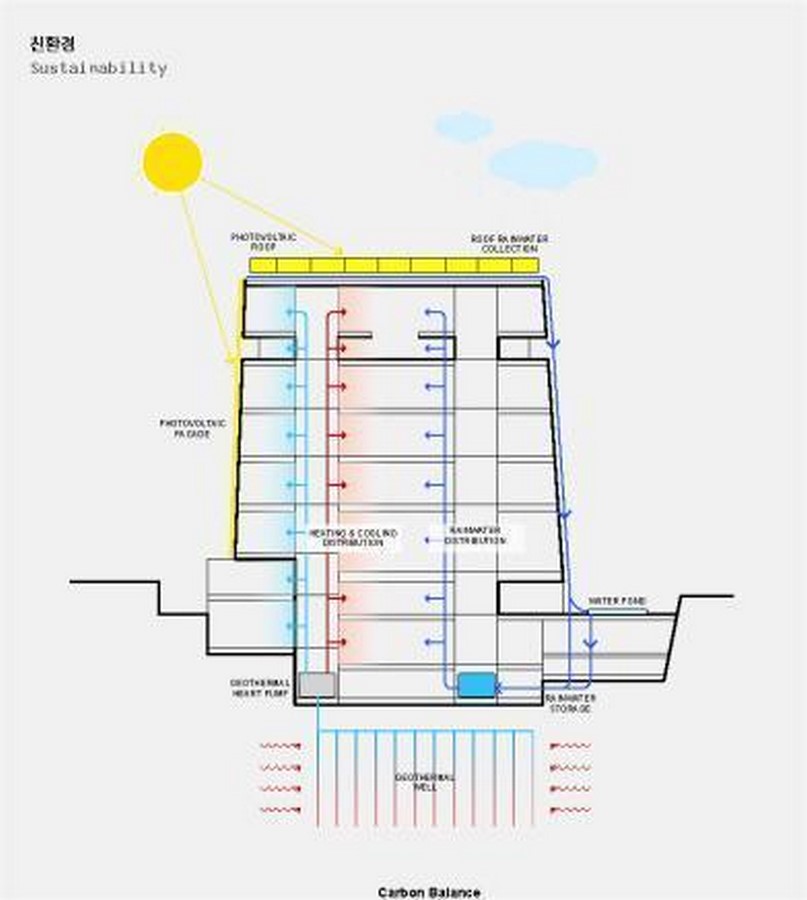
Designs are being improved in terms of how much the interior is lit with the natural light as well as ventilation. Lights are now installed with motion sensors who only get switched on when in need, small measures would also go a long way in reducing energy consumption. Incase of multi-storey builds, the facades are designed to incorporate solar panels, taking advantage of huge plane surfaces.
Another common strategy is the installation of green facades to lower the heating of the facade. Vertical vegetation also allows for fresher air around the building and also absorbs the dioxide (urbangreenbluegrids.com, n.d.). Rain water harvesting and recycling of water are also being adopted. While these strategies have been talked about for over a decade, the implementation has been gradual and there is a long way ahead to be able to achieve net zero energy buildings.
Problems in Execution of the Strategies
As of now, India had its first NZE building in 2014 in New Delhi and still only a fraction of India’s infrastructure is net-zero energy. There are major constraints in implementing these strategies in terms of finances and planning. India lacks the latest infrastructure to manage the generation of solar or wind energy and it is not available at an affordable price(Rashmi, 2022).
Moreover, it is difficult to shift the dependency from fossil fuels to renewable resources because of site constraints. In many areas of the country, there is either not enough land or weather conditions suitable for generating energy (Rashmi, 2022).
There is still a lack of awareness and skills that are needed to spread these practices (Rashmi, 2022). There are no proper guidelines or strict rules by the authorities to keep a check on energy consumption or encourage people to shift to renewable sources. Gradually, a change has been seen where sustainable choices are a part of the conversation and tier-one cities have seen increased installation of solar panels.
Way Forward with Net-zero energy
Not just shifting to renewable energy is enough, there has to be implementation of strict rules and guidelines to ensure the adaptation of these practices in the new building. India has set the goal to generate at least 50% of power from non-fossil fuel based resources and be completely net zero energy by 2070 (Institute and Faculty of Actuaries Blog, 2025).
One of the effective initiatives taken is to give certifications to the projects that are designed to be net-zero energy to motivate people. In 2018, the Indian Green Building Council (IGBC) started an IGBC net-zero energy rating system to help designers make the buildings energy-efficient and use appropriate resources (IGBC.in, 2018). The rating system is defined for existing as well as new buildings covering all different types of infrastructure.
Another impactful way to reduce the carbon footprint of a building is adaptive reuse or renovating the existing buildings. They need to be adapted to new technology and strategies to increase their longevity and reduce their energy consumption.
What Can Designers Do ?
Architects and engineers need to design to facilitate material optimisation apart from making it energy efficient. The construction system should be designed in such a way that it could be easily adapted to a different function and in case of a demolition, material could be removed and reused. It shouldn’t be just designed around the current functionality and sustainable practice but also thought of what would happen to the building after 50 years.

With the alarming rate of how the environment is suffering at the expense of human progress, there is no choice left about if a building should be energy efficient or not, measures need to be made to balance what is being depleted. Net-zero energy buildings are an opportunity to utilize those facades and land to generate power rather than just consume.
References:
- urbangreenbluegrids.com. (n.d.). Green facades | Urban Green-blue Grids. [online] Available at: https://urbangreenbluegrids.com/measures/green-facades/.
- Institute and Faculty of Actuaries Blog. (2025). India: the road to net zero by 2070 | Institute and Faculty of Actuaries Blog. [online] Available at: https://blog.actuaries.org.uk/india-the-road-to-net-zero-by-2070/.
- Rashmi, R.R. (2022). Renewable energy and India’s path to net-zero | IDR. [online] India Development Review. Available at: https://idronline.org/article/climate-emergency/renewable-energy-and-indias-path-to-net-zero/?gad_source=1&gclid=Cj0KCQjw4v6-BhDuARIsALprm30CvupK4I8B7GesGQrGkY2stvmUlPtcptkDDQaY8rJsp-e2oKL1PrwaAmxrEALw_wcB [Accessed 23 Mar. 2025].
- Igbc.in. (2018). Available at: https://igbc.in/igbc-net-zero-energy-rating [Accessed 23 Mar. 2025].
Image Reference:
- Image 1
RDC Fine Homes (n.d.). Available at: https://rdcfinehomes.com/about/net-zero-home-builder/.
- Image 2
Herzog and de Mueron (2024). Submission Panel A1. Available at: https://www.herzogdemeuron.com/projects/619-seoripul-open-art-storage/lightbox/78065/ [Accessed 23 Mar. 2025].
- Image 3
Cove Tool (n.d.). Net-Zero Energy & Net-Zero Carbon: Design Strategies to Reach Performance Goals. Available at: https://www.archdaily.com/972553/net-zero-energy-and-net-zero-carbon-design-strategies-to-reach-performance-goals/619fef8c93dd12031f162c2c-net-zero-energy-and-net-zero-carbon-design-strategies-to-reach-performance-goals-image [Accessed 23 Mar. 2025].