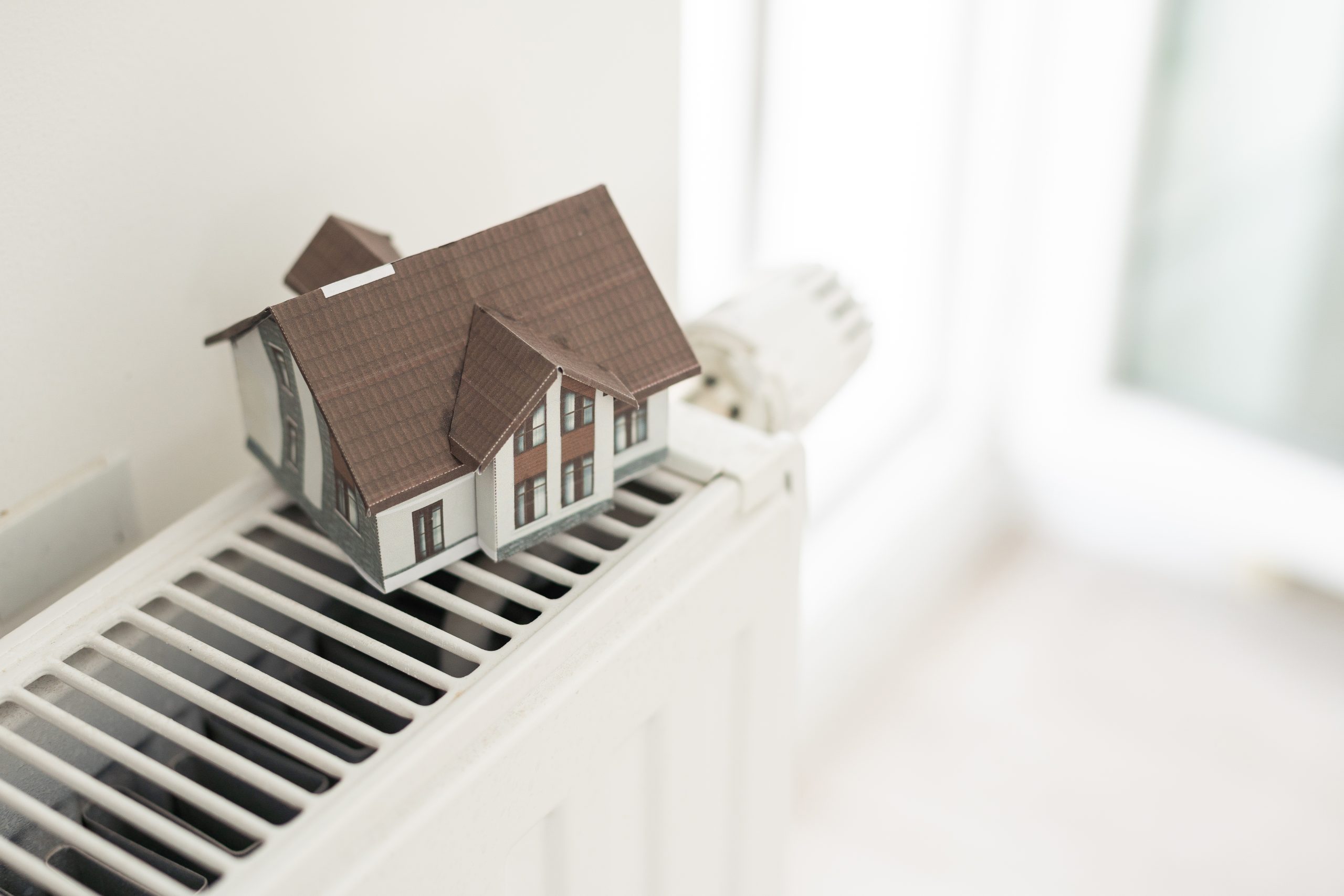
A heating system can only do part of the job when a home is trying to stay warm. It can create warm air, circulate it through rooms, and respond to thermostat settings, but it cannot fully overcome a house that allows heat to escape too quickly. That is why two homes with similar square footage and similar equipment can feel completely different during colder weather.
In one home, the temperature stays steady with short heating cycles. In another, the system runs often, certain rooms remain chilly, and utility costs keep climbing. The difference usually comes down to how well the home holds onto the warmth being produced.
Heat loss is not always obvious. It can happen through building materials, tiny gaps, poorly performing windows, unbalanced airflow, or aging mechanical components. When these issues stack up, the home may lose heat at a faster rate than the heating system can replace it.
The House Matters as Much as the Heating System
Many people assume that poor comfort automatically means the heating equipment is too weak. Sometimes that is true, but often the home itself is the larger problem. A heating system works inside a building envelope, which includes the walls, roof, floors, windows, doors, and any openings where air can move in or out.
When that envelope is strong, heat stays indoors longer. When it is weak, the system must constantly replace warmth that is being lost. This creates a cycle where the equipment works harder, energy use increases, and comfort still feels inconsistent.
A house that cannot retain heat is like a bucket with small holes in it. Adding more water helps temporarily, but the real solution is finding where the leaks are.
Hidden Air Movement Can Drain Warmth Quickly
One of the most overlooked causes of heat loss is uncontrolled air movement. Warm indoor air can escape through gaps that are almost invisible, while colder outdoor air slips in to replace it.
These gaps may appear around window frames, door edges, attic access panels, utility penetrations, recessed lights, wall outlets, or areas where different building materials meet. Individually, each opening may seem minor. Together, they can create a major comfort problem.
Air leakage is especially frustrating because it does more than lower indoor temperature. It can also create drafts, cold floors, uneven rooms, and pressure imbalances. A thermostat may show that the home is warm, while people inside still feel uncomfortable because air is moving where it should not.
Insulation Problems Are Not Always Easy to See
Insulation helps slow the transfer of heat, but it only works well when it is installed properly and remains in good condition. Missing sections, compressed material, moisture damage, or uneven coverage can all reduce its effectiveness.
Attics are a common place where heat loss becomes significant because warm air rises. If the upper part of the home is poorly insulated, heat can escape upward before it has a chance to keep living spaces comfortable. Floors over unheated areas and exterior walls can create similar problems.
The challenge is that insulation issues are often hidden behind walls, ceilings, and floors. A room may simply feel colder than the rest of the house, leaving homeowners unsure whether the problem is the room, the ductwork, the windows, or the heating system.
Windows Can Create Cold Zones
Windows do more than provide light and views. They also influence how warm or cold a room feels. Older glass, worn seals, loose frames, or poorly fitted coverings can allow noticeable heat loss.
A room with large window surfaces may feel cooler even when the air temperature is technically acceptable. This happens because people can feel the effect of cold surfaces nearby. The heating system may be doing its job, but the room still feels uncomfortable because the surrounding surfaces are pulling warmth away.
Improving window performance does not always require full replacement. Better sealing, proper coverings, and reducing drafts can often help. However, in homes with severely outdated windows, larger upgrades may be necessary to reduce energy waste.
Ventilation Can Help or Hurt Efficiency
Fresh air is important for a healthy indoor environment, but uncontrolled or excessive ventilation can remove heat too quickly. Exhaust fans, kitchen hoods, laundry vents, and poorly balanced mechanical ventilation can all affect how much warm air stays inside.
The issue is not ventilation itself. The issue is ventilation without control. When warm indoor air is pushed out, replacement air must come from somewhere. If that replacement air enters through random gaps, the home becomes harder to heat and less predictable.
Balanced ventilation allows air exchange without creating unnecessary comfort problems. Poorly managed ventilation can make a heating system appear less effective than it really is.
Equipment Problems Can Make Heat Loss Worse
Even when the building has flaws, heating equipment still needs to operate correctly. A system with restricted airflow, dirty components, faulty controls, low refrigerant, blocked filters, or aging parts may struggle to deliver consistent warmth.
In these cases, the home is dealing with two problems at once: heat is escaping, and the system is not performing at its best. That combination can lead to long run times, rising energy bills, and uneven temperatures.
Regular maintenance can help prevent small issues from turning into expensive failures. When performance problems are already noticeable, repairing heat pump systems may be necessary to restore proper operation and reduce unnecessary energy waste.
System Size and Home Conditions Must Match
A heating system should be matched to the home’s actual needs, not just its square footage. Two homes of the same size can require very different heating capacity depending on insulation, air sealing, ceiling height, window area, layout, and climate exposure.
If a system is undersized for the home’s heat loss rate, it may run for long periods without reaching the desired comfort level. If it is oversized, it may turn on and off too frequently, which can reduce efficiency and create uneven temperatures.
The best heating performance comes from matching equipment capacity with the home’s real-world conditions. That means considering both the mechanical system and the structure around it.
Small Design Choices Can Affect Comfort
Heat retention is also influenced by layout and airflow. Closed interior doors, blocked vents, poorly placed furniture, long hallways, open staircases, and rooms above unconditioned spaces can all affect how warmth moves through a house.
Sometimes the issue is not that the system lacks power. It is that warm air is not reaching the right places or staying there long enough. A home may have one room that overheats while another remains cold, forcing occupants to raise the thermostat and waste energy.
Better airflow, proper vent clearance, and thoughtful room use can improve comfort without requiring major renovations.
Upgrades Work Best When Done in the Right Order
Many homeowners jump straight to replacing equipment when their home feels cold. While upgrades can be helpful, they are most effective when paired with improvements that reduce heat loss.
Air sealing, insulation improvements, window upgrades, ventilation adjustments, and proper system maintenance can all reduce the demand placed on heating equipment. Once the home holds heat more effectively, a modern heating system can operate with less strain.
For homeowners planning larger efficiency improvements, researching available heat pump rebates can help make upgrades more affordable and easier to prioritize.
Final Thoughts
A home that loses heat too quickly is not always suffering from one major defect. More often, it is the result of several smaller weaknesses working together. Air leaks, weak insulation, inefficient windows, ventilation imbalance, poor airflow, and equipment issues can all contribute to the same problem.
The solution is to treat the home as a complete system. Producing heat is important, but keeping that heat inside is just as important. When the structure and the heating equipment work together, the result is better comfort, lower energy use, and a home that feels warmer without forcing the system to work harder than it should.