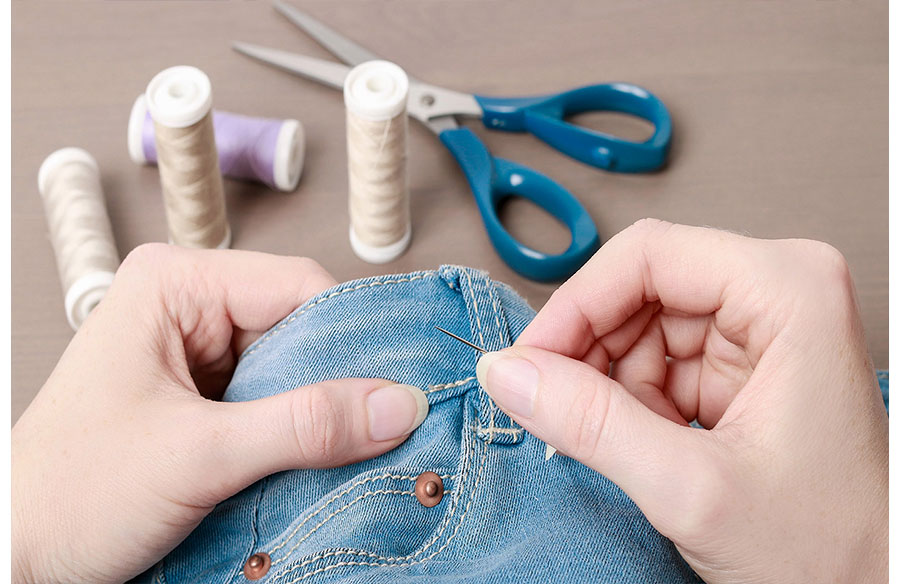
In a fast-paced city like London, where fashion trends change rapidly and shopping is always accessible, it can be tempting to replace worn or damaged clothing with new items. Yet restoring your favorite outfits often offers greater value than buying new ones. Clothes are more than just fabric—they hold memories, style, and a sense of identity. By choosing restoration over replacement, you preserve these qualities while saving money, reducing environmental impact, and maintaining a wardrobe you genuinely enjoy.
This article explores why restoring clothing is a smarter choice, how it benefits your budget and the environment, and practical ways London residents can care for their garments effectively.
The Value of Your Favorite Outfits
Clothing often has sentimental or practical value. A coat bought for a first job, a dress worn at a special event, or a pair of trousers that fits perfectly can be hard to replace. When a favorite outfit shows signs of wear, discarding it may feel wasteful. Minor tears, loose seams, or small stains do not necessarily require a replacement. With the right care, these garments can be refreshed and made almost as good as new.
In London, where people invest in quality fabrics and designer items, preserving clothing can be especially important. High-quality pieces are designed to last, but they require proper maintenance. By restoring these items, you protect your investment and ensure that your wardrobe remains functional and stylish.
Financial Benefits of Restoration
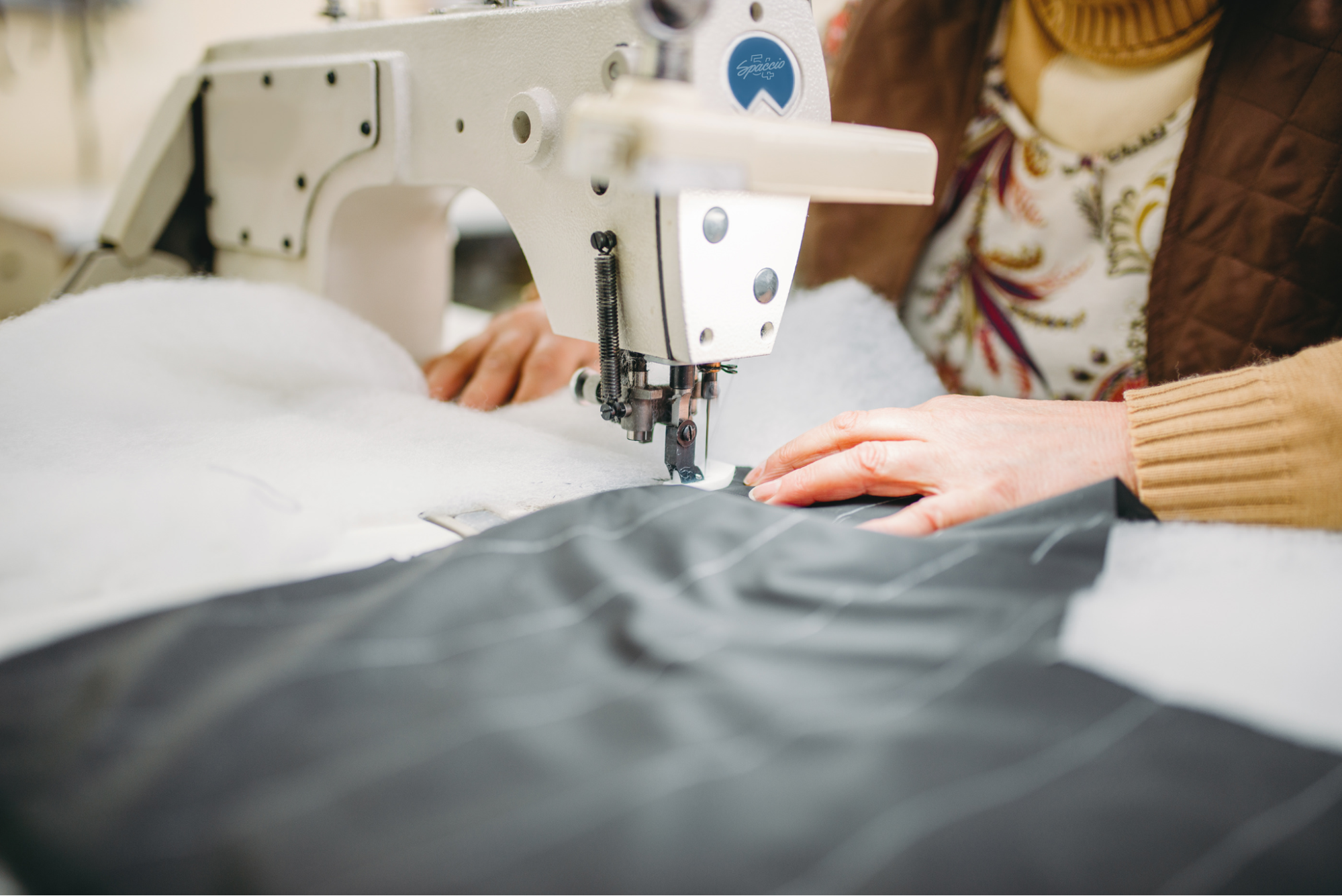 Replacing clothing frequently can add up over time. Even moderately priced items, when purchased regularly, represent a significant expense. By contrast, restoring worn garments is often more cost-effective. Simple repairs like re-stitching seams, replacing buttons, or fixing zippers cost far less than buying a new item. In London, many people turn to professional help for more complex repairs, and using clothes repair services in London can ensure that delicate fabrics, heavy coats, or intricately designed garments are restored properly. Paying for a repair may seem like a small upfront expense, but it prevents repeated purchases and helps you maintain a consistent wardrobe without overspending.
Environmental Impact of Restoring Clothes
The fashion industry has a substantial environmental footprint. Producing new garments consumes raw materials, water, energy, and chemicals. Disposing of clothing contributes to landfill waste and pollution. By restoring and repairing outfits, you reduce the demand for new production and minimise environmental harm.
London residents are increasingly conscious of sustainable living, and choosing restoration aligns with these values. Repairing clothes extends their life, reduces textile waste, and lowers the carbon footprint associated with the fashion industry. In the long run, restoring outfits is a more environmentally responsible choice than replacing them repeatedly.
Avoiding Fast Fashion Pitfalls
Fast fashion often encourages frequent replacement of clothing to keep up with trends. While new styles can be exciting, they tend to be made from lower-quality materials and may not last long. This cycle of buying and discarding contributes to environmental problems and can strain personal finances.
Restoring your clothes allows you to maintain your favorite styles without being dictated by fleeting trends. You keep items that fit well, suit your personal taste, and hold sentimental value, rather than constantly chasing new fashions. In a city like London, where individual style is celebrated, maintaining your wardrobe through restoration supports both your budget and your personal aesthetic.
Common Restoration Techniques
Restoration can take many forms depending on the type of damage. Minor repairs like sewing loose buttons, patching small holes, or repairing hems are simple and effective. More complex repairs may involve fixing zippers, reinforcing seams, or restoring fabric texture.
Professional services often have access to specialised tools and skills that ensure the repair is durable. For delicate or expensive fabrics, such as silk, wool, or leather, professional handling prevents further damage. Investing in proper restoration ensures that garments remain wearable and retain their original appearance.
Care Tips to Prevent Future Damage
Proper garment care can reduce the frequency of repairs. Washing clothes according to the care label, avoiding harsh detergents, and using gentle washing methods for delicate fabrics all contribute to longevity. Drying clothes properly, storing them carefully, and rotating outfits to reduce wear also help maintain fabric integrity.
Small preventive steps, like protecting fabrics from spills, using padded hangers for coats and dresses, and storing seasonal items in breathable garment bags, can make a significant difference. These habits complement professional restoration efforts and prolong the life of your wardrobe.
Recognising When Professional Help is Needed
Not all repairs can or should be done at home. Certain fabrics, embellishments, or structural damage require specialised techniques that ensure the garment is restored safely and effectively. Professional services in London provide these solutions, using expert knowledge to handle challenging repairs.
Professional restoration ensures that repairs are done to a high standard and can save both time and frustration. Attempting complex repairs at home without the right tools or experience can worsen the damage, making professional help the wiser choice.
Understanding Consumer Rights for Services
When using professional repair or restoration services, it is helpful to understand your consumer rights. In the UK, services should be performed with reasonable care and skill. If a service is not delivered properly, customers have the right to seek redress. The official GOV.UK guidance on consumer rights for services provides detailed information to protect customers when hiring professional repair or cleaning services. You can access it at consumer-protection-rights.
Knowing your rights ensures confidence when engaging professional services and helps maintain high standards in the restoration industry.
Emotional and Practical Benefits of Restoration
Restoring a favorite outfit often carries emotional satisfaction. Wearing a garment that has been carefully repaired and maintained can bring a sense of pride and attachment. It also allows you to maintain a consistent wardrobe, which simplifies daily outfit choices and reduces stress.
Practical benefits include saving closet space, as fewer items are discarded and replaced. Maintaining a reliable selection of outfits ensures that your wardrobe continues to meet your needs while staying organised and functional.
Combining Restoration with Style Maintenance
Restoration is not just about fixing damage—it’s also about maintaining style and appearance. Properly restored garments maintain their shape, colour, and texture, ensuring that your personal style remains consistent. In London, where fashion is highly visible, keeping outfits in good condition supports a polished and confident look.
Regular maintenance and timely repairs prevent minor issues from becoming major problems. By addressing small tears, fraying seams, or minor discolouration promptly, you can extend the lifespan of your favorite outfits and enjoy them for years.
Conclusion
Restoring your favorite outfits is a smarter choice than replacing them. It saves money, reduces environmental impact, and preserves the clothing you love. In London, where quality garments are often an investment and personal style is important, professional restoration services provide the expertise needed to handle delicate fabrics and complex repairs.
By combining careful home care, timely repairs, and professional support when needed, you can ensure your wardrobe remains functional, stylish, and sustainable. Choosing restoration over replacement benefits your budget, the environment, and your personal connection to your clothing.
The importance of repairing and maintaining clothing is also highlighted by “Rethinking The Future” which explains in its article “Why Build a Sustainable Capsule Wardrobe?” that a key step toward sustainable fashion is assessing what you already own and repairing wearable garments instead of discarding them. This mindful approach encourages quality over quantity, reduces textile waste, and extends the life of clothing — reinforcing why restoration plays an essential role in responsible and sustainable wardrobe management. For more insights, read the full article here: Build a Sustainable Capsule Wardrobe.