

The fashion industry is one of the largest contributors to pollution, accounting for 10% of global carbon emissions and consuming vast amounts of water. Fast fashion’s rapid production cycles lead to disposable clothing that often ends up in landfills. By contrast, a sustainable wardrobe focuses on quality over quantity, reducing waste and carbon footprints.
But the benefits go beyond the environment. A sustainable capsule wardrobe simplifies daily decision-making, promotes mindful consumption, and fosters a deeper appreciation for craftsmanship and durability. These practices also encourage a shift toward fair labor practices, as sustainable brands prioritize ethical production.
Brands like Fair Indigo, which focus on sustainable materials and fair wages, provide a perfect starting point for anyone looking to create a capsule wardrobe aligned with their values.
Step 1: Assess Your Current Wardrobe
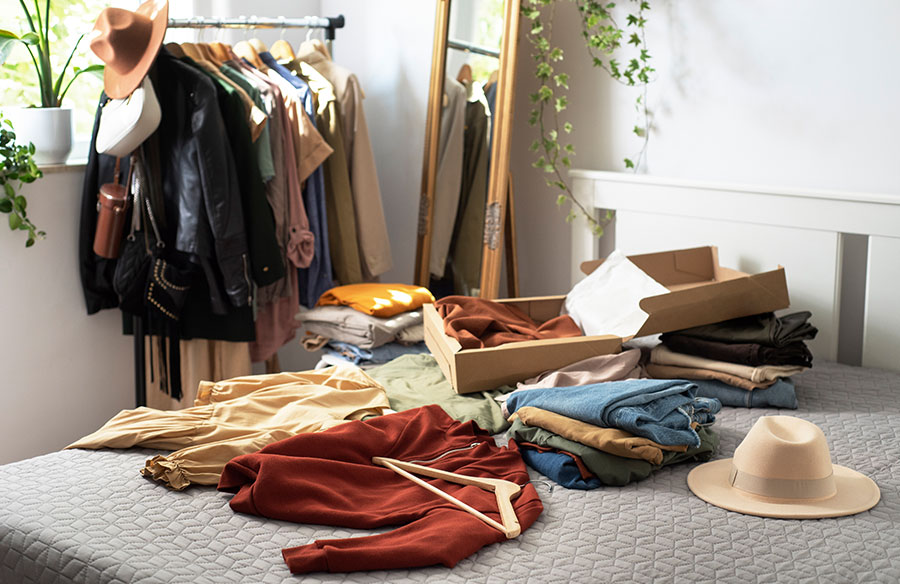
The first step in building a sustainable capsule wardrobe is to assess what you already own. Lay out your clothes and sort them into categories: keep, donate, repair, or recycle.
- Keep: Retain versatile, high-quality pieces that fit well and align with your style.
- Donate: Give away items in good condition that no longer suit you.
- Repair: Mend damaged but wearable clothing to extend its life.
- Recycle: Properly dispose of items that are beyond repair or repurposed use.
This process not only clears physical space but also provides clarity on your actual wardrobe needs, helping to avoid unnecessary future purchases.
Step 2: Define Your Style and Needs
A capsule wardrobe is highly personal. Consider your lifestyle, daily activities, and preferred color palette. Do you need office-friendly attire, casual loungewear, or activewear staples? Define your style aesthetic—minimalist, bohemian, or something in between—and use it as a guide for selecting items.
Neutral colors often form the foundation of a capsule wardrobe, as they pair easily with bolder accents. Versatility is key; each piece should work in multiple outfits and for various occasions.
Step 3: Invest in Sustainable Basics
The heart of a sustainable capsule wardrobe lies in high-quality basics that stand the test of time. Focus on clothing made from eco-friendly materials like organic cotton, Tencel, or recycled fabrics. Fair Indigo, for instance, offers a range of timeless basics crafted with sustainable materials and ethical practices. Investing in pieces like these ensures your wardrobe is built on a foundation of durability and responsibility.
Key basics to consider:
- A classic white shirt
- Well-fitted jeans
- Neutral t-shirts or tank tops
- A little black dress or versatile jumpsuit
- Comfortable, stylish outerwear
Each of these items should be versatile enough to mix and match effortlessly while suiting your daily needs.
Step 4: Add Layers and Statement Pieces
Once you’ve established your foundational basics, add variety with layers and statement pieces. Think blazers, sweaters, scarves, and shoes that align with your style. These pieces should complement your wardrobe while adding personality.
Sustainability doesn’t mean sacrificing individuality. By choosing ethically made statement items, you can express yourself while supporting brands that prioritize responsible production.
Step 5: Adopt a “Less is More” Mentality
A key principle of a capsule wardrobe is learning to live with less. This doesn’t mean deprivation—it means embracing quality over quantity. Rather than succumbing to sales or fleeting trends, focus on items that truly resonate with you and add value to your wardrobe.
When shopping, consider the “30 wears” test: Can you envision wearing this item at least 30 times? If the answer is no, it might not be a sustainable choice.
Step 6: Care for Your Clothing
A sustainable wardrobe isn’t just about what you buy but how you care for it. Proper maintenance extends the life of your clothes, reducing the need for replacements. Wash items sparingly, using cold water and eco-friendly detergents. Air dry whenever possible to conserve energy and prevent wear from the dryer.
For items that need occasional repair or alterations, learn basic sewing skills or support local tailors. Keeping your wardrobe in top shape reduces waste and honors the craftsmanship of your clothing.
The Future Impact of Sustainable Capsule Wardrobes
Adopting a sustainable capsule wardrobe contributes to a larger movement toward a more responsible fashion industry. By demanding quality, transparency, and ethical practices, consumers send a clear message to brands that sustainability matters.
This shift not only reduces environmental harm but also supports fair wages and humane working conditions for garment workers. Over time, widespread adoption of sustainable wardrobes can reshape the industry, making ethical fashion the norm rather than the exception.
On an individual level, capsule wardrobes promote mindful consumption and help break the cycle of overbuying and waste. This mindset can inspire others to rethink their relationship with clothing, creating a ripple effect that benefits communities and ecosystems worldwide.
Start Your Capsule Wardrobe Journey Today
Building a sustainable capsule wardrobe is a rewarding journey that aligns your values with your lifestyle. It’s about more than clothes; it’s about making choices that reflect care for the planet and the people who inhabit it.
A sustainable capsule wardrobe may seem like a small change, but its collective impact is anything but minor. As more people embrace this approach, the fashion industry has the potential to evolve into a force for good—one well-loved garment at a time.







