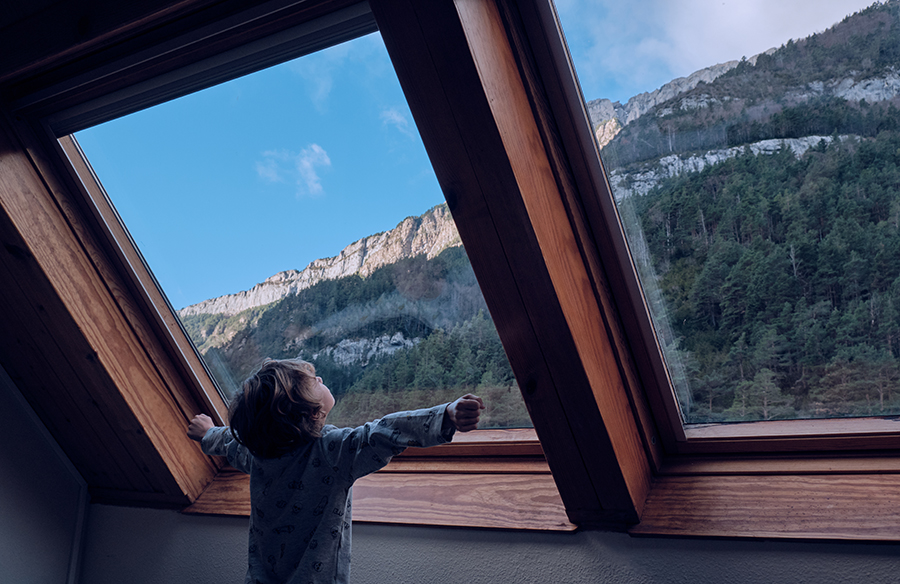
Roof windows have a reputation for being a “nice-to-have”—the finishing touch that makes an attic conversion feel bright and modern. In reality, they’re often one of the most practical upgrades you can make to a home, especially if you’re thinking in five-, ten-, or twenty-year horizons. Done well, roof windows don’t just change how a room looks; they change how it performs, how it feels to live in, and how much value it holds when you eventually sell.
The key is to view roof windows less as a design flourish and more as a building performance decision. Light, heat, ventilation, and usability all intersect at the roofline, and the right window strategy can improve each of them.
The “compound interest” of natural light
The first and most obvious benefit is daylight—but it’s worth unpacking why it matters beyond aesthetics. Roof-level glazing typically admits more usable daylight than a similarly sized vertical window because it has a clearer view of the sky. In plain terms: you get brighter light for more hours of the day, particularly in rooms where standard windows are small or shaded by neighbouring buildings.
Over time, that adds up in a few ways:
Reduced reliance on artificial lighting
In many UK homes, top-floor rooms, landings, and stairwells are the biggest offenders for daytime light use. A well-positioned roof window can cut the need to switch on lights for long stretches of the day. Even modest reductions in lighting demand are meaningful when multiplied across years, especially as households add more devices and home-working becomes normal.
A better “use profile” for marginal spaces
Lofts, converted attics, and upper-floor extensions often become occasional rooms—storage, a spare bedroom, an office used only when you must—because they feel dim or boxed-in. Add roof windows and those rooms become places you choose to spend time. That’s a quality-of-life upgrade, but it’s also a value and space-efficiency upgrade: you’re turning underused square metres into genuinely liveable space.
Choosing roof windows like an investor (not an impulse buyer)
Most long-term payback comes from correct specification. It’s easy to focus on size and style and miss the fundamentals that drive performance: glazing, ventilation, and placement.
Glazing performance affects comfort year-round
A modern roof window should help you keep heat in during winter and avoid overheating in summer. That’s not only about “double vs triple glazing,” but also about coatings, gas fills, warm-edge spacers, and the whole-window U-value. The practical outcome is simpler: fewer cold spots in winter, less glare and heat build-up in summer, and a room that stays comfortable without constantly adjusting heating controls.
Ventilation is a hidden superpower
Upper floors get warm. Add cooking, showers, houseplants, and modern airtightness, and you have a recipe for condensation if you can’t purge humid air. Roof windows create effective stack ventilation—warm air rises and escapes high, pulling in cooler air from lower openings. That can reduce the risk of mould and help protect the structure over time, particularly in bathrooms or loft rooms.
If you’re weighing different configurations or want a clearer sense of what’s available, it can help to review a range of daylighting window solutions for roof installations as part of your planning. Seeing the options side by side makes it easier to match window type to room function, roof pitch, and ventilation needs—rather than choosing based on looks alone.
Long-term energy value: where roof windows really pay back
It’s tempting to frame the energy case as “roof windows save money.” The truth is more nuanced: the best installations reduce energy waste and improve controllability. That’s important because comfort drives behaviour, and behaviour drives bills.
Winter: manage heat loss intelligently
Any opening in the building envelope is a potential weak point. But a high-quality roof window—correctly flashed, insulated at the reveals, and installed without thermal bridges—can perform extremely well. The bigger risk isn’t the window itself; it’s poor detailing around it. Insulated collars, airtight membranes, and careful finishing reduce drafts and prevent hidden condensation in the roof build-up.
Summer: avoid overheating with design, not regret
Overheating is increasingly common in loft conversions and top-floor rooms, even in the UK. A roof window can contribute to overheating if it’s oversized, south-facing, and lacks shading—but it can also be part of the solution when paired with blinds, external shading, or a layout that enables cross-ventilation. Think of it like this: you’re adding solar gain, so you need a plan for managing it.
Property value and “saleability”: what buyers respond to
Valuation is complex, and roof windows alone won’t magically add a fixed percentage. However, buyers consistently respond to bright, flexible spaces. A loft room that feels like a legitimate bedroom or office—thanks largely to daylight and ventilation—can strengthen your home’s appeal and reduce the number of objections during viewings.
Roof windows also photograph well. That might sound superficial, but listing photos drive viewing decisions, and natural light is one of the easiest ways to make a space look larger, cleaner, and more inviting without staging tricks.
Installation details that protect your investment
If you want roof windows to pay off over decades, details matter more than most people realise. Here’s a concise checklist to keep the project focused (and avoid the common “it looked great at first” problems):
- Specify glazing and solar control based on orientation (north vs south makes a big difference).
- Ensure flashing kits match roof covering type and pitch; don’t improvise here.
- Insulate and airtight-seal the reveals to prevent drafts and condensation.
- Plan for ventilation: consider top-hung, centre-pivot, or additional openings depending on room use.
- Confirm any requirements around egress, especially for loft bedrooms.
- Choose sensible maintenance access (cleaning and blind fitting shouldn’t be an acrobatic routine).
That’s one of those areas where spending slightly more on proper detailing can save you far more later—because repairing damp, stained plasterboard, or compromised roof timbers is never a cheap “small fix.”
Maintenance and lifespan: a realistic view
A well-installed roof window should last many years, but it isn’t maintenance-free. Expect to periodically clean the glass, check seals, and keep weep channels clear. If the window is timber, internal finishes may need re-coating depending on humidity levels and sun exposure. None of this is onerous; it’s simply the reality of any component that sits on the roof and deals with weather head-on.
One more long-term point: if you ever re-roof, factor roof windows into the plan. Replacing flashing, checking insulation around the frame, and reassessing the condition of the unit during a re-roof can prevent leaks and extend the window’s service life.
The bottom line: comfort, resilience, and better use of space
The strongest argument for roof windows isn’t that they’re trendy. It’s that they make homes work better. More daylight reduces dependence on artificial lighting and makes upper floors genuinely liveable. Better ventilation supports healthier indoor air and reduces moisture risk. Thoughtful glazing and shading choices improve comfort in both winter and summer. And when it comes time to sell, bright, versatile rooms tend to attract buyers faster and with fewer compromises.
If you approach the decision with performance in mind—orientation, ventilation strategy, glazing, and installation quality—roof windows stop being a cosmetic upgrade and start looking like what they really are: a practical, long-term investment in how your home feels and functions every day.