The Business of Visibility: Why a Signage Installation Company Still Matters in the Digital Age
A finance team may approve a sign package because the numbers work. An operations manager may push it forward because the rollout deadline is tight. A facilities director may care most about permits, lifts, access, landlord rules, and whether the installation crew can finish without disrupting business.
But at street level, the result is simple: a business is either visible, or it is not.
That is why a signage installation company still matters in an economy obsessed with digital clicks, dashboards, and conversion rates. Online visibility may bring the customer to the search result. Physical visibility helps them find the door, recognize the brand, trust the location, and remember the business when they pass it again.
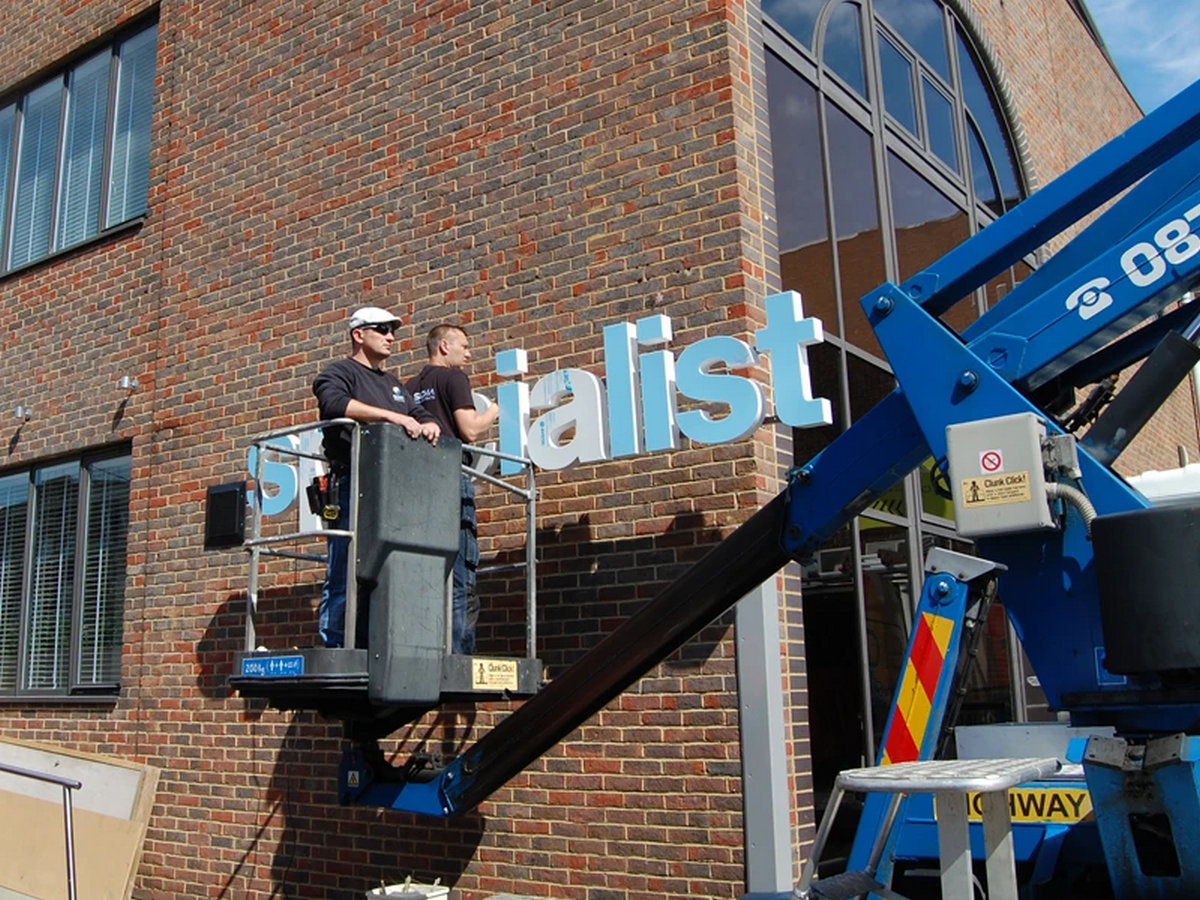
For print companies, franchise operators, retail groups, property managers, and multi-location brands across New York, Illinois, and Texas, sign installation is not a finishing touch. It is the final operational step that turns design, fabrication, and brand strategy into a physical asset.
 The Industry Landscape: Visibility Has Become an Operations Issue
In New York, Illinois, and Texas, sign installation is shaped by three pressures: dense commercial corridors, local permitting rules, and faster business turnover.
In New York City, for example, signs must comply with the NYC Construction Codes, Zoning Resolution, and city rules. The NYC Department of Buildings states that sign permits are generally required for sign displays and installations, with limited exceptions such as small non-illuminated signs under six square feet. Illuminated signs may also require separate electrical permits.
Chicago has its own layer of compliance. The municipal code states that, unless a valid permit has been obtained from the Department of Buildings, it is unlawful to erect, install, alter, repair, enlarge, or maintain covered signs or sign structures.
Texas brings a different kind of regulatory issue: electrical sign work. The Texas Department of Licensing and Regulation says electrical sign contractors are licensed for work involving designing, manufacturing, installing, connecting, servicing, or altering electric signs, neon tubing, cold cathode, and related wiring.
For a print company owner, this means one thing: the installation partner is not just “the crew.” A professional sign install company protects the print vendor’s reputation after production is complete.
A beautiful sign can fail at the last mile because of wrong hardware, poor site survey, missing permit documents, inaccurate wall conditions, unsafe access, bad scheduling, or a crew that cannot work inside a busy commercial environment.
Key Trends in Commercial Sign Installation
Professional Sign Installation Is Moving Toward Project Management
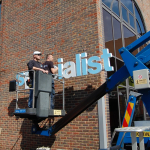
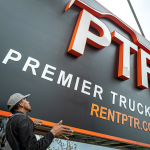
Modern professional sign installation is not only about drilling, mounting, lifting, and leveling. It is about coordination.
A multi-location rollout may involve landlord approvals, property management contacts, city permits, electrical coordination, delivery windows, union rules, insurance certificates, after-hours access, and photo documentation.
For CFOs, the issue is cost control. For operations, it is schedule control. For facilities, it is risk control.
That is why stronger sign installation services now behave more like field execution teams than simple labor crews.
Commercial Sign Installation Is Still a Local Business
Search terms like sign post installation near me exist because installation is physical. The crew must know the site, the surface, the access points, the local code environment, and the reality of the street.
A sign that is easy to install on a Texas retail pad site may be difficult on a narrow Manhattan block. A storefront sign in Chicago may require public way considerations. A monument sign in a suburban business park may need digging, concrete, setback review, and coordination with property ownership.
This is where national production meets local execution.
Signage Installers Are Becoming Brand-Control Specialists
For regional and national brands, consistency matters. If ten storefronts receive the same sign package, the tenth site cannot look weaker than the first.
Good signage installers check placement, height, alignment, substrate condition, visibility, lighting, and final finish. They also document the result.
For print company owners, this protects the relationship with the end client. The printer may not control the building wall, but the client often blames the printer when the installation looks wrong.
Graphics Installation Company NYC Demand Is Growing
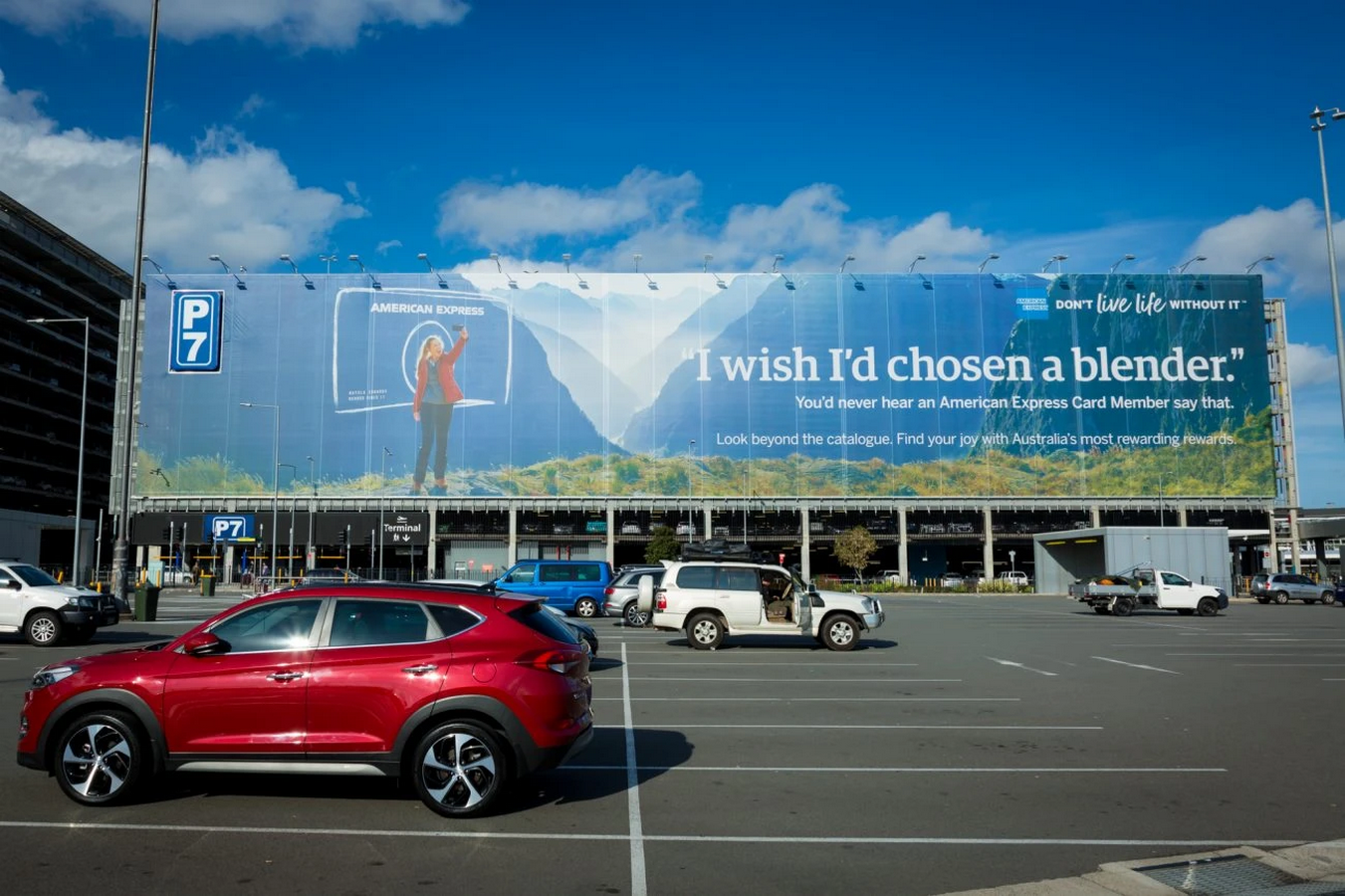
In dense urban markets, especially New York, interior and exterior graphics are now part of brand architecture. Window graphics, wall murals, privacy film, dimensional logos, wayfinding systems, elevator wraps, and retail graphics all need skilled installation.
A graphics installation company NYC partner must work around traffic, tenants, business hours, security desks, building freight elevators, and strict property rules.
The technical risk is different from a large exterior sign. Graphics require surface preparation, clean application, temperature awareness, alignment, and finishing skill. A small error becomes visible fast.
Sign Installers NYC Must Handle Access, Permits, and Timing
Search demand for sign installers NYC and sign installation Manhattan reflects a practical reality: New York installation is rarely simple.
Sidewalk space is limited. Parking is difficult. Building access can be restricted. Many properties have strict insurance requirements. Some signs need DOB filings, and illuminated signs can trigger separate electrical considerations.
For operations teams, the question is not only “Who can install this?” The real question is: “Who can install this without creating a delay, violation, safety problem, or client complaint?”
 Pricing and Economic Dimension
Sign installation pricing depends on sign type, height, equipment, site conditions, electrical work, permits, crew size, travel, and scheduling. Public cost guides commonly show small-to-mid commercial sign installation in the low hundreds to under $1,000, while complex monument, pylon, or electrical projects can move into several thousand dollars or more.
The table below is a planning framework, not a guaranteed quote.
| Installation Type | Typical Planning Range | Main Cost Drivers |
| Window graphics / simple vinyl | $150–$1,500+ | Surface prep, size, access, after-hours work |
| Small wall sign / panel sign | $300–$1,500+ | Mounting surface, hardware, height, crew time |
| Channel letters / illuminated sign | $1,500–$7,500+ | Electrical, access equipment, permits, raceway, wall condition |
| Monument / post-and-panel sign | $1,500–$10,000+ | Digging, concrete, engineering, location, site prep |
| Multi-location rollout | Custom quote | Volume, travel, documentation, scheduling, standardization |
A serious quote should separate fabrication, installation labor, permits, electrical work, equipment rental, travel, site survey, and any contingency items. That matters for CFOs because a low installation number can hide future change orders.
The most common cost escalators are height, electrical connection, poor access, structural uncertainty, permit delays, landlord changes, and installation outside normal business hours.
How B2B Buyers Should Choose a Sign Installation Company NYC or USA Partner
For a print company, the installer is an extension of the brand. The client rarely separates design, print, fabrication, and installation in their mind. If the sign is crooked, late, damaged, or non-compliant, the whole vendor chain loses credibility.
When evaluating a sign installation company NYC, or broader sign installers USA network, prioritize five things:
- Site survey discipline — photos, measurements, wall type, access, obstructions, electrical points, mounting conditions.
- Code and permit awareness — especially in NYC, Chicago, and electrical-sign-heavy projects in Texas.
- Insurance and safety readiness — COIs, lift certification where needed, PPE, ladder safety, traffic awareness.
- Documentation — before/after photos, completion reports, issue logs, client sign-off.
- Scalability — ability to support one site or a multi-state rollout without losing quality.
The trade-off is simple: the cheapest installer may work for a low-risk one-off job. But for B2B print companies, retail chains, property groups, and franchise operators, a weak installer creates operational risk.
A stronger sign service and installation partner can reduce rework, prevent missed openings, protect the printed product, and support the end client professionally.
Mini Case Study: From Printed Sign Package to Installed Brand Asset
Scenario 1: Print Company Serving a Manhattan Retail Client
A print company produces exterior panels, window graphics, and interior wall branding for a boutique retail client in Manhattan. The design is approved. Fabrication is complete. The client expects installation before a weekend opening.
The risk is not the print. The risk is the site.
The installer finds that the exterior wall surface is uneven, building access is limited to early morning, and the storefront manager has not confirmed landlord approval. A weaker crew arrives, waits, improvises, and leaves the job unfinished.
A professional commercial sign installation team handles the site survey first, flags access limits, confirms mounting hardware, schedules work before store traffic, and documents completion. The print company looks organized because the installer protected the final mile.
Scenario 2: Multi-State Rollout Across NY, IL, and TX
A regional business orders a rebrand across locations in New York, Illinois, and Texas. The print vendor handles production. The client needs consistent execution across all sites.
The New York location has permitting complexity. The Illinois site requires careful local compliance review. The Texas location includes illuminated signage that may require licensed electrical sign work. Texas licensing rules specifically cover electrical sign contractors and master sign electrician requirements for this category of work.
The right installation partner builds a rollout calendar, groups sites by complexity, manages field documentation, and gives the print company one operational view instead of scattered local problems.
That is where installation becomes a business system, not a labor task.
The Role of EasyWay Install Sign Installation Company
EasyWay Install Sign Installation Company fits this need as a professional installation partner for print companies, facilities teams, and B2B operators that need execution in the field, not just a crew with tools.
For projects involving sign installation services, graphics installation, storefront branding, commercial signage, and rollout support, the value is in coordination: site checks, scheduling, mounting, documentation, and practical field problem-solving.
EasyWayInstall.com can be positioned as a professional resource for businesses that need installation handled cleanly, especially where brand visibility, timing, and operational discipline matter.
Conclusion: Visibility Is Still Built in the Real World
Digital marketing may create demand. Search may create discovery. Social media may create awareness.
But physical signage still closes the loop between brand promise and real-world presence.
For CFOs, good installation protects the asset. For operations teams, it protects the schedule. For facilities leaders, it protects the site. For print company owners, it protects the client relationship.
If your next sign project needs reliable field execution, professional coordination, and installation that reflects the quality of the brand, book a consultation.
If your next sign project needs reliable field execution, professional coordination, and installation that reflects the quality of the brand, book a consultation.
 FAQ
FAQ
How much does commercial sign installation cost?
Commercial sign installation can range from a few hundred dollars for simple jobs to several thousand dollars for illuminated, elevated, monument, or multi-site projects. The main cost drivers are sign size, height, electrical work, permits, crew size, lift equipment, and site access.
What is the difference between a sign installation company and a sign install company?
In practical search language, both terms often refer to the same service provider. A professional sign installation company usually implies broader capability: site surveys, permitting awareness, installation crews, documentation, insurance, and multi-location support.
Do I need sign installers NYC for a Manhattan project?
For many Manhattan projects, local installation experience is important. Access, parking, building rules, permits, sidewalk constraints, and working-hour limits can all affect the job. A crew experienced in sign installation Manhattan projects reduces avoidable delays.
How far in advance should I book sign installation services?
For a simple interior or non-electrical job, booking one to two weeks ahead may be enough. For exterior signs, illuminated signs, multi-location rollouts, or jobs in regulated markets like NYC or Chicago, plan several weeks earlier to allow for surveys, approvals, equipment, and permits.
What should print companies ask before hiring signage installers?
Ask whether the installer provides site surveys, proof of insurance, project photos, completion documentation, hardware recommendations, lift access planning, and after-hours scheduling. For electrical or permitted work, ask how licensing and permit requirements are handled.
Is graphics installation different from sign installation?
Yes. Graphics installation focuses on vinyl, wall murals, window film, decals, wraps, and surface-applied brand elements. Sign installation often involves mounted panels, channel letters, monument signs, post-and-panel signs, illuminated signs, and structural attachment.
Can one sign installation company handle NY, IL, and TX?
One company can coordinate multi-state installation if it has the right field network, documentation process, and knowledge of local requirements. The key is not only coverage, but consistent execution, communication, and compliance management.