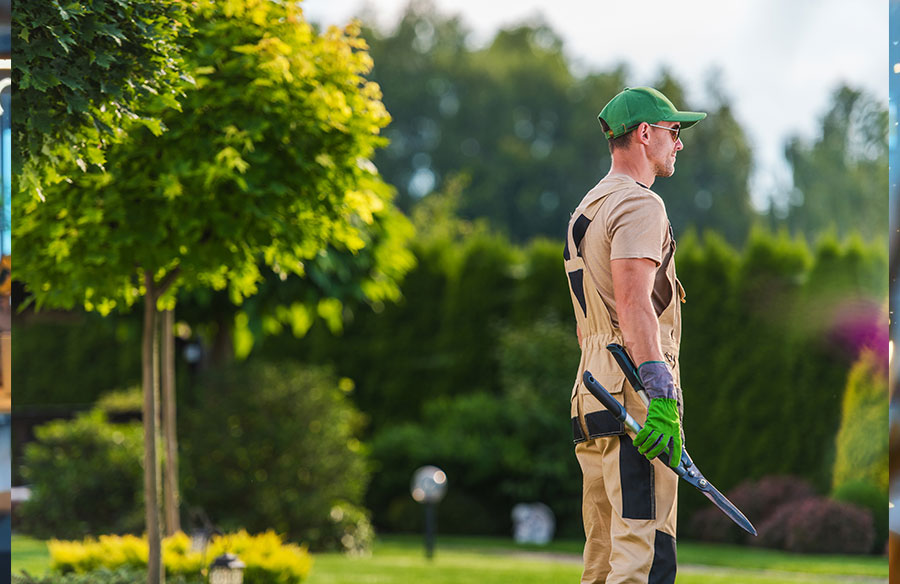
An outdoor living space doesn’t just keep itself looking attractive; it takes commitment to a level of care that no one could be blamed for only tending to on weekends. There is the ultimate potential of gardens and yards that one can only reach with regular upkeep. Knowing when to schedule professional care can significantly enhance the results.
The timing of everything from growth to pest control is key. Professional landscape maintenance services help property owners stay on track with seasonal needs. Here is a breakdown of when to schedule these services for the best outcomes. Each season brings unique tasks that contribute to a thriving outdoor space. Understanding these cycles helps you plan and avoid costly repairs.
Spring: The Season of Renewal
For most outdoor growth cycles, spring is when they begin. After a long and dormant winter, lawns and plants are coming back to life, and they need special care and attention. By scheduling maintenance early in spring, we can prepare the soil and existing vegetation for the months ahead. Now is the best time to fertilize, prune, and mulch. An updated layer of mulch naturally locks moisture in the soil and keeps your garden free of unwanted foliage.
Summer: Maintaining Vibrancy
Warm sunshine and extended daylight hours drive growth during the summer. Mowing and trimming keep the grass neat while keeping the sprawl under control. With warming temperatures and decreasing rainfall, irrigation becomes essential. Scheduling regular care keeps your grass green and your flower beds thriving during the heat waves that will grip the place in the summer months. This time of year, deadheading flowers will promote additional blooms.
Autumn: Preparation for Dormancy
Autumn is the bridge between active growth and winter dormancy. The cooler temperatures will slow down growth in plants as they begin to prepare for colder temperatures. At this point, it can also be an excellent time to aerate the soil and get that last application of fertilizer. It is crucial to remove fallen leaves and debris to prevent mold and disease. By pruning in fall, we are shaping the plants before they enter their dormant period, setting them up for stronger growth in the spring.
Winter: Protecting and Planning
Unprotected plants are exposed to harsh winter conditions that can damage or even kill them. A few services are necessary for long-term health, but the pace slows down. Clearing snow and ice off of walkways can help prevent injuries while also helping to prevent compacting turf and lawn areas. According to the University of Minnesota Extension, inspecting trees for weak branches ahead of time helps prevent property damage. The festive season gives us a window of opportunity to reflect on how we can improve in the new year.
Special Considerations for Different Plants
Each variety of grass, shrub, and tree is a different plant that needs different things to thrive and survive, and every garden has a little bit of everything. There are cool-season and warm-season grasses, and they require different treatments. Pruning is usually more important to flowering plants immediately after they bloom rather than adhering to a seasonal calendar. While the information is all still manageable, hiring a landscaper familiar with the local varieties is a beneficial way to have their maintenance requirements adjusted for your needs.
Weather Patterns and Local Climate
A big factor in how you choose the timing for the majority of your maintenance is the climate. In areas where there is a lot of rain, mowing and weed management may be required more frequently. High drought areas must be particularly careful of irrigation and soil health. Daily weather forecasts are monitored to determine optimum days to apply fertilizer or pest treatments. Because this service has local expertise, this means that the timing will be coordinated with the seasonal growing conditions of the area, such that better results can be expected.
Consistency Yields the Best Outcomes
Scheduled maintenance services will provide long-lasting benefits to any outdoor area. Most often, when people skip that routine care or put it off, they wind up with a bigger issue down the road. Having a schedule or calendar for services prevents owners from forgetting important things. Professionals can set reminders and suggest optimal intervals based on property size and plant selection. This ongoing approach leads to landscapes that can withstand the rigors of winter and remain beautiful through the colder months.
Conclusion
Effective scheduling is vital to deliver the best results for outdoor maintenance. Each season has its own requirements, and proper timing shows a visible difference. The right early action ensures that your outdoor areas will be much healthier and look better, whether preparing for new growth, protecting from heat, or planning ahead for spring. Thoughtful scheduling yields livable spaces across the seasons.