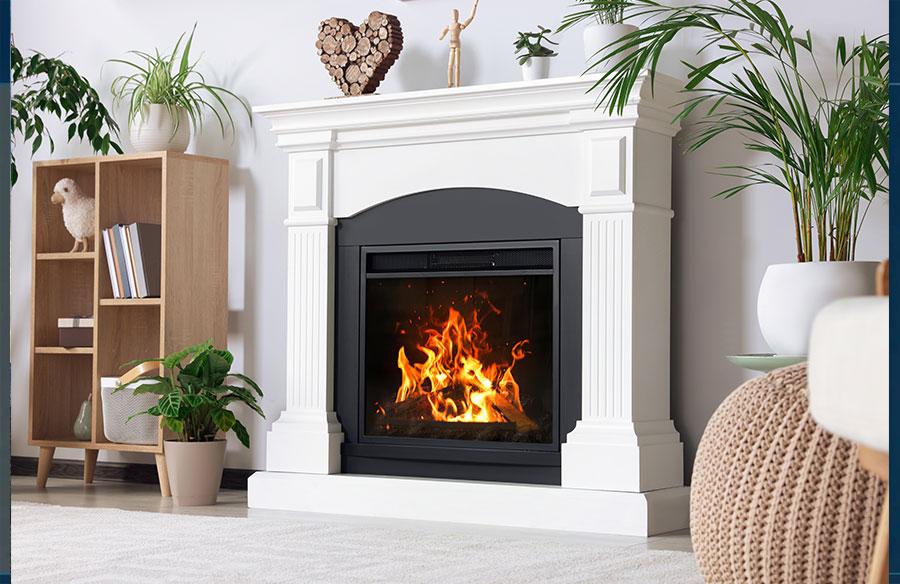
A traditional wood-burning fireplace brings warmth and character to a home. Crackling logs and glowing embers create a cozy setting that feels timeless. Yet many homeowners seek greater convenience and improved efficiency without losing that charm.
A gas insert offers a practical solution. It transforms an existing masonry firebox into a clean, controllable heat source. This upgrade enhances comfort, reduces maintenance, and refreshes the entire living space with modern appeal.
How a Gas Insert Transforms a Wood Fireplace
The gas fireplace inserts are sealed units designed to fit inside the existing wood-burning fireplaces. The insert connects to a gas line and vents through the current chimney with a specialized liner. The sealed design increases heating performance while reducing drafts.
This upgrade changes how heat is distributed throughout the room. Traditional fireplaces lose much of their warmth through the chimney. A gas insert circulates heat more effectively, which creates a consistent indoor temperature with less effort.
Key Benefits of Installing a Gas Insert
Upgrading to a gas insert offers practical and aesthetic advantages. It simplifies daily use and enhances the value of the property. The transformation goes beyond visual appeal.
Improved Efficiency and Lower Heat Loss
- Sealed combustion systems retain more warmth inside the home.
- Adjustable flame controls allow precise temperature management.
- Blower fans distribute heat evenly across larger areas.
Cleaner Operation and Reduced Maintenance
- Gas units eliminate ash, soot, and creosote buildup.
- No need to store or carry firewood.
- Chimney cleaning requirements decrease significantly.
Choose the Right Style and Design Features
A gas insert can elevate the visual appeal of a room. Modern models offer realistic flame patterns and ceramic logs that mimic natural wood. Decorative glass media and contemporary liners create a sleek look for updated interiors.
Homeowners can select from traditional cast iron surrounds or minimalist metal frames. Trim kits provide a finished appearance that covers gaps between the insert and masonry opening. Customization ensures the upgraded fireplace complements furniture and architectural details.
Important Installation Considerations
Professional installation of gas fireplace inserts ensures safety and optimal performance. A certified technician evaluates the chimney structure and existing firebox condition. Proper measurements guarantee a secure fit and adequate ventilation.
A stainless steel liner is typically required to direct exhaust gases safely outside. Gas line access must meet local building codes. Inspection and permits protect both property and occupants from potential hazards.
Installation may also include electrical connections for blowers or remote systems. Clearances around the unit must align with manufacturer guidelines. Each step contributes to long-term reliability and comfort.
Enhance Performance with Smart Controls and Accessories
Technology adds convenience to a gas insert upgrade. Remote controls, wall thermostats, and smart home integration allow precise flame and heat adjustments. These features create comfort with minimal effort.
Smart Enhancements to Consider
- Programmable thermostats for automatic temperature regulation.
- Remote control ignition for instant startup.
- Variable speed blowers for tailored heat circulation.
- Accent lighting for a refined visual effect.
Accessories can further personalize the fireplace. Safety screens and decorative fronts provide both protection and style. Heat-resistant hearth pads protect the surrounding flooring while completing the design. These additions transform a traditional hearth into a sophisticated focal point. The fireplace thus becomes a reliable heating source that blends comfort with innovation.
Hence, a wood-burning fireplace can change into a modern heating solution with the right gas insert. The transformation enhances efficiency, style, and ease of use. Careful planning ensures a seamless upgrade that adds lasting comfort.