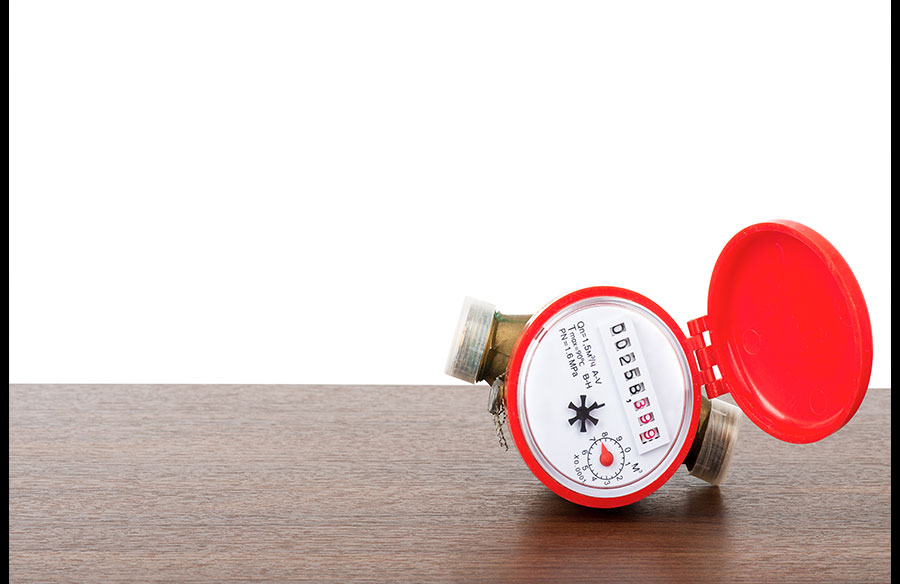
Municipal water meters are built to measure water use reliably, often for many years at a time. Many modern meters and meter-reading devices also rely on batteries to power communication modules, sensors, transmitters, and data collection systems.
That battery may look small, but it plays an important role. The type of battery used can affect service life, performance, replacement schedules, storage, safety, and end-of-life handling. When cities, utilities, contractors, or public works departments remove old meters in bulk, water meter recycling and battery recycling become important parts of the project.
If your organization is dealing with used, damaged, outdated, or bulk quantities of water meters and meter batteries, Battery Recycling & Solutions can help route those materials through the right recycling process.
What Does Water Meter Recycling Mean?
Water meter recycling is the process of collecting, sorting, and properly recycling old or replaced water meters, meter components, and related batteries.
In simple terms, it means managing old water meters as recoverable material instead of throwing them away.
Water meter recycling may involve:
- Sorting old mechanical or smart water meters
- Identifying battery-powered meter modules
- Separating batteries from general scrap when needed
- Managing mixed metals, plastics, electronics, and batteries
- Recycling bulk quantities from municipal replacement programs
For municipalities, this matters because meter upgrades can generate large volumes of equipment at once.
How Do Batteries Work in Municipal Water Meters?
Many modern water meters use batteries to support electronic functions. The battery may power a radio transmitter, digital register, sensor, or AMI/AMR communication module.
The goal is simple: the meter needs enough power to report usage data without frequent service visits. That is why many water meter batteries are designed for long service life and low power draw.
These batteries are usually not used the same way as laptop or tool batteries. They often provide steady, low-level power over a long period.
Main Types of Batteries Used in Water Meters
Lithium Thionyl Chloride Batteries
Lithium thionyl chloride batteries are commonly used in utility meters and remote monitoring devices because they are built for long life and steady power.
They are usually primary batteries, meaning they are not rechargeable. Once depleted, they are replaced or removed with the meter module.
These batteries are often found in:
- Smart water meters
- Remote meter reading modules
- AMI and AMR systems
- Utility sensors
- Long-life monitoring devices
For recycling, they should be identified as lithium primary batteries and handled through proper battery recycling channels.
Lithium Manganese Dioxide Batteries
Lithium manganese dioxide batteries may also be used in some meter-related devices. They are another type of primary lithium battery and are often selected for compact size, reliability, and stable power output.
They may be found in certain electronic registers, transmitters, or specialty utility devices.
Like other lithium batteries, they should not be mixed with regular trash or general scrap without proper sorting.
Alkaline Batteries
Some older or simpler meter-reading devices may use alkaline batteries. These are more common in basic electronics than in long-life smart meter systems.
Alkaline batteries are familiar and widely used, but they usually do not provide the same long service life as specialty lithium primary batteries in remote utility applications.
They still need proper sorting during bulk recycling projects, especially when mixed with lithium batteries.
Rechargeable Battery Packs
Rechargeable batteries are less common inside standard municipal water meters, but they may appear in related field equipment, handheld meter-reading devices, data collectors, or support systems.
These may include lithium-ion or nickel-metal hydride battery packs depending on the equipment.
For municipalities, this is why battery recycling programs should account for both meter batteries and the devices used by field crews.
What Are Water Meter Batteries Used For?
Water meter batteries are used to support electronic measurement, data storage, and wireless communication.
Common applications include:
- Automatic meter reading systems
- Advanced metering infrastructure
- Digital water meter registers
- Remote transmitters
- Leak detection sensors
- Field data collection devices
- Utility monitoring equipment
The battery helps reduce manual reading, support remote data collection, and keep systems operating between service visits.
Advantages of Long-Life Water Meter Batteries
Low Maintenance
Municipal meters are often installed in locations that are not convenient to access regularly. Long-life batteries reduce the need for frequent replacement.
Reliable Data Collection
Battery-powered communication modules help utilities collect usage data more consistently. This supports billing, monitoring, and system planning.
Practical for Remote Locations
Some meters are installed outdoors, underground, or in hard-to-access areas. A dependable battery helps keep the system working without constant attention.
Limitations of Water Meter Batteries
They Eventually Reach End of Life
Even long-life batteries do not last forever. When meters are replaced, upgraded, or removed, the batteries must be managed properly.
Battery Types Can Be Mixed
A municipal project may include lithium batteries, alkaline batteries, electronics, plastic housings, and metal meter bodies. Sorting helps keep recycling organized.
Bulk Quantities Need Planning
A citywide meter replacement program can create large volumes of old meters and batteries. These projects should not be handled like ordinary trash cleanouts.
Why Water Meter Batteries Should Be Recycled
Water meter batteries should be recycled because they contain materials that need proper end-of-life management. Lithium primary batteries, rechargeable packs, and alkaline batteries should be separated and routed through the right recycling process.
Proper battery recycling helps municipalities and contractors:
- Keep batteries out of regular trash
- Manage bulk replacement projects
- Sort lithium and non-lithium batteries
- Reduce improper disposal
- Keep public works facilities organized
- Support responsible recycling practices
How Businesses and Municipalities Should Handle Water Meters at End of Life
Start by identifying the type of meter and whether it contains a battery or electronic module. Separate battery-powered units from basic mechanical meters when possible.
Check for damaged, leaking, swollen, corroded, or crushed batteries. Keep damaged batteries separate and avoid puncturing, crushing, or mixing them with loose scrap.
For bulk water meter recycling projects, work with an experienced recycling provider that can help with sorting, pickup, and proper battery recycling.
How Battery Recycling & Solutions Helps With Water Meter Recycling
Battery Recycling & Solutions helps municipalities, utilities, contractors, and commercial generators manage water meter recycling and battery recycling.
The company can help with bulk pickup, battery sorting, lithium primary battery recycling, mixed battery loads, and proper disposal for old meter-related batteries and equipment.
For organizations replacing water meters, upgrading AMI systems, or cleaning out public works storage areas, Battery Recycling & Solutions provides a practical path for responsible recycling.
Frequently Asked Questions About Water Meter Batteries
What batteries are used in municipal water meters?
Many modern water meters use lithium primary batteries, especially lithium thionyl chloride batteries. Some systems may also use lithium manganese dioxide, alkaline, or rechargeable batteries in related equipment.
Why do water meters use long-life batteries?
Water meters often need to operate for years without frequent maintenance. Long-life batteries help power electronic registers, transmitters, and remote reading systems.
Can water meter batteries be recycled?
Yes. Water meter batteries should be recycled through proper battery recycling channels, especially when collected in bulk.
Are water meter batteries rechargeable?
Most batteries inside smart water meter modules are not rechargeable. However, some related handheld equipment or field devices may use rechargeable battery packs.
How should municipalities dispose of old water meter batteries?
Municipalities should identify the battery type, separate batteries from regular trash, check for damage, and work with a recycling provider for proper pickup and recycling.
Does Battery Recycling & Solutions help with water meter battery recycling?
Yes. Battery Recycling & Solutions helps municipalities, utilities, contractors, and businesses with water meter recycling, battery recycling, sorting, pickup, and bulk material management.
Conclusion
Municipal water meters may use several battery types, but long-life lithium primary batteries are especially common in modern meter-reading systems. These batteries help power communication modules, sensors, and electronic registers, but they still need proper handling when meters are removed or replaced.
Water meter recycling helps municipalities and businesses manage old meters, batteries, electronics, and mixed materials responsibly. Battery Recycling & Solutions helps with water meter battery recycling, bulk pickup, sorting, and proper disposal for commercial and municipal projects.