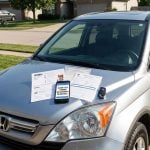
At first, getting a used car seems easy, but there’s more to it. Listings appear everywhere. Photos look clean. Prices seem fair. Sellers sound confident and friendly. Many buyers feel ready to decide fast. This speed creates risk. Used cars carry history that photos cannot show. Trust and data help buyers handle that risk.
Trust shapes every used car deal. Buyers trust sellers to share facts. Sellers trust buyers to pay fairly. Data supports this trust. Records, reports, and checks add proof. Together, trust and data guide safer choices.
This article explains how trust and data work together. It shows their roles in used car purchases. It explains limits, risks, and best practices. The aim is simple. Help buyers make calm and informed decisions.
Why Trust Matters in Used Car Buying
Trust is everything in a sale. Without it, deals just don’t happen. Used cars need trust even more. Each used car has a past. Buyers cannot see that past fully.
Sellers often know more than buyers. They know how the car was used. They know what repairs were done. Buyers depend on honest sharing. This creates an uneven balance.
Trust helps close that gap. Honest sellers share records. They answer questions clearly. They allow checks and inspections. This behavior builds confidence.
Lack of trust creates doubt. Buyers fear hidden damage. They fear legal trouble later. This fear slows decisions or leads to regret.
The Limits of Trust Alone
Trust isn’t everything. Even honest sellers can forget details. Some sellers guess or assume facts. Others hide problems on purpose.
Memory fades over time. Service records get lost. Previous owners might hide problems. Trust alone leaves holes.
Buyers who rely only on trust take higher risk. Friendly talk cannot replace facts. Smiles do not show accident damage.
This is where data plays a key role. Data supports trust with proof. It confirms or questions what sellers say.
How Data Supports Used Car Decisions
Data shows recorded facts about a vehicle. You can check vehicle history reports to see what really happened. It comes from official and private sources. These include transport offices, insurers, and service centers.
This data forms reports. Reports show events tied to the car. These events affect value, safety, and legality.
Data helps buyers see beyond claims. It replaces guesswork with records. It turns trust into informed trust.
Buyers use data to confirm details. They check mileage claims. They check accident history. They check ownership records.
Types of Data Used in Car Purchases
Many data points shape a vehicle’s history. Each one answers a specific question.
Ownership records show how many owners the car had. Frequent changes may suggest issues. Long ownership may suggest steady use.
Title records show legal status. Clean titles suggest no major loss records. Branded titles warn of past damage.
Accident data shows reported crashes. It may include damage areas and severity. This helps buyers inspect the right parts.
Mileage records show readings over time. Steady growth suggests honest use. Sudden drops raise concern.
Theft records show if the car was stolen. Recovery records also matter for future resale.
Each data point adds clarity. Missing data adds uncertainty.
The Role of the VIN in Data Checks
The VIN links all data. It is the vehicle’s unique identity. It stays with the car for life.
VIN checks confirm basic facts. They show maker, model, year, and engine type. This helps catch listing errors.
Some errors are mistakes. Others are planned. A VIN check clears confusion fast.
All serious checks start with the VIN. Without it, data has little value.
Trust Between Buyers and Sellers
Trust flows both ways. Sellers also face risk. They fear unfair claims. They fear wasted time.
Buyers who share clear intent build trust. Calm questions help. Respectful checks help.
When buyers explain why they want reports, sellers feel safer. Honest sellers often welcome checks.
This shared trust creates smoother deals. It reduces tension. It saves time for both sides.
Online Sales and Trust Gaps
Online listings changed used car buying. Buyers often meet sellers after first contact online. This reduces face to face checks.
Photos can hide flaws. Messages can hide tone. Scams appear more often online.
Data helps fill this trust gap. Reports add proof before meetings. They help buyers screen listings early.
Trust online must be earned through data. Without it, risk grows.
Data Speed and Easy Access
Modern checks are fast. Buyers can access reports in minutes. This helps during quick deals.
Access is wider now. Private buyers can use tools once limited to dealers. This levels the field.
Mobile access allows checks on the spot. Buyers can review reports during meetings.
Speed should not cause rush. Reports need careful reading. Fast access should support calm decisions.
Where Data Falls Short
Data helps, but it is not perfect. Buyers must know its limits.
Not all events get reported. Minor crashes may be fixed privately. Small floods may leave no record.
Some records appear late. Recent accidents may not show yet. Buyers should ask about recent damage.
Errors can appear in large databases. Wrong mileage or dates may show. Buyers should compare data with the car.
A clean report does not prove a perfect past. It only shows recorded facts.
Balancing Trust and Data
The best decisions balance trust and data. One without the other creates risk.
Data should guide questions. Trust shapes answers. Buyers should compare both.
If a seller’s words match the report, confidence grows. If they differ, buyers should pause.
Calm discussion helps resolve gaps. Proof clears doubts. Silence raises concern.
The Role of Inspections and Experts
Data cannot replace physical checks. Inspections remain essential.
Visual checks reveal paint mismatch and panel gaps. Tire wear shows driving habits. Underbody checks show rust or damage.
Mechanics see deeper issues. They test systems and read fault codes. They spot wear not shown in reports.
Sharing data with mechanics helps them focus. It saves time and adds context.
Trust, Data, and Pricing
Price talks rely on facts. Trust and data support fair pricing.
Accident history may lower value. Clean records may support asking price.
Mileage records affect wear expectations. Ownership history affects demand.
Calm, fact based talks work best. Data reduces emotion. Trust reduces conflict.
Free and Paid Data Reports
Free checks offer basic facts. They may show theft status or recall notes.
Paid reports often include more detail. Buyers can choose from different CARFAX report packages to get full history. They may show accidents, titles, and mileage logs.
Buyers should weigh cost against risk. For expensive cars, paid reports make sense.
No report replaces inspection. Reports guide where to look closer.
Special Cases That Need Extra Care
Some cars need deeper trust checks and data review.
Cars from storm regions may carry flood risk. Some move after disasters. Data may show storm related titles.
Imported cars may have data gaps. Records may not transfer fully. Paperwork review matters more here.
Older cars may lack early records. Digital storage was limited years ago. Recent condition matters most.
Ethics and Privacy in Data Use
Car data tells about the vehicle, not the person.This protects personal privacy.
Buyers should use data responsibly. It should guide decisions, not pressure sellers unfairly.
Sellers should expect checks as normal. Honest sellers often see them as protection too.
Respectful use of data supports trust on both sides.
Building Long Term Confidence in the Market
Trust and data improve the used car market. They reduce fraud. They support fair value.
As reporting improves, data becomes richer. More service centers share records. More regions connect systems.
Still, no system will be perfect. Human checks remain vital. Balance stays important.
Final Thoughts for Buyers
Used car purchases always carry risk. Trust and data reduce that risk.
Trust shapes communication. Data adds proof. Together, they support safer choices.
Buyers should never rush. Calm checks protect money and safety.
Use data as a guide. Use trust as a filter. This balance helps buyers move forward with confidence and care.