
Sustainable urban mobility is modifying cities across the world. It transforms how neighborhoods grow, how people move, and how property markets behave. Cities are changing rapidly as populations grow and climate pressure increases. Investment patterns and neighborhood growth are shaped based on how people move through urban spaces. Transport choices impact where people live and work. Moreover, infrastructure changes influence property demand. Real estate markets react quickly to better connections. Mobility systems now play a crucial role in long-term value and urban development.
What Is Sustainable Urban Mobility?
In simple words, sustainable mobility is transport systems that are efficient, clean, accessible, and safe. It favors public walking, transport, and low-emission vehicles over private car use. As cities respond to pollution and climate change, these systems are no longer an option. They have become central to urban policy. Moreover, they also have a lasting and strong influence on property markets.
Some cities promote cycling as a main mode of travel. Sustainable mobility also connects transport with land-use planning. Mixed-use and compact neighborhoods minimize travel distances and energy use. This strategy supports safer streets, cleaner air, and more efficient urban growth.
Accessibility and Property Value
Accessibility is a central driver of property value. When trustworthy public transport connects a neighborhood to services and jobs, the demand certainly increases. In cities like New York City and London, properties near rail stations or metros usually sell at a premium. More predictable and shorter commutes attract tenants and buyers.
Transit-oriented development focuses retail, offices, and housing around stations to increase this advantage. Investors and developers see these regions as resilient and stable. However, the impact depends on quality. Safe, frequent, and clean services are important to sustain lasting property value growth.
Environmental Quality and Neighborhood Attractiveness
Sustainable mobility minimizes noise, air pollution, and congestion. These improvements boost neigbourhood appeal and increase real estate demand. Cycling lanes and pedestrian zones create safer streets and more active public areas. Families appreciate clean air and safe routes to parks and schools. Retail businesses usually benefit from increased foot traffic in car-free spaces.
Public plazas and green corridors enhance urban design and support social interaction. Over time, these environmental improvements are seen in property prices. Commercial and home units located on green and quiet streets are expected to outperform those facing heavy traffic. It shows the powerful connection between mobility and environmental quality.
Reduced Car Dependency
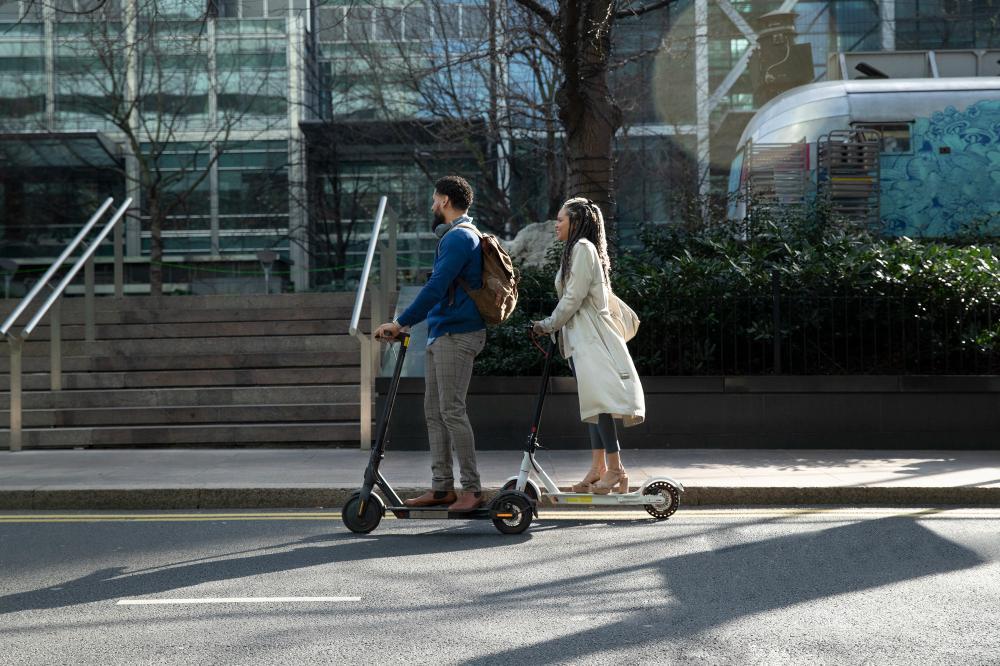 Car ownership is not an essential thing anymore in well-connected cities. Strong public transport and shared mobility services reduce reliance on private vehicles. Younger generations usually prefer access over ownership. This transition impacts market demand and housing design.
Developers in transit-rich regions offer fewer parking spaces and more shared amenities. Lower parking demands reduce construction costs and free space for community facilities or green areas. In dense neighboroods, limited parking is not an issue when mobility options are reliable. Therefore, sustainable transport networks reshape buyer expectations. Moreover, it also increases demand for compact and centrally located housing near major transit connections.
Social Equity and the Risk of Gentrification
While sustainable mobility increases property values, it can also build inequality. New transit lines usually attract higher-income and investment residents. As rent increases, lower-income and long-term residents may face displacement. This process is known as transit-induced gentrification. It changes neighborhood demographics and local businesses.
When there are no protective policies, mobility improvements can expand social gaps. Affordable housing requirements, inclusive zoning, and rent stabilization help balance growth with equity. Sustainable mobility needs to align with social policy. If it is managed well, it can improve access to services and jobs for all residents. Through this, the benefits are not concentrated among the wealthier households.
Commercial Real Estate and Business Location Decisions
“Sustainable mobility has a strong influence on commercial property markets. Companies prefer offices in spaces with reliable public transport. Employees value easy access and commutes to services. Business districts near transit hubs usually show higher rental levels and lower vacancy rates. Mixed-use developments connected to metro or rail lines perform well since they combine retail, offices, and housing.
On the contrary, isolated office parks depending on cars may lose appeal. Retail spaces with strong pedestrian access usually outperform car-oriented centers in populated urban cores. As work patterns evolve, transit-connected and high-quality locations remain more resilient and attractive in competitive property markets,” adds Jake Miakota, CEO at Subdivisions
Governance and Market Stability
Effective governance plays a crucial role in connecting sustainable mobility to property market performance. Clear long-term transport approaches give certainty to investors and developers. When city authorities coordinate zoning, housing policy, and infrastructure, market confidence boosts.
Integrated planning minimizes speculation and encourages balanced growth around transit corridors. Some cities show consistent policy structures that support both stable property values and mobility. Transparent decision-making and community engagement also minimize resistance to change. Therefore, strong organizations ensure that sustainable transport investments translate into equitable and durable real estate outcomes.
Long-Term Investment Stability and Risk Management
 Investors highly consider sustainability in real estate decisions. Properties located near public transport usually have lower carbon footprints and stronger lasting demand. These assets are less exposed to stricter environmental regulations and fuel price volatility. Cities investing in sustainable mobility usually integrate climate resilience measures. These may include improved drainage systems and green infrastructure. It reduces financial and physical risk.
As social, governance, and environmental criteria become more crucial, transit-connected properties are considered safer investments. Developers also line up projects with long-term mobility plans to secure asset value and attract responsible capital.
Global Patterns and Policy Lessons
Cities all around the world show similar trends. In Paris, metro expansion has raised interest in suburban districts. Vancouver shows how integrated cycling infrastructure and public transport support strong property markets. In Bogota, bus rapid transit influenced housing demand and improved accessibility.
These examples show consistent patterns that include improved mobility, which enhances accessibility raising real estate value. However, policy coordination is also essential. Transport investment needs to align with housing supply, affordability strategies, and land use planning. It helps to ensure inclusive and balanced urban growth.
Challenges and Trade-Offs
Regardless of the clear benefits, sustainable mobility demands high upfront investment. Tram systems, cycling networks, and metro lines are costly. Funding usually relies on public budgets. If projects are poorly managed or delayed, expected property gains may not materialize.
There can also be behavioral barriers. In cities with a strong car culture, decreasing road space can face political resistance. Property owners may think about parking or access. Gradual implementation and clear communication are important.
Lastly, sustainability needs to be holistic. If new transit encourages urban sprawl rather than compact growth, environmental gains may weaken. Mobility policy performs best when integrated with land use planning.
Conclusion
Sustainable urban mobility is beyond just a transport strategy. It is a structure for shaping cities. By improving environmental quality, resilience, and accessibility, it directly impacts property markets. Homes near transit usually gain value. Commercial districts grow around well-connected hubs. Investors see sustainable locations as lower risk.
Yet these gains certainly come with challenges. Rising values can lead to vulnerable residents’ displacements. Success depends on coordination between housing, transport, and environmental policy.