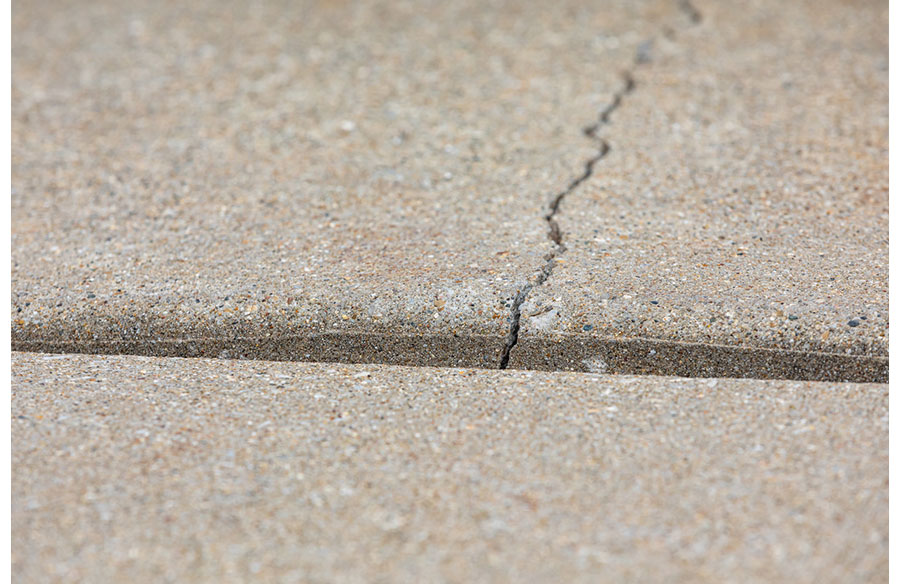
Concrete contractors frequently address early warning signs to prevent escalation into costly structural failures. Key indicators include widening cracks larger than hairline size, uneven or sunken sections creating trip hazards, surface spalling or flaking from freeze-thaw damage, and water pooling that signals poor drainage or settling. Spotting these issues promptly allows targeted repairs that maintain integrity and extend service life for driveways, patios, and walkways.
Introduction
Homeowners and property managers often face the frustration of concrete surfaces that appear fine one season yet develop serious problems by the next, especially in regions with intense temperature swings and moisture exposure. Сoncrete work exposed to these conditions demands vigilant observation because unchecked issues compromise not only appearance but also safety and functionality over time.
Experienced teams recognize that timely intervention preserves investments in driveways, patios, sidewalks, and pavers. Apex Concrete standards highlight the value of high-quality materials and precise techniques that support long-term performance, reminding us that proactive care far outweighs reactive fixes when concrete begins showing distress.
Visible Surface Damage Indicators: Residential Concrete Contractors’ Insights
Surface issues often appear first on concrete work such as driveways, patios, and sidewalks, serving as early alerts before deeper problems develop. In regions with harsh winters, repeated freeze-thaw cycles allow water to seep into the material, expand upon freezing, and create pressure that pushes outward against the structure.
The result is progressive deterioration that starts subtly yet accelerates if ignored. Homeowners frequently overlook these signs because initial changes look cosmetic, yet they compromise the protective top layer and invite further moisture intrusion.
Cracks Beyond Hairline Width
Hairline cracks under about 1 mm wide typically result from normal shrinkage during curing and pose minimal risk when sealed promptly. Wider cracks, especially those exceeding 3 mm or showing vertical displacement, indicate more serious movement from soil settlement or thermal stress. These openings permit water entry, which worsens damage through freeze-thaw action in cold climates.
Key observations include:
- Cracks that widen seasonally, growing noticeably after winter.
- Diagonal or random patterns, suggesting uneven subgrade support.
- Cracks with vegetation growth, showing long-term exposure and lack of maintenance.
Surface Spalling and Flaking
Spalling occurs when the top layer chips or peels away, often in thin sheets or shallow pits, exposing aggregate below. This damage stems primarily from moisture trapped near the surface that freezes and expands, a common issue in areas prone to repeated temperature fluctuations. Poor drainage exacerbates the problem by keeping the material saturated longer.
Recognizable features involve:
- Flaking that starts as powdery dusting then progresses to larger chips.
- Pitted or rough patches where the surface has eroded.
- Areas near edges or joints showing accelerated wear from concentrated stress.
Discoloration and Efflorescence
White powdery deposits, known as efflorescence, signal water migrating through the concrete and carrying soluble salts to the surface. While not always structural, persistent efflorescence points to ongoing moisture issues that weaken the material over time. Stains or darkening may accompany this, indicating chemical reactions or contamination.
Comparison Table: Surface Damage Types and Implications
| Damage Type | Common Cause | Early Visual Sign | Potential Cost Impact if Ignored |
| Hairline Cracks | Shrinkage during curing | Thin lines <1 mm wide | Low – seal to prevent widening |
| Wide/Active Cracks | Soil movement, freeze-thaw | >3 mm, displacement visible | High – leads to heaving or replacement |
| Spalling/Flaking | Freeze-thaw with poor drainage | Chipping, pitted surface | Medium to high – requires resurfacing |
| Efflorescence | Moisture infiltration | White powdery residue | Medium – signals deeper water issues |
Addressing these visible cues early prevents escalation into structural concerns that demand extensive intervention. Professional evaluation at this stage often reveals underlying factors like inadequate subgrade compaction or insufficient mix strength.
Structural and Functional Warning Signs for Concrete Services
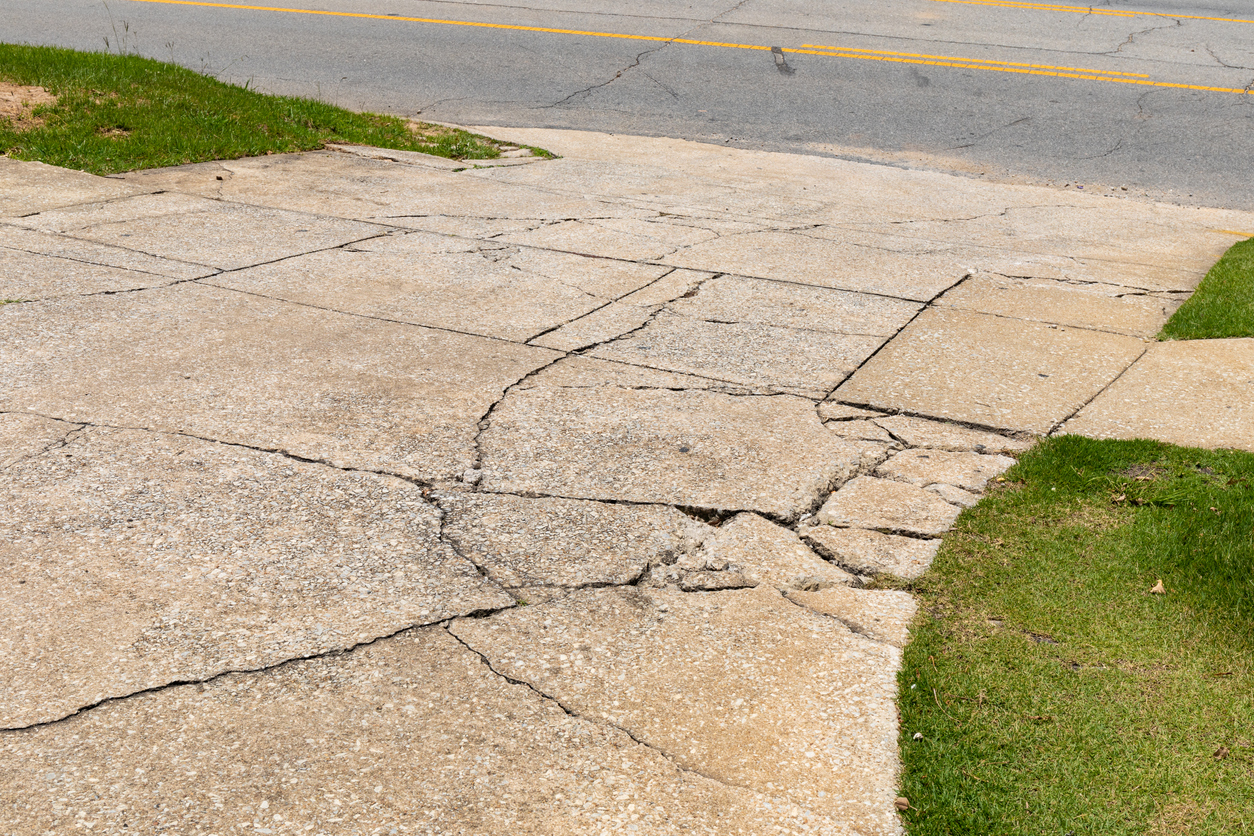
Beyond surface-level concerns, concrete services must address indicators that affect load-bearing capacity, safety, and usability. These signs often stem from subgrade instability, inadequate compaction during installation, or prolonged exposure to environmental forces that cause differential movement.
In practice, such issues manifest gradually but create trip hazards, drainage failures, and eventual structural compromise when ignored. The key lies in recognizing when cosmetic problems transition into functional deficiencies that demand professional intervention.
Uneven or Sunken Sections
Sunken concrete or heaving creates abrupt changes in elevation that pose clear safety risks, particularly on concrete pavers, walkways, and driveways. This displacement usually results from soil erosion beneath the slab, poor initial compaction, or water washing away fine particles in the base. Over time, voids form, allowing further settlement under load.
Common functional clues include:
- Tripping hazards where one section sits lower than adjacent panels.
- Vehicle scraping sounds or difficulty opening garage doors due to raised edges.
- Visible gaps at joints or against foundations from differential movement.
Water Pooling and Poor Drainage
Standing water after rain indicates improper slope or blocked drainage paths, which accelerate deterioration through constant saturation. In freeze-prone regions, pooled water freezes, expands, and exerts upward pressure that worsens cracking or heaving. Persistent puddling also promotes efflorescence and weakens the material by leaching cement paste.
Signs to monitor closely:
- Puddles lasting more than 24 hours post-rainfall.
- Water directing toward the foundation instead of away.
- Soft or spongy spots underfoot after wet periods, hinting at subsurface saturation.
Heaving and Joint Deterioration
Heaving occurs when frost penetrates and lifts sections unevenly, often due to inadequate frost protection or expansive soils. Damaged expansion joints fail to accommodate thermal movement, transferring stress directly into the slab and creating new cracks. These issues reduce overall stability and shorten service life significantly.
Early correction through targeted techniques like slab lifting or joint restoration often restores performance without full replacement.
Why Early Professional Assessment Matters for Concrete Pavers and Driveways
The progression from minor surface flaws to serious structural concerns underscores one fundamental truth in concrete work: waiting for obvious failure multiplies repair expenses dramatically. Early assessment identifies root causes such as inadequate base preparation, improper mix design, or drainage deficiencies before visible damage becomes irreparable.
Benefits of Timely Intervention
Prompt evaluation allows technicians to apply targeted solutions like polyurethane slab lifting, crack injection with low-viscosity epoxy, or joint resealing with flexible polyurethane sealants. These methods restore levelness, prevent water ingress, and halt progressive deterioration without the disruption and expense of full demolition and repour. The result is restored functionality combined with improved aesthetics at a fraction of replacement costs.
Consider the advantages in these scenarios:
- Crack repair before widening reaches structural thresholds, often completed in hours.
- Slab jacking to correct settlement, lifting sections back to original grade with minimal excavation.
- Surface treatments such as breathable sealers that reduce future moisture absorption while allowing trapped vapour to escape.
Long-Term Performance Considerations
Quality concrete services emphasize preventive measures rooted in building science principles. Proper subgrade compaction to 95 percent modified Proctor density, inclusion of adequate air entrainment (5 to 7 percent for freeze-thaw resistance), and installation of control joints at correct spacing all contribute to durability. Yet even installations meeting these standards face risks from unforeseen soil shifts or extreme weather events.
Key factors influencing longevity include:
- Drainage grading directing water at least a 2 percent slope away from structures.
- Joint maintenance preventing incompressible debris buildup that forces cracking.
- Sealer application every three to five years to protect against de-icing salts and oil stains.
The difference between reactive replacement and proactive preservation often amounts to thousands in savings while maintaining safety and curb appeal.
Protecting Your Concrete Investment Through Proactive Care
The core takeaway centres on vigilance and prevention. Regular seasonal inspections combined with prompt action preserve safety, functionality, and appearance while significantly reducing long-term costs. In regions subject to freeze-thaw cycles and soil movement, this approach proves essential for maintaining durable surfaces.
Concrete contractors Calgary and specialists across similar climates consistently observe that homeowners who respond to initial signs achieve far better outcomes than those who wait for major failure. Proactive care remains the most reliable strategy for extending the service life of driveways, patios, walkways, and concrete pavers.