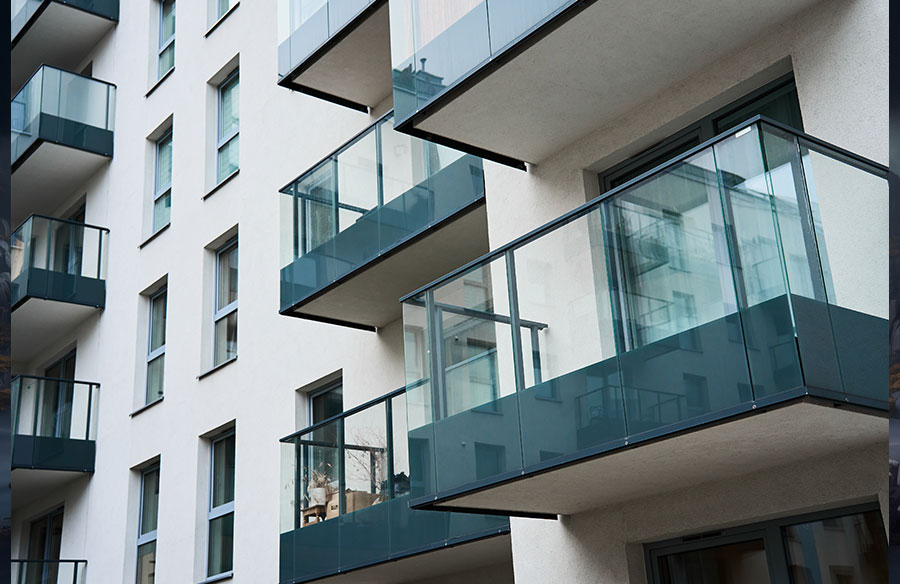
Glass railings. You’ve seen them in sleek modern homes. You’ve seen them on high-end commercial buildings. Maybe even on your neighbor’s newly renovated deck. They look amazingly sleek, minimalist, almost invisible. But here’s the question: “Are glass railings safe?”
It’s a fair concern. Glass seems fragile. We’ve all seen what happens when a wine glass hits the floor. So when we see these transparent barriers holding back people on balconies and staircases, wondering how strong are glass railings is pretty natural.
The answer might surprise you. Glass railings aren’t just safe. They’re often safer than traditional railings. But to understand why, we need to dive deep into the materials, engineering, and testing that make modern glass railings a marvel of both form and function.
What Are Glass Railings and How They Work
Glass has been used in construction for centuries, but its role has dramatically evolved. Early glass was fragile, prone to shattering, and mostly used for small windows. Fast forward to today, and we have glass that can:
- Withstand hurricane-force winds
- Support the weight of multiple people leaning against it
- Resist impacts that would destroy ordinary glass
This transformation didn’t happen by accident. It’s the result of decades of material science advancements and rigorous safety standards.
The Three Types of Glass Used in Railings
Not all glass is created equal. When it comes to railings, there are three main types you’ll encounter:
- Annealed Glass: This is your standard, everyday glass used in windows and non-safety applications. Not used in quality railing systems for obvious reasons.
- Tempered Glass: Heated to over 600°C then rapidly cooled, it creates surface compression that makes it 4 to 5 times stronger than annealed glass. When it does break, it shatters into small, relatively harmless pieces. Dice, not daggers. The most common choice for residential railings.
- Laminated Glass: Two or more layers of glass with a PVB interlayer. If the glass breaks, the interlayer holds everything together. Used in high-impact areas and commercial applications. Often combined with tempering for maximum safety.
Top railings often use both tempered and laminated glass for ultimate safety.
Glass can be installed using frameless base channels, metal posts, or semi-framed hardware depending on the design. Clamps, anchors, brackets, and base shoes hold everything firmly in place and transfer loads into the structure of the building.
Put all that together and you get a railing system that looks simple but is actually doing some serious structural work behind the scenes.
Are Glass Railings Safe
Yes, they are. When built correctly.
The safety of glass railings mainly comes from the type of glass used and the way the system distributes pressure. Most modern systems use tempered or laminated safety glass that’s designed to handle everyday impacts.
Here’s what makes them reliable:
- Tempered glass strength: Tempered glass is heat-treated, which makes it four to five times stronger than standard glass.
- Laminated glass protection: Laminated glass includes bonded layers with a tough interlayer that holds the panel together even if the surface cracks.
- Impact resistance: Railing panels are engineered to handle people leaning on them, bumping into them, or putting pressure along the edge.
- Building code compliance: Most glass railing systems are tested to meet strict safety regulations for both residential and commercial buildings.
So when someone asks you on a job site, “are glass railings safe?” you can tell them the same thing: they’re designed for safety first, aesthetics second — even though they look pretty good doing it.
How Strong Are Glass Railings
Another question that comes up all the time is how strong are glass railings, especially when people see them installed on balconies or upper floors.
The answer usually surprises people.
Safety glass used in railing systems is built to withstand significant force. You’re not dealing with fragile material here. You’re dealing with engineered construction glass.
The tempering process strengthens the internal structure of the glass, making it far more resistant to impact and stress. Laminated panels include a strong interlayer that keeps the glass intact even if one side cracks. Glass railing panels are designed to support the force of people leaning, pushing, or gathering along a balcony.
Proper installation ensures the system distributes loads correctly and stays stable over time. That combination answers the question how strong are glass railings pretty clearly. They’re strong enough to meet strict building standards and protect people in everyday situations.
Advantages of Glass Railings for Homes and Buildings
Beyond safety, glass railings come with some real advantages that make them popular with architects and homeowners.
Some benefits are obvious. Others you only notice after living with them for a while:
- Unobstructed views: Glass panels allow clear sightlines, which is perfect for scenic areas, balconies, or open interiors.
- More natural light: Because the panels are transparent, light moves freely through the space and makes rooms feel brighter.
- Durability in outdoor environments: Safety glass and stainless hardware hold up well against weather, moisture, and temperature changes.
- Low maintenance: Compared to wood railings that require painting or sealing, glass systems mostly need occasional cleaning.
For these reasons, many property owners end up choosing glass railings not just for style but for practicality too. If you’re exploring installation options, working with professionals who specialize in glass railings helps to ensure the system fits both the design and structural needs of the space.
Common Misconceptions About Glass Railing Safety
Even though glass railings are becoming more common, a few misconceptions still pop up now and then. Most of them come from confusing safety glass with regular glass.
Here are some of the common myths:
- “Glass railings break easily”: Safety glass used in railing systems is engineered to resist impact and pressure.
- “They aren’t safe in busy areas”: In reality, many commercial buildings use glass railings specifically because they meet strict structural standards.
- “All glass is basically the same”: Construction safety glass is very different from the glass used in household items.
- “Glass railings are only decorative”: While they look sleek and modern, they function as full structural safety barriers.
Once people understand the materials involved, these concerns usually disappear pretty quickly.
Final Thoughts
Glass railings combine modern design with serious engineering. They provide the open, airy look many homeowners want while still delivering the structural protection required for stairs, balconies, and terraces.
The safety of glass railings ultimately comes down to strong materials, tested systems, and professional installation. When those pieces are in place, glass railings become a durable and reliable option for both residential and commercial spaces.
Once people see how solid they really are, the worries usually fade away.
FAQ
Are glass railings safe for stairs and balconies?
Yes. Glass railings made from tempered or laminated safety glass provide reliable protection for elevated areas when installed correctly.
How strong is tempered glass used in railings?
Tempered glass is typically four to five times stronger than regular glass due to the heat-treatment process used during manufacturing.
What type of glass is used for glass railings?
Most systems use tempered glass, laminated glass, or a combination of both for added durability and safety.
Can glass railings break easily?
No. Safety glass used in railing systems is specifically engineered to resist impact and pressure.
Do glass railings meet building safety codes?
Yes. Properly manufactured and installed systems must comply with local and national building safety regulations.