Key Takeaways
- Regular seasonal inspections and maintenance prevent small roofing issues from becoming costly repairs.
- Cleaning gutters, checking flashing, and removing debris are essential for protecting the roof and home structure.
- Proper attic ventilation and insulation help extend the life of your roof and prevent ice dams or heat damage.
- Timely repairs of damaged shingles, seals, or flashing maintain your roof’s waterproofing and structural integrity.
- Working with a qualified roofing professional ensures safety, accuracy, and long-term protection of your investment.
Taking care of your roof is very important in protecting your home from weather damage and increasing the life expectancy of one of the most important parts of your house.
Each change of the season brings new sources of threat to your roof; therefore, it is vital that we keep roofs in good shape to protect our homes and to save money; this is not only true for homeowners but also for property managers who have learned how to deal with seasonal issues during their respective seasons. Working with a highly experienced Toms River roofing company can help simplify these processes, and provide you the peace of mind that your roof will always be in excellent condition.
By understanding how to inspect, clean and repair your roof seasonally, it allows you to deal with minor problems before they develop into major, costly issues. Neglecting to perform seasonal maintenance of your roof can place your roof at risk of developing leaks, creating a safety hazard, or being unable to efficiently heat and cool your home.
It is advisable to begin every season by performing a comprehensive inspection of your roof, checking for signs of previous wear or damage, and performing repairs as soon as they become necessary. By properly performing these tasks, the chances of having to deal with a variety of issues related to roofing will be greatly reduced.
Roofing materials can be damaged in a number of ways, by debris that falls from trees or other structures, by the weather, and by extreme temperature fluctuation. By establishing a regular schedule for performing preventive maintenance on the roofing of your structure, it will help eliminate problems associated with weather and trees, before those problems negatively affect the structure of your home.
Spring: Post-Winter Recovery
Inspect and Repair Damage
Springtime is ideal for inspecting your roof by a roofing company for any damage that may have occurred as a result of winter storms, ice, or wind. The first step in this process is to search for missing shingles or broken shingles. Also look for any loose shingles, as they, too, could allow rainwater to seep through into your home. Make sure to also check the flashing (the metal lining located along the edge of the roof), the seals (the area around chimneys), and the valleys of your roof (the area where two sloped surfaces meet) for signs of wear and tear, as these areas often fail first. Make sure to also clear off any tree branches or debris that may have accumulated on top of your roof during winter storms.
Clean Gutters and Downspouts
Throughout winter, gutters and downspouts can collect debris such as fallen branches, leaves, twigs, seeds and dirt, leading to drainage problems. If left uncleaned, water will pool up on your roof, potentially leaking into the home or damaging the structure of your foundation. Additionally, removing clogged gutters can combat mildew and mold growth, especially on the areas around eaves and soffits, helping to reduce the chance of rotting and structural integrity of the home being compromised.
Summer: Heat and UV Protection
Monitor for Sun Damage
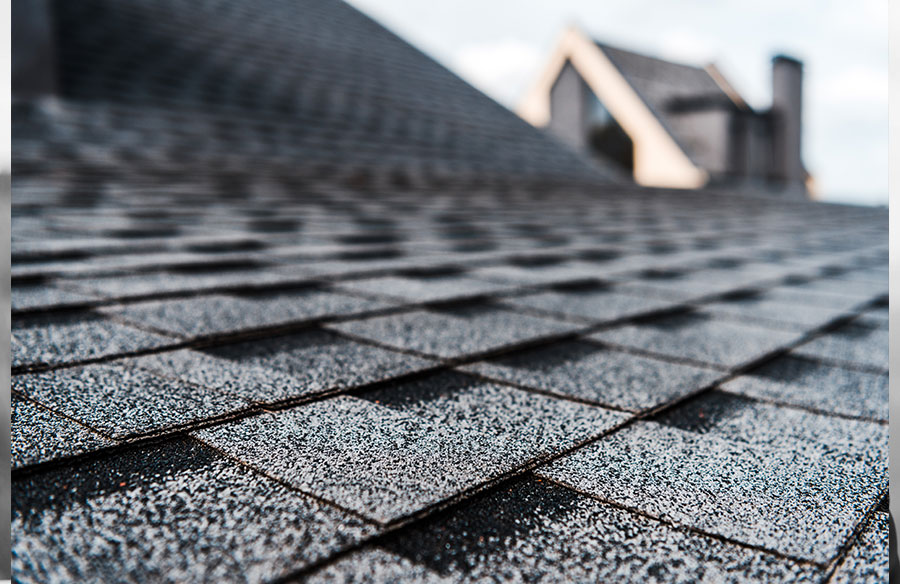
The intense heat caused by summer sun can blister, crack and remove the protective granules from shingles. Inspections must be done regularly, particularly on the southern slopes of your roof as these areas are exposed to the most intense sunlight. If a shingle is damaged, replacing it quickly is essential to maintain the integrity of the waterproof barrier on your roof and to stop the decay of your roof from continuing.
Ventilation and Tree Trimming
During hot months, you’ve got to have ventilation in your attic to keep your attic cool. This will help reduce the risk of warping wooden frames and will extend the useful life of your roof. If you have trees or plants growing close to the roof, then it can heat trap moisture and leave organic debris on the roof. By cutting down trees growing close to the roof, you’re allowing for airflow and allowing sunlight in reducing the chance of algae or moss growing on your shingles. Summer is a key time for you to inspect both your attic and roof to address immediate issues. Better Homes & Gardens states that conducting regular inspections of your attic and roofing systems helps you avoid many long-term problems with both.
Fall: Preparing for Colder Months
Clear Gutters and Install Guards
As the leaves begin to change color, now is the time to clean out your gutters and be ready for winter rains or any snowfall that is coming soon. The installation of gutter guards may help decrease the frequency of having to clean out your gutters manually by reducing the risk of getting clogged. If you live in a heavily wooded area, it’s a good idea to check your gutters several times during the fall and winter months to ensure they remain functional and clear of debris from fallen leaves.
Inspect Flashing and Sealants
When examining your roof, you should focus on the area where your roof meets a wall, skylight or chimney. Damaged or worn flashing will allow water to seep underneath your shingles, potentially causing rot, leaks and mold to develop. Use caulk that is specifically designed for use on roofs to reseal any gaps in flashing. Always check vent boots for any cracks or signs of deterioration because this is one of the most common areas for water to enter your home.
Winter: Snow and Ice Management
Prevent Ice Dams and Excessive Snow Accumulation
Snow and ice can create hazardous conditions on your roof during winter months. A key component of protecting your roof from snow and ice is to insulate and ventilate your attic properly. Proper insulation and ventilation allow for an even distribution of heat throughout the attic, and prevent hot spots that cause snow to melt in spots, which creates ice dams on the roof. Ice dams can force water into your home under shingles and cause water damage.
Stay Safe Removing Snow
In order to prevent structural issues from heavy snowfall accumulation on an outdoor surface such as a residence or garage, it is best practice to utilize a roof rake and carefully remove any excess weight from your roofing system. If you find the task of removing the accumulated weight from your roof is going to be difficult, you may want to hire a professional for this service. Also, The New York Times Wirecutter has additional tips for preventing ice dams this winter.
Year-Round Maintenance Tips
Annual checks of your roof should happen at least once a year and after any major storm, or other extreme weather. Over time, this helps you to see any problems that may develop before they become serious.
Hire a qualified and experienced roofer each year to inspect for problems that you might be unable to identify from the ground.
Fix any minor damage as soon as possible to prevent it from becoming a larger, more expensive repair down the road.
Final Thoughts
Make sure to spend time each season inspecting, cleaning, and making repairs to your roof. By doing this, you will maintain the value of your roof investment and protect your home from the elements throughout the entire year. If you take a proactive approach and hire a professional when necessary, you will be able to live comfortably any time of the year.