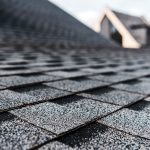
Flexible shingles are manufactured with a rough top layer containing particles of natural minerals, such as slate or basalt. This surface easily traps soil particles, spores, and seeds carried by the wind.
Manufacturers are aware of this characteristic and therefore treat the material with protective impregnations. However, their effectiveness weakens over time; after a few years, the impregnation dissolves or washes away.
In San Antonio, TX, moss often colonizes roofs due to humid summers and mild winters. Therefore, homeowners should regularly use soft-wash roof cleaning services or perform the cleaning themselves.
Causes of Moss
If a plant has taken a liking to your roof, the following factors could be the cause:
- Climate conditions. If the house is shaded by trees, near water, receives little sunlight, and is prone to fog and precipitation, the soft roof will inevitably turn green. This process most often begins on the north side of the roof, where the surface dries more slowly.
- Installation errors. Sometimes, poor sealing of joints occurs during installation. This results in the accumulation of soil particles and moisture in the cracks, which creates a favorable environment for the growth of greenery.
- Lack of maintenance. Any roof requires periodic inspection and cleaning. If left untreated, the surface becomes a breeding ground for moss and lichen.
Therefore, no roof is immune to moss, and it is important to understand how to remove it.
Why Moss on a Roof is Dangerous
Many roof owners view moss patches as a harmless, picturesque addition, something they can put off until a more convenient time. After all, moss doesn’t have roots like regular plants and can’t penetrate the roofing material and cause damage. It also can’t use the shingles for nutrition.
This attitude is a serious misconception, as the presence of vegetation on a roof is harmful to the roofing and leads to the following negative consequences:
- Moss can retain significant amounts of moisture. High humidity attracts fungus and insect colonies, and triggers material deterioration.
- Moss typically begins to grow along the joints and they peels at the overlaps, and loss of adhesion leads to a loss of seal.
- Over time, the gaps between roofing elements widen, the roof loses its integrity, its strength decreases, and leaks occur. If moss grows into a dense carpet, it can disrupt the roofing structure’s thermal regulation. This will negatively impact the condition of the tiles and the indoor climate.
Considering all the negative effects that moss can bring, you should not delay removing it.
Roof Cleaning with a Brush
Removing moss from a soft roof with a brush is attractive from a cost-effective standpoint. However, this type of work is quite energy-intensive. Even with the most thorough cleaning, you’ll only be rid of the moss for a year at most, and there’s also a risk of damaging the roofing. The procedure is conveniently carried out in two stages. First, large patches of moss are removed manually. Then, the roof is brushed again with a stiff natural bristle brush and a duster of water; this will help remove the dirt. Of course, it’s much more effective to call in professionals who will quickly and efficiently remove moss from your roof.