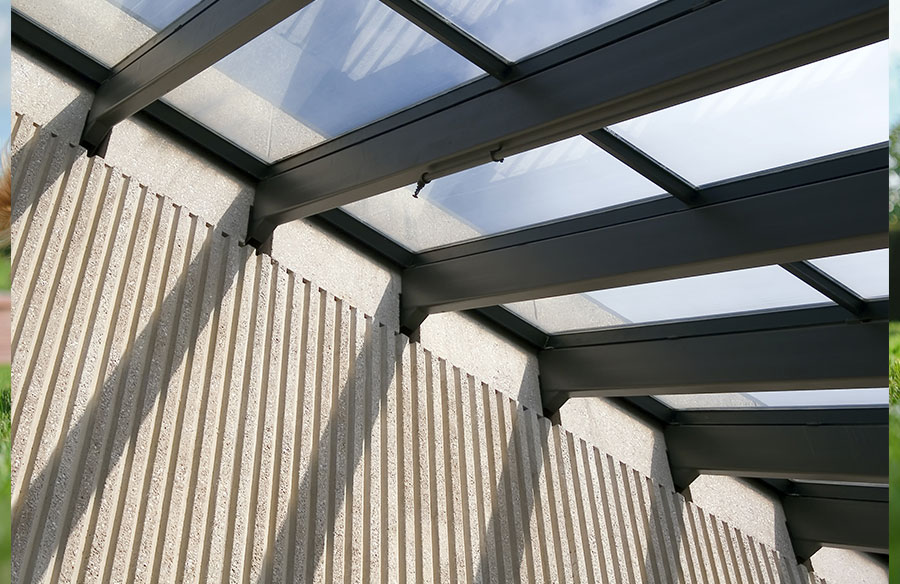
If you are planning a patio cover, greenhouse, pergola, or other outdoor roof project, you may be thinking about polycarbonate roofing installation.
Polycarbonate roofing is popular because it is lightweight, strong, easy to handle, and lets natural light pass through.
Many homeowners choose it because it is easier to work with than glass and usually costs less. It also offers good insulation and can be used on many types of structures.
Community Pro Roofing explains how to install polycarbonate roofing in a simple way, so it is easy to understand before you begin your project.
Why Polycarbonate Roofing Is Popular
Before learning about installing polycarbonate roofing, it helps to understand why so many people choose it.
Polycarbonate sheets are often used because they are:
- lightweight
- easy to cut
- simple to install
- more impact-resistant than glass
- better for thermal efficiency
- able to let in natural light
They are a practical choice for both small and large projects. While they can scratch more easily than glass and may not last as long, they still offer a strong balance of cost, performance, and easy installation.
What You Need for Polycarbonate Roofing Installation
For most polycarbonate roofing installation projects, you will need a few basic materials. These help support the sheets, protect the open ends, and keep water and dirt out.
Common materials include:
- polycarbonate sheets
- H profiles to join the sheets
- U profiles to close the sheet ends
- screws with proper washers and gaskets
- solid aluminum tape
- vented aluminum tape
Before ordering materials, you should check the roof structure carefully. Look at whether the frame uses rafters, purlins, or both. This matters because the support layout helps determine the right sheet width and installation method.
How to Install Polycarbonate Roofing Sheets
If you want to learn how to install polycarbonate roofing sheets, preparation is one of the most important steps.
Before placing the sheets on the frame, make sure you do the following:
Check the UV-Protected Side
Polycarbonate sheets usually have a UV-protected side. That side should face upward toward the sky. If the wrong side faces up, the sheet may wear out faster over time.
Seal the Top Edge
The top edge of the sheet should be closed with solid aluminum tape. This helps keep out dust, dirt, and water from entering the flutes or ribs of the panel.
Seal the Bottom Edge
The bottom edge should be closed with vented aluminum tape. This is important because it allows moisture and condensation to drain while still helping block insects and debris.
These preparation steps are simple, but they play a big role in helping the roof last longer and perform better.
Installing Polycarbonate Roof Panels the Right Way
When installing polycarbonate roof panels, the joining profiles are very important.
H Profiles
H profiles are used to connect one sheet to another. There are aluminum and polycarbonate versions.
An aluminum H profile usually comes in two pieces: a base and a cap. The base is screwed to the frame first, and then the cap is added to hold the sheets in place. This creates a more secure and reinforced roofing system.
A one-piece polycarbonate H profile is different. It should not be screwed directly to the frame. This type is often used in certain installations where the panels are secured through the sheet itself with screws and washers.
U Profiles
U profiles are used to close the open ends of the sheets. These can also be made from aluminum or polycarbonate. They should only be installed after the solid and vented tapes have been applied.
These profiles help finish the installation neatly while giving added protection to the sheet edges.
How to Install Polycarbonate Roofing Without Common Mistakes
Learning how to install polycarbonate roofing also means avoiding the mistakes that often cause leaks or damage later.
One important rule is to use the correct screws and washers. The screw should always be used with a washer and a neoprene gasket. This helps spread pressure across the surface and seals the hole to reduce the risk of water leaks.
Another important step is pre-drilling the holes properly. Polycarbonate expands and contracts with temperature changes. Because of this, the hole should be drilled slightly larger than the screw. This gives the sheet room to move without cracking or warping.
If the screw hole is too tight, the material may become stressed over time.
Cutting Polycarbonate Sheets
If your project requires trimming panels, cutting them the right way matters.
For most sheets, you can use:
- a circular saw with a plywood blade
- a jigsaw with a fine-tooth blade
For thinner sheets under 6mm, a utility knife may also work.
It is best to cut the sheets before removing the protective film. If the film is removed too early, static can attract fine plastic chips into the flutes, making cleanup more difficult.
Careful cutting helps produce cleaner edges and a better final fit during polycarbonate installation.
Installing Polycarbonate Roofing on Different Structures
The way you approach installing polycarbonate roofing may change depending on the structure.
For example, a simple patio roof may be more straightforward than a greenhouse or custom outdoor cover. The spacing of supports underneath the sheets matters a lot. That is why it is always smart to confirm the frame layout before installation begins.
If the support system is not planned correctly, the sheets may not fit properly or may not get the support they need.
Benefits of Polycarbonate Installation
There are many reasons people choose polycarbonate installation for roofing projects.
Some of the biggest benefits include:
Easy Installation
Polycarbonate is much easier to handle than glass. It is lighter, easier to move, and simpler to cut on-site.
Better Thermal Efficiency
Compared to glass, polycarbonate offers better insulation. This can help reduce heat transfer and make covered spaces more comfortable.
Natural Light
Polycarbonate roofing allows light to pass through, which makes it a great choice for spaces where you want brightness without fully exposing the area to the weather.
Lower Cost
In many cases, polycarbonate is more affordable than glass and easier to install, which can also reduce labor needs.
Flexible Design Use
Polycarbonate can be made in different thicknesses and can be shaped more easily than many other roofing materials.
Polycarbonate vs Glass for Roofing
When comparing roofing materials, many people look at glass and polycarbonate.
Glass offers excellent clarity and long life, but it also has some major downsides. It is heavier, more fragile, harder to install, and less thermally efficient.
Polycarbonate solves many of those issues. It is easier to install, lighter in weight, and better for insulation. It can also be cut and shaped more easily.
The tradeoff is that polycarbonate can scratch more easily and usually has a shorter lifespan, often around 15 to 20 years, depending on the product and exposure.
For many homeowners, the easier installation and lower cost make polycarbonate the better fit.
Final Thoughts on How to Install Polycarbonate Roofing
If you are researching how to install polycarbonate roofing sheets, the process is usually straightforward when you use the right materials and follow the correct steps.
The main things to remember are:
- Check the support frame before choosing the panel size
- Place the UV-protected side facing upward
- Seal the top and bottom edges correctly
- Use H and U profiles where needed
- pre-drill holes slightly larger than the screws
- Use screws with the correct washers and gaskets
- Cut panels carefully before removing the protective film
With the right setup, installing polycarbonate roof panels can be a practical and cost-effective way to create a bright, durable, and weather-resistant roof.