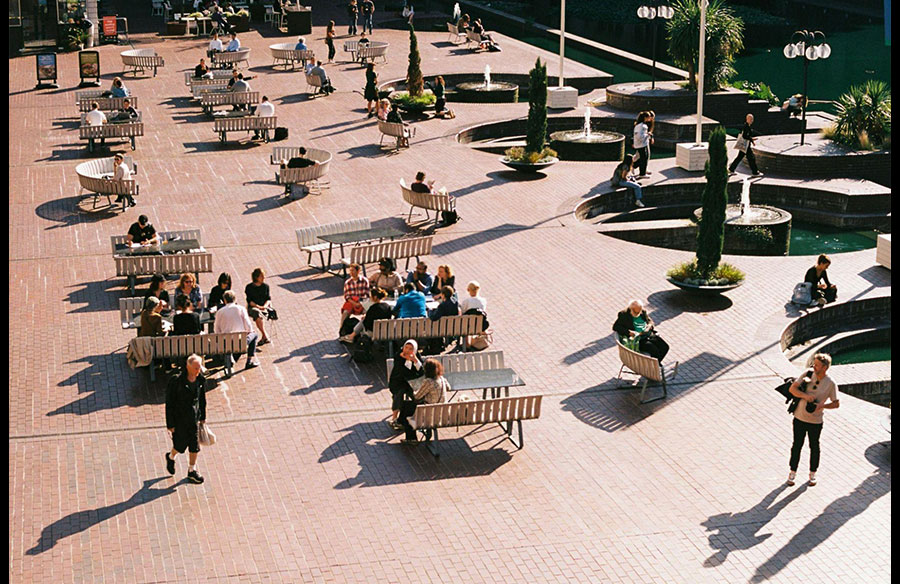
Public spaces often become memorable for reasons people do not consciously notice at first. The atmosphere, scale, lighting, gathering areas, and visual landmarks within a space usually shape how visitors feel long before they actively analyze the design itself. Parks, plazas, event venues, waterfront areas, and community gathering spaces tend to stand out when they create a strong sense of identity and encourage people to stay longer comfortably.
Modern outdoor design increasingly focuses on experience rather than appearance alone. Cities, businesses, and developers now pay closer attention to how people move through spaces, where they naturally gather, and which features create emotional connection or visual impact. Small environmental details often influence whether a public area feels forgettable or becomes a place people want to revisit repeatedly.
Large Visual Landmarks Create Stronger Identity
One of the most effective ways to make outdoor spaces memorable is through large-scale visual elements that immediately define the environment. Vertical structures, public art, fountains, lighting installations, and architectural focal points often become recognizable symbols associated with the space itself.
Features such as an 80 ft flag pole naturally create visibility and scale within larger outdoor environments. Tall structures help anchor public spaces visually while giving visitors a stronger sense of orientation and place. In parks, civic centers, sports complexes, and event spaces, larger focal points often become gathering references that shape how people experience the environment overall.
Fire Features Encourage People to Stay Longer
One reason certain public spaces feel more inviting is because they encourage people to linger instead of simply passing through quickly. Fire features play a major role in this because they naturally create warmth, atmosphere, and social gathering points within outdoor environments.
Installations from Royal Fire Pits are often used in outdoor hospitality areas, event venues, residential developments, and gathering spaces where comfort and visual atmosphere matter. Fire features tend to attract conversation and movement naturally because people are instinctively drawn toward warmth and ambient lighting, especially during evening events or colder seasons.
Lighting Changes How Spaces Feel After Dark
Lighting strongly affects whether outdoor spaces feel welcoming or uncomfortable during nighttime hours. Harsh or inconsistent lighting can make public areas feel empty or purely functional, while layered lighting creates depth, safety, and atmosphere simultaneously.
Well-designed lighting also extends how long people remain outdoors during evenings. Walkways, seating zones, architectural highlights, and gathering areas all feel more usable when lighting supports visibility without overwhelming the environment visually. Many memorable outdoor spaces rely heavily on lighting design to create mood and visual identity after sunset.
Comfortable Gathering Areas Improve Social Interaction
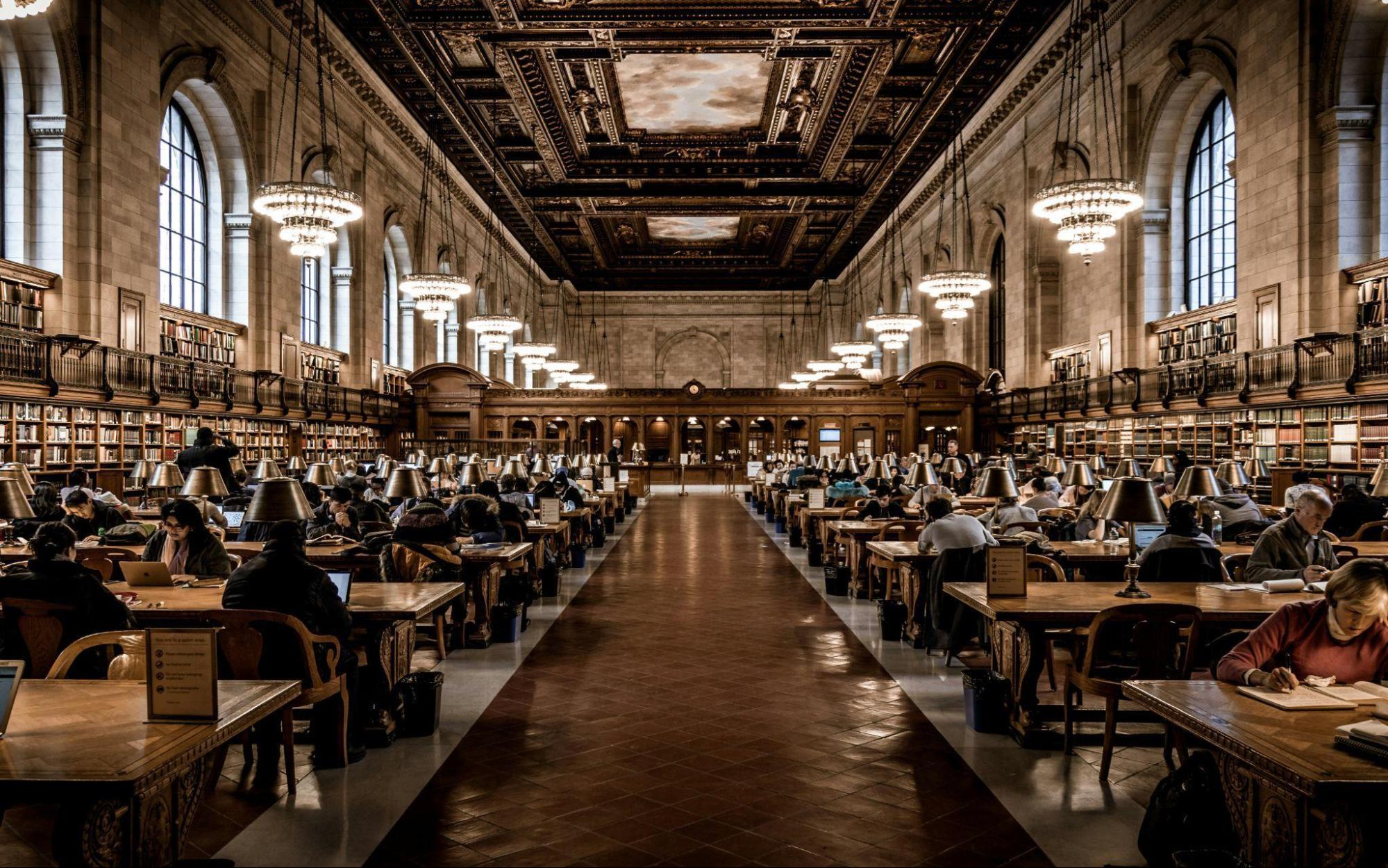 Public spaces become more successful when they encourage natural interaction between visitors. Seating layouts, shaded areas, open sightlines, and flexible gathering spaces often determine whether people actually use the environment socially or simply move through it quickly.
According to Project for Public Spaces, memorable public spaces typically combine comfort, accessibility, visual interest, and opportunities for social engagement rather than focusing only on aesthetics alone. Spaces that encourage people to sit, gather, and spend time comfortably usually create stronger emotional connection within communities over time.
Material Choices Influence Emotional Atmosphere
Texture and material selection often shape how outdoor spaces feel emotionally. Stone, wood, metal, water features, and fire elements each influence atmosphere differently depending on how they are combined throughout the design. Natural materials frequently help outdoor areas feel warmer and more grounded compared to environments dominated entirely by concrete or highly reflective surfaces.
This sensory aspect of design matters because memorable spaces usually engage more than visual attention alone. Sound, warmth, lighting, airflow, and texture all contribute to whether visitors feel relaxed and comfortable within the environment.
Flexibility Helps Spaces Stay Active
The most successful public spaces often support multiple uses instead of serving only one purpose. Areas capable of hosting events, gatherings, performances, dining, recreation, or casual social interaction tend to remain active more consistently throughout the year.
Flexible design also allows spaces to adapt naturally as community needs change over time. Open gathering zones, movable seating, fire features, and scalable focal points help outdoor environments remain useful across different seasons and event types instead of feeling limited to one specific function only.
Memorable Spaces Usually Feel Intentional
Many outdoor spaces fail not because they lack expensive features, but because they feel disconnected or emotionally flat. Memorable environments usually create a sense that the design was intentionally built around human experience rather than simply filling empty space with decorative elements.
Visual landmarks, fire features, lighting, seating, and gathering areas all contribute to that feeling when they work together cohesively. The outdoor spaces people remember most are often the ones where atmosphere, comfort, and visual identity combine naturally to create environments that feel welcoming, social, and emotionally engaging long after visitors leave.