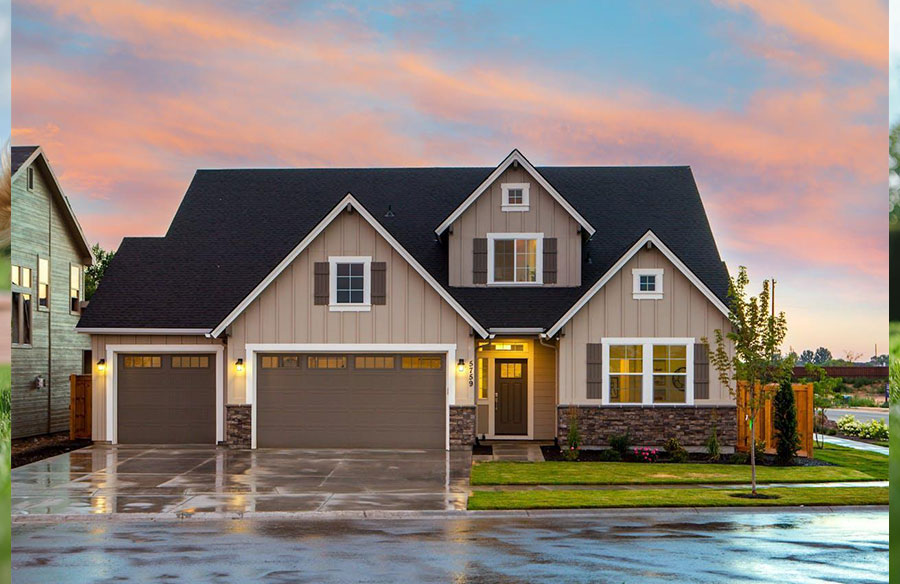
Have you ever noticed how your home seems perfectly fine until the weather suddenly shifts? A calm week can turn into heavy rain, strong winds, or a freezing night without much warning. Seasonal changes test every part of a house, from the roof down to the foundation. Small weaknesses often stay hidden until extreme temperatures or storms expose them. Many homeowners react after something breaks, yet preparation works far better than repair. A steady, practical approach keeps damage manageable and stress low. In this blog, we will share how to prepare your home for seasonal weather changes with smart prevention strategies and the right support when urgent repairs are needed.
Start with the Exterior Before the Forecast Changes
Your home’s exterior takes the first hit when seasons shift. Shingles loosen under heavy wind. Gutters clog during fall. Siding cracks when temperatures swing rapidly. These issues may appear minor at first glance, yet they often grow when ignored. A walk around your property can reveal peeling paint, loose flashing, or pooling water near the foundation.
Water should be directed away from the home. Cracks should be sealed before moisture seeps in. Gutters should be cleared before storms roll through. Paint should be touched up before wood becomes exposed.
Inspect the roof, inspect the siding, inspect the gutters, inspect the foundation and inspect the drainage paths, inspect the seals.
Stay ahead.
Secure Entry Points Before Temperature Swings Begin
Doors and windows are common sources of air leaks and moisture intrusion. Weatherstripping should be replaced if it feels brittle. Caulking should be refreshed where gaps have formed. Thresholds must sit flush against the floor. Even small openings allow heat to escape or cold air to enter.
Garage doors require special attention before seasonal changes intensify. Because they are large moving structures, they are affected quickly by temperature shifts, humidity, and storm debris. Panels should be checked for warping. Tracks should be examined for misalignment. Seals should be inspected for cracking or gaps. When these doors are not functioning properly, energy efficiency drops and security can be compromised. Mechanical components can also fail without warning. Springs may snap during a cold spell. Openers can stop working during heavy rain. Tracks can shift after high winds. That is why relying on a provider that specializes in emergency and same day service garage door service is not just convenient but practical. When urgent issues arise, rapid response prevents extended exposure to weather and restores safety quickly.
Check the seals, check the springs, check the tracks, check the opener and check the alignment.
Fix it fast.
Service Heating and Cooling Systems Before Peak Demand
Heating and cooling equipment should be inspected before extreme temperatures arrive. Air filters must be replaced regularly. Outdoor units should be cleared of debris. Ductwork should be examined for leaks. Preventive maintenance helps systems operate efficiently when they are needed most.
When HVAC systems are neglected, airflow becomes restricted. Energy use increases quietly. Components wear out faster. Breakdowns often occur during the hottest or coldest days of the year. It is better for issues to be discovered during mild weather than during a heat wave or cold snap.
Schedule maintenance, replace filters, clean vents, test thermostats, monitor performance.
Plan early.
Many people wait until their home feels uncomfortable before calling for service, yet routine inspections are less disruptive and often less expensive. Systems that are maintained consistently tend to last longer and perform more reliably throughout seasonal transitions.
Protect Plumbing from Seasonal Stress
Pipes are vulnerable when temperatures drop. Exterior faucets should be drained before freezing weather sets in. Hoses must be disconnected to prevent trapped water from expanding. Pipes located near exterior walls should be insulated. Frozen water lines can crack quickly, and water damage can spread fast once thawing begins.
Basements and crawl spaces should be checked for dampness during rainy seasons. Sump pumps should be tested before heavy storms arrive. If water flows away from the foundation properly, structural risks are reduced. Prevention costs far less than emergency restoration.
Drain the lines, insulate the pipes, clear the drains, test the pump and monitor moisture. Act now.
Many homeowners assume plumbing will manage seasonal shifts on its own, yet temperature extremes create stress that builds gradually inside walls and beneath floors. Taking early steps reduces the likelihood of costly and disruptive water damage.
Reinforce Insulation and Energy Control
Insulation helps regulate indoor temperature during every season. Attics should be reviewed for adequate coverage. Gaps around vents or lighting fixtures should be sealed. When insulation is sufficient, heating and cooling systems do not have to work as hard.
Window coverings can also improve comfort. Heavy curtains help retain warmth in winter. Light-blocking shades reduce solar heat during summer. Ceiling fans can be adjusted seasonally to improve circulation. Small adjustments often produce noticeable results.
Seal the attic, seal the windows, seal the gaps, seal the ducts.
Consistency matters.
Many homeowners focus on dramatic upgrades while overlooking simple energy-saving steps, even though steady improvements can significantly reduce monthly utility costs over time. When insulation and airflow are addressed properly, seasonal weather feels less disruptive inside the home.
Build a Seasonal Response Plan
Preparation also means being ready for sudden weather events. Outdoor furniture should be secured before strong winds. Trees should be trimmed to prevent falling branches. Emergency supplies should be stocked in advance. Flashlights and backup batteries should be accessible.
Smoke and carbon monoxide detectors should be tested regularly. Garage access systems should be checked before storm warnings are issued. If your garage door fails during severe weather, quick repair is essential for safety and security.
Test the alarms, secure the yard, confirm access points and review emergency supplies.
Be ready.
People often scramble once weather alerts appear, yet advance preparation reduces panic and allows problems to be handled calmly and efficiently.
The bottom line? Preparing your home for seasonal weather changes is not complicated, but it does require attention. Exterior surfaces should be inspected. Entry points should be secured. Mechanical systems should be serviced. Plumbing should be protected. Insulation should be reinforced.
Small actions completed consistently build resilience.