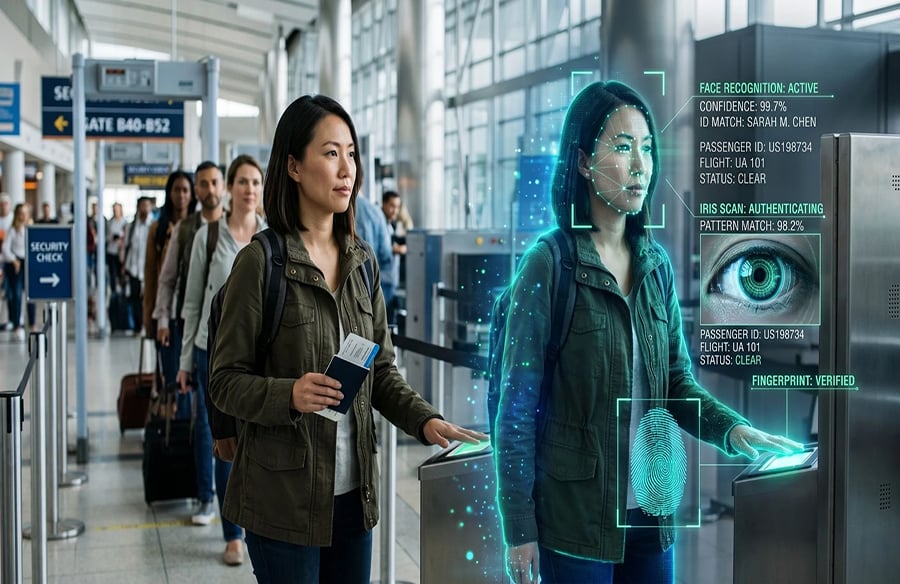
Biometric identification has moved from research labs into daily operations at airports, banks, and government agencies. Much of this shift is driven by fast accuracy gains in facial recognition software, where leading algorithms now match faces with error rates under 0.1% on public benchmarks. That level of precision is changing how organizations handle fraud, access, and identity at scale.
Why multimodal systems outperform single-mode tools
A face-only or fingerprint-only setup has known weak spots. Lighting, angle, skin tone, or partial captures can all reduce accuracy. Multimodal systems fuse two or more modalities (face, fingerprint, iris) to cut false matches and stay reliable in real-world conditions.
Key benefits include:
- Higher accuracy across diverse populations
- Reduced bias across age, gender, and ethnic cohorts
- Stronger liveness defense against spoof attempts
- Better results on low-quality or partial captures
Where these systems are deployed
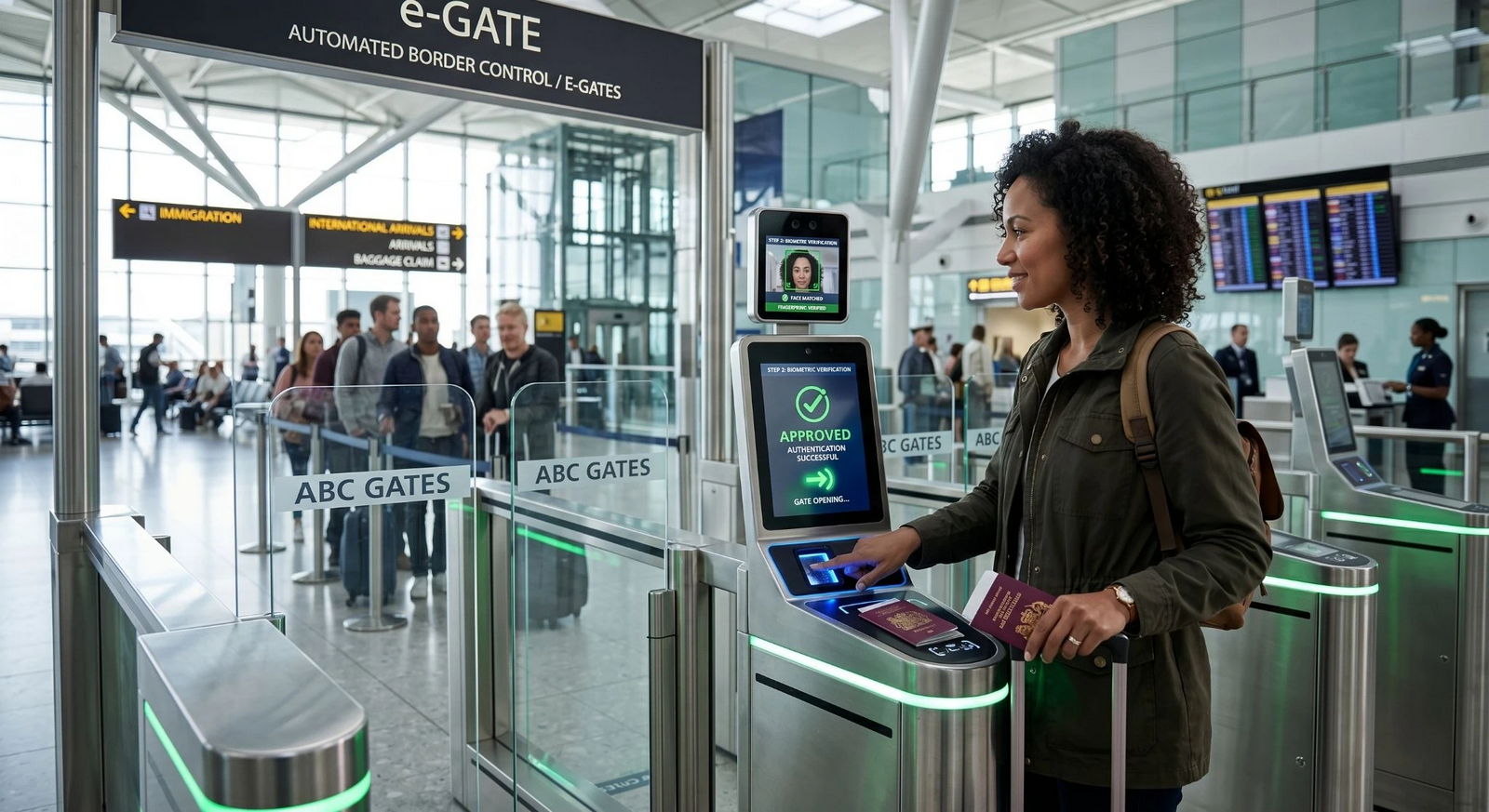 Modern abis biometrics platforms support enrollment, one-to-one verification, and one-to-many search at a national scale. Border agencies, forensic labs, and federal programs rely on them for matching across millions of records in seconds.
| Sector | Primary use | Main modalities |
| Border control | Traveler screening | Face, fingerprint |
| Law enforcement | Suspect identification | Face, fingerprint, tattoo |
| Fintech | eKYC and fraud prevention | Face, liveness |
| Defense | Access control, personnel ID | Face, iris |
| Schools | Visitor management, threat alerts | Face, object detection |
What to look for in a biometric vendor
Procurement teams weigh three criteria above the rest:
- Independent NIST benchmarking, not vendor self-reports
- Published bias testing across demographic cohorts
- Flexible deployment across cloud, edge, and air-gapped environments
The ethics layer
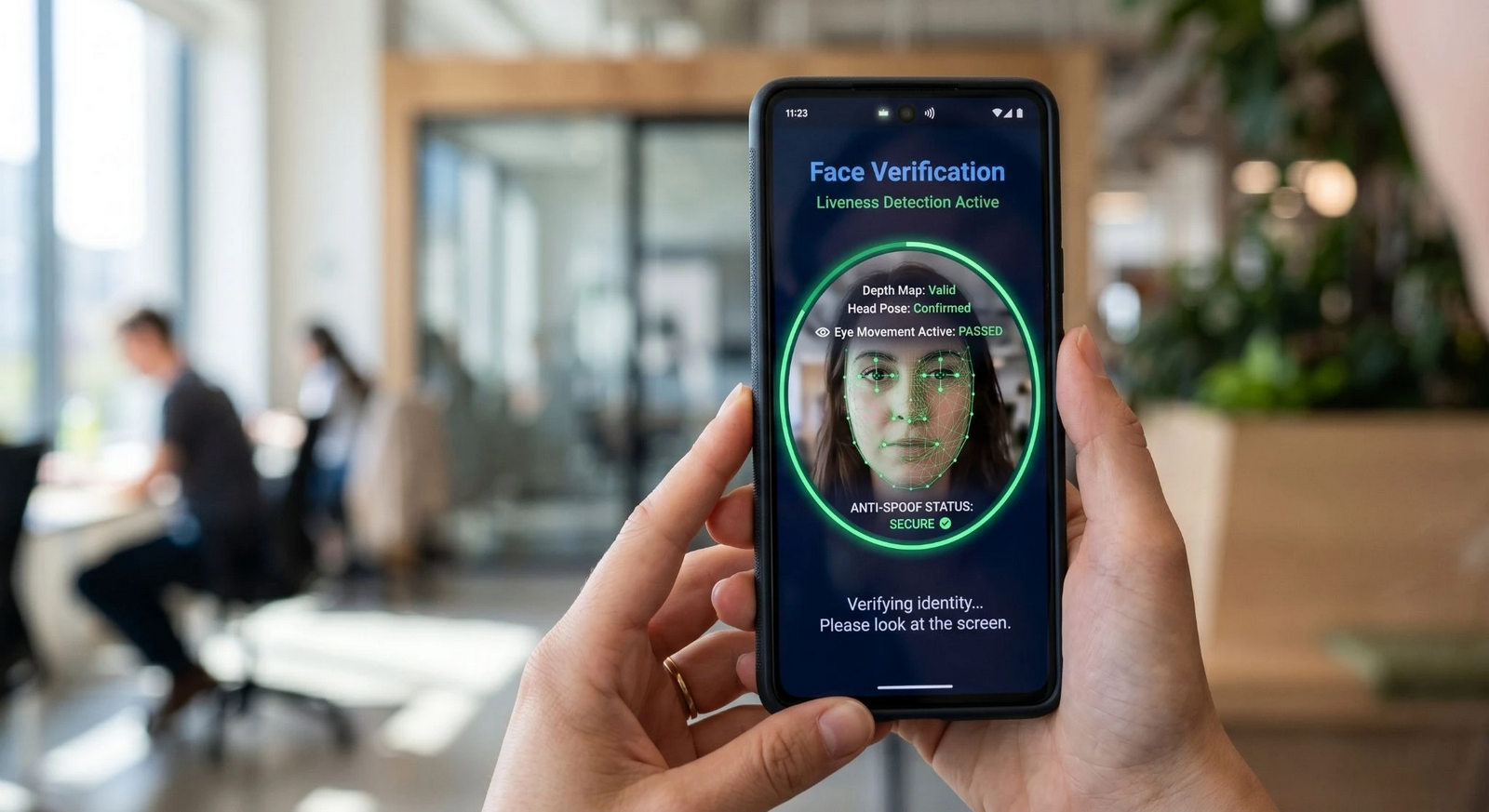 Agencies now ask about data governance, model transparency, and country of origin. American-made credentials and a public code of ethics are becoming baseline requirements in federal contracts.
Expect steady growth in these areas:
- Real-time video analytics for public safety
- Weapon detection in schools and transit hubs
- Remote identity proofing for high-value digital transactions
- Cross-modal search across legacy and modern databases
A closer look at a US-built provider
One US provider worth a closer look is ROC (Nasdaq: ROC.ai), a Denver-based Vision AI and biometrics firm founded in 2015, with additional offices in Grand Rapids, Michigan, and Morgantown, West Virginia. The company is ranked #1 by NIST across multiple tracks in face, fingerprint, and iris recognition, with near-zero bias documented across racial and gender cohorts.
ROC went public on Nasdaq in February 2026 and currently serves 66 enterprise clients in more than 50 countries, including US federal agencies, state and local law enforcement, and fintech platforms that handle a large share of the country’s ID-proofing volume. Its product suite covers multimodal SDKs, automated biometric identification, real-time video analytics, and remote identity verification, all built in America under a public code of ethics.