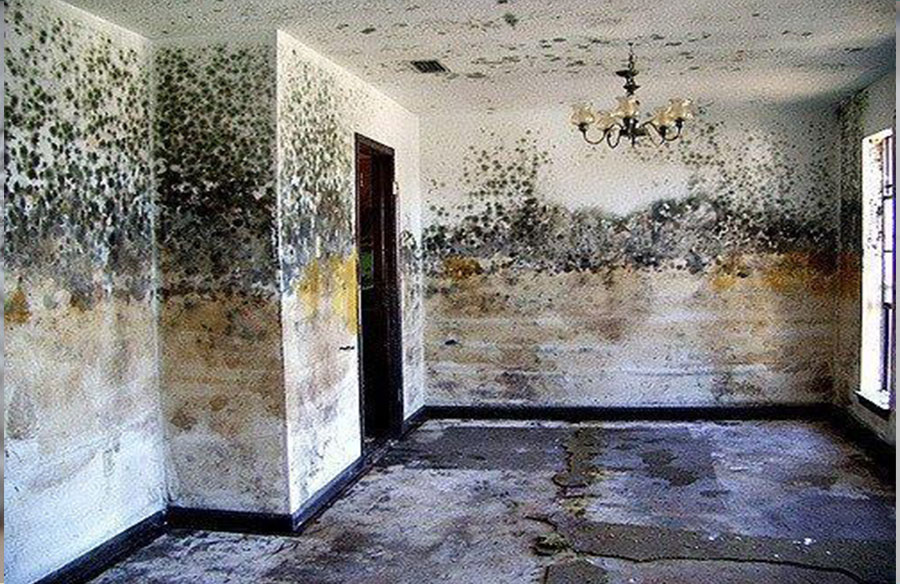
Modern homes are designed to be comfortable, energy efficient, and environmentally responsible. While these features offer many benefits, they can also unintentionally increase the risk of indoor mold growth. Airtight construction, advanced insulation, and sealed building envelopes help retain conditioned air, but they also reduce natural ventilation and make moisture control more challenging. As climate patterns shift and extreme weather events become more frequent, homeowners are increasingly facing mold issues that were far less common in the past.
Mold growth is rarely caused by poor housekeeping alone. More often, it results from a complex interaction between climate conditions, excess moisture, and modern building design. When these factors combine, mold can develop quietly behind walls, beneath floors, or within HVAC systems, affecting indoor air quality, occupant health, and the structural integrity of the home. Professional remediation services such as Everclean Mold Removal play a critical role in identifying these hidden problems and restoring healthy indoor environments before long-term damage occurs.
Why Mold Problems Are Increasing in Modern Homes
Mold has always existed in built environments, but its presence indoors has become more widespread in recent years. One of the primary reasons is the way modern homes are constructed. Energy efficiency standards encourage airtight designs that limit air leakage and reduce heating and cooling costs. While effective for energy conservation, this reduced airflow allows moisture to remain trapped indoors when it is not properly managed.
Climate change has further intensified mold risks. Rising humidity levels, heavier rainfall, and more frequent flooding events introduce additional moisture into residential environments. Homes in both coastal and inland regions now experience moisture conditions that place greater strain on foundations, drainage systems, and building materials.
Central heating and cooling systems also contribute to mold spread. HVAC systems circulate air throughout the home, which improves comfort but can distribute mold spores if growth exists within ductwork or wall cavities. Increased urban density compounds the issue, as homes built closer together often receive less natural airflow and sunlight, both of which help limit moisture accumulation.
The Science Behind Mold Growth Indoors
Mold requires three basic elements to grow: moisture, organic material, and time. Homes provide an abundance of organic materials, including wood framing, drywall, insulation, dust, fabrics, and carpeting. Moisture is the primary trigger that allows mold spores to colonize these surfaces.
When materials remain damp for as little as 24 to 48 hours, mold growth can begin. Once established, mold reproduces by releasing microscopic spores into the air. These spores travel easily through air currents and HVAC systems, allowing mold to spread throughout the home without being immediately visible.
Research published by the National Institutes of Health has demonstrated a clear association between prolonged indoor dampness and increased respiratory symptoms, reinforcing the connection between moisture control, mold growth, and occupant health. This evidence highlights why mold should be treated as both a building performance issue and a public health concern.
How Climate Conditions Increase Indoor Mold Risk
Climate plays a major role in determining how much moisture a home is exposed to over time. In high-humidity regions, moisture from the air can condense on cooler indoor surfaces such as windows, pipes, and exterior walls. This condensation often goes unnoticed because it does not always produce visible water damage, yet it creates ideal conditions for mold growth.
Heavy rainfall and flooding events increase mold risk by allowing water to penetrate basements, crawlspaces, and wall systems. Even after visible water is removed, residual moisture can remain trapped inside building materials, allowing mold to develop weeks or months later. Seasonal temperature changes also contribute to condensation inside wall assemblies, particularly in homes with insufficient insulation or poor thermal separation.
As climate patterns become less predictable, proactive moisture management has become essential for preventing mold in modern homes.
Building Design Factors That Encourage Mold Growth
While climate sets the conditions, building design often determines how moisture behaves inside a home. Airtight construction reduces natural air exchange, making mechanical ventilation critical. Without proper ventilation systems, humidity generated by daily activities such as cooking, bathing, and laundry accumulates indoors.
Bathrooms, kitchens, and laundry rooms are especially vulnerable when exhaust ventilation is inadequate. Over time, excess humidity migrates into walls and ceilings, supporting hidden mold growth. Poor drainage and improper grading around foundations further increase risk by allowing water to collect near the home and infiltrate lower levels.
Insulation problems can also contribute to mold development. Thermal bridging and uneven insulation create cold surfaces where condensation forms inside wall cavities. These design-related issues often develop slowly, making professional assessment necessary to identify and correct them.
Hidden Mold and Delayed Detection
One of the greatest challenges with indoor mold is that it often grows out of sight. Common hidden locations include wall cavities, flooring systems, behind cabinetry, and inside HVAC components. Because these areas are rarely inspected, mold can spread extensively before any visible signs appear.
When musty odors, staining, or health symptoms finally emerge, contamination is often widespread. This delayed detection increases remediation complexity and cost. Professional inspections are essential whenever moisture problems are suspected, even if no visible mold is present.
Health Effects of Long-Term Mold Exposure
Prolonged exposure to mold affects more than individuals with known allergies. Continuous inhalation of mold spores and microbial byproducts has been associated with chronic sinus issues, headaches, fatigue, respiratory irritation, and increased asthma sensitivity. Some individuals experience difficulty concentrating or persistent discomfort without realizing that mold is the underlying cause.
Children, older adults, and individuals with weakened immune systems are particularly vulnerable. Maintaining a mold-free indoor environment is therefore critical for both immediate comfort and long-term health.
Why Professional Mold Remediation Is Critical
Effective mold remediation goes far beyond removing visible growth. Professional services focus on identifying moisture sources, containing affected areas, and safely removing contaminated materials. Without addressing the conditions that allowed mold to develop, regrowth is likely.
Everclean Mold Removal uses industry-approved techniques to locate hidden mold, eliminate moisture problems, and restore indoor air quality. Their comprehensive approach emphasizes both remediation and prevention, making it especially effective for modern homes where moisture can become trapped within building systems.
Long-Term Mold Prevention in Modern Homes
After professional remediation, prevention becomes the priority. Proper ventilation, routine HVAC maintenance, humidity monitoring, and prompt repair of leaks all help reduce future risk. Ensuring effective drainage, sealed foundations, and properly installed insulation further protects against moisture intrusion.
Preventative strategies not only support healthier indoor air but also preserve the structural integrity and long-term value of the home.
Conclusion
Mold problems in modern homes are often driven by climate conditions and building design rather than neglect. As homes become more energy efficient and weather patterns more extreme, moisture management has become one of the most important aspects of residential maintenance.
Professional remediation services like Everclean Mold Removal play a vital role in addressing mold at its source, restoring healthy living spaces, and protecting homes from future growth. With early detection, expert intervention, and ongoing prevention, homeowners can safeguard both their health and their investment in an increasingly moisture-challenged environment.