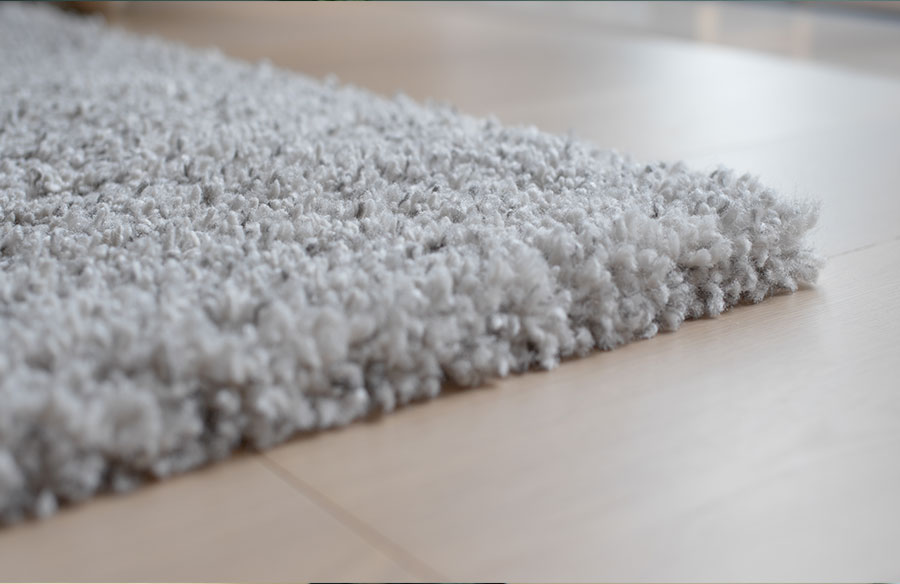
Homeowners often choose carpet flooring for the comfort and atmosphere it brings to their homes. Soft fibres underfoot create a cosy, inviting environment that encourages relaxation and makes rooms feel more welcoming. Many homeowners also appreciate the opportunity to incorporate colours and textures that reflect their personal style while enhancing the overall design of their interiors. In addition, carpet flooring can imbue interiors with a subtle sense of luxury, giving everyday spaces a more indulgentfeel.
However, even well-chosen carpets wear out over time. With that in mind, homeowners in Dunedin, New Zealand, should recognise when their carpet reaches the end of its lifespan to maintain the comfort and appearance of their home.
If you’re wondering if your carpet has reached the end of its lifespan, the following signs can help you determine when replacement is necessary.
1. Carpet Fibres Are Flattened or Worn
With regular use, carpets begin to lose their original softness, especially in areas your family uses most. Hallways and staircases often reveal flattened or matted fibres that no longer feel soft underfoot, diminishing the warm, inviting atmosphere of your home. The edges may start to fray, and the seams can unravel, giving the room a worn, tired appearance. When you notice these signs, it’s time to consider a replacement. Fortunately, a carpet Dunedin solutions expert can advise you on the best carpeting materials to use, especially for high-traffic areas, so you can select a replacement that restores comfort and style while standing up to everyday use.
2. Stains Persist Despite Cleaning
Accidents happen, such as spills from food and beverages, messes caused by pets or children, and more. These can leave stains that eventually become impossible to remove. Even with professional cleaning, some stains penetrate deep into the fibres, creating permanent blemishes that detract from the overall look of your home. When cleaning no longer restores the carpet’s appearance, replacing it is often the best way to refresh your home’s interior.
3. Unpleasant Odours Linger
Carpets can hold smells from poop or urine from pets. They also absorb cooking odours and musty smells from excess moisture, which can settle deep into the fibres over time. If these lingering odours persist, they may indicate the presence of bacteria or mould beneath the surface. If this is the case, then replacing your carpet is probably the best solution to restore that clean and neutral scent you’ve come to expect out of untarnished carpet flooring.
4. Allergies Are Becoming Worse
If you or your family notice more frequent sneezing or coughing, itchy eyes, or skin irritation, your carpet may be harbouring hidden allergens. Dust mites can accumulate in the fibres, while pet dander often settles deep within the carpet. Mould spores can also develop over time, all of which contribute to these symptoms. Since carpets naturally trap these irritants over time, regular cleaning may not remove them completely. As a result, it can leave your family vulnerable to allergy triggers. Installing a new carpet addresses the problem at its source, improving indoor air quality and creating a healthier, more comfortable living environment.
5. Carpet Has Reached Its Age Limit
Most carpets last between 8 and 15 years, depending on their material and the level of use they experience. Beyond this period, carpet fibres begin to weaken. The cushioning may compress, and the overall comfort of the room can diminish. Older carpets also accumulate dirt and allergens that professional cleaning may not completely remove. If your carpet has surpassed its typical lifespan, investing in a replacement is a practical choice.
6. Carpet Is Sagging or Lifting
When a carpet begins to pull away from the walls, it often means the installation is failing. The appearance of bubbles or sagging underfoot further indicates that the padding has degraded. These imperfections can pose tripping hazards in busy areas such as stairs and hallways. Choosing a new carpet with professional installation ensures a smooth, safe surface.
7. Mold or Mildew Is Growing on It
Dunedin’s damp climate makes carpets especially susceptible to mould and mildew, which can appear as dark patches or give off a musty smell. When mould develops in your carpet, it can affect your family’s health, causing respiratory problems and other issues. If mould remediation strategies have done little to improve the condition of your carpet, then replacing your carpet flooring altogether might be your best bet to avoid issues associated with mould growth.
8. Colours Have Faded
Sunlight can fade carpet fibres, and cleaning products may alter their colour. Regular foot traffic further wears down the carpet, reducing its original vibrancy. These changes can make a room feel dull and outdated. Installing a new carpet allows you to refresh your home’s look while also choosing the colors, textures, and patterns that reflect your current design preferences.
9. Walking Feels Less Comfortable
If walking on your carpet feels less cushioned or supportive, the padding has likely compressed or deteriorated. Even when fibres remain intact, this loss of cushioning can make rooms feel less inviting and may contribute to discomfort. Installing a new carpet restores both the soft surface and the supportive padding of your floors, making your indoor spaces more comfortable and pleasant for daily use.
Restore Comfort and Safety in Your Home with a Fresh Carpet
When you recognise that your carpet needs replacement, you help keep your home healthy and comfortable while maintaining the visual appeal of your interior. Paying attention to the signs allows you to act before the damage worsens. In Dunedin’s damp climate, timely action preserves your home and ensures a safe, welcoming environment for your family.