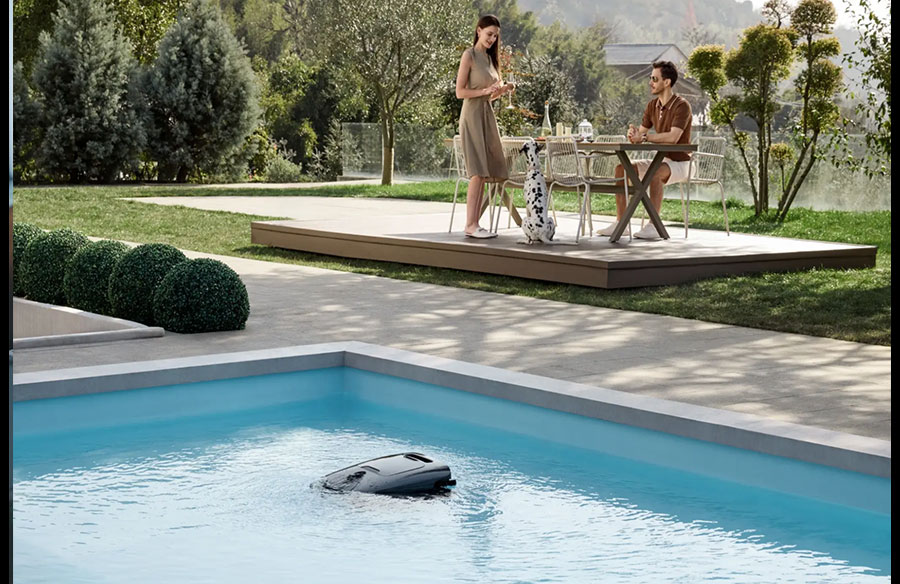
A pool can look clean in the morning and messy by the end of the day. Leaves blow in, dust settles on the floor, bugs collect near the edge, and sunscreen can leave a dull line around the waterline after people swim. If the pool is used often, especially by kids or guests, cleaning can start to feel like part of every weekend.
That is why robotic pool cleaners have become so useful for homeowners. Instead of relying only on a brush, skimmer net, and manual vacuum, a robotic cleaner can take over much of the repeated physical work. Depending on the model, it can help clean the floor, walls, waterline, surface debris, and other areas that usually need regular attention.
This does not mean pool care disappears. Owners still need to test the water, run the filtration system, clean baskets, and follow basic pool safety habits. But the right cleaner can make the routine much easier to start, easier to repeat, and less tiring over time.
Cordless Robotic Pool Cleaners Remove Setup Frustration
One of the biggest reasons people put off pool cleaning is the setup. A manual vacuum takes time. Hose-based cleaners can be awkward. Corded cleaners may leave a cable across the deck or floating in the pool, which can make the whole area feel cluttered.
A cordless pool cleaner removes much of that friction. There is no long cable to manage, no hose to untangle, and less equipment to drag across the patio. For families, frequent swimmers, or anyone who wants to clean quickly after a windy day, this makes a real difference.
The convenience is practical, not magical. A cordless cleaner still needs charging, proper storage, and regular rinsing. The battery life should match the pool size and the type of cleaning needed. But when those basics are handled well, cordless design makes pool cleaning feel less like a project and more like a normal part of owning a pool.
Smart Navigation Helps Clean The Pool More Systematicall
Less Random Movement, Fewer Missed Areas
A good robotic pool cleaner should not simply wander around until the cycle ends. Smart navigation helps the cleaner move in a more organized way, reduce repeated passes, and reach more of the pool surface.
This matters because real pools are not always simple rectangles. Some have curves, slopes, steps, benches, ledges, tight corners, or different platform levels. Dirt also behaves differently in each area. Sand settles on the floor. Oils cling near the waterline. Leaves often gather near edges, drains, or steps.
When a cleaner can navigate more intelligently, it spends less time moving without purpose and more time doing useful cleaning.
Why Smarter Coverage Saves Time
For pool owners, the benefit is simple: less follow-up. If the robot covers the pool more predictably, you spend less time brushing missed corners, vacuuming visible debris, or checking whether the cleaner reached the far side.
Smart navigation is useful when it leads to a cleaner pool with less manual effort. That is the practical reason many homeowners move from basic cleaning tools to a robotic pool cleaning system.
Multi-Zone Pool Cleaning Reduces Brushing, Skimming, And Vacuuming
Pool dirt does not stay in one place. The floor may collect leaves, grit, and sand. Walls may develop light buildup. The waterline can show sunscreen residue and body oils. The surface may collect floating leaves, pollen, and insects before they sink.
A stronger robotic cleaner helps reduce the need to treat every area as a separate job. Instead of skimming first, brushing later, and vacuuming after that, the owner can let the robot handle a meaningful part of the routine.
This is one reason many homeowners look for the best robot pool cleaner based on their actual pool conditions, not just the highest number of features. A larger pool with trees nearby may need broader coverage and stronger navigation. A smaller pool used only occasionally may need something simpler.
The easier routine starts with matching the cleaner to the pool. A pool that mainly collects floor dust does not need the same cleaning approach as a pool with steps, surface debris, and visible waterline marks. Owners should think about how often the pool is used, what kind of debris appears most often, and which areas usually need manual brushing.
 Choosing The Right Robotic Pool Cleaner For Different Pool Needs
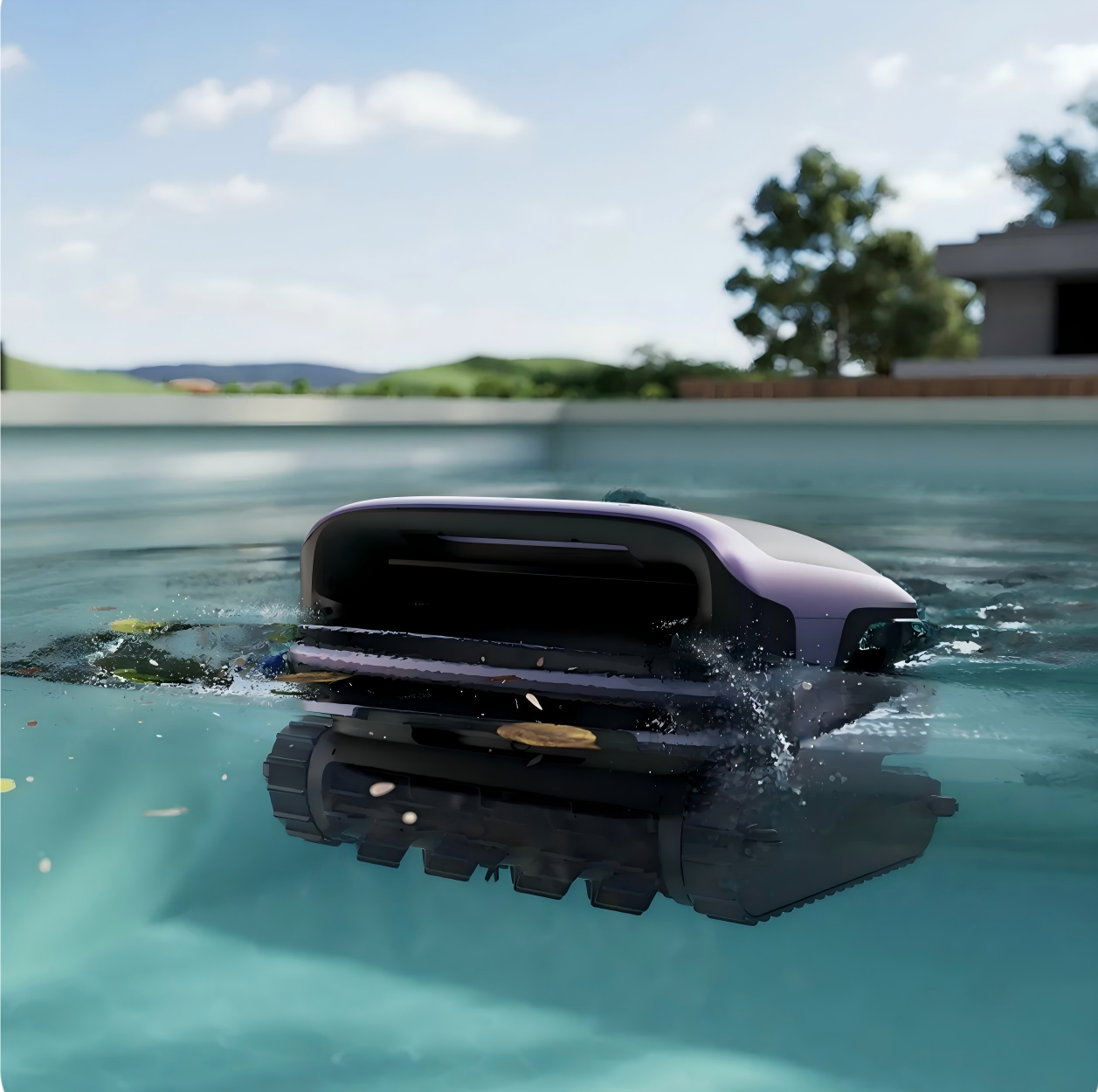
For larger or more complex pools, a higher-coverage model such as AquaSense 2 Ultra may make more sense, especially when steps, broad cleaning zones, and stronger navigation matter. For homeowners who want strong everyday support across common pool areas, AquaSense 2 Pro can also be a practical option. Simpler pools can be matched with more accessible models depending on size, use frequency, and budget.
A useful way to think about the choice is this: do you need help with basic floor debris, or do you need a cleaner that can reduce work across several pool zones? Buyers comparing options such as beatbot sora 70 vs aquasense 2 ultra can look at pool size, cleaning expectations, and how much manual brushing they want to reduce before choosing.
| Pool area | Common problem | How a robotic cleaner helps |
| Floor | Sand, leaves, grit, insects | Collects settled debris and reduces manual vacuuming |
| Walls | Light buildup and clinging dirt | Brushes vertical surfaces depending on model capability |
| Waterline | Sunscreen oils and visible marks | Helps clean the area where grime often gathers |
| Surface | Floating leaves, pollen, bugs | Captures debris before it sinks, depending on model |
| Steps and ledges | Dirt trapped in corners | Better navigation can reduce missed debris pockets |
Better Debris Collection Supports Clearer-Looking Water
Remove Debris Before It Breaks Down
Leaves, bugs, pollen, and sunscreen residue can make the pool look dirty fast. If debris sits too long, it may break down, sink, stain surfaces, or make the pool harder to keep clear.
A robotic pool cleaner helps by removing visible debris from surfaces before it becomes a bigger issue. This supports a cleaner-looking pool, especially during high-use seasons or after windy weather. Still, clean-looking water is not always balanced water. Owners must continue testing sanitizer, pH, alkalinity, and other water levels as needed.
Easy Filter Access Makes Regular Cleaning More Realistic
A pool robot is only helpful if owners actually use it. That is why debris basket design, filter access, and easy rinsing matter. If the basket is annoying to remove or difficult to clean, people are more likely to delay the routine.
Simple maintenance makes a big difference. Empty the debris basket after cycles, rinse the filter, check for stuck leaves, and store the cleaner properly. These small habits help the robot perform better over time and make the whole routine feel easier.
App Control And Cleaning Modes Make Scheduling Easier
Smart pool cleaning is not only about one cleaning cycle. It is about making cleaning easier to repeat.
Cleaning modes, app control, smart parking, charging routines, or alerts can help owners fit pool care into daily life. A quick cycle may help before guests arrive. A deeper cycle may make sense after a storm. A surface-focused routine may help when leaves are floating after a windy afternoon.
These features are useful when they reduce effort. The best technology is not the feature people try once and forget. It is the feature that quietly makes pool ownership easier week after week.
Robotic Cleaners Help, But Basic Pool Maintenance Still Matters
A robotic pool cleaner can reduce a lot of physical work, but it cannot replace the full maintenance routine. Pool owners still need to run the pump, clean skimmer and pump baskets, test water, balance chemicals, check filters, and inspect the cleaner itself.
Some areas may still need manual brushing, especially unusual corners, stubborn waterline marks, or spots with poor circulation. After storms, heat waves, or heavy swimming, extra checks are still smart.
The best results come from combining automation with simple owner habits.
Conclusion
Beatbot robotic pool cleaners make pool cleaning easier by reducing manual labor, removing cordless setup frustration, improving coverage, cleaning multiple pool zones, collecting debris, and helping owners build a more consistent routine.
The real benefit is not that the owner does nothing. The benefit is that pool care becomes easier to manage. With the right robotic cleaner, regular water testing, proper filtration, and simple maintenance habits, a pool can stay cleaner with less weekend effort and more time left for swimming.