Architects evaluate tropical hardwoods by prioritizing high density, Class A fire ratings, and a verified chain of custody that ensures legal harvest. While aesthetics drive the initial selection, the technical performance of species like Ipe, Cumaru, and Garapa determines whether a project survives the 25-year mark or requires a costly tear-out within a decade.
As of 2026, over 2,000 unique timber species traded globally must meet stricter CITES Appendix II regulations. For a specifier, this means the paperwork is now as important as the Janka hardness scale.
 Mechanical Properties And Performance Metrics
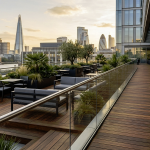
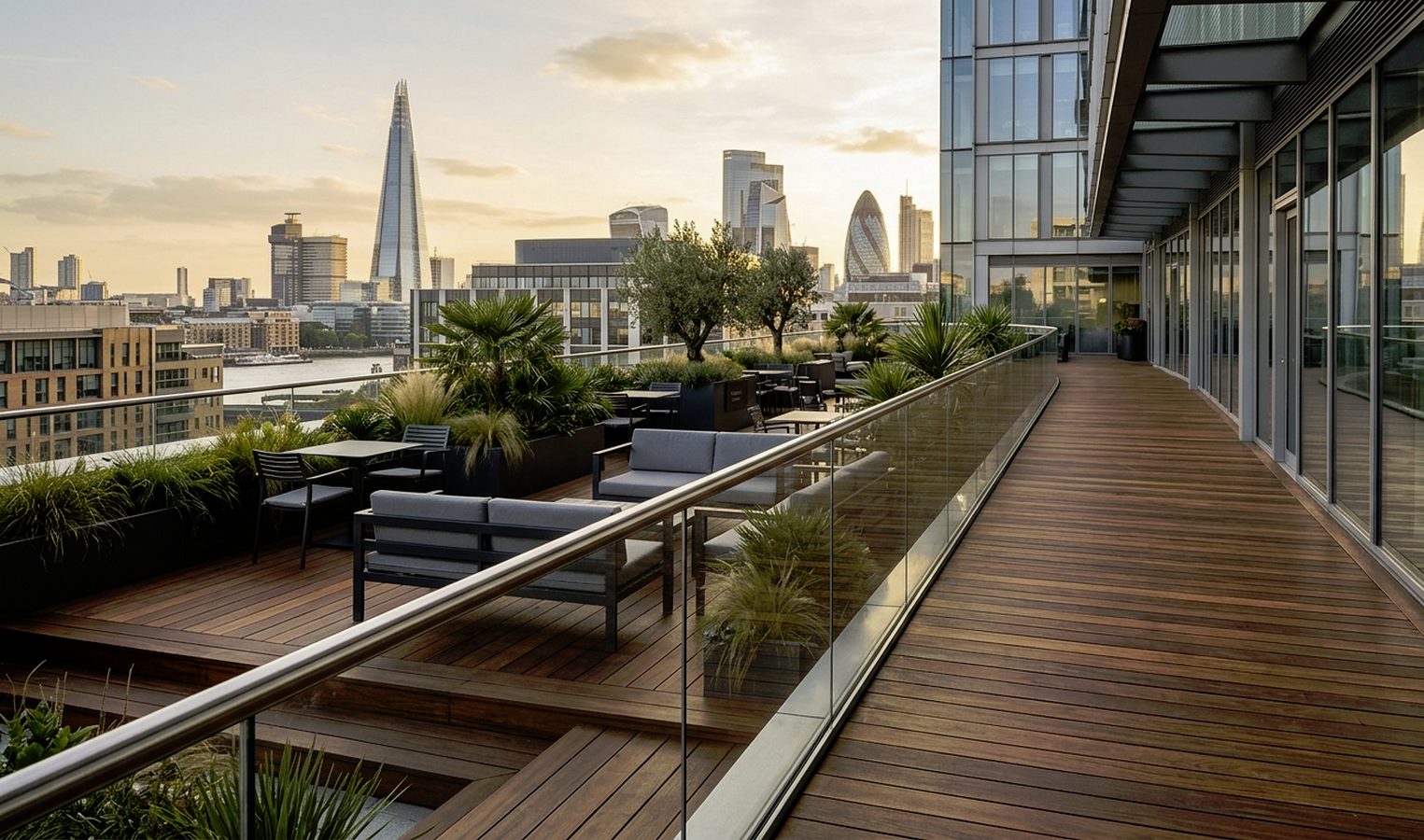
The primary reason architects lean toward tropical species is the sheer mechanical density that domestic softwoods cannot replicate. When you are looking at a high-traffic public boardwalk or a luxury rooftop deck, you are essentially selecting a material based on its ability to resist fiber crushing and fungal decay without chemical treatments.
Ipe remains the gold standard because it naturally carries a Class A fire rating, which is the same classification as steel or concrete. This is a non-negotiable metric for commercial structures in urban zones with stringent fire codes. Architects must verify ASTM E84 test results for any specific hardwood shipment to ensure the material hasn’t been substituted with a lower-performing species during procurement.
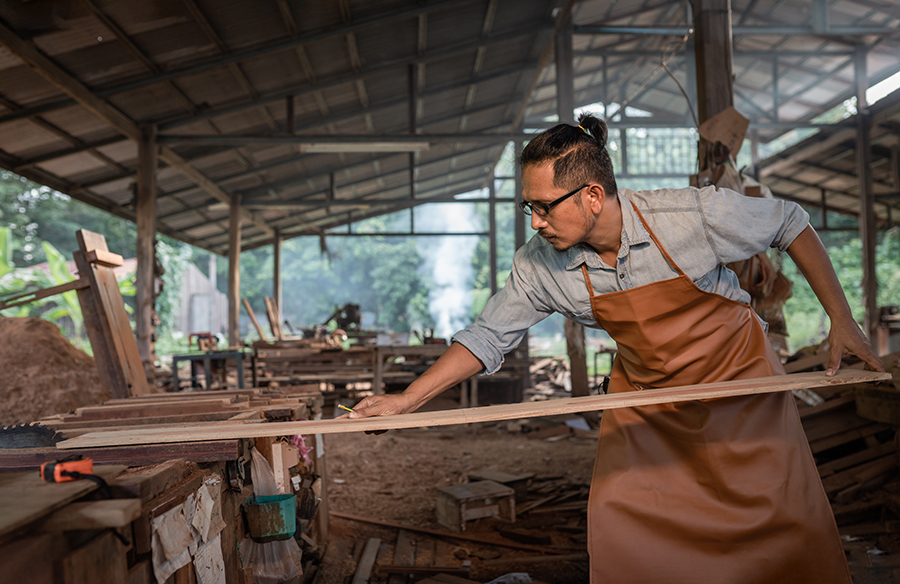
Density also dictates the fastener schedule. Because these woods are so hard, pre-drilling is a standard requirement to prevent splitting.
A seasoned architect looks for “air-dried” versus “kiln-dried” specifications based on the project site’s climate. Kiln-dried material is more stable for interior applications or very arid environments, whereas air-dried timber is often preferred for outdoor decks to allow the wood to reach equilibrium with local humidity levels.
Sourcing Ethics And Regulatory Compliance
Modern architectural practice requires a deep dive into the Life Cycle Assessment (LCA) of tropical hardwoods. You cannot simply pick a wood for its color anymore. The shift toward Environment Product Declarations (EPDs) means that the carbon footprint of shipping timber from South America or Africa must be weighed against its 50-year lifespan.
As John Smith, Marketing Director of Ipe Woods USA notes: “The key to a successful architectural specification in 2026 is ensuring the supplier provides full transparency regarding IBAMA and CITES documentation, which guarantees the timber was harvested from a managed forest and not a protected area.”
This level of due diligence prevents project delays caused by customs seizures or legal challenges. When evaluating a supplier, architects should look for the following verification markers:
- Documented proof of origin from legalized forest management plans
- Species-specific Janka hardness ratings that match the intended traffic load
- Clear guidelines on slip resistance and ASTM C1028 compliance
If a supplier cannot produce these documents, the risk to the firm’s reputation and the project’s longevity is too high to proceed.
Lifecycle Costs And Maintenance Cycles
While the upfront cost of tropical hardwood is significantly higher than that of composite or pressure-treated lumber, the total cost of ownership is often lower. Architects must communicate this to clients who might be spooked by the initial quote.
Tropical hardwoods do not rot and are largely resistant to termites and boring insects, without the need for toxic topical applications. We might be able to learn from these beasts from an architectural perspective, but we also have to respect their impact on building materials.
Maintenance is the one area where architects must manage expectations. If the client wants the wood to maintain its deep brown or reddish hues, it will require an annual or bi-annual UV-inhibiting oil treatment. Without this, the wood will naturally weather to a silver-grey patina. This silvering does not affect the structural integrity, but it drastically changes the building’s visual impact over time.
Specifiers also need to consider end-of-life options. Unlike composite materials, which are often destined for landfills because they are a mix of plastic and wood fibers, tropical hardwood is fully biodegradable and sequesters carbon throughout its use. If a building is decommissioned, these timbers are often reclaimed and repurposed for furniture or flooring, extending their carbon storage for another century.
Designing For Long-Term Stability
Stability is achieved through proper ventilation and spacing of gaps. A common mistake in tropical wood specification is designing a deck that is too close to the ground without adequate airflow. Without at least 12 inches of clearance and cross-ventilation, moisture will build up on the underside of the boards, causing them to cup toward the sun.
Movement data is your best friend during the design phase. Every species has a different radial and tangential shrinkage coefficient. Architects who understand these numbers can design joinery that allows for natural expansion and contraction without compromising the aesthetic. This level of technical specificity is what separates a veteran architect from a generalist.
The goal is to create a structure that looks as good in thirty years as it does on opening day. By focusing on density, fire performance, and verified sourcing, you ensure the material matches the architectural intent. For more detailed coverage of a variety of architectural topics, don’t go anywhere; instead, check out our site’s other posts.