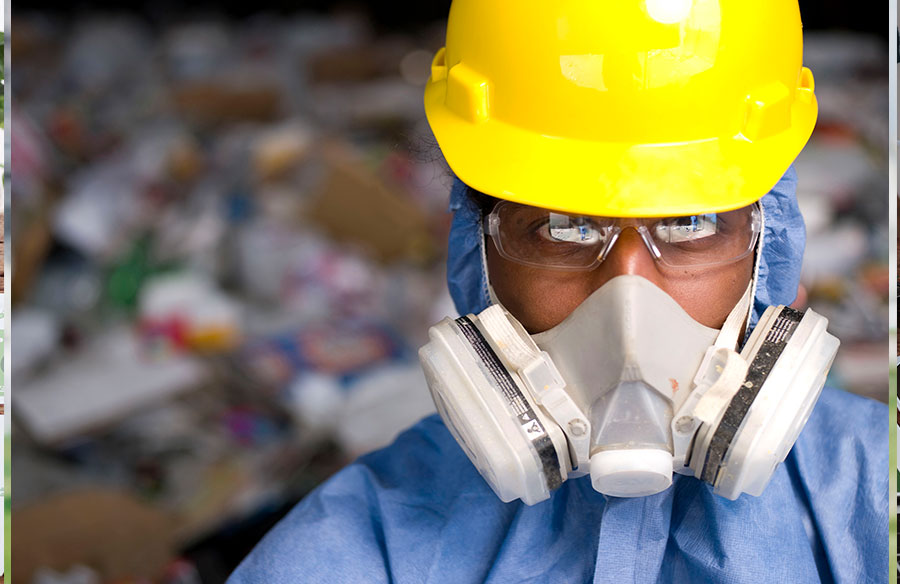
Most people don’t think about “cleanup” as a high-risk job. You picture trash bags, a mop, maybe some disinfectant, and a long weekend. But hazardous waste cleaning and hoarding cleanup are in a totally different category. When these jobs are handled without proper training, protective equipment, and disposal procedures, the risks aren’t just “gross” or inconvenient—they can be genuinely dangerous for the people doing the work, the people living in the home, and even the neighbors.
Below is a practical, readable breakdown of what hazardous waste and hoarding cleanup really involve, why do-it-yourself attempts often go wrong, and what professionals do differently to keep everyone safe.
What counts as hazardous waste cleaning?
“Harmful waste” isn’t limited to industrial sites. It can show up in everyday spaces—homes, apartments, garages, storage units, and small businesses. Hazardous waste cleaning often involves materials that can spread disease, irritate lungs and skin, or contaminate surfaces long after the mess looks “gone.”
Common examples include:
- Blood or bodily fluids (from injuries, illness, or unattended deaths)
- Human or animal waste (sewage backups, pet waste buildup)
- Needles and drug paraphernalia (sharps that can carry infections)
- Mold and water damage (especially after leaks or floods)
- Rotten food and pest infestations (flies, maggots, rodents)
- Chemical residues (cleaners, pesticides, solvents, fuels)
- Smoke and soot (after a fire, or long-term heavy smoking)
Some of these hazards are obvious. Others are hidden behind walls, under piles, in HVAC systems, or soaked into flooring. That’s why a quick surface wipe-down can create a false sense of safety.
What makes hoarding cleanup uniquely risky?
Hoarding is not the same thing as being messy. Hoarding situations can involve extreme volume, blocked exits, damaged floors, pests, decayed materials, and hazardous substances that have been accumulating for months or years.
In many cases, the hazards are layered:
- Biohazards: waste, soiled materials, decomposing food
- Air quality hazards: mold spores, dust, ammonia from urine, strong odors
- Physical hazards: unstable stacks, sharp objects, trip hazards, falling debris
- Fire hazards: blocked exits, overloaded outlets, piles of flammable items
- Structural hazards: rotted subfloor, water damage, heavy load stressing floors
- Psychological stress: the emotional impact can be intense for residents and family
Even if a home looks “only cluttered” at first glance, once items are moved, you can find pest droppings, wet materials, moldy fabrics, broken glass, or needles. That’s when a DIY cleanup can shift from tiring to unsafe.
Why improper cleanup can be harmful
1) You can aerosolize dangerous particles
One of the biggest misconceptions is that hazards stay where you see them. In reality, the act of cleaning can spread contamination through the air.
Examples:
- Sweeping or dry dusting can send mold spores and fecal particles airborne.
- Pulling up wet carpet can release bacteria, mildew, and trapped debris.
- Disturbing rodent nests can release particles that irritate lungs and may carry disease.
Once airborne, particles can settle on clean surfaces, clothing, furniture, and ventilation ducts—creating a wider contamination footprint than the original mess.
2) Household cleaners can make things worse
People often reach for bleach or strong disinfectants. Those can be useful in the right hands, but they can also be harmful when mixed or misapplied.
Common mistakes:
- Mixing products (for example, bleach with ammonia-based cleaners) can produce toxic fumes.
- Using the wrong chemical on porous materials can lock in contamination instead of removing it.
- Overusing strong disinfectants in a poorly ventilated space can cause breathing problems, headaches, and chemical burns.
Professionals don’t just “use stronger chemicals.” They use the right products, in the right concentrations, with proper ventilation and protective gear.
3) You may not remove contamination—only hide it
A space can look clean and still be unsafe.
This happens when:
- Contaminated porous materials (carpet padding, drywall, insulation, upholstery) aren’t removed.
- Biohazards seep into subflooring or cracks and aren’t properly treated.
- Odors are masked with fragrances instead of being eliminated at the source.
- Pests are cleaned up without addressing nesting areas and entry points.
In hoarding cleanups especially, the “after” photo can be misleading if the underlying surfaces weren’t properly decontaminated.
4) Injury risk is high
Hoarding and hazardous waste scenes are full of hidden hazards:
- Broken glass under papers
- Rusty blades or nails
- Unstable piles that shift unexpectedly
- Floors damaged by moisture or weight
- Sharps concealed in bags, bedding, or clothing
Without thick puncture-resistant gloves, protective footwear, eye protection, and safe handling methods, injuries happen fast—and some injuries carry infection risk.
5) Improper disposal can create legal and environmental issues
Biohazard materials and certain chemicals can’t just go into the regular trash. Many areas have rules about how specific materials must be contained, labeled, transported, and disposed of.
If hazardous waste ends up in normal dumpsters or bins, it can:
- Put sanitation workers at risk
- Contaminate landfills or local water sources
- Trigger fines or liability if the disposal violates local regulations
- Spread pests and odor problems throughout a neighborhood
Even when people mean well, disposal mistakes are common because the rules are not obvious and vary by location.
What professionals do differently (and why it matters)
Hiring a reputable hazardous waste or hoarding cleanup team isn’t just paying for labor. You’re paying for a safety system: training, processes, and equipment designed to prevent harm.
Here’s what that typically includes:
1) Assessment and plan (not guesswork)
Professionals evaluate:
- Type of contamination (biohazard, mold, pests, chemicals)
- Scope (which rooms, which materials, how deep it goes)
- Structural and fire safety risks
- Ventilation and containment needs
- What must be removed vs. cleaned vs. sealed
This prevents the common DIY problem: starting in the “wrong” place and spreading contamination.
2) Proper protective equipment
Depending on conditions, professionals may use:
- Respirators (not just paper masks)
- Eye and face protection
- Full-body protective suits
- Puncture-resistant gloves
- Protective footwear and shoe covers
The goal is not only protection during cleanup, but also preventing cross-contamination when leaving the site.
3) Containment to stop spread
A professional team may:
- Seal areas with plastic sheeting
- Use negative air machines and filtration
- Control traffic patterns (“clean” vs. “dirty” zones)
- Bag and remove materials in a way that avoids spreading debris
Containment is one of the biggest differences between professional cleanup and DIY attempts.
4) Specialized cleaning and decontamination
Professional remediation usually involves:
- Correct disinfectants for the specific hazard
- Dwell times (how long product must remain wet to work)
- Removal of porous contaminated materials
- HEPA vacuuming (to capture fine particles)
- Odor treatment that targets the source, not just fragrance cover-ups
If mold is involved, proper remediation focuses on both moisture control and removal/cleaning—because mold returns when the underlying cause is left untreated.
5) Correct disposal and documentation
Pros know how to:
- Package biohazards safely
- Handle and dispose of sharps
- Follow local rules for hazardous materials
- Provide documentation when needed (useful for landlords, insurance, or property managers)
That reduces risk for everyone downstream, including building staff and waste handlers.
Warning signs you should not DIY
If any of these apply, it’s safer to bring in professionals:
- Visible mold across large areas or strong musty odor
- Sewage backups or long-term urine contamination
- Blood, bodily fluids, or any suspected biohazard
- Needles, drug paraphernalia, or unknown substances
- Heavy pest infestation or rodent droppings
- Rotting food, maggots, or decomposing materials
- Floors that feel soft/warped, ceilings sagging, or severe water damage
- Hoarding conditions blocking exits, stoves, or electrical panels
If you still choose to do some work yourself, the safest approach is to limit DIY efforts to low-risk decluttering (like boxed items in clean areas) and leave contaminated zones to trained crews.
The bottom line
Hazardous waste cleaning and hoarding cleanup aren’t just “big cleaning jobs.” They can involve pathogens, toxic air, sharps, pests, structural instability, and disposal rules that most people never deal with. When cleanup is done improperly, it can spread contamination, trigger illness, cause injuries, and create long-term property damage that costs far more than the original cleanup would have.
Professional teams don’t just move faster—they reduce harm. They contain the mess, protect the people involved, remove what can’t be safely cleaned, and decontaminate the space so it’s genuinely livable again.
If you’d like, tell me your target city/state and who the audience is (homeowners, landlords, property managers, or families). I can tailor this into a local SEO version with service pages, keywords, and a stronger call-to-action without making it feel spammy.