When every second counts, having the right equipment within reach can mean the difference between life and death. In cardiac emergencies, the first few minutes are critical – brain damage can begin within four to six minutes of cardiac arrest, and the chances of survival decrease by approximately 10% with each passing minute without intervention. This is where portable defibrillator machines have revolutionised emergency response. Once confined to ambulances and hospital emergency departments, these life-saving devices are now found in shopping centres, schools, gyms, and workplaces across Australia. In 2019, a 17-year-old footballer in Perth collapsed during a match, and thanks to an accessible automated external defibrillator (AED) and quick-thinking bystanders, his life was saved within minutes. Stories like these underscore why portable defibrillators have become an indispensable component of modern healthcare infrastructure.
What Are Portable Defibrillator Machines?
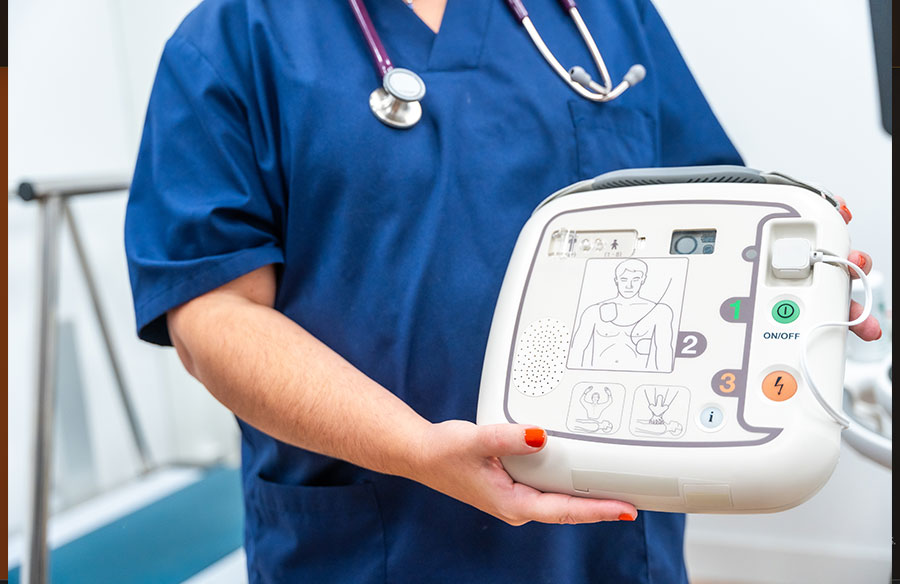
Portable defibrillator machines, commonly known as automated external defibrillators or AEDs, are compact, battery-operated devices designed to analyse heart rhythms and deliver electrical shocks to restore normal cardiac function during sudden cardiac arrest. Unlike their larger hospital counterparts, these devices are specifically engineered for ease of use by non-medical personnel in emergencies.
Types of Portable Defibrillators
- Fully Automated AEDs. These devices analyse the patient’s heart rhythm and deliver the shock automatically without requiring the operator to press a button. They’re ideal for environments where bystanders may hesitate during high-stress moments, such as schools, shopping centres, and public venues.
- Semi-Automated AEDs These require the user to press a button to deliver the shock after the device determines it’s necessary. They offer users slightly more control while still providing comprehensive voice prompts and visual guidance through each step.
- Professional-Grade Portable Defibrillators Used primarily by paramedics and healthcare professionals, these devices offer manual override options and advanced monitoring capabilities, often integrating with diagnostic sets for comprehensive patient assessment.
What makes these devices truly revolutionary is their accessibility. Modern portable defibrillators are designed with simplicity in mind—they can be operated effectively by anyone, regardless of medical training. The devices automatically assess whether a shock is needed and will only allow shock delivery if a life-threatening heart rhythm is detected, making them remarkably safe.
How Portable Defibrillators Save Lives: The Science Explained
The science behind defibrillation centres on correcting abnormal heart rhythms, particularly ventricular fibrillation and pulseless ventricular tachycardia—chaotic electrical patterns that prevent the heart from pumping blood effectively. A portable defibrillator delivers a controlled electrical current through the chest wall to the heart, essentially “resetting” its electrical system.
The Chain of Survival: Where Defibrillators Fit
Step 1: Early Recognition and Call for Help. Identifying cardiac arrest quickly and alerting emergency services immediately sets the survival chain in motion.
Step 2: Early CPR Chest compressions maintain minimal blood flow to vital organs, buying crucial time until defibrillation can occur.
Step 3: Early Defibrillation. This is where portable defibrillators become critical. Research shows that when defibrillation occurs within the first three to five minutes of cardiac arrest, survival rates can exceed 70%, compared to less than 5% when treatment is delayed beyond ten minutes.
Step 4: Advanced Life Support Paramedics arrive with comprehensive diagnostic sets, medications, and advanced airway management tools to continue stabilising the patient.
Step 5: Post-Cardiac Arrest Care Hospital-based treatment addresses the underlying cause and prevents future episodes.
Real-World Impact Statistics
The numbers tell a compelling story about portable defibrillator effectiveness:
- Survival rates increase from 5% to over 70% when defibrillation occurs within the first five minutes
- Every minute without defibrillation reduces survival chances by 10%
- Public access defibrillators have increased out-of-hospital cardiac arrest survival rates by 40% in areas where they’re widely deployed
- Workplace defibrillator programs have documented survival rates approaching 80% for witnessed cardiac arrests
7 Groundbreaking Innovations in Portable Defibrillator Technology
The evolution of portable defibrillator machines reflects broader trends in healthcare technology, with artificial intelligence and connectivity features transforming these devices from simple shock-delivery systems into sophisticated emergency response tools.
1. AI-Powered Rhythm Analysis
Modern defibrillators use advanced algorithms to analyse heart rhythms with unprecedented accuracy, reducing false positives and ensuring shocks are delivered only when truly necessary. These systems can distinguish between shockable and non-shockable rhythms in seconds, with accuracy rates exceeding 99%.
2. Real-Time CPR Feedback
Next-generation devices incorporate sensors that detect compression depth and rate during CPR, providing audio and visual guidance to help rescuers optimise their technique. Some models display real-time metrics showing whether compressions are too shallow, too deep, too fast, or too slow.
3. Automatic Emergency Services Notification
Connected defibrillators can automatically alert emergency services when deployed, transmitting the patient’s location and vital information before first responders arrive on scene. This connectivity can reduce emergency response times by several crucial minutes.
4. Cloud-Based Device Management
Healthcare administrators can now monitor entire fleets of defibrillators remotely, receiving instant alerts about battery status, electrode pad expiration, and self-test failures. This technology ensures devices remain ready without requiring manual daily checks.
5. Integrated Video Assistance
Some newer models feature built-in screens that display video instructions for both defibrillator use and CPR technique, providing visual guidance that complements audio prompts for better comprehension under stress.
6. Pediatric Capability
Advanced portable defibrillators now include automatic or switchable pediatric modes that adjust shock energy levels for children, eliminating the need for separate pediatric devices and reducing response time in emergencies involving young patients.
7. Extended Battery Life and Self-Testing
Modern lithium batteries can power defibrillators for up to seven years, while sophisticated self-testing routines verify device readiness daily without human intervention, dramatically reducing maintenance burden.
Future Horizons
Looking ahead, researchers are exploring even more ambitious innovations. Defibrillator drones could reach remote locations faster than ground ambulances, potentially arriving within two minutes of an emergency call. Integration with smartwatches and fitness trackers might enable early detection of dangerous cardiac rhythms, automatically alerting nearby defibrillators and emergency services. Telehealth-enabled devices could allow remote cardiologists to assess patients in real-time and guide on-scene rescuers through complex interventions.
Sourcing Medical Equipment Supplies in Australia: What You Need to Know
For Australian healthcare facilities, workplaces, and community organisations looking to acquire portable defibrillator machines, understanding the regulatory landscape and sourcing options is essential.
5 Essential Factors When Choosing Australian Suppliers
- TGA Registration and Compliance Australia’s Therapeutic Goods Administration strictly regulates medical devices, including AEDs. Verify that any device carries appropriate TGA registration and meets Australian standards for medical electrical equipment (AS/NZS 3551). Compliant suppliers will readily provide documentation.
- Comprehensive Training Programs Quality suppliers offer on-site training for staff, ensuring your team knows how to operate the device effectively. Look for suppliers who provide initial training, refresher courses, and train-the-trainer programs for larger organisations.
- Maintenance and Support Services Beyond the initial sale, reputable suppliers provide ongoing support, including scheduled maintenance, battery replacement programs, and electrode pad subscription services that automatically ship replacements before expiration dates.
- Integration with Other Medical Equipment Consider suppliers who offer comprehensive emergency preparedness packages that combine portable defibrillators with diagnostic sets for advanced patient monitoring, quality stethoscopes for cardiac and respiratory assessment, and first aid supplies for complete emergency response capability.
- Warranty and Replacement Programs Understand warranty coverage, typical lifespan expectations, and options for device upgrades as technology advances. Some suppliers offer device exchange programs that allow organizations to upgrade to newer models at reduced costs.
Where Portable Defibrillators Are Making the Biggest Impact
Across Australia, the strategic placement of portable defibrillators has transformed emergency response capabilities in diverse settings:
- Workplaces: Mining sites, construction projects, manufacturing facilities, and corporate offices have reduced cardiac arrest fatalities significantly through mandatory AED programs
- Sports Facilities: Gyms, swimming pools, football clubs, and athletics venues where physical exertion increases cardiac event risk
- Educational Institutions: Universities, TAFE colleges, and schools are protecting students, staff, and visitors
- Transportation Hubs: Airports, train stations, and bus terminals serving thousands of travellers daily
- Retail Environments: Shopping centres, supermarkets, and large retail stores where public foot traffic is high
- Community Spaces: Libraries, community centres, places of worship, and event venues
8 Practical Tips for Implementing and Maintaining Portable Defibrillators
Success with portable defibrillators extends beyond simply purchasing and mounting a device. Proper implementation and maintenance ensure optimal performance when every second matters.
1. Conduct Regular Training Sessions
Schedule hands-on training every six months where staff practice retrieving the device, applying electrode pads to training mannequins, and following voice prompts. Even brief 30-minute sessions significantly increase confidence and reduce response time during actual emergencies.
2. Designate Device Champions
Appoint responsible individuals who check status indicators monthly, maintain logs, verify battery charge levels, and ensure electrode pads haven’t expired. Having dedicated champions creates accountability and ensures nothing falls through the cracks.
3. Optimise Device Placement
Position defibrillators in well-lit, easily accessible locations with clear signage. Aim for placement where no area of your facility is more than a three-minute round-trip from a device. Consider installing multiple units in larger facilities or multi-story buildings.
4. Include AED Locations in Orientations
Inform all staff, volunteers, and frequent visitors about defibrillator locations during onboarding. Create simple maps showing device locations and include this information in emergency response plans and safety briefings.
5. Replace Consumables Proactively
Don’t wait for electrode pads to expire or batteries to fail. Set calendar reminders to replace these items before expiration dates. After any deployment—whether for actual use or training—replace electrode pads immediately to ensure readiness.
6. Document Everything
Maintain detailed records of device checks, training sessions, maintenance activities, and any deployments. This documentation proves compliance with workplace safety requirements and helps identify patterns or issues requiring attention.
7. Test Your Response Plan
Conduct emergency drills that simulate cardiac arrest scenarios, practising device retrieval, deployment, and coordination with emergency services. These drills reveal gaps in your response plan and build muscle memory for high-stress situations.
8. Stay Current with Technology
Review your defibrillator technology every five to seven years. While devices remain functional for longer periods, newer models often offer significant improvements in usability, connectivity, and feedback capabilities that can improve outcomes.
The Cost of Preparedness vs. The Cost of Tragedy
Investment in portable defibrillator machines represents one of the most cost-effective safety measures any organisation can implement. When calculated on a cost-per-life-saved basis, AEDs rank among the most valuable public health interventions available. Beyond the immeasurable value of human life, organisations face significant legal, financial, and reputational consequences when preventable deaths occur due to a lack of accessible emergency equipment.
Australian workplace health and safety legislation increasingly recognises cardiac emergencies as foreseeable risks in many environments. Organisations that fail to provide reasonable emergency response capabilities may face liability if an employee or visitor suffers cardiac arrest without access to potentially life-saving equipment.
Conclusion
Portable defibrillator machines represent one of the most significant advances in emergency cardiac care, transforming bystanders into potential lifesavers and bringing critical intervention capabilities into everyday environments. As these devices continue to evolve with smarter technology, improved connectivity, and enhanced ease of use, their role in reducing cardiac arrest mortality will only grow stronger.
The evidence is clear: portable defibrillators save lives. The technology is proven, the devices are affordable, and the implementation is straightforward. Whether you’re a healthcare facility, workplace, community centre, or public venue, the question isn’t whether to have a portable defibrillator—it’s how quickly you can implement one.
Every space where people gather represents a potential emergency scenario. Having the right equipment readily available—portable defibrillators, diagnostic sets, stethoscopes, and comprehensive medical supplies—demonstrates genuine commitment to safety and preparedness. More importantly, it ensures that when a crisis strikes, you have the tools necessary to give someone a fighting chance at survival.
Ready to enhance your emergency preparedness? Learn how your clinic or workplace can stay prepared with portable defibrillator machines tailored to your specific needs. Check our comprehensive guide on sourcing medical equipment supplies in Australia for reliable options from TGA-approved suppliers who understand the unique requirements of Australian healthcare and workplace environments. Don’t wait until tragedy strikes—invest in life-saving technology today.