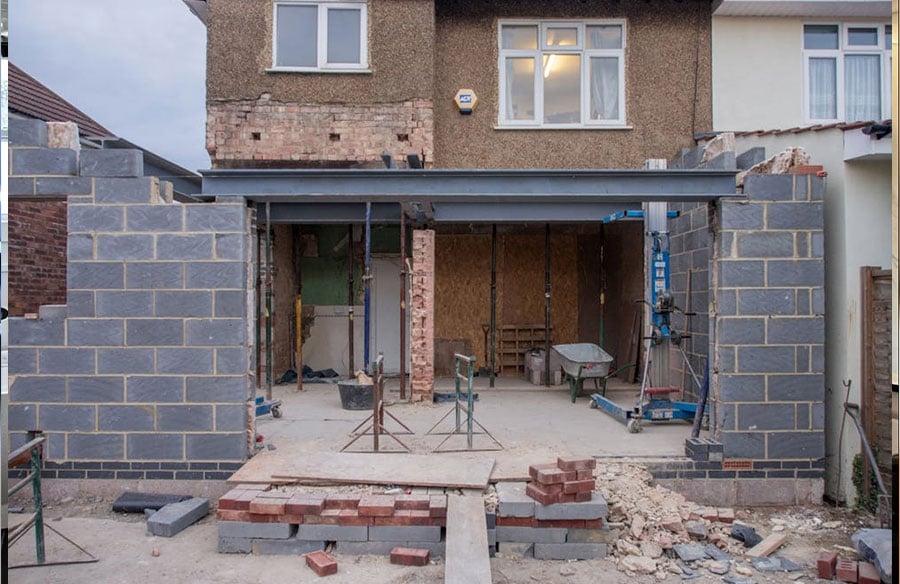
A commercial building project in Seattle stopped construction for six weeks. The design team missed critical load requirements during planning. This delay cost the developer over $200,000. It also damaged relationships with tenants who needed to move in.
These problems happen when structural planning starts too late. Good structural planning protects your timeline and budget. It keeps occupants safe for decades. Getting structural input early prevents expensive changes during construction. Contact ProStruct before finalizing your design documents to avoid these common mistakes.
Start With Site Assessment and Soil Analysis
Your building’s foundation depends on what sits beneath it. Soil conditions vary widely even within the same neighborhood. Each type presents different challenges.
Clay soil expands and contracts with moisture changes. Sandy soil drains well but may lack bearing capacity. Rocky terrain offers excellent support but increases excavation costs. You need to know exactly what you’re building on.
A geotechnical engineer should test your site before structural design begins. They drill test borings and analyze soil samples at different depths. Their report shows three critical things:
- Bearing capacity for foundation support
- Water table location and seasonal variations
- Soil composition at different depths
This data determines your foundation type and depth requirements. Sloped sites add another layer of planning needs. You may need retaining walls or special grading. Seismic zones require additional structural reinforcement. Flood zones demand elevated foundations or special waterproofing.
Coordinate Structural and Architectural Design Early
Many architects start with floor plans and exterior elevations. They add structural elements later as an afterthought. This sequence creates problems you can avoid.
Why Early Collaboration Matters
Load-bearing walls might conflict with open floor plans. Beam depths might reduce ceiling heights below code minimums. Column placement affects both structure and aesthetics. Architects want columns hidden in walls or minimized. Engineers need columns where loads concentrate.
Bring your structural engineer into early design meetings. They can suggest framing systems that support your design vision. Different systems offer different benefits:
- Steel frames allow longer spans and more open spaces
- Concrete offers better fire resistance and sound control
- Wood framing costs less but has span limitations
Finding the Right Balance
Early collaboration finds solutions that satisfy both requirements. This prevents redesign work that wastes time and money. Your engineer can identify potential conflicts before they become expensive problems. They can also suggest creative solutions you might not have considered.
Address Code Requirements and Permit Documentation
Building codes exist to protect public safety. They set minimum standards for structural strength and stability. The International Building Code provides the baseline for most jurisdictions. Local amendments add specific requirements for your region.
Your structural plans must show code compliance clearly. Inspectors review load calculations and material specifications. They check connection details and lateral force resistance. Any ambiguity in your drawings triggers review comments and delays.
Permit-ready plans include specific information that officials expect. You need foundation details with reinforcement schedules. Floor and roof framing plans show member sizes and spacing. Connection details prove adequate load transfer between elements. Missing any required detail extends your permit timeline.
Some jurisdictions require plan review by third-party agencies. This adds several weeks to your approval process. Special inspections during construction need advance scheduling. Understanding these requirements during planning prevents surprise delays. Your structural engineer should know local requirements well.
Calculate Loads and Select Appropriate Materials
Every building must support multiple load types safely. Dead loads come from the structure’s own weight. Live loads vary based on occupancy and use. Snow loads depend on your climate and roof geometry. Wind loads increase with building height and exposure.
Your engineer calculates these loads using code-specified methods. They apply safety factors to ensure adequate strength. Load combinations consider which forces might act simultaneously. The worst-case scenario determines your structural design.
Material Selection Considerations
Material selection balances performance requirements with project budget. Each material has ideal applications based on span length and load magnitude:
- Steel costs more but installs quickly
- Concrete takes longer to cure but offers durability
- Engineered lumber products provide consistent quality at mid-range prices
Fire ratings influence material choices significantly. Some occupancies require non-combustible construction throughout. Others allow wood framing with fire-resistant assemblies. Your structural system must meet these requirements without unnecessary expense. A knowledgeable engineer optimizes this balance.
Plan for Construction Sequencing and Site Logistics
Structural plans should consider how builders will execute the work. This planning step often gets overlooked. Yet it makes a huge difference in project success.
Large steel beams need crane access and staging areas. Concrete pours require specific sequencing and curing time. Prefabricated components need clear delivery paths and storage space. Foundation work happens before other trades can start. Any delays here affect the entire schedule.
Weather conditions impact concrete placement and steel erection. Your structural engineer should note any time-sensitive operations. This helps contractors plan resources and manage risks. Connection details must be buildable with standard tools and methods.
Overly complex connections slow progress and increase costs. Field modifications usually weaken the structure or void warranties. Clear, practical details prevent these problems. Experienced engineers design for real-world construction conditions.
Temporary Support Requirements
Temporary shoring requirements deserve attention during planning. Deep excavations may need bracing to protect adjacent structures. OSHA standards mandate specific protection measures for worker safety. Renovation projects often require temporary support during demolition. Including these requirements in early planning prevents budget surprises.
Integrate Budget Reality With Structural Decisions
Structural systems typically represent 15 to 25 percent of total construction costs. This percentage varies with building type and complexity. Warehouse structures cost less per square foot than hospitals. High-rise buildings need more robust systems than low-rise buildings.
Value engineering should happen during design, not during construction. Changing structural systems after bidding causes major disruptions. Your engineer can suggest cost-effective alternatives early. These might include different framing spans or material substitutions.
Consider lifecycle costs alongside first costs. Cheaper materials may require more maintenance over time. Some structural systems allow easier future modifications. Others limit your ability to adapt spaces later. These factors affect long-term building value and operational expenses. Early value engineering maintains quality while controlling costs.
 Building Projects That Stand the Test of Time
Successful structural planning requires coordination between multiple professionals. Start with thorough site investigation and realistic budget discussions. Bring engineers into design conversations from the beginning. Address code requirements explicitly in your documentation.
Select materials that balance performance with cost considerations. Projects succeed when structural decisions align with architectural vision. They also need to align with practical construction methods. This alignment happens through early planning and open communication.
The time invested before construction prevents expensive problems during building. Your structure will perform safely and reliably for generations. Good planning today means fewer headaches tomorrow.