Building a new home represents one of life’s most significant investments and exciting adventures. Every decision, from the ground beneath your feet to the roofline above, shapes how you’ll live for years to come.
The journey from empty land to finished home involves countless choices that deserve careful consideration. This guide explores essential aspects of home construction, helping you make informed decisions that result in a home perfectly suited to your needs.
Starting with Solid Ground
Every exceptional home begins with a foundation capable of supporting it reliably for decades. Foundation choices affect everything from construction timelines to long-term structural performance.
Understanding Foundation Options
Traditional concrete slab and strip foundations have served Australian homes for generations effectively. These proven methods work well on stable, level sites with predictable soil conditions.
However, not every building site offers ideal conditions for conventional foundation approaches. Challenging terrain, reactive soils, and environmental considerations often demand alternative solutions.
Modern Foundation Technologies
 Foundation engineering has advanced significantly, offering solutions for previously difficult sites. Modern systems address challenges that would have made construction impractical in earlier decades.
Screw pile systems have emerged as versatile alternatives to traditional concrete foundations. These steel foundations install quickly while accommodating various soil conditions and site challenges.
Professional screw pile installation provides stable foundations for homes on sloping blocks, flood-prone areas, and reactive soils. The technology works by anchoring steel piles deep into stable ground below problematic surface conditions.
Installation proceeds rapidly compared to traditional concrete foundations, requiring excavation and curing time. Many homes can have complete pile foundations installed within days rather than weeks.
The minimal site disturbance of screw pile systems appeals to environmentally conscious builders. Unlike excavation-heavy traditional methods, pile installation preserves existing landscapes and reduces soil disruption.
Matching Foundations to Sites
Every building site presents unique characteristics affecting foundation selection decisions. Soil testing and professional engineering assessment guide appropriate foundation choices.
Sloping sites particularly benefit from foundation systems that adapt to terrain variations efficiently. Building on slopes opens possibilities for architectural designs that flat-site foundations cannot support.
Coastal and flood-prone locations require foundations that elevate structures above potential water levels. Pile systems excel in these applications where traditional slabs prove inappropriate.
Choosing Your Architectural Style
 With the foundation approach determined, attention turns to the home’s architectural design. This exciting phase transforms dreams into plans that builders can actually construct.
Factors Influencing Design Choices
Family size, lifestyle preferences, and future needs all shape appropriate design directions. Homes should accommodate how you actually live rather than imposing inconvenient layouts.
Site characteristics, including slope, orientation, and views, significantly influence optimal designs. Working with your site rather than against it produces better outcomes at lower costs.
Budget realities constrain design possibilities and should inform choices from the beginning. Understanding cost implications prevents heartbreak when dream designs exceed available resources.
Popular Architectural Approaches
Australian home design encompasses diverse styles suited to different preferences and sites. From traditional single-storey layouts to contemporary multi-level designs, options abound.
Single-storey homes offer accessibility and simplicity that many families strongly prefer. All living spaces on one level eliminate stairs while simplifying construction and future modifications.
Two-storey homes maximise living space on smaller footprints efficiently. Vertical building preserves outdoor space while providing separation between living and sleeping areas.
The Appeal of Split-Level Design
Split-level architecture offers unique advantages that conventional designs cannot match. These homes feature floors at different heights connected by short stair flights.
Thoughtfully designed split level home designs work beautifully with sloping sites that challenge conventional approaches. Rather than fighting the terrain, split levels embrace natural contours gracefully.
The design creates distinct zones within open-concept living arrangements naturally. Different levels define spaces without walls, maintaining visual connection while providing functional separation.
Split-level homes often feel larger than their actual floor area suggests impressively. The vertical dimension and sight lines between levels create spaciousness that conventional layouts struggle to achieve.
Natural light penetrates split-level homes more effectively than traditional multi-storey designs. Strategically placed windows illuminate multiple levels simultaneously through the connected spaces.
Design Considerations for Split Levels
Split-level designs require careful planning to function well for occupants daily. Traffic flow between levels should feel natural rather than awkward or inefficient.
Stair placement significantly impacts how split-level homes live and function practically. Central stairs provide easy access to all areas while peripheral placement maximises usable floor space.
Storage integration deserves attention since split levels create opportunities beneath raised sections. Clever design transforms these spaces into valuable storage that conventional homes lack.
Bringing Foundation and Design Together
Foundation systems and architectural designs must work together harmoniously for successful outcomes. Decisions in one area influence possibilities and constraints in the other.
Design-Foundation Integration
Some designs require specific foundation approaches to function properly structurally. Split-level homes, for instance, need foundations accommodating multiple floor heights seamlessly.
Screw pile systems excel at supporting split-level designs on challenging sites. Their adjustability accommodates the varying heights that split-level architecture requires.
Communicating design intentions to foundation engineers ensures appropriate system specification. Early coordination prevents costly modifications when design and foundation assumptions conflict.
Working with Professionals
Complex homes benefit from professional architects and engineers collaborating from project inception. Their combined expertise produces designs that are both beautiful and buildable.
Builders experienced with your chosen design style and foundation system prove invaluable. Their practical knowledge prevents problems that inexperience would miss entirely.
Investing in professional guidance upfront typically saves money over the entire project duration. Avoiding mistakes costs less than correcting them after construction begins.
Site Preparation Essentials
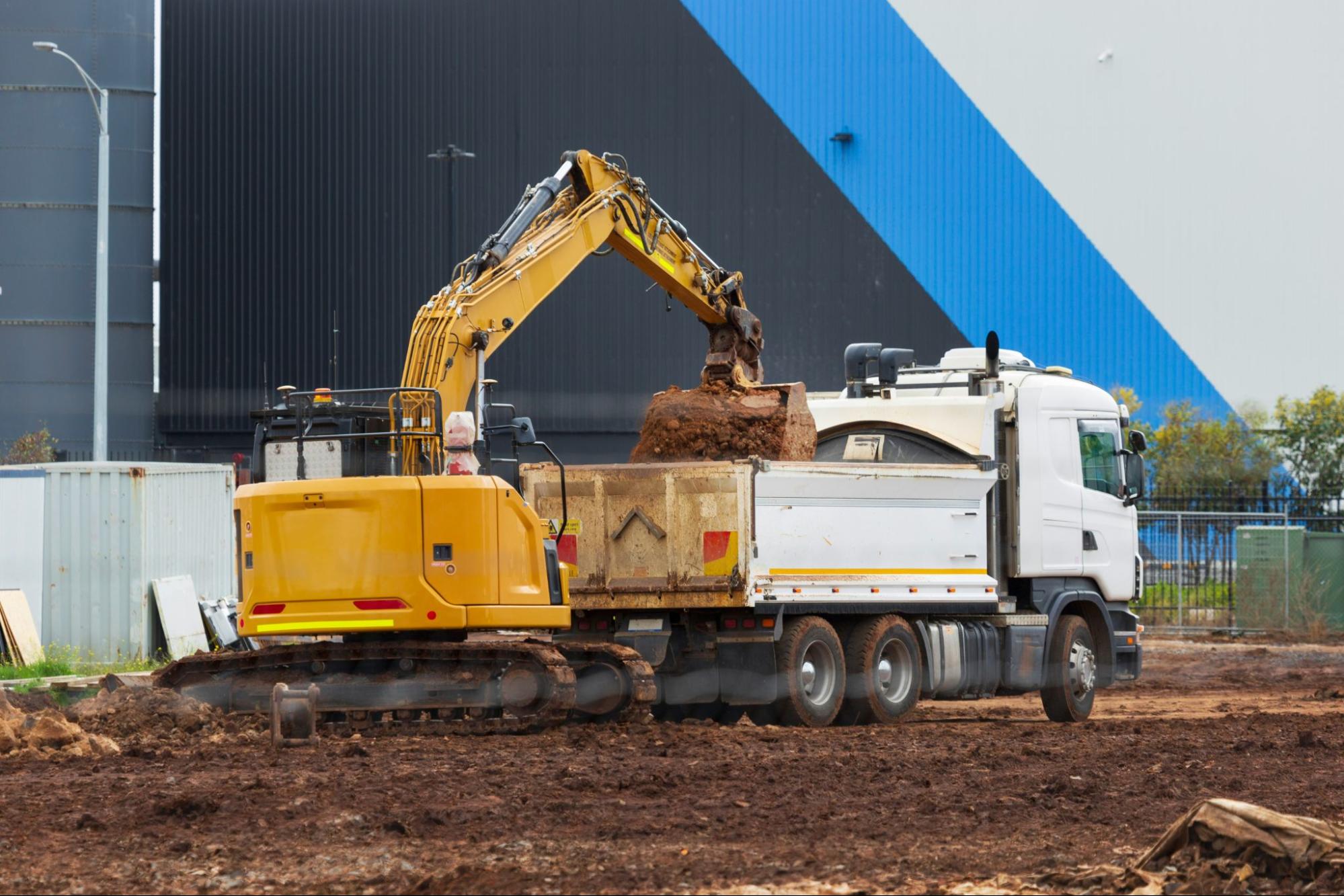 Before construction begins, sites require preparation to ensure smooth building processes. Proper preparation prevents delays and complications during actual construction phases.
Site Assessment
A professional site assessment reveals conditions affecting foundation and design choices definitively. Soil testing, survey work, and environmental assessment all inform project planning.
Existing vegetation, drainage patterns, and access constraints all require evaluation. Understanding site characteristics completely prevents unpleasant surprises during construction.
Approvals and Permits
Building approvals must be secured before construction can legally commence anywhere. Application processes require complete documentation, including engineering specifications and architectural plans.
Allow adequate time for approval processes that often extend longer than anticipated. Rushing applications typically causes delays rather than accelerating project timelines.
Budgeting Realistically
Realistic budgets prevent the financial stress that derails too many building projects. Understanding true costs enables informed decisions about design and specification choices.
Cost Components
Land, foundations, construction, and finishing all contribute significantly to the total project costs. Each component deserves separate consideration within overall budget frameworks.
Contingency allowances protect against unexpected costs that building projects inevitably encounter. Industry experts recommend 10-15% contingencies for new home construction projects.
Value Engineering
When budgets constrain initial plans, value engineering identifies savings without sacrificing essentials. Professional builders help distinguish between critical features and adjustable specifications.
Phased approaches allow completion of essential elements while deferring less critical features. Future additions can complete visions when immediate budgets prove insufficient.
Planning for the Future
Homes should serve families, not just today but for years and decades ahead. Forward-thinking design accommodates changing needs without requiring major renovations.
Flexibility Considerations
Family sizes change, work patterns evolve, and physical capabilities shift over time naturally. Homes designed with flexibility adapt to these changes more gracefully.
Consider how spaces might serve different purposes as circumstances change over the years. Rooms easily repurposed extend home utility across life’s various stages.
Sustainability Features
Energy efficiency and sustainability features deliver ongoing benefits throughout home ownership. Initial investments in efficiency typically return their costs through reduced operating expenses.
Solar orientation, insulation quality, and glazing specifications all affect long-term performance significantly. Addressing these elements during design costs less than retrofitting later.
Conclusion
Building your dream home requires careful attention to every aspect, from foundation to roofline. Each decision contributes to creating spaces where life unfolds comfortably for years.
Foundation systems provide the stable base upon which everything else depends entirely. Modern options like screw piles expand possibilities for challenging sites that conventional methods cannot address.
Architectural choices determine how your home looks, feels, and functions daily. Split-level designs offer unique advantages for sloping sites while creating distinctive living experiences.
Invest time in planning, engage qualified professionals, and make decisions thoughtfully throughout. Your dream home awaits at the end of a journey that deserves patience and care.