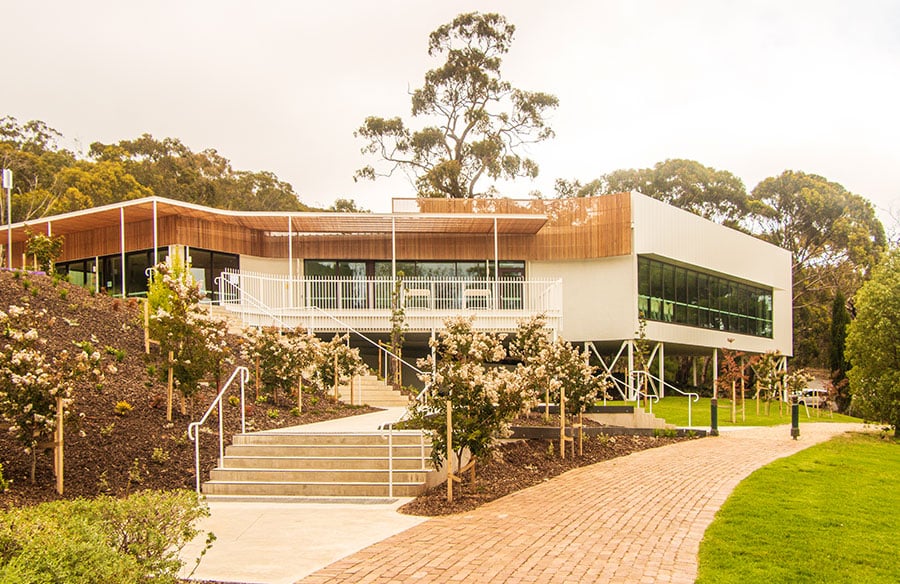
Architecture plays a far greater role in aged care than many people realize. The physical environment directly influences how residents feel, move, socialize, and experience daily life. Modern aged care design has shifted away from institutional layouts toward spaces that promote dignity, independence, safety, and genuine quality of life.
As expectations around aging evolve, so too does the way aged care facilities are designed. Today, thoughtful architecture is considered a core component of care itself, not just a backdrop. This is particularly evident across Perth aged care facilities, where contemporary design increasingly reflects a balance between clinical support, comfort, and a sense of home.
This article explores how architecture shapes modern aged care facilities and why good design is essential for resident wellbeing, staff efficiency, and long-term sustainability.
The Shift Away From Institutional Design
Historically, aged care facilities were often modeled on hospitals. Long corridors, shared rooms, harsh lighting, and clinical finishes were common. While functional, these environments frequently felt impersonal and could contribute to anxiety, confusion, and loss of independence for residents.
Modern aged care architecture represents a clear shift away from this approach. Designers now prioritize residential-style layouts that feel familiar, calm, and welcoming. Smaller household-style living areas replace large wards, helping residents feel part of a community rather than a system.
This shift recognizes that aged care is not just about managing health conditions. It is about supporting people to live meaningful, comfortable lives in an environment that respects their identity and personal history.
Creating a Sense of Home
One of the most important goals of modern aged care architecture is to create spaces that feel like home, not facilities. This starts with scale. Buildings are often broken into smaller zones or neighborhoods to reduce noise, improve wayfinding, and create a more intimate atmosphere.
Private rooms with ensuite bathrooms provide dignity and privacy, while shared lounges, kitchens, and dining spaces encourage social interaction without forcing it. The ability for residents to personalize their rooms with furniture, artwork, and personal belongings is also a key design consideration.
Warm materials, residential-style finishes, and natural textures all contribute to a sense of comfort. When residents feel at ease in their surroundings, they are more likely to engage socially, maintain routines, and feel secure.
Supporting Physical Health and Mobility
Architecture plays a critical role in supporting physical health and mobility as people age. Poorly designed spaces can increase the risk of falls, limit independence, and create barriers to movement.
Modern aged care facilities are designed with clear, unobstructed pathways, non-slip flooring, and consistent lighting levels. Handrails, gentle ramps, and thoughtfully placed seating allow residents to move safely and confidently throughout the building.
Layouts are designed to encourage movement rather than restrict it. Access to outdoor areas, walking loops, and gardens promotes gentle exercise, which supports physical health, balance, and overall wellbeing.
Dementia-Friendly Design Principles
For residents living with dementia, architecture can significantly impact comfort, orientation, and behavior. Dementia-friendly design focuses on reducing confusion, anxiety, and agitation through clear spatial cues and supportive environments.
Key principles include simple layouts, clear sightlines, and intuitive navigation. Visual contrast is used to help residents distinguish between walls, floors, and doorways, while consistent design elements reduce sensory overload.
Secure outdoor spaces allow residents to enjoy fresh air and nature without risk, while familiar domestic features help maintain a sense of identity and routine. When architecture aligns with cognitive needs, residents are better able to navigate their environment with confidence and dignity.
The Importance of Natural Light and Connection to Nature
Access to natural light is one of the most powerful architectural tools in aged care design. Sunlight supports healthy sleep cycles, improves mood, and contributes to overall physical and mental health.
Modern facilities are designed to maximize daylight through large windows, skylights, and open-plan layouts. Views of gardens, courtyards, or surrounding landscapes help residents feel connected to the outside world.
Biophilic design principles are increasingly incorporated into aged care architecture. This includes indoor plants, natural materials, water features, and outdoor spaces that encourage relaxation and sensory engagement. Regular interaction with nature has been shown to reduce stress and improve emotional wellbeing, particularly for older adults.
Balancing Safety With Independence
Safety is a fundamental requirement in aged care, but modern architecture aims to integrate safety features without creating an overly clinical environment. The goal is to protect residents while preserving their sense of autonomy.
Discreet safety measures such as concealed monitoring systems, subtle wayfinding cues, and unobtrusive security features allow residents to move freely without feeling restricted. Clear visibility for staff supports supervision without constant intrusion.
This balance is crucial. When residents feel trusted and capable within their environment, they are more likely to maintain independence and confidence, which has a positive impact on mental health.
Designing for Social Connection and Community
Loneliness and social isolation are significant challenges for older adults. Architecture can either reinforce isolation or actively encourage connection.
Modern aged care facilities are designed with shared spaces that feel inviting and purposeful. Communal dining rooms, activity areas, libraries, and cafes provide opportunities for residents to gather naturally throughout the day.
Designers also consider acoustics, furniture layout, and lighting to make social spaces comfortable and accessible. Smaller group settings often work better than large halls, allowing residents to form meaningful connections without feeling overwhelmed.
Supporting Staff and Quality of Care
Architecture does not only affect residents. It also has a direct impact on staff wellbeing, efficiency, and the quality of care delivered.
Well-designed facilities improve visibility, reduce unnecessary walking distances, and provide functional workspaces that support clinical care without dominating the environment. Staff areas designed for rest and privacy help reduce fatigue and burnout.
When staff can work efficiently within a thoughtfully designed space, they are better able to focus on meaningful interactions with residents, improving overall care outcomes.
Future-Proofing Aged Care Design
Modern aged care architecture also looks toward the future. Facilities are increasingly designed with flexibility in mind, allowing spaces to adapt as care needs, technology, and regulations evolve.
Sustainable building practices, energy efficiency, and durable materials support long-term operational viability while reducing environmental impact. Technology integration, such as smart monitoring systems and digital connectivity, is incorporated in ways that enhance care without overwhelming residents.
Future-proof design ensures that aged care facilities remain relevant, functional, and supportive for decades to come.
Architecture as a Foundation for Better Aging
Architecture shapes every aspect of life in an aged care facility, from how residents move and interact to how they feel emotionally and psychologically. Modern design recognizes that the built environment is not just a setting for care, but a powerful tool that can enhance dignity, independence, and wellbeing.
By prioritizing comfort, safety, connection, and adaptability, contemporary aged care architecture supports a more human-centered approach to aging. As expectations continue to rise, thoughtful design will remain central to creating places where older adults can truly feel at home.