Dubai does not design commercial buildings in a vacuum. Every tower, podium, retail strip, and business park is the result of layered pressures: climate that punishes mistakes, regulation that moves faster than many cities can adapt, capital that demands speed, and a market where buildings are evaluated not just by aesthetics but by yield per square meter.
To understand commercial architecture in Dubai today, you have to step away from the skyline and look at the systems underneath it. The glass is the final layer. The real design work happens long before facades are discussed.
Climate Is Not a Constraint, It Is the First Client
Before a single line is drawn, the environment asserts itself. Heat, glare, humidity, sand, and wind shape buildings more aggressively here than in temperate cities. Commercial architecture that ignores this reality performs poorly, regardless of how impressive it looks from Sheikh Zayed Road.
Good projects in Dubai do not fight the climate. They structure around it.
Heat Management Dictates Massing
Commercial buildings in Dubai rely heavily on compact massing. Long, shallow floor plates popular in office buildings lose efficiency under intense solar exposure. Deeper plans with controlled perimeter glazing reduce heat gain and stabilize internal temperatures.
You see this logic clearly in business districts like DIFC and Business Bay. Towers are shaped to minimize east-west exposure, where morning and afternoon sun create the highest thermal load. Podiums shade public areas, and mechanical systems are sized not for average days but for peak extremes.
This is not stylistic preference. It is operational survival.
Shading Is Architectural, Not Decorative
Brise-soleil, recessed glazing, overhangs, and layered façades are not aesthetic add-ons. They are load-reduction strategies.
Retail and mixed-use developments increasingly rely on shaded walkways and semi-external circulation. Malls like City Walk or developments along Jumeirah rely on transitional spaces that reduce air-conditioning demand while remaining usable year-round.
Architecture that treats shade as decoration rather than structure fails quickly. Tenants notice. Operating costs expose the mistake.
Regulation and Planning Shape More Than Form
Dubai’s planning framework moves quickly, but it is precise. Commercial architecture responds directly to zoning rules, height restrictions, parking requirements, and plot ratios that vary sharply by district.
This regulatory environment encourages clarity over experimentation.
Masterplans Control the Big Picture
Large areas of commercial development in Dubai operate within masterplans. These plans dictate massing envelopes, circulation, setbacks, and even façade rhythm.
While this limits individual expression, it creates consistency. Business parks, free zones, and financial districts function as systems rather than collections of isolated buildings. For investors looking at properties for sale in Dubai, this predictability matters. Risk is easier to price when context is controlled.
Speed Shapes Design Decisions
Approvals move fast compared to many global cities, but construction schedules are even faster. Commercial buildings are expected to move from concept to completion in compressed timelines.
This speed favors proven systems: modular structural grids, standardized façade panels, repeatable floor plates. Experimental geometry is rare in commercial projects not because it is impossible, but because it slows delivery and complicates maintenance.
Capital Efficiency Is the Silent Driver
Commercial architecture in Dubai is measured by performance first. Design that does not translate into leasable, flexible, and efficient space struggles to justify itself.
Floor Plate Efficiency Over Iconic Form
Tenants care about usable area, column spacing, ceiling heights, and service integration. Investors care about net-to-gross ratios and adaptability over time.
Office buildings with clear spans, raised floors, and flexible MEP layouts outperform visually complex structures. In districts targeting multinational tenants, neutral, adaptable interiors matter more than architectural bravado.
This is why many commercial towers share similar proportions. The market rewards what works.
Mixed-Use Is No Longer Optional
Pure single-use commercial buildings face greater risk. Mixed-use developments—office above retail, hospitality integrated into business districts—distribute that risk.
Architecturally, this demands careful stacking. Service cores must separate public and private flows. Loading, parking, and back-of-house functions need to coexist without conflict. These constraints shape the building from the inside out.
Materials Respond to Maintenance Reality
Dubai’s environment is unforgiving to materials. Sand abrasion, UV exposure, and humidity accelerate wear.
Façades Are Chosen for Longevity
High-performance glazing, treated aluminum, stone with proven durability, and composite systems dominate commercial architecture. Experimental materials appear rarely and cautiously.
Maintenance access is designed early. Façade cleaning systems, replacement strategies, and long-term appearance matter because buildings here age in public view, under intense light.
Interiors Balance Luxury and Replaceability
Commercial interiors aim for a balance between perceived quality and ease of replacement. Finishes are chosen not just for first impression, but for how quickly they can be refreshed between tenants.
This is particularly visible in retail and office lobbies, where materials signal prestige but remain modular enough to evolve.
Market Diversity Shapes Architectural Typologies
Dubai’s commercial market is not monolithic. Different districts target different users, and architecture responds accordingly.
Free Zones vs. Central Business Areas
Free zones prioritize flexibility and speed. Buildings favor simple forms, efficient cores, and adaptable interiors. Central business districts emphasize image, visibility, and branding.
This difference is architectural. It shows in façade treatment, entrance design, and public realm integration.
Retail Is Becoming More Urban
Standalone malls are no longer the only model. Street-facing retail, integrated into mixed-use developments, reflects changing consumer behavior.
Architecture adapts with shaded streets, layered frontages, and flexible unit sizes. Commercial buildings now engage the city at ground level instead of turning inward.
Sustainability Is Moving From Narrative to Requirement
Sustainability in Dubai’s commercial architecture is shifting from marketing language to operational necessity.
Energy performance, water use, and material efficiency are scrutinized by tenants and regulators alike. Certification systems influence design decisions, but real performance matters more.
Buildings that reduce operational costs gain competitive advantage. Those that rely on superficial green gestures do not.
The Result Is a Controlled, Intentional Architecture
Commercial architecture in Dubai today is not accidental, chaotic, or purely iconic. It is controlled, optimized, and shaped by forces that reward discipline.
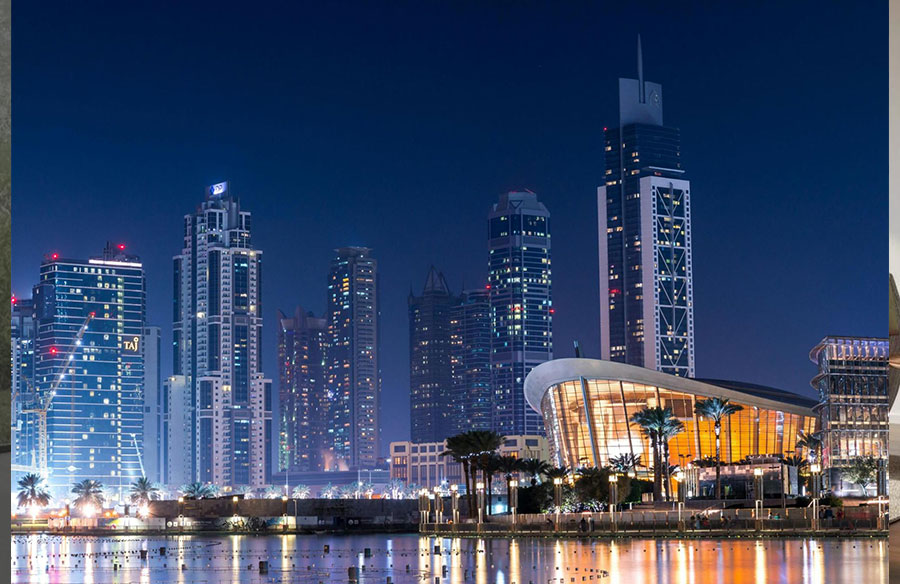
The skyline may suggest spectacle, but the buildings beneath it tell a more pragmatic story. Climate, regulation, capital, and market behavior leave little room for indulgence. What remains is architecture that works—fast, efficiently, and at scale.
That is what truly shapes commercial architecture in Dubai today.