Home construction and renovation projects can be exciting, but they also carry risks when mistakes are made. Many homeowners step into construction work with enthusiasm but without a full understanding of what can go wrong. Small errors during planning or execution often turn into long-term problems that affect safety, comfort, and durability. Being aware of common construction mistakes helps homeowners make better decisions, communicate clearly with professionals, and protect their investment.
This article explores frequent errors that occur during residential construction and renovation and explains how homeowners can avoid them through careful planning and attention to detail. For homeowners in Austin, Texas, awareness is especially important due to varying weather conditions that can test the strength of a home over time.
Roof Planning and Installation Errors
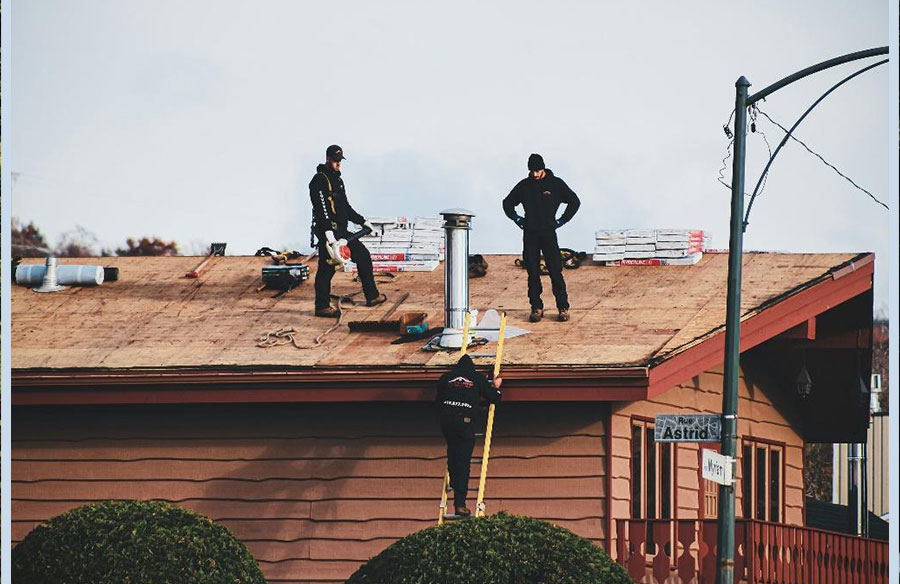
The roof is one of the most critical parts of any home, yet it is often misunderstood or overlooked during construction. A common mistake is choosing materials without considering climate demands or the structure of the house. Poor ventilation is another issue that leads to trapped moisture, which can cause damage beneath the surface long before it becomes visible.
Improper installation is also a frequent problem. When layers are not aligned correctly or flashing is poorly placed, water can seep into the home. This kind of damage may not appear right away, but it often leads to costly repairs later. Homeowners sometimes assume that all roof work is the same, which is not true. Each home requires a specific approach based on design and environment. Get in touch with a local Austin roofing company to ensure the roof is installed with proper care and understanding of regional conditions.
Skipping Proper Planning and Design
One of the most common construction mistakes is rushing into a project without a clear plan. Some homeowners rely on verbal ideas or rough sketches instead of detailed plans. This often leads to confusion during construction and results in changes that disrupt the workflow.
A lack of planning can also cause issues with room layout, storage space, and natural light. Once walls are built, making changes becomes difficult and disruptive. Homeowners should take time to visualize how spaces will be used daily and ensure the design supports those needs. Thoughtful planning helps avoid regrets and unnecessary adjustments during construction.
Poor Foundation Preparation
The foundation supports the entire home, yet mistakes at this stage are surprisingly common. One issue is failing to prepare the soil properly before pouring the foundation. Uneven or unstable soil can cause cracks and shifting over time.
Another mistake is overlooking drainage around the foundation. Water pooling near the base of the home increases the risk of moisture problems and structural damage. A strong foundation requires careful assessment of the ground and proper drainage planning. Skipping these steps may not show immediate problems, but the consequences often appear later and are difficult to correct.
Using the Wrong Materials
Choosing materials based only on appearance or initial cost is another common error. Some materials may look appealing but are not suitable for certain conditions or areas of the home. For example, materials that absorb moisture easily may not perform well in damp environments.
Using low-quality materials also affects durability. While they may seem adequate at first, they often wear out faster and require replacement sooner. Homeowners should focus on materials that match the function of the space and offer reliable performance over time. Making informed choices helps avoid frequent repairs and maintenance issues.
Electrical and Plumbing Shortcuts
Electrical and plumbing systems are complex and require careful installation. A common mistake is trying to simplify these systems or overlooking small details. Poor wiring can lead to safety hazards, while improper plumbing connections cause leaks and water damage.
Some homeowners attempt to handle these systems without sufficient knowledge. Even small errors can create serious risks. It is important to ensure that electrical and plumbing work is planned correctly and installed according to standards.
Lack of Proper Insulation
Insulation plays a key role in maintaining indoor comfort. A frequent mistake is using insufficient insulation or placing it incorrectly. Gaps in insulation allow air to escape, making it harder to maintain consistent indoor temperatures.
Poor insulation also affects moisture control. Without proper insulation, condensation can build up within walls and ceilings. This leads to mold growth and material damage. Homeowners should understand the importance of insulation and ensure it is installed evenly and securely throughout the home.
Overlooking Ventilation Needs
Ventilation is often misunderstood or ignored during construction. Homes need proper airflow to manage moisture and maintain indoor air quality. Without it, stale air and humidity build up inside.
Bathrooms, kitchens, and attics are especially vulnerable when ventilation is inadequate. Moisture accumulation in these areas leads to long-term damage and discomfort. Planning ventilation systems carefully ensures that air circulates properly and moisture is managed effectively.
Inconsistent Workmanship
Another mistake homeowners encounter is inconsistent workmanship across different areas of the home. This often happens when work is rushed or poorly supervised. Small details such as uneven surfaces, misaligned fixtures, or sloppy finishes reduce the overall quality of the construction.
Inconsistent workmanship affects both appearance and function. Doors may not close properly, cabinets may feel unstable, and surfaces may wear unevenly. Paying attention to detail throughout the project helps maintain a high standard of construction and ensures lasting results.
Failure to Communicate Clearly
Clear communication is essential during any construction project. Homeowners sometimes assume that professionals understand their expectations without detailed discussion. This leads to misunderstandings and results that do not match the original vision.
Regular communication helps address concerns early and keeps the project aligned with the homeowner’s goals. Asking questions and confirming details prevents assumptions that lead to mistakes. Open dialogue supports better outcomes and smoother progress.
Underestimating Maintenance Needs
Some construction choices require more upkeep than homeowners expect. Failing to consider maintenance needs is a common oversight. Materials and designs should be chosen with long-term care in mind.
When maintenance requirements are ignored, homeowners may struggle to keep the home in good condition. Understanding how different elements age and what care they need helps homeowners make practical decisions that suit their lifestyle.