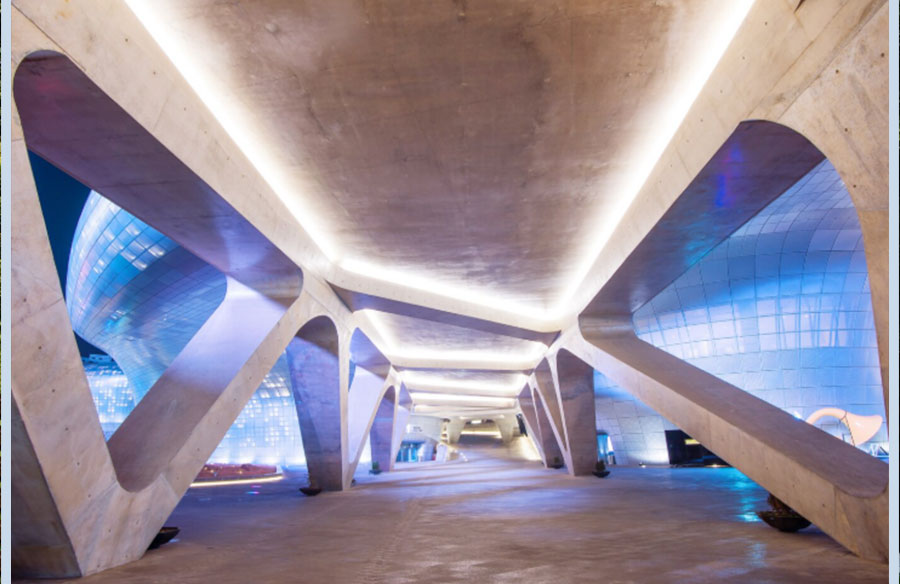
Architecture has always been about creating spaces that inspire, function, and connect with people. Yet, experiencing a building before it exists has traditionally been a challenge for both clients and designers. With the rise of digital technologies, architects now have the ability to offer immersive experiences that go beyond traditional blueprints and physical models. Through innovations such as 3D rendering services and 3D architectural walkthroughs, the way people perceive, interact with, and understand architectural spaces is being transformed.
The Importance of Experiencing Architecture Before Construction
Designing a building is not just about creating functional spaces—it is about crafting experiences. Clients often struggle to visualize how a space will feel, how natural light will flow, or how different materials will interact. Traditional 2D drawings or static models provide limited insight, leaving room for misinterpretation.
Digital visualization addresses this challenge by enabling architects to simulate and present their designs realistically. Clients can virtually step inside a building, explore room layouts, and understand spatial relationships before construction begins. This level of clarity improves communication, aligns expectations, and reduces costly changes during the building process.
Bringing Spaces to Life with 3D Rendering Services
One of the most effective ways to experience a design digitally is through 3D rendering services. These services produce high-quality, photorealistic images of architectural projects, highlighting every detail, from textures and finishes to lighting and reflections.
3D renders help clients understand how a space will look and feel. Designers can showcase different materials, furniture arrangements, and even environmental conditions, offering a comprehensive view of the project. Beyond client presentations, these visuals serve as powerful marketing tools, helping architects, real estate developers, and interior designers communicate the value of their projects effectively.
By providing a realistic preview, 3D rendering services make designs more tangible, allowing stakeholders to make informed decisions and feel confident in the final outcome.
Immersive Experiences with 3D Architectural Walkthroughs
While 3D renders offer static images, 3D architectural walkthroughs take digital visualization a step further. Walkthroughs allow users to navigate through a virtual model of a building, exploring it as if they were physically present.
This immersive experience is particularly useful for large-scale developments, complex floor plans, or unique interior designs. Clients can walk from room to room, understand circulation paths, and evaluate the functionality of each space. Additionally, architects can use walkthroughs to present alternative design options and get immediate feedback, facilitating collaboration and faster decision-making.
Virtual walkthroughs also enhance the marketing potential of a project. Real estate companies, for instance, can offer prospective buyers the opportunity to explore properties remotely, expanding reach and engagement in an increasingly digital world.
Integrating Technology into the Design Process
The use of digital visualization is not limited to client presentations—it is transforming the entire architectural design process. Advanced software tools allow architects to test and refine designs in a virtual environment before committing to construction.
Digital models make it possible to simulate lighting, acoustics, and structural performance, helping designers make informed choices about materials and layouts. With tools like 3D rendering services and 3D architectural walkthroughs, teams can identify potential issues early, reduce errors, and streamline workflows.
Moreover, collaborative platforms enable architects, engineers, and clients to review designs simultaneously, regardless of location. This digital approach enhances coordination, accelerates approvals, and minimizes the need for costly revisions on-site.
Virtual Reality and Augmented Reality in Architecture
Emerging technologies such as virtual reality (VR) and augmented reality (AR) are taking architectural experiences to entirely new levels. VR enables users to immerse themselves fully in a 3D environment, interacting with spaces as if they were physically present. AR overlays digital models onto real-world settings, allowing architects and clients to see how designs integrate with existing environments.
These technologies improve spatial awareness and decision-making, helping clients better understand scale, proportion, and design intent. VR and AR can also serve as innovative marketing tools, creating memorable experiences that differentiate a firm’s services and reinforce brand visibility.
Enhancing Collaboration Through Digital Experiences
Digital visualization facilitates collaboration among all project stakeholders. Architects, interior designers, engineers, and clients can explore designs together in real time, providing feedback and making adjustments on the spot.
For example, a 3D architectural walkthrough allows a client to point out areas that may need redesign or adjustment, while designers can immediately implement changes in the model. This collaborative process ensures that the final design aligns with both functional requirements and aesthetic expectations.
By integrating visualization technologies into collaborative workflows, firms can reduce misunderstandings, accelerate approvals, and ensure a smoother project delivery.
Marketing and Sales Benefits of Experiential Architecture
Experiential architecture extends beyond design accuracy; it also drives marketing and sales. Engaging visual content, such as 3D renders and walkthroughs, can be shared across websites, social media, and promotional campaigns, capturing the attention of potential clients and investors.
In real estate, immersive experiences allow prospective buyers to explore properties remotely, increasing engagement and interest. Similarly, product and interior designers can use visualization tools to showcase design concepts to clients around the world, expanding market reach.
By offering compelling visual experiences, companies not only communicate design intent but also build trust and credibility, reinforcing their brand as innovative and client-focused.
Future Trends in Architectural Visualization
The future of architectural visualization promises even more immersive and interactive experiences. Technologies such as AI-powered rendering, real-time visualization, and mixed reality are making it faster and easier to create detailed digital representations.
AI can automate repetitive tasks like lighting adjustments or material simulations, freeing designers to focus on creativity. Real-time rendering allows for instant feedback during client presentations, while mixed reality applications enable users to interact with models in physical spaces.
As these technologies evolve, architects and designers will be able to deliver increasingly realistic, engaging, and personalized experiences, transforming the way people connect with architectural spaces.
Sustainability and Digital Visualization
Digital visualization also contributes to sustainability in architecture. By testing designs virtually, architects can optimize material usage, energy efficiency, and spatial planning before construction begins.
3D rendering services and 3D architectural walkthroughs help identify design flaws and inefficiencies early, reducing waste and resource consumption. This digital-first approach supports environmentally responsible practices while maintaining high-quality design outcomes.
Conclusion: Experiencing Architecture in the Digital Age
Exploring new ways to experience architectural spaces is reshaping the design industry. Through tools like 3D rendering services and 3D architectural walkthroughs, architects and designers can offer clients immersive, realistic, and interactive experiences that bridge the gap between imagination and reality.
These technologies enhance client engagement, improve collaboration, streamline workflows, and expand marketing opportunities. As virtual and augmented reality continue to evolve, the potential for experiencing architecture digitally will only grow, enabling designers to create spaces that inspire and captivate before they are even built.
In a world where visualization and experience define perception, embracing digital tools is no longer optional—it is essential. Firms that integrate these technologies will not only bring their designs to life but also set new standards for how architecture is imagined, experienced, and shared globally.