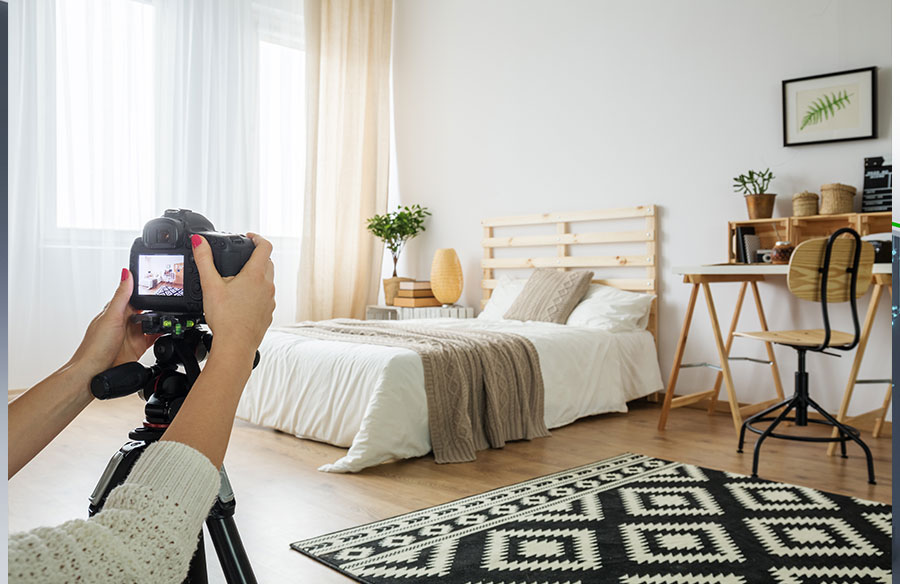
Many people believe that a great photo starts with an expensive camera or a visually striking background. In reality, photography is a complex art form built from many small elements working together. Composition, light, atmosphere, and space all play a role, and interior design is one of the most influential parts of that equation.
Talented photographers understand that the space itself shapes the image. The choice of interior sets the mood, guides the viewer’s eye, and supports the story behind the photograph. From layout and textures to light and color, even the smallest details can change how an image feels and how it is remembered.
Photography and Space as a Visual Language
Photography exists in many forms, from architectural and editorial work to lifestyle and portrait photography. Interior design plays a role in all of them, but its impact can vary depending on location.
Design styles differ greatly from country to country and even from city to city. For example, in Miami boudoir photography, bright and modern interiors are often valued. In contrast, Los Angeles tends to favor minimalist spaces with clean lines and a softer, light-neutral color palette.
In visual storytelling, space becomes a language. Open layouts often suggest freedom or calm. Tight spaces can feel intimate or intense. Minimal interiors create focus. Decorative interiors add layers of meaning. A photographer does not simply capture a subject. They capture how that subject exists within a designed environment.
Interior Design as an Emotional Tool
Interior design has a direct effect on how people feel inside a space. This emotional response carries into photography. Soft textures create warmth. Hard surfaces can feel distant or dramatic. Natural materials tend to feel grounding and calm. Industrial elements often bring tension or contrast.
When a photograph is taken, the viewer reacts not only to the person or object in the frame, but also to the space surrounding it. A room with high ceilings and natural light feels very different from a low ceiling space with artificial lighting. Even before the subject is noticed, the atmosphere is already set.
- Design choices like color, material, and scale quietly guide emotion. Neutral tones often feel timeless. Bold colors add energy. Repetition creates rhythm. Asymmetry creates movement. All of these concepts come directly from architecture and closely follow the principles of art and design.
Light as the Connection Between Design and Photography
Light is the intersection where interior design and architectural photography truly converge. Architects design spaces with light in mind, while photographers depend on it to craft images. The placement of windows, the direction of light, and how it reflects off surfaces all impact the final photograph.
Natural light reveals texture and depth, softening edges and creating smooth transitions. Artificial light offers control but can alter the mood—warm light feels inviting, while cool light feels distant or modern. Interior design influences how light enters a space, and photography transforms that light into visual meaning.
A well-designed interior doesn’t compete with the subject; it supports it. Light flows naturally, shadows fall intentionally, and the space feels balanced. These qualities make a photograph seem effortless, even though every element is carefully considered.
The Role of Design in Personal Photography
Some types of photography rely heavily on interior design to create trust and comfort. Personal photography often takes place indoors, where privacy and atmosphere are of the utmost importance. In these cases, the interior becomes part of the emotional safety of the image.
Clean layouts help subjects relax. Soft furniture reduces tension. Neutral backdrops prevent distraction. The design does not draw attention to itself, but it shapes how the subject feels in the moment. That feeling is visible in posture, expression, and body language.
This is where design becomes invisible but essential. A poorly designed space can create discomfort that shows in the image. A thoughtful space allows authenticity. Architecture, in this sense, is not merely a matter of structure. It is emotional support.
Cultural Identity Through Interior Spaces
Interior design reflects culture. Materials, colors, and layouts are shaped by climate, history, and lifestyle. Photography captures these differences, often without words. A single interior can communicate place and identity instantly.
Mediterranean interiors often feel warm and textured. Scandinavian spaces feel light and restrained. Urban American interiors may focus on openness and function. These visual cues help the viewer understand context, even if the subject remains the same.
For photographers, understanding design culture is important. It allows them to respect the space they work in and use it intentionally. Rather than forcing a style, they respond to what already exists. This creates images that feel honest and grounded.
Composition and Spatial Balance
Interior design teaches balance. Photography uses the same principle. Lines guide attention. Negative space creates breathing room. Symmetry brings order. Asymmetry adds interest. All of these concepts come directly from architecture and interior planning.
A photograph taken in a well-designed space often feels balanced without effort. Walls align. Furniture anchors the frame. Windows create natural divisions. The space supports composition rather than fighting it.
When design and photography work together, the result feels calm and clear. The viewer knows where to look. The image feels intentional. Nothing feels accidental.
Why Interior Design Matters More Than Ever
In a digital world, images are consumed quickly. First impressions matter. Interior design helps photography stand out by creating mood instantly. Before a caption is read, the space has already spoken.
As photography continues to evolve across platforms, thoughtful environments become more important. Design is no longer just background. It is part of the message. It shapes storytelling in subtle but powerful ways.
Architects and designers may not always think about photography, but their work lives on through images. Photography becomes the bridge between space and audience. Interior design gives those images depth, meaning, and emotion.
Final Thoughts
Interior design and photography are deeply connected. Both rely on light, balance, and emotion. Both tell stories without words. When combined thoughtfully, they create images that feel complete and lasting.
Photography does not exist in isolation. It lives inside space. Architecture frames it. Design supports it. Together, they shape how stories are seen, felt, and remembered.