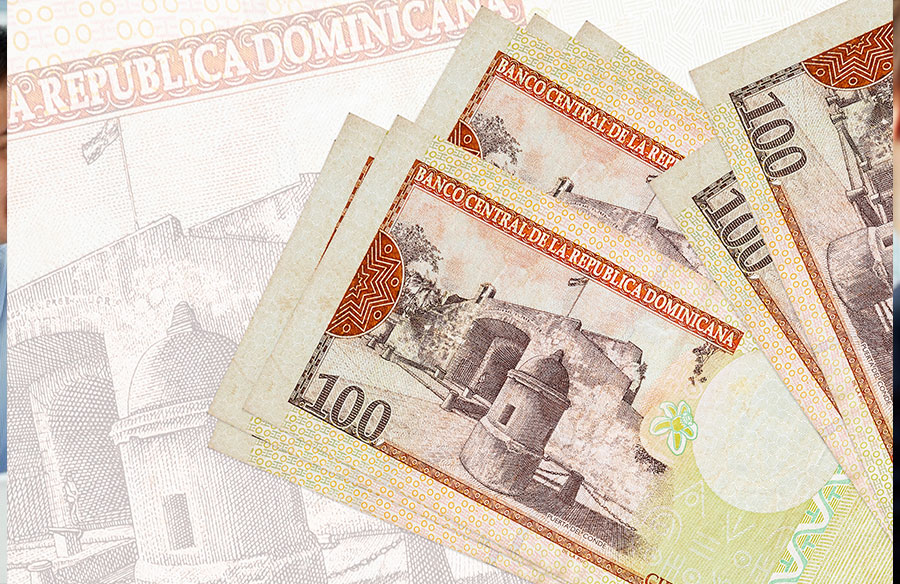
Living abroad brings opportunity, but it also brings responsibility—especially when your family depends on you back home. Many people working overseas want to support parents, children, or loved ones in the Dominican Republic. According to the Banco Central de la República Dominicana, remittances reached $10.1 billion in 2023, showing how essential this support is for many households.
Yet people often worry about delays, high fees, unsafe apps, and payments getting lost in the process. And honestly, sending money shouldn’t feel stressful. It should feel like a secure bridge connecting you to the people who matter.
So, this guide breaks everything down step by step. You’ll learn how to choose the safest method, avoid hidden risks, and send money confidently—without the usual confusion.
1. Choose a Reliable and Secure Transfer Method
Selecting the right method sets the tone for everything that follows. Many people still rely on in-person agencies or traditional transfer apps, but these often come with long lines, slow processing, and unpredictable fees. Thankfully, technology has changed the experience.
Today, you don’t even need a complicated app. Some trusted providers now let you send money directly through WhatsApp, turning a simple chat into a secure transfer tool. It removes extra steps and feels more natural for people who prefer something quick and familiar.
Within this trend, services that let you send money to Dominican Republic quickly and clearly, like Felix Pago, stand out as helpful examples. Their focus on speed, clarity, and user-friendly design makes sending support feel as easy as messaging someone you care about.
Here’s why this shift matters:
- Fewer steps: No long forms or confusing menus
- Faster processing: Transfers move in real time
- Better transparency: You see the full cost before sending
- Lower stress: Everything happens in a platform you already use
This move toward secure, chat-based transfers is reshaping how many families stay connected across borders.
2. Verify the Recipient’s Information Carefully
A small mistake can delay an entire transfer. Before sending money, double-check:
- Full legal name
- Bank name or cash pickup location
- Phone number or ID if required
- Correct spelling of all details
Using accurate information prevents delays, failed transfers, or extra fees. It takes only a minute and saves a lot of stress later.
3. Review Fees, Exchange Rates, and Delivery Speed
Not all transfer options break down costs clearly. Some charge a visible fee, while others hide fees inside the exchange rate. That’s why comparing platforms matters.
When reviewing options, look for:
- Total cost, not just the upfront fee
- Exchange rate margin, which affects how much arrives
- The estimated delivery time, especially for urgent transfers
Some services prioritize speed. Others prioritize lower cost. The best choice depends on your needs. A little comparison goes a long way toward saving money.
4. Protect Your Personal and Financial Information
Security is a major concern for anyone sending money online.
A few simple habits help keep your data safe:
- Use trusted, verified platforms only
- Avoid sending money through random links or unknown numbers
- Don’t use public Wi-Fi for financial transactions
- Never share verification codes with anyone
Reliable providers also use encryption and two-step verification. If something feels suspicious, pause. Real services never rush you or ask for sensitive information casually.
5. Track the Transfer Until Completion
Transparency matters.
Good transfer platforms provide step-by-step updates, such as:
- Processing
- Sent
- Ready for pickup or delivery
Both you and your recipient should receive updates. This reduces confusion and keeps everyone informed. If something slows down, tracking details makes it easier to understand what’s happening.
6. Keep a Record of Every Transaction
Always save:
- Transfer receipts
- Confirmation numbers
- Screenshots
- Final delivery notification
These records help with budgeting, tax purposes, and resolving issues if anything unexpected happens. They’re also useful when you send money regularly.
Avoid Common Mistakes That Cause Delays
Even small mistakes can slow a transfer or reduce the amount your loved ones receive. Most issues happen because people rush or trust the wrong source. A little awareness goes a long way in keeping each transaction smooth and predictable.
Here are common pitfalls to avoid:
- Using unverified apps
Scammers often target people sending remittances. Always check whether the service is official and secure before entering any personal details.
- Rushing during peak periods
Transfers sent on weekends or holidays may take longer. Planning ahead prevents unnecessary stress or delays.
- Ignoring exchange rate changes
Even a small shift can reduce what your family receives. It’s helpful to check the rate at the moment you send.
- Believing “zero-fee” claims
Some platforms remove visible fees but hide costs inside a weaker exchange rate. Transparency matters more than a catchy promise.
Paying attention to these details protects your money and ensures it arrives exactly when your family needs it.
Conclusion
Sending money to the Dominican Republic doesn’t have to be confusing or risky. With secure digital options, WhatsApp-based transfers, transparent pricing, and reliable tracking, supporting your family becomes much easier. When you verify details, compare rates, stay aware of security practices, and choose trustworthy providers, every transfer feels safe and intentional. No matter how far you live, the right tools help your support reach home clearly and quickly—exactly when it’s needed most.