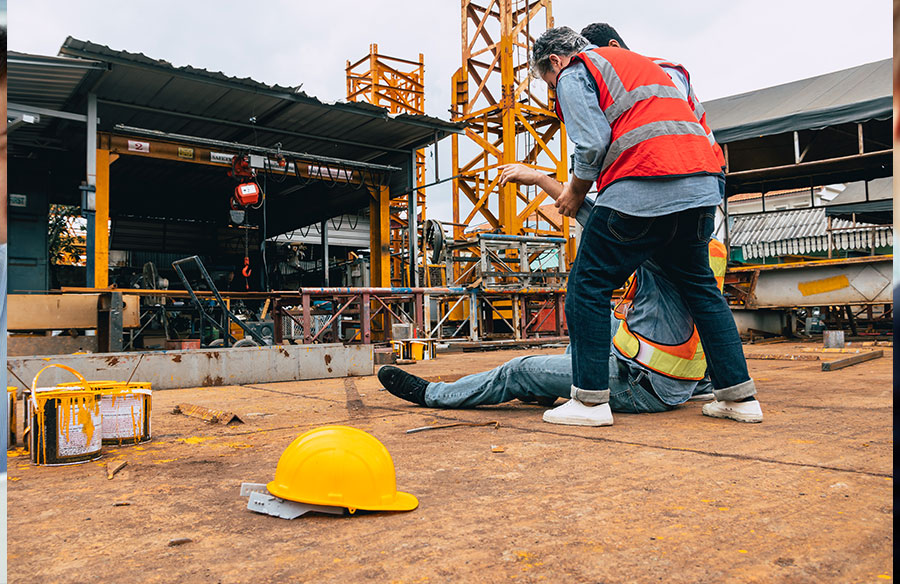
Construction sites in Virginia include heavy equipment, shifting materials, tight deadlines, and teams working across multiple levels at once. Anyone who spends enough time on a job site knows that accidents don’t just happen in dramatic moments.
Sometimes, a small fall, a quick slip, or a tool striking the wrong spot can create injuries that linger far longer than expected. What looks like a short-term issue can slowly turn into something that affects work, mobility, sleep, or even emotional well-being.
The hardest part is how invisible many long-term complications feel at first. Pain comes and goes. Fatigue becomes normal. Concentration slips. Workers push through because that’s what the job demands. Yet these injuries can grow quietly, shaping life months or years later.
In this article, you’ll see five serious construction-related injuries that often carry long-term consequences and why early care and awareness matter so much.
1. Traumatic Brain Injuries (TBIs) From Falls or Struck-By Accidents
Falls from ladders, tools striking the head, or sudden impacts from moving equipment are some of the most common causes of traumatic brain injuries in the construction industry. The tricky part is that many TBIs don’t look dramatic in the beginning. A worker may feel dizzy, “foggy,” or unusually tired, then return to work, thinking it will pass. Instead, symptoms often intensify later.
Long-term issues can include:
- Memory lapses
- Headaches that return often
- Trouble focusing during tasks
- Mood swings or irritability
- Sensitivity to noise or light
These changes disrupt work performance, daily routines, and even relationships. Because these symptoms are subtle, workers sometimes don’t recognize how serious the injury is until it starts impacting their earning ability or long-term health.
When complications grow or recovery stalls, many workers seek guidance from a Virginia brain injury attorney to understand their rights, long-term care needs, and how to document symptoms properly. Lawyers familiar with brain trauma cases—such as the team at C. Pollard Law—often help workers track medical evidence, calculate long-term treatment costs, and navigate insurance challenges that feel overwhelming on their own.
This isn’t about starting conflict; it’s about making sure injured workers have steady support, clear information, and a pathway to recovery that doesn’t crumble under financial or legal pressure.
2. Spinal and Back Injuries That Limit Mobility
Back injuries are extremely common in construction, given the constant lifting, bending, climbing, and handling of heavy equipment. A fall from scaffolding or even a sudden twist can damage the spine in ways that don’t heal quickly.
Long-term effects may include:
- Chronic lower-back pain
- Nerve compression leading to tingling or numbness
- Reduced range of motion
- Muscle weakness
- Difficulty standing or walking for long periods
These injuries make physical labor extremely challenging. Even simple tasks like carrying tools or climbing steps can feel overwhelming. Many workers eventually need physical therapy, long-term treatment plans, or ongoing pain management. Ignoring these symptoms early often leads to more permanent mobility limitations.
3. Crush Injuries With Lasting Tissue or Nerve Damage
Construction sites feature materials that weigh hundreds of pounds, machinery with powerful moving parts, and vehicles operating in tight spaces. Crush injuries can happen quickly—between equipment, under loads, or during structural collapses. Even when the visible injury seems small, the damage beneath the surface can be extensive.
Long-term consequences often include:
- Permanent nerve damage
- Loss of sensation
- Reduced strength in the affected limb
- Circulation problems
- Compartment syndrome requiring surgical relief
These injuries can change how a person works, walks, or uses their hands. In severe cases, workers may struggle to return to physically demanding jobs. The emotional impact can be just as significant, especially if the injury changes independence or long-held routines.
4. Severe Burns and Chemical Exposure Injuries
Burn injuries aren’t just painful—they often leave behind complications that last for years. Flammable materials, electrical arcs, hot machinery, and chemical exposure all create risks on construction sites. Even small burns can lead to nerve sensitivity or restricted movement once scar tissue forms.
Long-term complications may include:
- Chronic pain or nerve hypersensitivity
- Mobility limitations from tight or raised scarring
- Ongoing skin irritation
- The need for future surgeries or grafts
- Emotional distress or trauma
Chemical burns add another layer of risk because fumes, liquids, or powders can damage the skin, lungs, and eyes. These injuries often require long-term dermatological care or respiratory monitoring long after the accident scene is cleaned up
5. Psychological Trauma That Appears Months Later
Construction injuries aren’t only physical. A serious accident can leave emotional effects that don’t surface immediately. Workers may return to the site but feel uneasy, hyperaware, or anxious during tasks that once felt routine.
Common long-term emotional effects include:
- PTSD symptoms
- Sleep disturbances
- Difficulty concentrating
- Fear of heights, machinery, or crowded work zones
- Depression or loss of confidence
Psychological injuries develop quietly. They affect job performance, safety awareness, and relationships at home. Many workers don’t speak up because they think emotional symptoms don’t “count” as real injuries. Yet untreated trauma can be just as limiting as any physical condition.
Conclusion
Construction injuries rarely end on the same day they occur. They can shape mobility, memory, mood, and overall well-being for years. Understanding these long-term risks encourages workers to seek care early and take symptoms seriously instead of trying to “push through.” Whether the injury involves the brain, spine, nerves, skin, or emotional health, the goal is the same—protecting your body and your future. Awareness, early treatment, and proper support can help workers rebuild strength, stability, and confidence long after the accident.