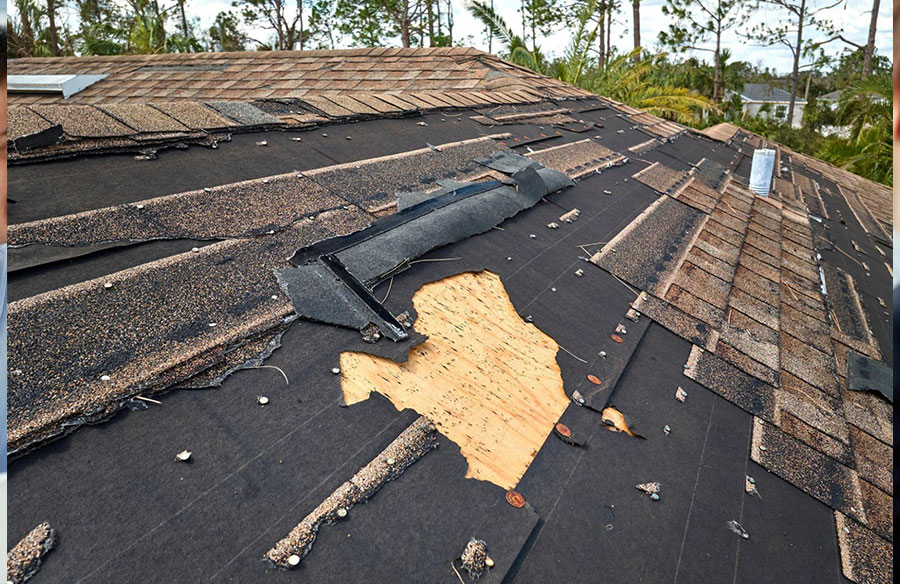
Hailstorms are one of the most destructive weather events for Calgary homeowners. In a matter of minutes, hail hits can cause roof damage, break windows, dent siding, and compromise your home’s protective barriers. Knowing how to respond when a hail event occurs can make all the difference between manageable repairs and costly, escalating repairs.
Many homeowners feel overwhelmed after a storm, especially when dealing with Hail Damage Roof Repair decisions, insurance claims, and concerns about further damage. Acting quickly, staying organized, and following a clear process helps protect your roof, your insurance coverage, and your home’s long-term value. This guide walks you through exactly what to do immediately after hail damage to your roof, step by step.
Prioritize Safety First
Safety should always come before inspections or repairs. After severe hailstorms, hazards like broken windows, fallen tree branches, and slick surfaces are common. High winds can persist even after hail stops, increasing the risk of injury.
Do not climb onto a damaged roof immediately. Loose shingles, hail dents, and weakened areas can cause slips or falls. If there is visible damage to your home, secure the area from the ground and wait until conditions are safe before moving forward.
Perform a Ground-Level Visual Inspection
Once it is safe, conduct a basic visual inspection from the ground. Look for signs of hail damage, such as missing shingles, damaged shingles, dents in metal roofs, and granules collecting near downspouts. These are early indicators that hail damage roofs more than they appear at first glance.
Check other affected areas of the property. Vinyl siding, patio furniture, window frames, and outdoor equipment often show hail impacts clearly. Broken windows or dented surfaces may indicate your roof has sustained damage, even if it is not immediately visible.
Document All Visible Hail Damage
Documentation is one of the most crucial steps in the insurance process. Take clear photos of all visible damage, including the roof surface (if visible), siding, gutters, downspouts, and broken windows. Make sure photos are well-lit and show detail.
Attach photos to a folder or digital file that includes the storm date and time. This documentation supports property claims and helps your insurance company understand the storm’s impact. Most companies rely heavily on visual evidence during the claims process.
Prevent Further Damage Immediately
If your damaged roof shows signs of exposure, act quickly to prevent water intrusion. Temporary measures such as plastic sheeting or tarps can help protect exposed areas until professional repairs are completed.
This step is critical to avoid further damage to insulation, ceilings, and interior finishes. Insurance policies often require homeowners to take reasonable steps to limit further harm after an event. Failing to do so may affect insurance coverage.
Contact Your Insurance Company Promptly
Once immediate risks are addressed, contact your insurance company as soon as possible. Many insurance providers have reporting timelines for hail damage, and delays can complicate claims filing.
When you contact your insurance, provide basic details about the hailstorm, the date it occurred, and the visible damage you observed. Ask about the next steps in the insurance process and the documentation required. Early communication helps streamline insurance claims and reduces confusion.
Review Your Insurance Policy Carefully
Not all insurance policies are the same. Review your home insurance documents to understand what is covered, including deductibles, exclusions, and coverage limits. Pay attention to how your insurance policy addresses hail damage repair, roofing materials, and whether repairs or replacements are covered.
Some policies cover full replacement costs, while others factor in depreciation based on the roof’s lifespan. Knowing these details helps you estimate repair costs accurately and avoid surprises later.
Schedule a Professional Roof Inspection
Even if the damage looks minor, schedule a thorough inspection with a professional roofing contractor. Hail impacts can compromise protective granules on asphalt shingles or create small fractures that worsen over time. What appears to be minor damage can lead to leaks months later.
A professional inspection identifies weak points, structural damage, and areas that need immediate attention. This assessment clarifies whether repairs, shingle replacement, or permanent repairs are required.
Avoid Quick Fixes or Door-to-Door Offers
After severe hailstorms, many homeowners are approached by unsolicited contractors. Be cautious of anyone offering instant repairs without a thorough inspection or pressuring you to sign contracts immediately.
A trustworthy contractor will take time to inspect the roofing system, explain findings, and provide written documentation. Quick fixes often result in incomplete repairs and may interfere with insurance claims later.
Request a Detailed Repair Assessment
Ask your contractor to provide a detailed assessment outlining the extent of the roof damage, recommended repairs, and required materials. This information helps estimate repair costs and supports your insurance claim.
The assessment should include photos, notes on damaged shingles, and a determination of whether the roof can withstand hail in future storms. This documentation strengthens your position with the insurance provider.
Coordinate With Your Insurance Adjuster
Your insurance provider will likely send an adjuster to inspect the damaged roof. Having your contractor’s inspection completed beforehand allows you to compare findings and address discrepancies.
Be present during the adjuster’s visit if possible. Ask questions, point out visible damage, and ensure all affected areas are reviewed. Clear communication helps avoid missed items and supports a smoother claims process.
Understand the Difference Between Repair and Replacement
Not all hail damage requires full roof replacement. Minor damage may require only localized repairs, while extensive damage often warrants replacing shingles or entire roofing sections.
Factors influencing this decision include roof age, roofing materials, hail impact severity, and insurance coverage. Making the right choice protects your roof’s lifespan and prevents recurring issues after the next storm.
Watch for Interior Warning Signs
After a hailstorm, continue monitoring your home for signs of water intrusion. Stains on the ceiling, damp insulation, or musty odors indicate underlying roof damage that may not have been apparent at first.
If you notice signs weeks or months later, document them and contact your insurance company promptly. Hidden issues can worsen quickly if ignored.
Stay Organized Throughout the Process
Maintain a dedicated file for all repair-related documents. Include photos, inspection reports, emails, invoices, and notes from conversations with your insurance provider.
Organization helps prevent delays and ensures you are prepared if questions arise. This level of preparation can make all the difference during insurance claims reviews.
Decide on Permanent Repairs or Replacement
Once inspections are complete and insurance claims are underway, the next step is deciding on permanent repairs. Some hail damage is limited to surface-level issues, while other cases involve extensive damage that affects the roofing system as a whole. Making the right decision now helps prevent repeated repairs after the next storm.
Permanent repairs may involve replacing shingles in damaged areas or reinforcing weak points. In cases of severe damage, full roof replacement is often the safer and more cost-effective solution. This choice protects your home and reduces the risk of ongoing water intrusion.
Asphalt Shingles vs Metal Roofs After Hail
Asphalt shingles are common across Calgary because they balance cost and performance. However, hail can strip protective granules, reducing their ability to shield the roof surface from moisture and UV exposure. Over time, this shortens the roof’s lifespan.
Metal roofs perform differently under hail impacts. While hail dents may affect the aesthetic appeal, metal roofing often retains its structural integrity. Many Calgary homeowners consider upgrading to hail- or impact-resistant shingles after a storm to better withstand future hail.
Understand How Hail Damage Affects Insurance Coverage
Insurance coverage for hail damage depends on your specific insurance policy. Some policies cover full replacement, while others apply depreciation based on roof age. Understanding these terms helps avoid confusion during the claims process.
Repeated insurance claims can sometimes affect insurance premiums. While homeowners should never avoid filing legitimate property claims, it is important to discuss long-term implications with your insurance provider. Knowing how your policy responds allows you to plan wisely.
Filing Claims Correctly and Efficiently
When filing claims, accuracy matters. Provide complete documentation, attach photos, and include professional inspection reports. Missing information can delay approvals or reduce compensation.
Be mindful of deadlines set by your insurance company. Filing claims late may weaken your case, especially if damage worsens over time. Acting promptly demonstrates diligence and supports the credibility of your claim.
Monitor Repairs From Start to Finish
Once repairs begin, stay engaged throughout the process. Ask questions, review materials being installed, and confirm that repairs align with the approved scope of work. Quality installation is just as important as material selection.
A professional roofing contractor will keep you informed, explain progress, and address concerns. This level of transparency helps ensure repair work meets expectations and insurance requirements.
Conduct a Final Walkthrough
After repairs are completed, conduct a final walkthrough with your contractor. Review the repaired areas, confirm that all damaged shingles were addressed, and verify that the surrounding areas were properly cleaned.
This step ensures nothing was overlooked. Any concerns should be resolved before closing the project and finalizing insurance documentation.
Protect Your Home Before the Next Storm
Hailstorms are unpredictable, but preparation reduces risk. Regular roof inspections help identify weak points before hail hits. Addressing minor wear early can prevent severe damage later.
Consider upgrading materials after a major repair. Impact-resistant shingles, reinforced flashing, and durable underlayment provide better protection against severe hail. These improvements enhance the resilience of your roofing system.
Maintain Your Roof Year-Round
Regular maintenance plays a major role in roof performance. Clearing debris, checking for missing shingles, and monitoring gutters reduces stress on roofing materials. Small steps support long-term durability.
Professional inspections after major weather events are also valuable. Even minor damage can escalate if left untreated. Staying proactive helps avoid costly repairs and unexpected failures.
Understand How Hail Wreaks Havoc on Homes
Hail damage rarely affects only the roof. Siding, windows, doors, and outdoor structures are often damaged as well. Broken windows, dented vinyl siding, and damaged patio furniture are signs of a broader storm’s impact.
Addressing all affected areas helps fully restore your home and supports a comprehensive insurance claim. Ignoring secondary damage can lead to disputes or uncovered repairs later.
Why Acting Quickly Makes All the Difference
Acting quickly after hail hits protects your home and your finances. Prompt inspections, documentation, and communication reduce the risk of further damage and simplify the insurance process.
Delays can worsen conditions, especially given Calgary’s unpredictable weather. Taking immediate action ensures your roof remains protected and your claim stays strong.
Final Thoughts: Stay Calm and Take Control
Hailstorms are stressful, but a clear plan makes recovery manageable. Knowing what to do immediately after hail damage to your roof allows Calgary homeowners to protect their property, navigate insurance claims, and restore their home with confidence.
From documenting damage to choosing the right repairs, each step matters. With proper planning, professional support, and timely action, your roof can recover fully and be better prepared for future storms.