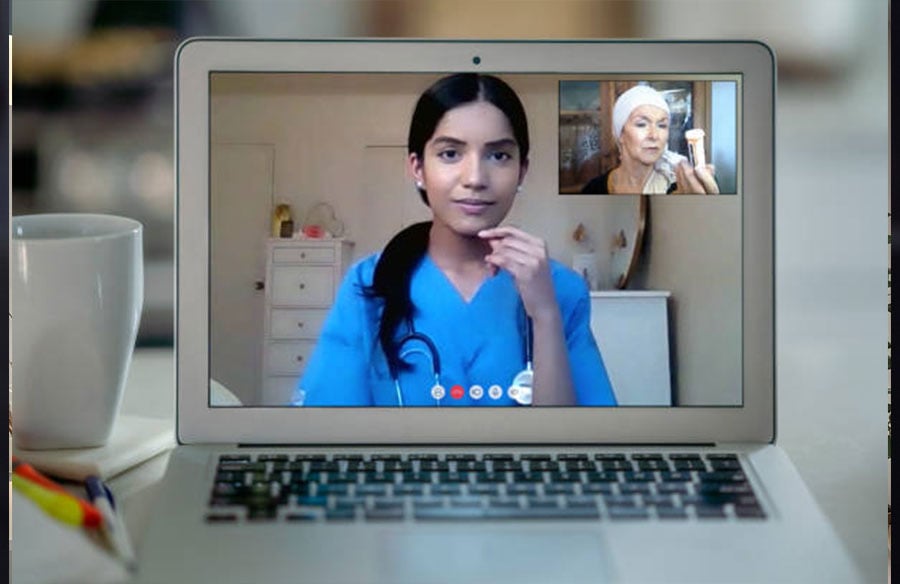
Human virtual assistants in healthcare are no longer a luxury; they’ve become essential team members for clinics and practices. They are becoming mission-critical clinics, practices, and healthcare providers. They help streamline operations, reduce administrative burdens, and improve patient care. With these healthcare virtual assistants continuing into 2025 and beyond, we are about to witness the development of virtual assistant teams that deliver more personalized, reliable, and human-centered support than ever.
Why Healthcare Virtual Assistants Are Essential Today
So, what is motivating this change? The healthcare professionals are increasingly
- managing a heavy administrative weight
- charting
- timekeeping
- follow-ups
Meanwhile, patients now expect timely and well-organized communication, which skilled virtual assistants ensure by personally managing follow-ups and inquiries. HVAs are trained professionals who help manage administrative tasks efficiently, ensuring patients get timely support and providers have more time to focus on care. The demand for these assistants worldwide is increasing rapidly.
Key Trends Shaping Healthcare Virtual Assistants This Year
1. Proactive Administrative Support
Remote assistants can anticipate needs, help with scheduling, prepare reports, and ensure follow-ups happen on time.
2. Seamless Integration with EHR/EMR Systems
Healthcare assistants can handle patient communications, coordinate with clinicians, and help with note-taking and documentation, providing the personal touch and reliability that AI cannot replicate.
3. Seamless EHR/EMR Integration
Fragmented health systems have been one of the greatest challenges virtual assistants have faced. In the future, however, HVAs will be more closely linked to the electronic health record (EHR) systems.
4. Support for Remote Patient Monitoring
Virtual assistants can track patient progress, manage follow-ups, and coordinate care based on information from wearables or patient updates, ensuring continuous support and proactive care.
5. Security & Compliance
Privacy is not an addition; it is the principle. As healthcare virtual assistants become more involved in patient workflows, demand for HIPAA-compliant virtual assistants will grow exponentially. Support systems that help these assistants work securely, such as HIPAA-compliant communication tools, will become essential
Risks & Ethical Considerations for Healthcare Virtual Assistants
While the future is bright, it’s not without pitfalls:
- Privacy breaches: Even with HIPAA‑compliant tools, weak implementation or mismanagement can expose patient data.
- Over-reliance on automated tools can make care feel impersonal, which highlights the irreplaceable role of human virtual assistants in delivering empathetic, personalized support.
- Liability concerns: When an assistant makes a recommendation or documents something incorrectly, who is accountable? That’s a question healthcare systems will need to address carefully.
- Digital divide: Not every patient has access to wearables, smartphones, or a stable internet connection; we must ensure HVAs don’t favor only tech-savvy populations.
- Any software used by healthcare assistants should be reviewed carefully to ensure it supports fair, accurate, and unbiased patient communication
Emerging Innovations to Enhance Human Healthcare Assistants’ Work
Looking beyond 2025, several exciting innovations could shape the next wave of HVAs:
- Enhanced mobile and secure communication tools will empower healthcare virtual assistants to manage patient care efficiently without replacing the human touch.
- AR/VR tools may eventually help virtual assistants guide patients through education or treatment steps in more engaging ways.
- Virtual assistants who coordinate administrative tasks and guide patients through the entire care journey, connecting them to resources, scheduling follow-ups, and advocating for their needs.
Conclusion
The future of HVAs is not just more automation. It’s smarter, more empathetic, and deeply secure. It’s healthcare virtual assistant teams working together. It’s proactive care, not just reactive responses.
If you’re a healthcare provider looking ahead, now is a great time to evaluate and adopt the virtual assistant models that will define care in 2025 and beyond.