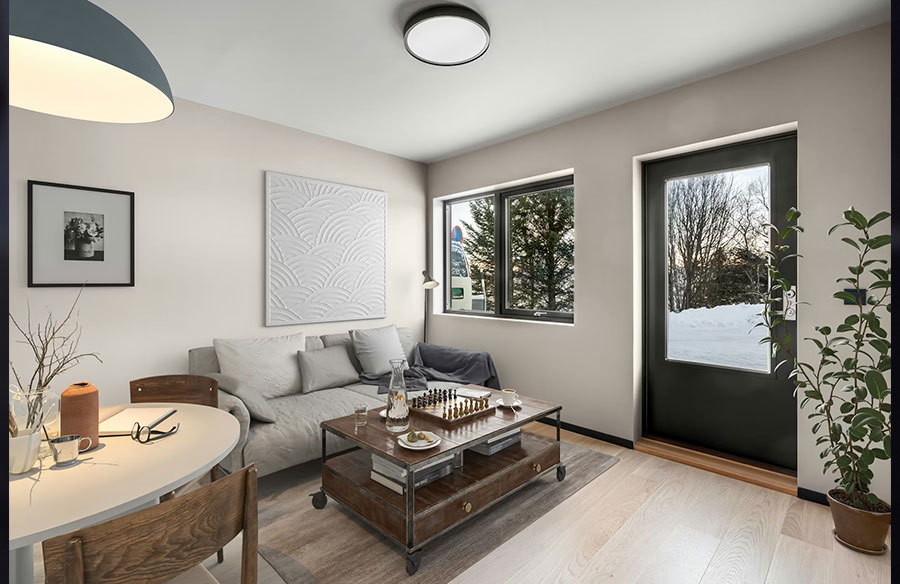
There’s something magical about coming home to a cozy space when it’s freezing outside. But here’s the thing – creating that warm, inviting atmosphere doesn’t require a whole house renovation or emptying your savings account. With some strategic upgrades and a bit of creativity, you can transform your home into a winter sanctuary that feels both luxurious and comfortable.
Start With the Foundation: Insulation and Draft-Proofing
Before you dive into the aesthetic stuff, let’s talk about the practical side. The warmest-looking room won’t feel cozy if cold air is sneaking in through every crack.
Seal Those Sneaky Air Leaks
Walk around your home with a lit candle or incense stick on a windy day. Wherever the smoke wavers, you’ve found a draft. Common culprits include:
- Window frames and sills
- Door thresholds and weatherstripping
- Electrical outlets on exterior walls
- Baseboards along outside walls
- Attic access points
A few tubes of caulk and some weatherstripping tape from the hardware store (we’re talking $30-50 total) can make a massive difference. I’ve seen homes drop their heating bills by 10-15% just from proper sealing.
Smart Window Solutions
Windows are the weakest link in your home’s thermal envelope. Thermal curtains or cellular shades can reduce heat loss by up to 25%. Look for curtains with a white backing – that reflective layer helps bounce heat back into your room.
Budget hack: Even hanging a heavy blanket over problem windows during the coldest nights helps. Not the prettiest solution, but it works.
Layer Your Lighting for Instant Warmth
Lighting completely transforms how a space feels, and it’s one of the most cost-effective changes you can make.
The secret? Think in layers. Overhead lighting alone creates a cold, institutional vibe. Add table lamps, floor lamps, and string lights for depth and warmth.
Swap out your bulbs for “warm white” LEDs (look for 2700-3000K on the package). The difference is dramatic – one feels like a hospital, the other feels like home. LEDs cost more upfront, but they’ll last for years and barely register on your electric bill.
Textiles: Your Secret Weapon
If I had to pick one category that delivers the most coziness per dollar spent, it’s textiles.
The Rug Situation
A good area rug doesn’t just look nice – it actually insulates your floor. On hardwood or tile, a thick rug can make a room feel several degrees warmer. You don’t need an expensive Persian rug either. I’ve found gorgeous options at discount stores for under $150.
Pro tip: Layer a smaller, decorative rug over a larger, cheaper jute rug. Designer look without the designer price.
Pile On the Soft Stuff
Throw blankets and pillows are the fastest way to make a space inviting. Hit up end-of-season sales or thrift stores. Aim for varied textures – chunky knits, faux fur, velvet, linen. The mix is what makes it interesting.
Working With Professionals When It Makes Sense
While most of these upgrades are DIY-friendly, sometimes it pays to bring in the experts. If you’re dealing with anything involving your heating system, electrical work, or structural concerns, that’s when you want a reliable contractor like Mbremodels on your side. They can assess whether that cold room is a simple fix or indicates a bigger issue. Sometimes spending a bit on professional insight saves you from expensive mistakes down the road.
Create Zones of Warmth
You don’t need to heat your entire house to 75 degrees to feel comfortable. Instead, create cozy zones where you actually spend time.
Set up a reading nook with a comfortable chair, good lamp, and soft throw. Arrange your living room furniture to create an intimate conversation area. Use bookcases or screens to section off spaces and trap warmth where you need it.
Strategic Heating Hacks
Space heaters get a bad rap, but modern ones are safe and efficient when used properly. A small heater in your home office or bathroom can let you turn down the whole-house thermostat while keeping your immediate space comfortable.
Also, don’t underestimate the power of closing doors to unused rooms and closing vents in spaces you don’t occupy regularly. Why heat the guest room all winter?
Bring Nature Inside
Nothing makes a space feel more alive and welcoming than living things. Hardy houseplants like pothos, snake plants, or ZZ plants thrive in winter conditions and require minimal care. Even a few plants make your home feel fresh and vibrant. Plus, they improve air quality.
Fresh or dried flowers also work magic. A $10 bouquet from the grocery store, properly arranged, can elevate a whole room. In winter, branches with berries or evergreen clippings cost nothing and look stunning.
The Power of Scent
Our sense of smell is directly linked to emotion and memory. The right scents can make your home feel instantly warmer.
Here are the most effective winter scents:
- Cinnamon and clove (classic for a reason)
- Vanilla and amber (sweet and comforting)
- Cedar and pine (brings the outdoors in)
- Orange and cardamom (bright and spicy)
- Sandalwood and patchouli (earthy and grounding)
Skip chemical air fresheners. Instead, simmer orange peels with cinnamon sticks on the stove, use essential oil diffusers, or bake cookies. Your home will smell amazing without that artificial undertone.
Don’t Forget the Little Things
Sometimes it’s the smallest touches that make the biggest difference. Fresh soap in the bathroom. A basket of rolled towels. Candles on the coffee table. Books stacked artfully. A tray with tea supplies ready to go.
These details say “someone cares about this space” and that care is what makes a house feel like a home.
Final Thoughts
Creating a warm, inviting home for winter doesn’t require a huge budget or massive renovation. It’s about layering small improvements – better insulation, thoughtful lighting, cozy textiles, and personal touches – until your space feels exactly how you want it to feel.
Start with what bothers you most. Is it that drafty window? The harsh lighting? The cold floor in the morning? Fix that first, then move on to the next thing. Before you know it, you’ll have created a space that you never want to leave – which is exactly the point when it’s cold outside.