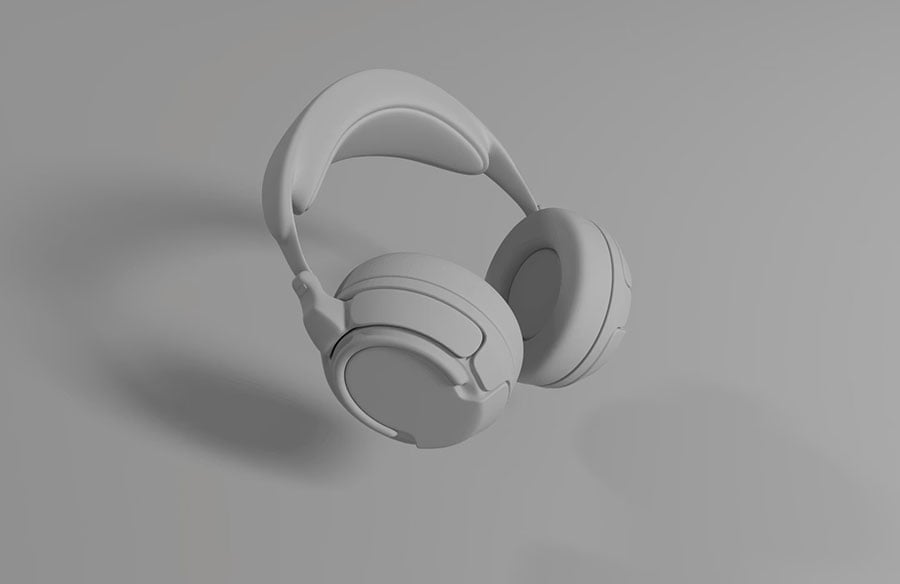
In today’s increasingly competitive online retail landscape, providing customers with an exceptional shopping experience has become essential. The key to standing out? High-quality 3D product visualization. Buy 3D models from specialized marketplaces that offer professionally created assets, and you’ll unlock opportunities to transform your e-commerce business dramatically. Among the most reliable platforms available today is 3DExport, a marketplace that has been serving the creative community since 2004 and now stands as one of the world’s largest providers of high-quality 3D content.
Why 3D Product Visualization Matters More Than Ever
The e-commerce landscape has fundamentally changed. Static product images simply don’t cut it anymore. According to recent research from 2025, customers expect more than just descriptions and photos—they want immersive, interactive experiences that replicate in-store shopping from the comfort of their homes.
The numbers speak for themselves. Studies show that businesses using 3D visualization experience up to a 94% increase in conversion rates compared to traditional 2D imagery. Even more impressive, when companies add 3D product visualization to their websites, they see conversion increases of up to 250% when combined with 360-degree rotation capabilities. These aren’t marginal improvements—they’re game-changing statistics that directly impact your bottom line.
Beyond conversions, 3D visualization dramatically reduces product returns. Shopify research indicates that companies implementing 3D visualization see a 40% decrease in return rates. This happens because customers can examine products from every angle, understand materials and dimensions clearly, and make more informed purchasing decisions before completing their purchase.
The Current State of 3D Visualization in E-Commerce
As we navigate 2025, the 3D visualization market continues its explosive growth trajectory. The market is projected to expand by 30% between 2024 and 2031, while global e-commerce sales are expected to reach 8 trillion dollars by 2027—growing by 39% in that timeframe. This expansion indicates that 3D product visualization isn’t a passing trend; it’s becoming the standard expectation for modern online shopping experiences.
The adoption is particularly strong in specific industries. Fashion retailers, furniture companies, and luxury brands have been early adopters, and their success has inspired others to follow suit. Major brands like IKEA, Nike, Sephora, and Wayfair have integrated 3D and augmented reality visualization into their platforms, allowing customers to virtually try on products, see furniture in their homes, or customize items in real-time.
Where to Find Quality 3D Models for Your E-Commerce Store
For e-commerce businesses looking to implement 3D product visualization, sourcing the right 3D models is crucial. While some companies invest in custom modeling—which can be time-consuming and expensive—many successful retailers turn to established 3D model marketplaces where they can find pre-made assets across virtually every product category.
The Advantages of Using a Marketplace Approach
Purchasing pre-made 3D models from a reputable marketplace offers several significant advantages:
Cost-Effective Solution: Creating custom 3D models from scratch can cost thousands of dollars per product. Marketplace models provide a budget-friendly alternative that doesn’t compromise on quality.
Time Efficiency: Instead of waiting weeks for custom modeling, you can find, purchase, and implement models within days, allowing you to launch your 3D commerce initiatives quickly.
Variety and Selection: Quality marketplaces offer thousands of models across different categories, styles, and industries, giving you options that match your specific product requirements.
Professional Quality: Established marketplaces maintain quality standards and host models created by experienced 3D artists, ensuring photorealistic results.
Flexibility: Many models come in multiple formats (FBX, OBJ, 3DS, MAX, BLEND) and can be customized to match your specific colors, materials, and branding requirements.
 3DExport: A Trusted Marketplace for 3D Models
Since its launch in February 2004, 3DExport has built an impressive reputation as a reliable source for 3D models, textures, plugins, and digital print-ready files. Operating from San Jose, California, the platform has evolved to become one of the world’s largest providers of high-quality 3D content.
What Makes 3DExport Stand Out
Extensive Catalog: With millions of models available, 3DExport covers virtually every industry and product category imaginable—from furniture and home decor to automotive parts, fashion accessories, and architectural elements.
Quality Control: The marketplace maintains rigorous standards for models listed on the platform. This means you’re purchasing assets created by professional artists who understand the requirements for commercial use.
Royalty-Free License: Models purchased on 3DExport come with royalty-free licenses, allowing you to use them in your commercial projects without ongoing licensing fees or complications.
Multiple File Formats: Whether you need FBX for game engines, OBJ for general use, or other specialized formats, 3DExport provides options that work with your existing workflow and software.
Competitive Pricing: The marketplace offers models at various price points, making it accessible for both large enterprises and small e-commerce businesses with budget constraints.
Customer Support: 3DExport is known for responsive customer support. If you encounter issues with a model or need assistance, their team responds promptly and helps resolve problems quickly.
Loyalty Program: The platform maintains an active loyalty program that rewards regular purchasers with credits and cashback, making it increasingly cost-effective the more you buy.
How to Choose the Right 3D Models for Your E-Commerce Store
Not all 3D models are created equal, and not every model will work perfectly for your specific e-commerce needs. Here are key considerations when selecting models for your online store:
Resolution and Polygon Count
For web-based visualization, you need models optimized for real-time rendering. Models with too many polygons will cause slow loading times on customer devices. Look for models specifically optimized for web use or e-commerce applications.
Texture Quality
The textures applied to a 3D model determine how realistic and professional it looks. High-resolution, physically-based rendering (PBR) textures will ensure your products look their absolute best under various lighting conditions.
Format Compatibility
Ensure the model format is compatible with your visualization platform. Different e-commerce solutions support different file types, so verify compatibility before purchasing.
Customization Potential
Choose models that allow easy customization of colors, materials, and other properties. This flexibility is crucial if you sell the same product in multiple variations (different colors, sizes, materials, etc.).
Model Completeness
Verify that the model includes all necessary components. For products like furniture, ensure drawers can be opened or components can be separated if needed for proper visualization.
Industry Applications and Success Stories
The impact of 3D product visualization extends across multiple industries:
Furniture and Home Decor: Retailers like IKEA use AR and 3D visualization to let customers place virtual furniture in their homes, significantly increasing purchase confidence and reducing returns.
Fashion and Accessories: Brands have seen dramatic improvements in engagement when customers can rotate clothing items, zoom in on fabric details, and view multiple color options in 3D.
Automotive: Online car marketplaces and dealership websites use interactive 3D models to let potential buyers explore vehicles from every angle, reducing the need for showroom visits.
Beauty and Cosmetics: Sephora’s Virtual Artist uses AR with 3D models to allow customers to try makeup digitally, driving both engagement and sales.
Electronics: Technology retailers use 3D models to showcase product features, ports, and design elements that might not be apparent in traditional photos.
 Current Market Data and Trends for 2025
The 3D model marketplace itself is booming. The global 3D models market is valued at approximately 1.43 billion USD in 2025, with projections to reach 3.73 billion by 2034, growing at a compound annual growth rate (CAGR) of 11.2%. This growth is driven by adoption in gaming (35% of applications), film and television (20%), and retail/e-commerce (15%), with over 45% of tech startups now integrating 3D models into their product development strategies.
Educational and engineering adoption of 3D models has also skyrocketed. FBX file usage, which has become the industry standard, has seen adoption increase by over 120% from 2018 to 2023, now included in more than 80% of U.S. engineering and architecture programs.
Getting Started with 3D Product Visualization
If you’re ready to implement 3D product visualization in your e-commerce store, here’s a practical approach:
Start Small: Begin by implementing 3D visualization for your best-selling or most visually complex products rather than trying to convert your entire catalog immediately.
Choose the Right Platform: Select e-commerce software that supports 3D visualization. Shopify, WooCommerce, and Magento all offer integrations and plugins that facilitate 3D product display.
Source Your Models: Browse marketplaces like 3DExport to find models that match your product specifications. Take advantage of search filters and categories to narrow down options quickly.
Test and Optimize: After implementing 3D visualization, monitor customer engagement metrics. Track which products generate the most 3D interactions and adjust your strategy accordingly.
Expand Gradually: As you see positive results in conversion rates and customer engagement, expand your 3D visualization implementation to more products.
Consider AR Integration: Once you have 3D models in place, augmented reality capabilities can be added, allowing customers to visualize products in their own spaces—a feature that dramatically boosts purchase confidence.
The Future of 3D E-Commerce
Looking ahead, experts predict continued innovation in 3D visualization technologies. AI-powered personalization will deliver tailored shopping experiences based on customer behavior and preferences. Mobile and wearable device compatibility will make 3D and AR interactions more accessible to on-the-go shoppers. Cross-platform experiences will enable seamless transitions from smartphones to tablets to VR headsets, making 3D shopping even more convenient.
The convergence of 3D visualization, artificial intelligence, and augmented reality is creating a new generation of e-commerce experiences that were unimaginable just a few years ago.
Conclusion
In the competitive world of e-commerce, providing customers with interactive, immersive shopping experiences has moved from being a luxury to being a necessity. 3D product visualization delivers measurable results: higher conversion rates, reduced returns, increased customer engagement, and improved brand perception.
The key to success is sourcing high-quality 3D models from reliable marketplaces that understand the unique requirements of e-commerce applications. With its extensive catalog, quality standards, competitive pricing, and responsive customer support, 3dexport stands out as a premier destination for e-commerce businesses looking to elevate their product visualization strategy.
Whether you’re a small online retailer just beginning your 3D commerce journey or an established brand looking to expand your visualization offerings, the tools and resources you need are available today. The question isn’t whether to implement 3D product visualization—the data makes it clear that you should. The real question is: when will you start?
Start exploring high-quality 3D models today and experience firsthand how this technology can transform your e-commerce business.