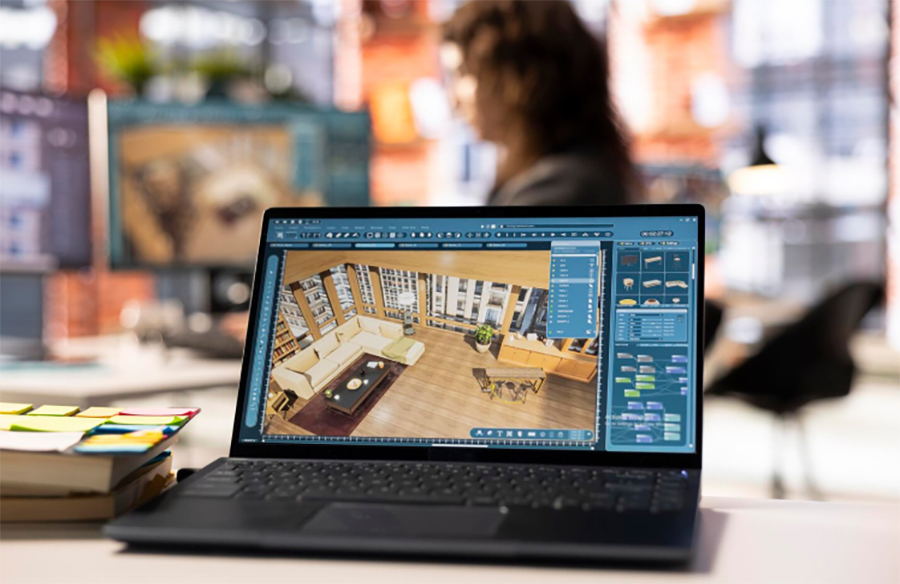
The interior design industry is undergoing a significant transformation, increasingly driven by sophisticated chatbots for interior design. These tools now function as essential partners by streamlining operational processes and augmenting creative development.
They capably manage routine duties, which liberates designers to concentrate on their essential competencies. Designers can therefore dedicate their efforts to crafting spaces that are aesthetically pleasing, highly functional, and deeply personal.
The New Front Door: 24/7 Client Engagement and Qualification
Companies are building AI chatbots to serve as the first point of contact for many interior design firms. This digital assistant, available on websites and social media, engages prospective clients immediately.
The system is accessible 24 hours a day. It captures inquiries from clients browsing for ideas late at night or during a short break. This constant availability ensures that no potential project goes unanswered.
A well-designed chatbot conducts this crucial initial interaction for lead qualification. It performs a preliminary consultation through targeted questions:
- “What room are you looking to design?”
- “What is your preferred style: Modern, Bohemian, Industrial, Scandinavian?”
- “What is your approximate budget range?”
- “What is your project timeline?”
- “What is the primary function of the space?”
This information gathering allows the chatbot to instantly qualify the lead. It can then schedule an appointment with a suitably specialized human designer. The system can even pre-populate a client profile.
This entire process saves designers countless hours. It effectively filters out unqualified leads. Consequently, the first meetings with clients are both productive and thoroughly informed from the very beginning.
From Vague Ideas to Visual Concepts: The AI Co-Designer
 A primary challenge in interior design is converting a client’s vague desires into a concrete visual concept. AI chatbots are revolutionizing this creative process.
Integrated with generative AI, these systems let clients interact conversationally to produce mood boards and concept art. For example, a client can upload a room image and issue commands:
- “Show me this living room with a mid-century modern sofa and a large, leafy plant in the corner.”
- “Redo this bedroom in a coastal style with light blue walls and white linen bedding.”
- “What would this space look like with hardwood floors instead of carpet?”
The AI produces multiple photorealistic options within seconds. This creates a visual starting point that once required days of manual work.
The process helps clients clarify their preferences, and it enables designers to grasp the client’s vision more rapidly. This collaboration builds a stronger creative foundation for the entire project.
Hyper-Personalized Product Curation
The home furnishings market presents a vast and overwhelming array of choices. Manually sifting through thousands of items is a time-consuming task. AI chatbots address this through personalization.
These systems learn a client’s style, budget, and functional requirements to act as an intelligent assistant. An integrated product database enables the chatbot to:
- Recommend furniture matching aesthetic and spatial needs.
- Suggest complementary pieces for cohesive styling.
- Alert users to sales and stock availability.
- Generate organized shopping lists by room and priority.
CHI Software, experts in advanced AI and chatbot development, create personalized recommendation systems that integrate with design platforms and product databases. Their AI solutions use machine learning to study user behavior and generate highly accurate product suggestions.
This capability provides clients with highly relevant options, enhancing their experience. It also dramatically reduces the research burden on designers, which frees them for spatial planning and custom design work.
Leading AI Interior Design Tools
AI is revolutionizing interior design services with a chatbot that simplifies communication, automates tasks, and creates stunning visuals.
Key platforms include:
| Platform | Key Function |
| InteriorAI | Generates new design styles and layouts from uploaded photos. |
| Planner 5D | Enables interactive 2D/3D planning and visualization. |
| Midjourney | Creates photorealistic interior visuals from text prompts. |
| Fotor AI Interior Designer | Provides instant style simulations to compare materials and furniture. |
AI Chatbots in Project Management and Communication
AI chatbots function as a central hub for project management and communication. They manage the complex web of decisions, orders, and installations inherent to interior design.
Clients obtain status updates by asking the bot direct questions. The bot then pulls real-time data from relevant software to deliver instant answers, so the designer does not stop creative work to check.
The system also automates reminders for payments, deadlines, and appointments to maintain the project trajectory. A log of all client interactions creates a searchable history. Team members reference this log, which ensures continuity and clarity.
The Inevitable Question: Will AI Replace Interior Designers?
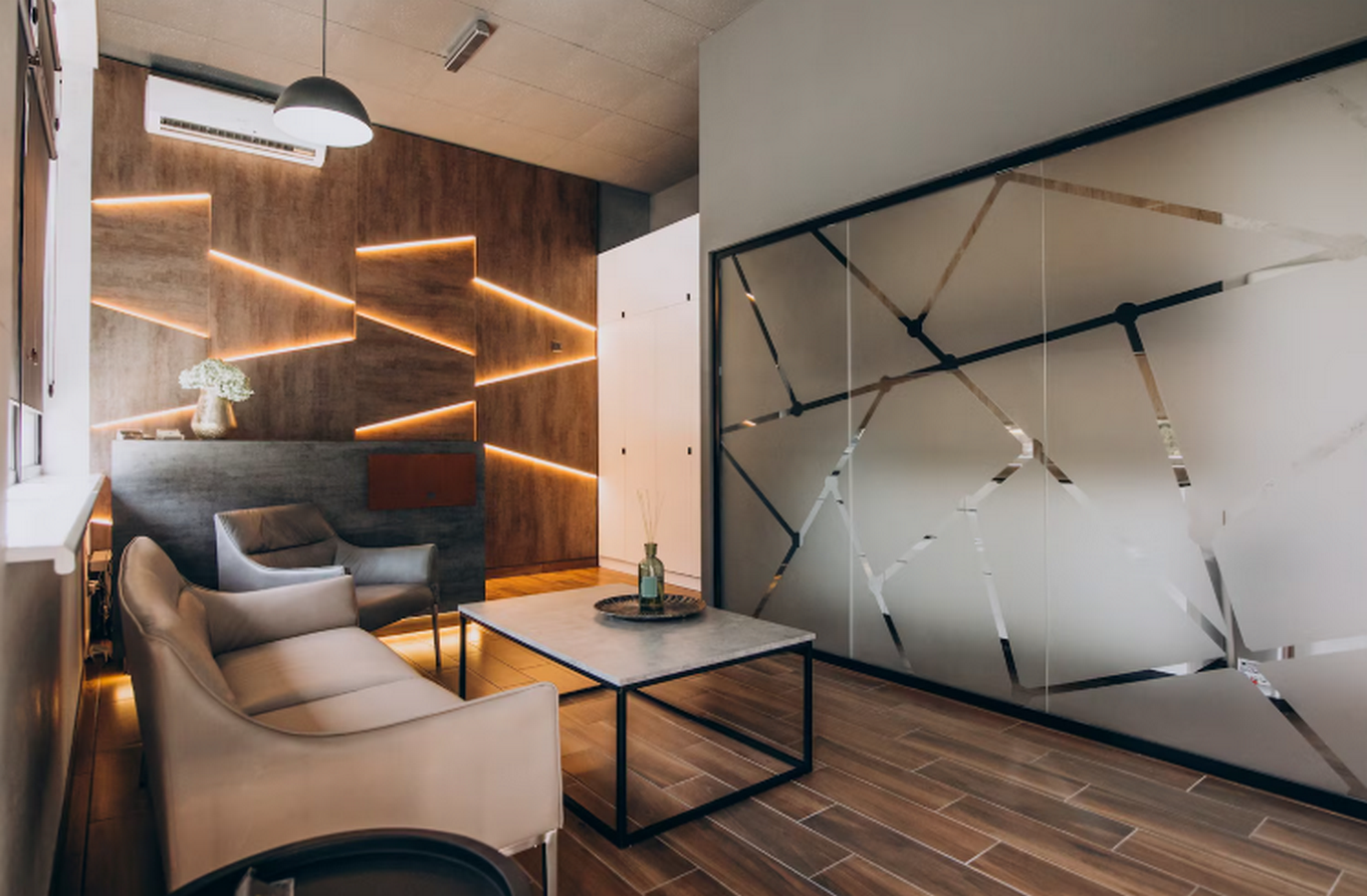 Interior designers face no replacement by AI. The technology is deficient in key human areas, including a nuanced understanding of emotion and the ability to read non-verbal cues. It possesses no creative intuition.
Furthermore, AI cannot physically feel fabric, understand a heirloom’s emotional weight, or handle complex interpersonal dynamics. A more constructive view characterizes these chatbots as functional co-pilots that manage repetitive, data-intensive, and time-consuming work.
Designers can now concentrate on expert domains:
- Narrative & strategy behind the concepts.
- Tactile selection of materials and finishes.
- Solving complex spatial and structural issues.
- Building strong client relationships.
This evolution transforms the designer’s role from a technical drafter and product researcher into a strategic creative director and client confidant.
Implementing AI in Your Design Practice
Design firms must implement AI technology through a strategic plan. The integration should follow a structured process:
- Define Your Goal: Target a key challenge like lead qualification or concept generation.
- Select the Right Tool: Match the AI to your needs, from simple chatbots to custom platforms.
- Keep it Human: Use AI as an assistant, with smooth handoffs for complex issues.
- Train Continuously: Refine the AI with feedback to align with your brand.
Conclusion
Companies that integrate an AI chatbot for interior design services gain efficiency and consistency in client interactions. Automating routine tasks allows designers to dedicate more time to innovation and project excellence.
Technology handles predictable operations, and humans supply creative and strategic expertise. Adopting this collaborative model is necessary for a modern and successful design practice.