Cities are changing fast. Digital tools and sensors are no longer experimental gadgets. They guide how streets evolve, how buses run, how we breathe cleaner air. The goal stays simple. Better life for people who call these places home.
Urban design now works hand in hand with data. Even software built for finance or real estate enters this field. Some platforms like STO development company help structure large digital infrastructure projects. Smart planning becomes more transparent. And residents end up seeing the value in everyday details.
 Data and Sensors Become the Invisible Backbone
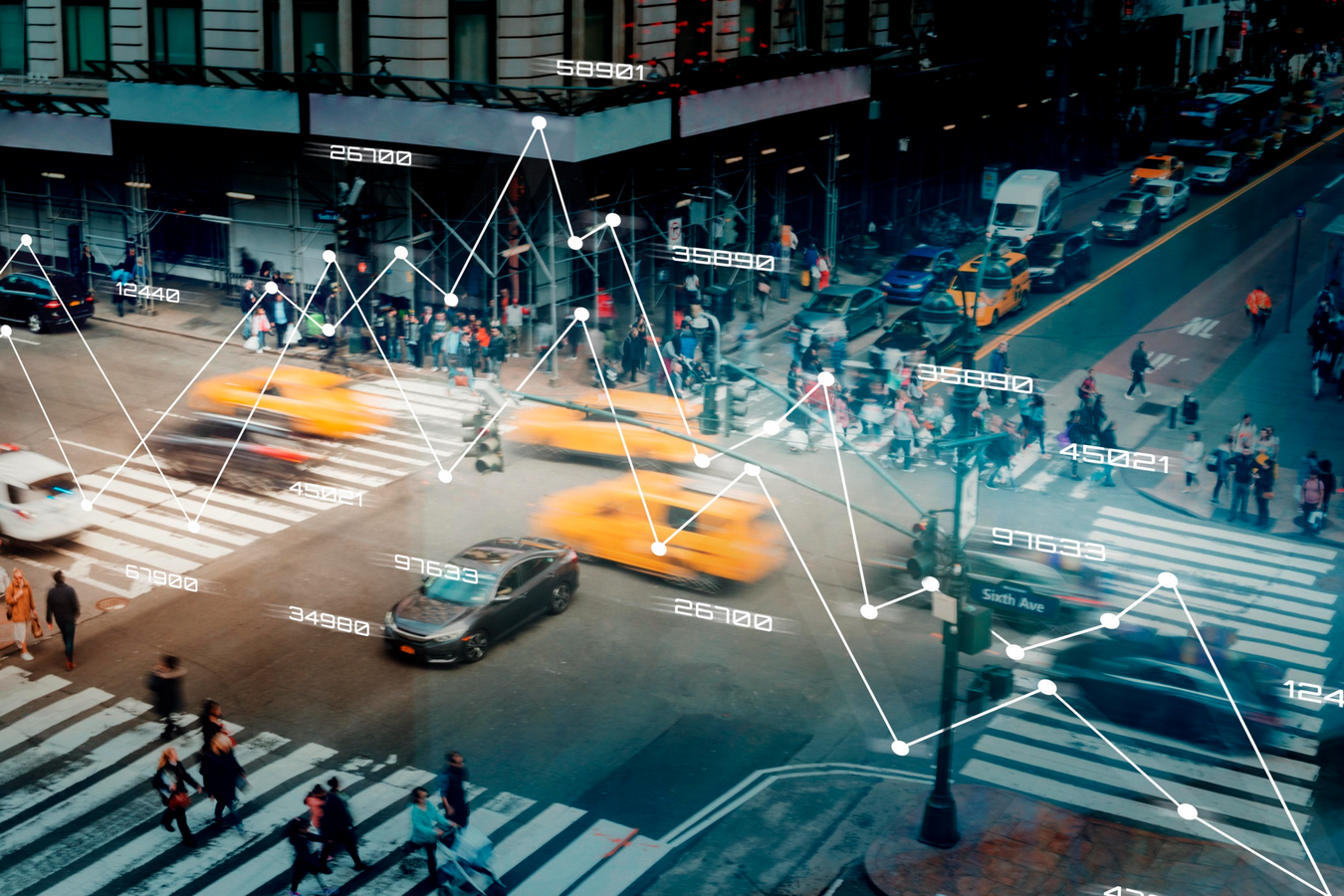
Sensors track traffic flow. Others watch air quality on busy avenues. Water systems adjust pressure to avoid waste. Streetlights brighten only when pedestrians approach. Decision making relies on real numbers, not rough guesses.
A few practical examples from different cities show how it works in real life. Barcelona fitted parking spots with sensors. Drivers find a free place faster. The result. Less idle traffic in the center. Singapore uses a city scale digital twin to simulate street demand before any bulldozer starts building a road. Copenhagen measures bike movement and syncs signals for cyclists. People notice. Travel gets smoother.
Urban tech teams describe it as a shift from reactive to predictive. The city learns. It spots patterns and fixes problems early.
Mobility Designed Around People
Traffic once dominated planning. Cars shaped the city map. Smart mobility flips this approach. Pedestrians and cyclists get priority. Trips become seamless. One app shows bus, tram or scooter options. The service idea has a name familiar to every planner. MaaS or Mobility as a Service.
Good mobility creates freedom. It cuts pollution because fewer engines sit in traffic. It also saves time. Numbers tell the story. Smart signals that adapt to traffic loads can reduce delays at intersections by up to 40 percent. Helsinki experiments with full MaaS integration. The city wants car ownership to feel unnecessary by 2030.
To keep movement comfortable, smart cities focus on real needs like
- safe, well lit pathways near transit stops;
- clear information about schedules and bike availability;
- public spaces where people enjoy walking instead of avoiding cars.
These small tweaks often change how a neighborhood feels more than a flashy megaproject.
Cleaner Air and Climate Responsibility
Pollution affects health and raises city heat. Smart solutions reduce that stress. LED lighting adjusts automatically. It can save around 50 percent of energy compared to old systems. Parks water themselves only when the ground is dry. Environmental sensors trigger alerts when emissions spike near schools.
Urban leaders add another idea to the mix. The 15 minute concept. Residents get daily essentials close to home. Groceries, schools, workplaces. No need for long commutes. Paris experiments with it widely. Shorter trips mean fewer cars. That helps reach climate goals faster.
Cities collect environmental data because it guides precise action. Solar panels move where sunshine gives the biggest return. Bus routes update when new districts grow. A smart city does not waste resources. It makes every kilowatt count.
Digital Platforms Bring the Public Inside
Residents want a voice. Smart platforms make it possible without endless paperwork. They log complaints, vote on minor upgrades, view spending stats. The process becomes open. People understand how decisions form.
Seoul built mVoting. Citizens take part in choices that shape their neighborhood. Millions of opinions recorded. Tallinn moved almost all municipal services online. That cut bureaucracy and saved about two percent of GDP every year. Efficiency works for everyone.
Services get easier to use when the design focuses on humans. No hidden tricks. Clarity first. Accessibility for different ages and abilities matters. Good UX in civic tech feels ordinary. That is the point. People handle things quickly and move on with their day.
Here is what digital participation usually supports
- fairness in how resources spread across districts;
- faster reaction to safety or utility issues;
- stronger trust between city officials and residents.
When citizens feel involved, cities grow more adaptable. Community becomes a core feature.
Planning With Empathy and Real Experience
Technology works quietly in the background. Streets remain the face of a city. Human centric design protects comfort and dignity. A bench in a shady spot. A ramp near a library entrance. Noise control in busy housing areas. These choices decide if a district becomes loved or ignored.
Smart cities use analytics to understand behavior. Where do people stop to talk. Which paths stay full during the evening. Urban space moves from theoretical drawings to living environment.
Every innovation helps the same mission. Make life pleasant and easy. Residents should feel the benefit without reading a report about it.
Smart city development continues to evolve through data. Yet the heart of the movement stays personal. Tech alone never defines a place. The people using it do.