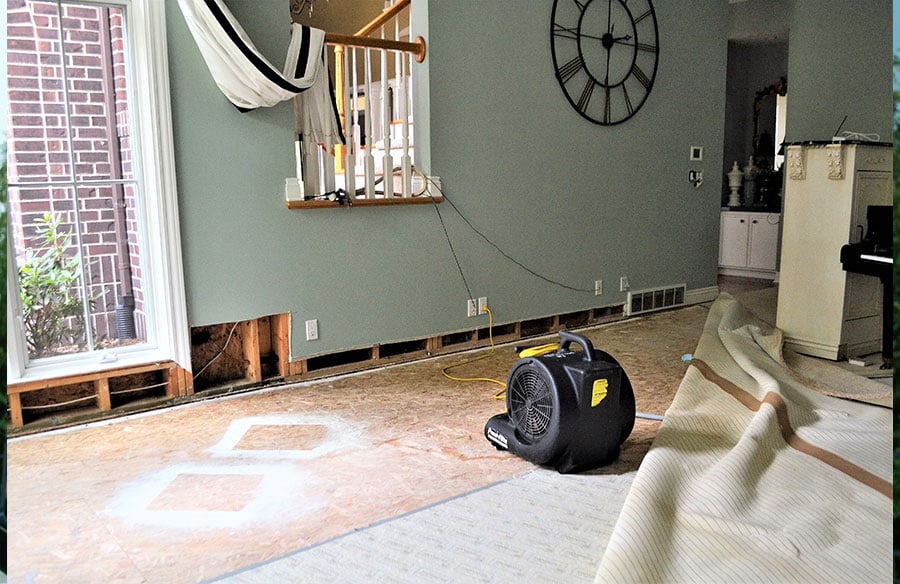
Flooding inside the home creates a massive chain reaction of problems that extend far beyond wet flooring. It affects structure, air quality, finishes, and the feeling of safety inside the space. When carpets are involved, the challenge is even more delicate since textile flooring absorbs water quickly and holds it longer than most other materials. Understanding how to approach recovery gives homeowners and designers a clearer path toward a safe and fully restored interior.
Managing the situation involves understanding how the entire room behaves when exposed to water, how the structure responds, and which decisions will make the space healthier and more resilient in the long term.
Why Immediate Action Matters
Carpet fibres trap water deep within their weave, and under-lays tend to hold moisture even longer. After about twenty-four to forty-eight hours, this damp environment becomes suitable for mould growth. Once mould takes hold, restoration becomes more complex, and in some cases, total replacement becomes the only safe option.
From an architectural standpoint, moisture that seeps into sub-floors, joinery, plasterboard and timber framing can compromise the stability of these materials. Even concrete slabs, although seemingly resilient, can trap moisture that later causes odour problems or adhesive failure should floor coverings be reinstalled too early.
Acting quickly limits damage, reduces restoration costs, and maintains the integrity of both structure and surface finishes.
Making the Space Safe Before Work Begins
Before any extraction begins, safety takes priority. Turn off electrical circuits supplying affected rooms, especially if water has reached outlets or skirting-level switches.
Move furniture, textiles and soft furnishings out of the room to prevent further absorption. Items that can be salvaged should be placed in a dry, ventilated area. Timber furniture legs may need protective barriers placed underneath them if there is lingering dampness, as capillary action can draw moisture upward into natural wood.
Extracting Standing Water
The first major step is removing as much water as possible from the carpet. This process involves several methods depending on the severity:
- For shallow flooding, wet/dry vacuums can remove surface moisture effectively.
- For deeper saturation, high-capacity pumps or professional water extraction machines are often required.
- Dragging squeegees across the carpet can help push water toward a collection area while protecting pile direction.
This stage is labour-intensive but crucial. Faster extraction means less structural saturation and a lower risk of long-term odours.
Removing Under-lays and Inspecting Sub-floors
Once surface water is removed, lift the carpet edges to inspect the condition beneath. In many cases, under-lays must be removed because they trap water and can become soft, crumbly or odorous. They are rarely salvageable after a major flood.
With the carpet lifted, evaluate the sub-floor:
- Timber floors may cup or warp from moisture and require controlled drying.
- Concrete floors need time to return to acceptable moisture levels before any flooring can be reinstalled.
- Suspended floors may benefit from air circulation beneath; check vents and remove obstructions.
Monitoring moisture is not guesswork. A simple moisture metre provides readings that determine whether a surface is genuinely dry or simply feels dry on top.
Promoting Thorough and Even Drying
Flood recovery succeeds or fails based on drying efficiency. Fans alone are rarely enough; instead, a combination of air-movers and dehumidifiers works best. Position air-movers so that they direct airflow across the carpet surface and underneath the lifted sections, not directly downward. Too much downward force can cause rippling.
Dehumidifiers reduce the overall water vapour in the room, which accelerates evaporation from both carpet and structure. Keep windows mostly closed during this stage to maintain controlled humidity levels; ventilation has its place, but drying requires balance.
Continue drying until moisture readings reach safe thresholds. Installing carpet too early traps moisture and leads to hidden mould.
Cleaning and Treating the Carpet
Once dry, cleaning can begin. This step is often mistaken as the first priority, but cleaning wet carpet traps moisture. Only after proper drying should deep cleaning be performed.
Techniques include:
- Hot water extraction, which rinses fibres and removes embedded dirt.
- Low-moisture encapsulation cleaning, ideal for delicate materials.
- Antimicrobial treatments, applied sparingly and according to manufacturer instructions.
If the texture or smell remains unpleasant, replacement may be more practical.
A detailed cleaning process also helps maintain indoor air quality. Flood odours can linger for weeks if contaminants remain, especially in dense pile carpets.
Redesigning and Repairing the Space
Sometimes a flood becomes an opportunity to rethink the interior. If carpet requires replacement, it may prompt broader design considerations. For example:
- Should high-risk areas receive a different flooring material, such as engineered timber, vinyl plank, or polished concrete?
- Would using moisture-resistant under-lays help prevent future damage?
- Could changing furniture arrangement improve airflow and reduce long-term damp issues?
- Are there design modifications, such as installing a threshold drain or improving guttering, that reduce future flood risk?
Architects often see floods as a moment to upgrade thermal, acoustic or waterproofing performance, not only restore what was lost.
When to Bring in Experts
Professional restoration teams use industrial extraction tools, thermal imaging, and moisture mapping to detect hidden pockets of water. Their processes are methodical and reduce the chance of future structural issues.
Homeowners searching for guidance often begin by looking up terms like how to clean flooded carpet, but full recovery involves far more than surface cleaning.
Professionals can also check for contaminants from stormwater, greywater or sewage intrusion, which can pose serious health risks. In such cases, carpets nearly always require replacement.
Final Thoughts
A flooded carpet is disruptive, but with a structured approach, most homes can be safely restored. The process demands patience, ventilation, drying, careful assessment, and sometimes a willingness to re-imagine the space. The right strategy protects both the performance of the room and the wellbeing of those living in it.