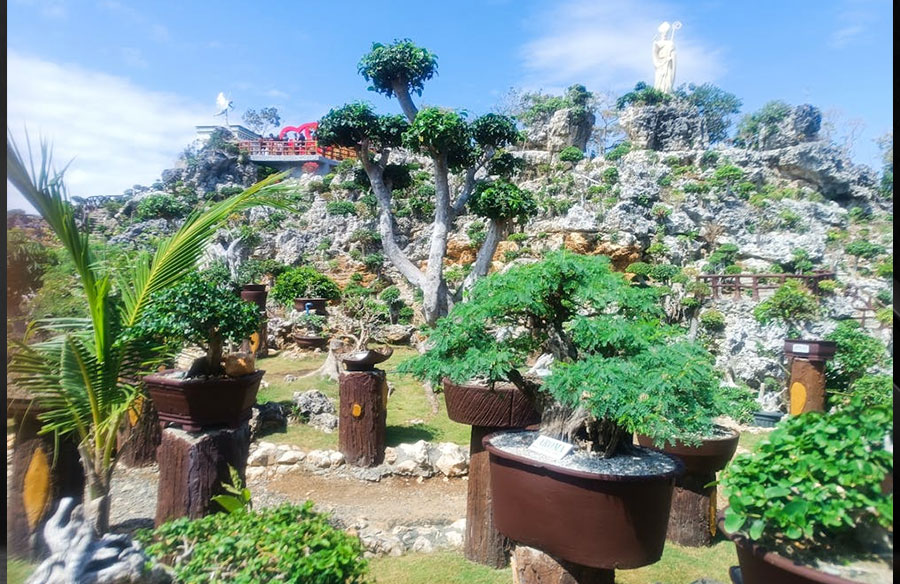
Designing pretty and practical drought-smart landscapes in hot locales might need clarity, precision, smart resource use, and a lot of ingenuity. It’s like how you can shape outdoor spaces that stay cool, conserve water, and welcome people even in extreme heat.
Here are some building methods you can mix, match, tweak, and combine with climate-aware blueprints.
Start with Smart Water Budgeting: Know Your Limits
Mother Nature might not be too forgiving, so you need to begin by building a water budget; estimate how much water your site realistically has (or should have). Actually, it’s now more accessible to use some tools like the EPA WaterSense Landscape Water Budget Tool to model your project’s expected evapotranspiration, rainfall, and irrigation requirements quite accurately.
You may group your planting into “hydrozones” — that means clustering high-water, moderate-water, and low-water plants separately so you can irrigate each sufficiently. Also, improve your soil first by mixing in organic matter so the ground will be like a sponge that seeps in water, holds moisture longer, and needs less supplemental watering.
Place Shade Strategically: Design for Comfort and Cooling
In scorching cities where sun bombards your design daily, like Phoenix or Las Vegas, shading is not optional — it’s extra vital for the species that makes up your aesthetics. You can also place shade trees or structural shading to shelter courtyards, plazas, or building facades, not just planters.
They’ll be your living or architectural elements that can help lower your area’s surface heat, reduce building cooling loads, and make your outdoor gathering spaces more usable even on very hot days.
Build the Base Right — and Know When Turf Works
When you design and make plazas, school yards, or multifamily courtyards, the structure beneath your planting matters significantly. You may need to use permeable paving or gravel, and layer in proper drainage, like a base assembly of crushed rock or sand, plus sub-drain systems, so you can make sure water percolates rather than runs off down the drain.
This is where the genius of providers like Big Bully Turf comes into play: when you need arid-climate turf systems. They’ve a well-engineered turf solution that’s more water-efficient than maintained natural lawns today. Unlike traditional grass, artificial turf needs almost no irrigation, and its occasional rinsing replaces deep watering like no other.
By integrating their turf over a drainage-optimized base, you combine drought resilience with the usability of a green lawn, specifically valuable for recreation zones in hot cities today.
Choose Climate-Friendly and Native Plantings
You can always opt for native or climate-adapted plants, even indoor ones that already thrive in places like Southern California, Arizona, and Nevada. Some hardy xerophyte types, like snake plants, California sagebrush, and agaves, can be quite aesthetically beautiful without sacrificing sustainability.
Just find those that need little more than rainfall once established and growing; add mulch to hold moisture, and group them according to their thriving needs. It’s a strategy that can cut your water use by about 50 to 70 percent.
Incentivize Smart Design, Monitor, and Maintain
When you present these drought-smart designs, you may offer tips and info that many cities now enjoy rebates or have turf buy-back perks. In Las Vegas alone, homeowners received between 0.40 and 1.00 dollars per square foot for their turf removal efforts. So, craft your long-term landscape care with competent techs and tools and add reliable monitoring devices for good measure.
Final Thought
Your landscape may not be that sparkly, but it can become a creation that shows how beauty and resilience can coexist even in the hottest of cities. When you pair your smarts with climate-ready plants, efficient systems, and thoughtful design, you craft spaces that stay inviting, save water, and support the long-term health needs of everyone.