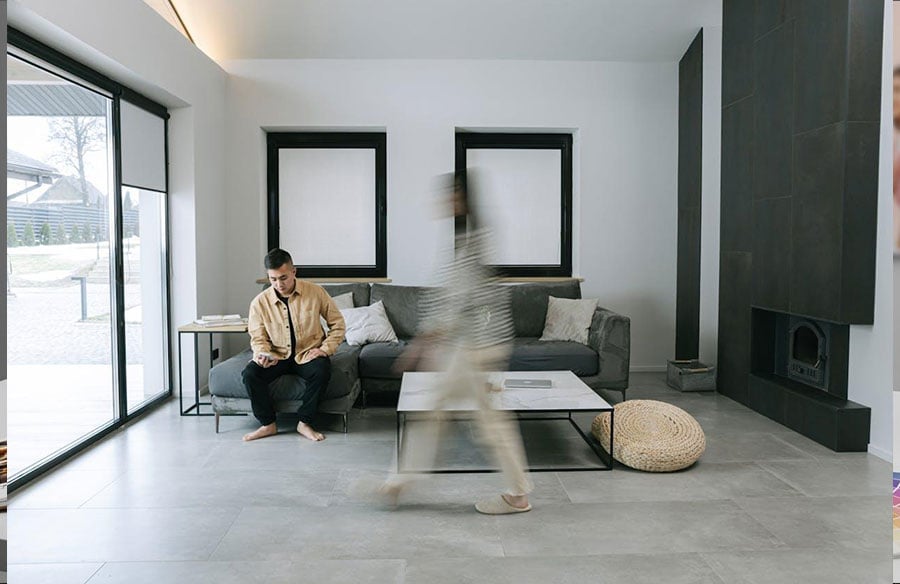
Are new apartments really safer than older buildings? Or do you sacrifice security and long-term durability for modern and arguably better (the last bit being debatable) aesthetic? It’s a fair question that many buyers wonder about. And the thing is, you can make a fair case both ways: many older structures were built with heavy masonry and thick timbers so they feel near-indestructible, while newer buildings benefit from modern engineering, stricter codes, and materials designed to reduce risk.
To put the debate to rest, it’s safe to say (no pun intended) that newer apartments are safer. Why? It comes down to two things: they incorporate tested safety systems from structure to systems, and codes have tightened over the last few decades, which they have to comply with.
Not yet convinced? We explain it all in more detail below.
Structural Thinking: Why Newer Often Wins
Engineers today design for performance under predictable loads like wind, snow, and seismic load, as well as for resilience against hazards like flooding. Older buildings were often built to “feel” strong because they relied on mass and traditional rules of thumb. This doesn’t mean they’re not realisticly strong, but the fact is, newer buildings follow stricter rules and codes.
Codes require attention to connections, continuity, and specific materials that reduce failure modes. You still get durable older buildings, but when you compare life-safety outcomes, the integration of modern standards and documented mitigation strategies gives newer apartments an edge, especially in multi-family projects where code compliance is non-negotiable. (If you work in design, you already know how much the input spec changes the outcome.)
Passive Protection: Compartmentalization And Rated Assemblies
Compartmentation, meaning primarily fire-rated walls and doors, remains the single most effective way to buy time during a fire. Modern apartments win this round, too, specify rated door assemblies, smoke control, and inspection schedules (NFPA requires fire door inspection after installation and at least annually), so you know exactly what you’re getting.
For you as a resident, that means corridors and stair cores have a greater chance of staying tenable long enough to escape or for firefighters to work. But to be sure, if you’re planning on buying or renting, ask about fire-door inspection records during a tour.
Materials That Resist Water, Rot And Loss
Flooding and water getting into a building often cause far more financial damage than people realize. But modern practice uses flood-damage-resistant materials below expected flood elevations, sealed penetrations, and design details that keep assemblies serviceable after a water event. Guidance from national agencies (and insurance programs) now documents material lists and detailing that significantly reduce post-flood repair costs and mold risk.
Specify these measures where your projects sit in flood-prone zones. And if you’re renting or buying in a flood-exposed area, verify how the building addresses ground-floor materials and where critical utilities sit.
Active Systems: Smarter Security, Real-Time Awareness
Secure locks and good lighting are the norm now (or at least should be), and newer builds go way beyond it. Smart access control, networked cameras, integrated alarms, log incidents, etc. are just some of the things modern buildings offer.
Camera and access technologies are now common in multi-dwelling units, and market analyses show continued growth in smart security investments. For residents, properly implemented systems protect deliveries, deter opportunistic theft, and give property managers data for faster responses.
But note: a poorly maintained camera system is almost worthless; maintenance and governance matter more than anything, so prioritize places that are clear on that front.
Architectural Choices That Reduce Exposure
Small architectural choices compound. Setbacks and raised entries reduce splash and entry of floodwater; mechanical rooms placed above base flood elevations protect essential services; stair enclosures and smoke control routes preserve egress under duress.
You can design balconies, service cores and utility routing to minimize vulnerable penetrations and to allow staged responses (isolate, ventilate, repair). These are practical, technical moves and your drawings should show how they tie to operational policies and emergency access.
When you tour, look beyond the finishes: ask where the mechanical rooms are, whether stair hatches are sealed, and whether balconies and penetrations are detailed to avoid leaks.
Does Insurance Still Matter? (Yes, Even With Great Design)
Design reduces the likelihood and severity of events, but it doesn’t eliminate risk. Human error, contractor shortcuts, extreme weather beyond design parameters, and theft still happen.
So, consider personal coverage. If you’re renting, renters insurance can do a lot for your peace of mind. Muller Insurance is a reputable choice; they provide tailored renters insurance options and explain what typical policies cover (contents, liability and additional living expenses) and what they usually exclude (floods, earthquakes unless added).
Checklist For Designers And Asset Managers
- Specify fire-rated doors and annual inspection cycles in procurement documents.
- Require flood-resistant finishes below expected water levels and detail utilities to be serviceable post-event.
- Integrate building-level access control and monitoring into the MEP/systems scope (not an aftermarket bolt-on).
- Place critical services above risk zones and show redundancy for pump/electrical systems. (This matters for insurance underwriting.)
- Document responsibilities: who inspects fire doors, who maintains cameras, how flood response works—make it auditable.
Checklist for a resident’s walkthrough
- See a building’s fire-door inspection plan and ask when doors were last tested.
- Check whether ground-floor finishes are flood-resistant and where utilities are placed.
- Confirm if access control is centrally managed and whether systems have service contracts.
- Ask the landlord or property manager for a copy of the emergency response plan and recent maintenance logs.