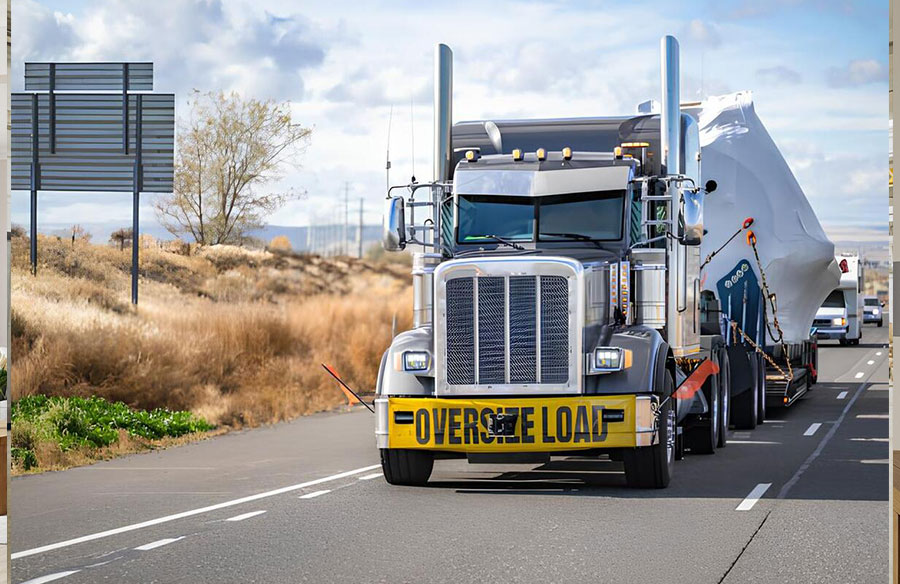
When Do You Need an Oversize Permit?
Transporting oversized and overweight loads is one of the most complex tasks in logistics. These operations require strict compliance with the rules established by transportation authorities, as violations may lead to fines or even accidents. The carrier must know when and how to get an oversize load permit to ensure legal and safe transportation.
What Is an Oversize Load
It is a cargo whose dimensions exceed the standard permissible limits set for vehicles on certain routes. Usually, this refers to the width, height, length, or weight of a vehicle with its load. In such cases, transportation is possible only with special oversize and overweight permits.
These documents confirm that the carrier has obtained the right to travel along specific routes and has coordinated the parameters with road authorities. Usually, companies try to get oversize load permits in advance to properly plan the transportation and eliminate possible risks.
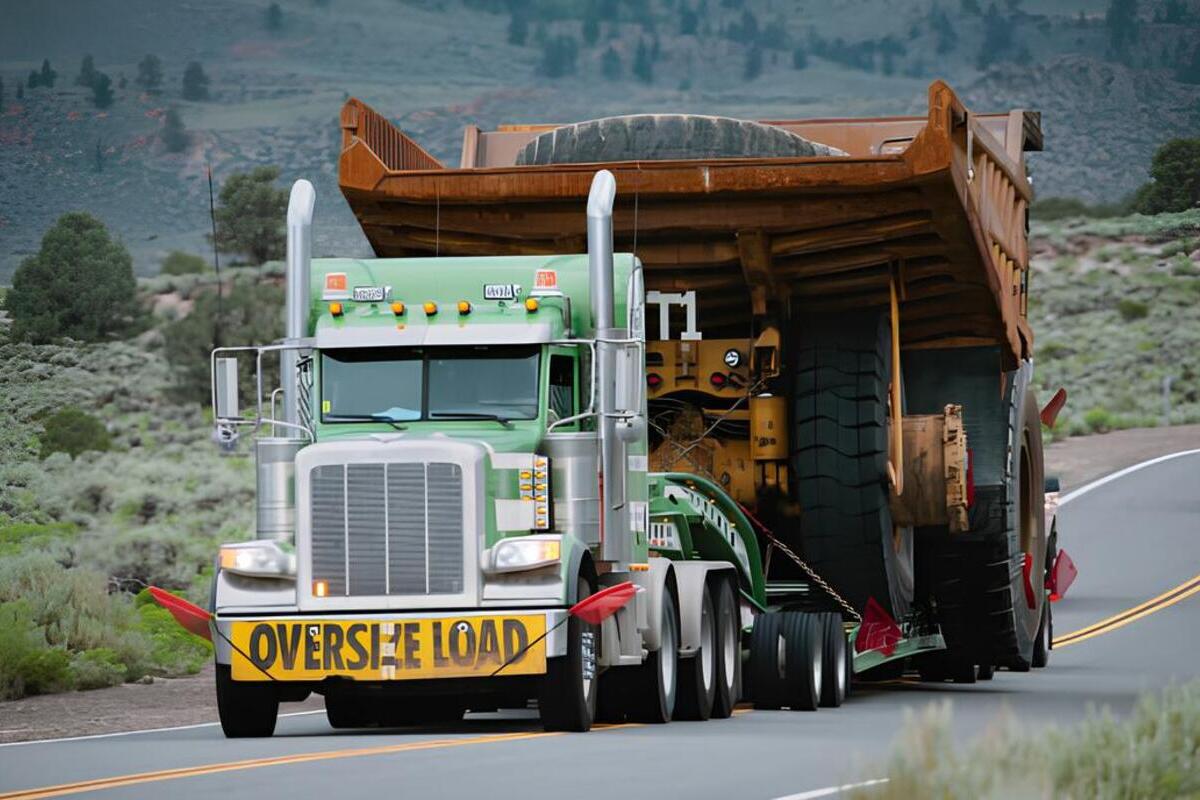 When a Special Document Is Required
It is necessary when the cargo parameters exceed the limits established by law:
- The width exceeds the standard 8.5 feet (about 2.6 m).
- The height is more than 13.5–14 feet (about 4.1–4.3 m), which may create a risk of collision with bridges and tunnels.
- The weight does not comply with standard federal or regional road limits.
An authorization is also required if the total length of the vehicle with the load exceeds the allowed 53 feet (about 16 m) for trailers or 75 feet (about 23 m) for truck combinations.
In such cases, without oversize truck permits or overweight truck permits, road movement will be illegal.
Types of Oversize/Overweight Permits
There are several types, each having its own conditions and restrictions:
- Single Trip – one-time transportation of a cargo along an approved route.
- Annual – regular trips along specific routes during the year.
- Non-Divisible Oversize Cargo – the cargo cannot be divided without loss of functionality or risk of damage.
The process of obtaining the authorization may take different amounts of time. Therefore, carriers should find out in advance how long does it take to get an oversize permit in order to minimize downtime and delays.
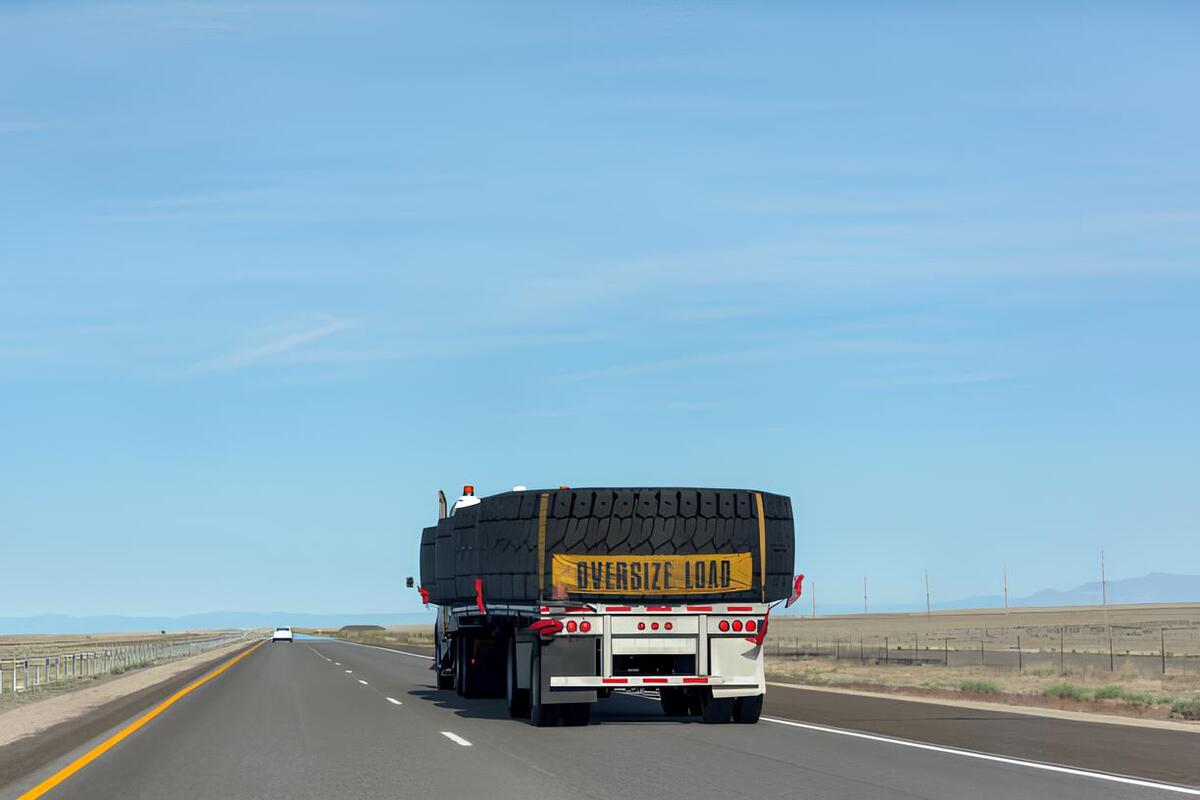 What’s Included in an Oversize Truck Permit
The authorization contains detailed information necessary for the legal transportation of oversized and overweight loads. It specifies the dimensions and weight of the vehicle, as well as the approved routes and time restrictions for movement (for example, prohibitions on night driving, weekends, or holidays).
In addition, the document includes special conditions such as the requirement for an escort vehicle or compliance with specific speed limits on certain road sections.
How to Get Oversize Permits for Your Loads
The process of obtaining the authorization includes several steps:
- Determine the exact dimensions and weight of the load.
- Choose the appropriate type of permit.
- Apply for oversize permit through official authorities.
- Pay the required fees.
- Receive the document in electronic or paper form.
Usually, the procedure takes from several hours to several days, depending on the complexity of the route and the characteristics of the cargo.
Many companies prefer to contact professional intermediaries who know how get permits for oversize loads faster and without mistakes. This is especially relevant for interstate transportation, where regulations may vary significantly.
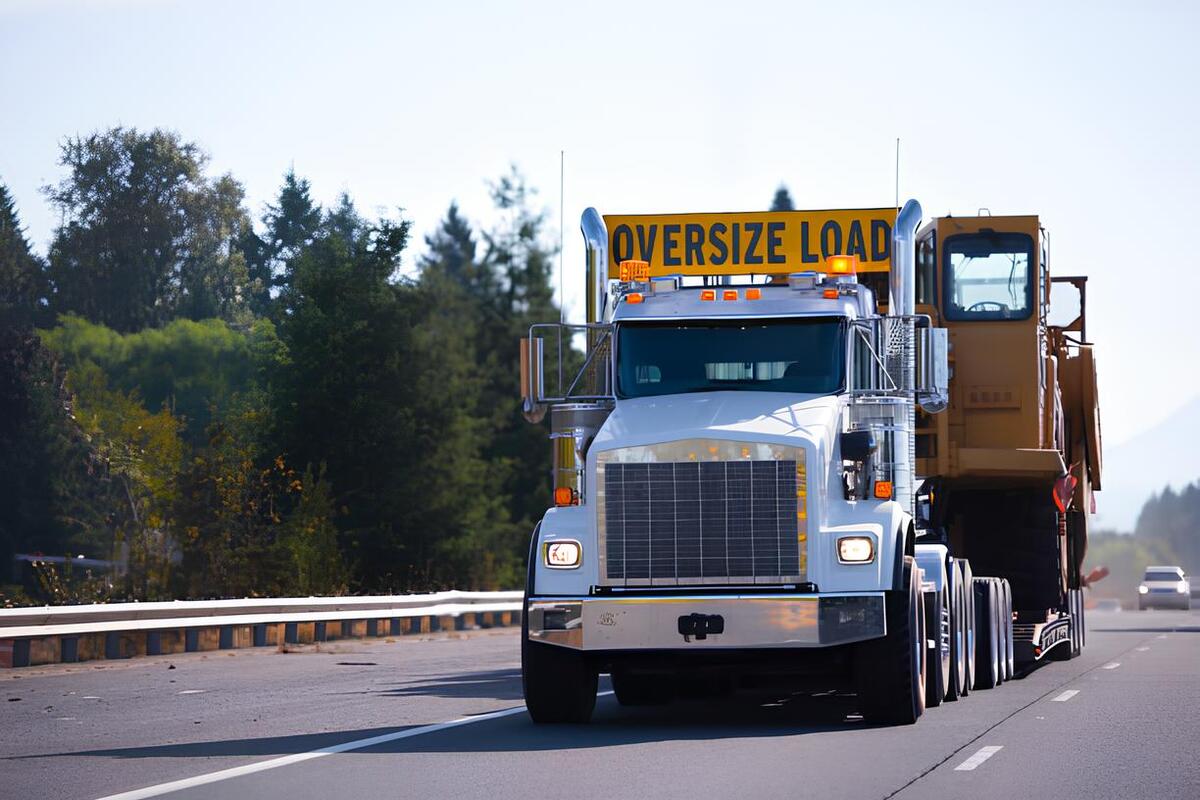 How to Read and Follow Oversized Permits
First, it is necessary to compare the actual dimensions and weight of the vehicle with those stated in the document. Any discrepancies may result in fines or refusal of passage. Next, it is important to strictly follow the approved route without deviating from the specified roads and directions.
In addition, transportation must be carried out within the established dates and time frames if required by the permit conditions. In cases where an escort is required, the driver must use pilot vehicles.
Upon the expiration of the authorization, the carrier must renew it in a timely manner to maintain the legal right to transport oversized or overweight cargo.