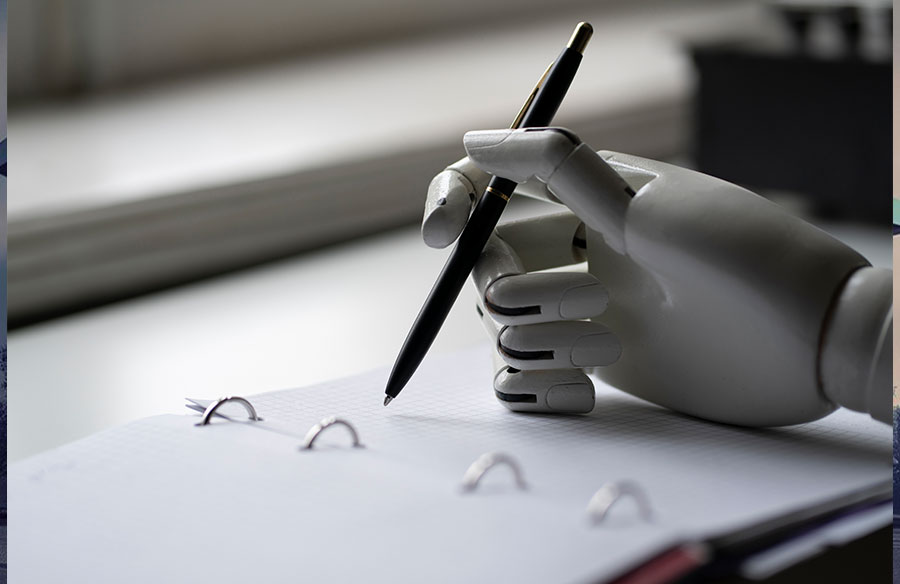
Artificial intelligence is no longer a sci-fi concept. It’s a daily tool—writing emails, generating images, drafting essays, even helping architects visualize projects. But there’s a big problem: AI still sounds like AI. Cold. Robotic. Lacking nuance. And for professionals in fields where voice, tone, and authenticity matter, that’s a deal-breaker.
Enter Justdone, a tool quietly redefining how machines communicate. Their mission? To humanize AI text—not just by correcting grammar or improving flow, but by transforming algorithmic output into something that feels like it was written by an actual person. The result isn’t just readable. It’s relatable.
Why Flat, Robotic Language Fails in Creative Fields
The digital world is bursting with content—but most of it blends into a forgettable blur. What stands out are voices that feel personal. Genuine. Alive. Whether it’s a designer writing a concept brief, a startup pitching a vision, or a strategist summarizing insights, tone makes the message.
This is where tools that humanize AI text become critical. They go beyond spellcheck and sentence smoothing. They decode what makes writing feel human—rhythm, warmth, subtlety—and inject those elements into AI-generated drafts. It’s not about tricking readers. It’s about making sure the message connects.
Think of it like this: an AI can describe a space. But only a human voice can make you feel what it’s like to be in that space.
When Designers Use AI, Whose Voice Comes Through?
Architecture and design have always been deeply human professions. They’re about creating spaces that tell stories, provoke emotions, and shape behavior. But as AI becomes a co-pilot in everything from drafting plans to generating concept renderings, the line between human and machine input is blurring fast.
This raises a crucial question: when a building description, a design rationale, or a sustainability pitch is written by AI—who ensures it still carries the designer’s voice?
Justdone.com’s AI Humanizer offers a real-world solution to this creative tension. Rather than rejecting AI tools, it embraces them—but adds a layer of refinement that protects the integrity of human expression. It’s like giving your digital assistant a sense of style.
This Tool Doesn’t Just Edit — It Reimagines Your Voice
It’s dead simple. You paste your AI-generated text into the tool, choose your desired tone—professional, friendly, persuasive, casual—and let it work. Within seconds, the Humanizer rewrites the input to sound natural and human. But here’s what’s impressive: it doesn’t erase meaning or rewrite your ideas. It enhances them.
The tool respects voice, context, and content. It’s not a generic paraphraser. It’s a tone engineer. And in industries like architecture, where narrative is as important as form, this kind of nuance is gold.
Say you’re preparing a portfolio page or a competition entry. You’ve used AI to speed up the first draft. But it still feels stiff, like it was pulled from a user manual. That’s the perfect moment to run it through the Humanizer and let the personality back in.
Writing Is Design — And Design Deserves Better Words
What Justdone.com is really offering is not just a tool—it’s a way of thinking. It invites us to ask: how do we preserve human creativity in a machine-assisted world? How can we harness automation without sacrificing soul?
In this sense, humanizing AI output becomes part of the design process itself. It’s about shaping not just buildings or products, but the very language we use to describe and present them. Just like we sketch, prototype, and revise physical designs, we can now do the same with our digital voice.
And this matters more than ever. In a world of instant content, attention spans are short and expectations are high. It’s not enough to say something. You have to say it well—with clarity, warmth, and character. That’s what moves people. That’s what builds trust.
Not Man vs. Machine — But Man With Better Tools
The future of design isn’t about man versus machine. It’s about man with machine. AI can generate. You curate. AI can accelerate. You refine. And with the right tools—like Justdone.com—you can ensure the final output still sounds unmistakably you.
As we rethink the future of work, creativity, and communication, this balance will be everything. Machines can help us go faster. But only humans can make it meaningful.